

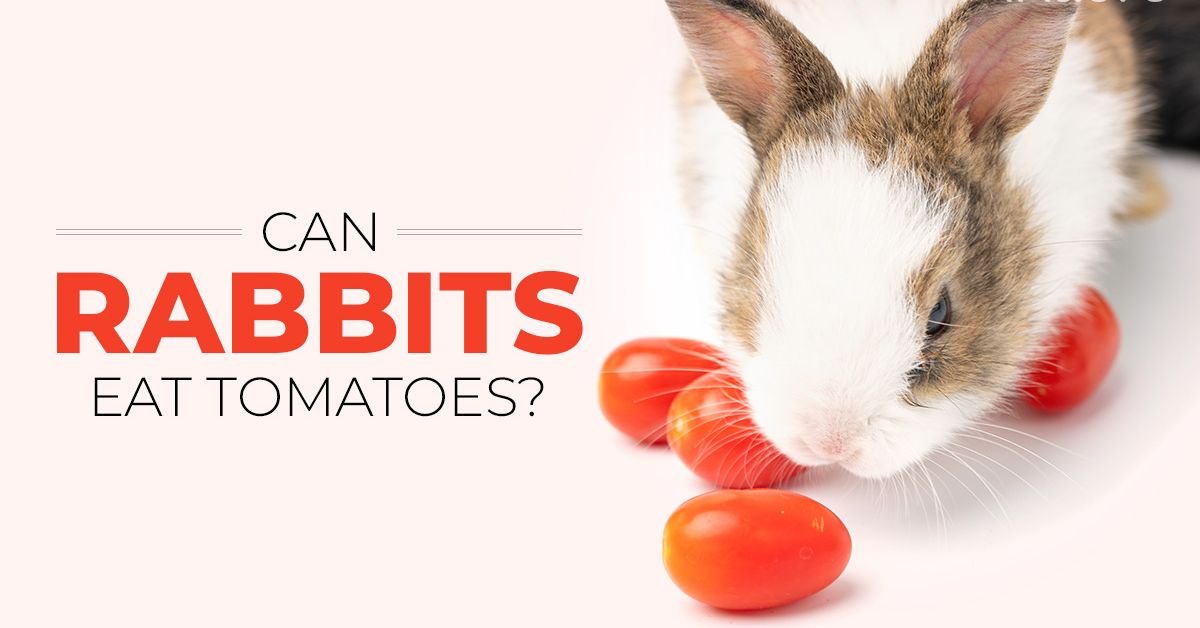
Many rabbit owners wonder if they can share fresh tomatoes with their furry friends. The answer is yes, but with important precautions. Rabbits can eat tomatoes, but only the ripe fruit in moderation. Tomatoes should never replace the main parts of a rabbit’s diet. Your bunny needs unlimited hay, fresh leafy greens, and a small amount of pellets daily. Tomatoes work best as an occasional treat that adds variety to your rabbit’s meals.
The key is knowing how much to feed, how often, and which parts are safe. Many pet parents want to give their rabbits healthy snacks, and tomatoes can be part of that when done correctly. Understanding the basics helps you make smart choices for your bunny’s health and happiness. This guide covers everything you need to know about feeding tomatoes to rabbits safely.
When you feed tomatoes properly, they become a refreshing snack your rabbit enjoys. However, feeding them incorrectly can cause serious health problems. Taking time to learn the right way protects your beloved pet from unnecessary risks. Your rabbit depends on you to make wise dietary decisions that support their wellbeing.
Understanding Rabbit Diet Basics
A proper rabbit diet consists of unlimited hay, which should make up about 80-90% of what they eat. Hay provides the fiber rabbits need for healthy digestion and helps keep their teeth worn down naturally. Your rabbit’s teeth grow continuously throughout their life, so they need to chew constantly. Fresh hay gives them this opportunity while supporting gut health. Timothy hay works well for adult rabbits, while alfalfa hay suits babies better.
Fresh vegetables should make up about 1-2 cups per four pounds of body weight daily. Pellets should be limited to small amounts based on your rabbit’s size. Water must always be available and fresh. This balanced approach keeps your bunny at a healthy weight and prevents digestive problems. Treats like tomatoes should only be a tiny portion of what your rabbit eats each week.
Building meals around hay and leafy greens gives your rabbit the nutrition they need to thrive. Without proper fiber from hay, rabbits develop serious digestive issues that can become life-threatening. Their sensitive digestive systems work differently from other pets, requiring specific care and attention. Understanding these basic needs helps you create a foundation for adding treats like tomatoes safely.
Are Tomatoes Safe for Rabbits to Eat
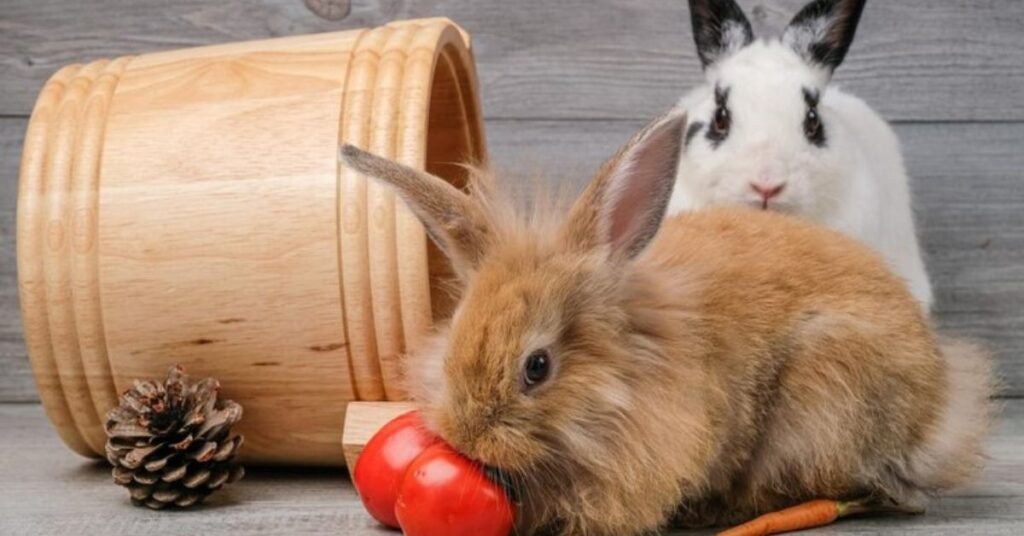
Tomatoes are safe for rabbits when they are completely ripe and properly prepared. The red flesh of a ripe tomato contains vitamins and water that benefit your bunny. However, safety depends entirely on preparation and portion control. You must remove all green parts before feeding. The green parts of tomato plants contain toxic compounds called tomatine and solanine.
These substances can cause serious health problems in rabbits. Never feed unripe green tomatoes to your bunny, as they have higher levels of these toxins. Only the ripe red or yellow flesh is safe. Cherry tomatoes and regular tomatoes both work fine as long as they’re fully ripe. Wash all tomatoes thoroughly before serving to remove pesticides or dirt.
Your rabbit’s sensitive digestive system can’t handle chemicals that might not bother humans. Taking these precautions makes tomatoes a safe occasional snack. Always inspect each tomato carefully before serving it to your pet. Any green spots or stems must be completely removed to ensure your rabbit’s safety.
Health Benefits of Tomatoes for Rabbits
Tomatoes provide vitamins A, C, and K, plus antioxidants like lycopene. These nutrients support your rabbit’s immune system and overall health. Vitamin A helps with vision and skin health. Vitamin C may benefit rabbits during stressful times. Vitamin K plays a role in blood clotting. Tomatoes contain potassium, which helps maintain proper electrolyte balance.
The high water content in tomatoes provides hydration, especially helpful during hot weather. Tomatoes also offer dietary fiber, though not as much as hay provides. The antioxidants in tomatoes may help protect cells from damage. These benefits make tomatoes a nutritious choice when fed correctly. The natural sugars in tomatoes give quick energy, though this same sugar content requires careful moderation.
However, these advantages only matter if you feed tomatoes in moderation. Too much of even healthy foods can cause problems for your bunny’s delicate digestive system. The benefits should enhance a balanced diet rather than form a major part of it. Thinking of tomatoes as a nutritional bonus rather than a necessity helps maintain proper perspective on their role in rabbit care.
Toxic Parts of Tomato Plants
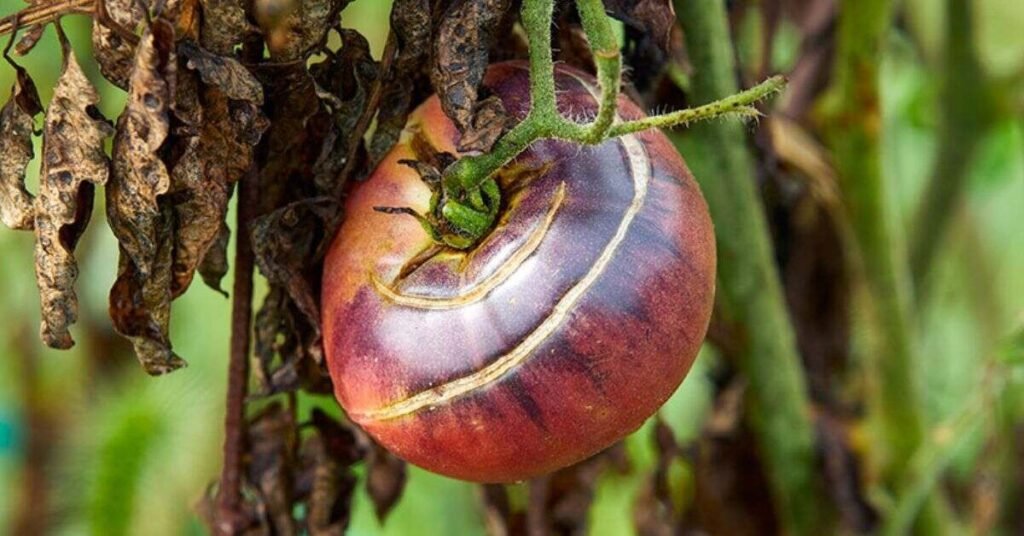
Tomato leaves, stems, flowers, and unripe fruits contain solanine, which is toxic to rabbits. These plant parts should never be fed to your bunny under any circumstances. Even small amounts can cause stomach pain and digestive upset. Green or unripe tomatoes also contain solanine and must be avoided. The substance decreases as the fruit ripens, which is why only fully ripe tomatoes are safe.
Remove the green stem and calyx from the top of each tomato before serving. Many experts also recommend removing tomato seeds, though small amounts are less concerning than plant parts. If your rabbit accidentally eats tomato leaves or stems, watch for signs of poisoning. These include lethargy, diarrhea, loss of appetite, or unusual behavior. Contact your veterinarian immediately if you notice these symptoms.
Keeping rabbits away from tomato gardens protects them from accidentally eating dangerous plant parts while foraging. Wild rabbits sometimes eat tomato plants and suffer from poisoning as a result. Your pet rabbit has no natural understanding that these green parts are dangerous. Prevention through careful preparation and keeping plants out of reach is the best protection you can offer.
How Much Tomato Can Rabbits Eat
The proper portion size is about one cherry tomato, fed only one to two times per week. This small amount prevents digestive problems while letting your rabbit enjoy the taste. For larger tomato varieties, cut a slice equal to cherry tomato size. Adult rabbits can have a couple of tablespoons of tomato once or twice weekly. Smaller or younger rabbits need even less, with portions no larger than a large grape.
Never feed tomatoes daily, as this causes too much sugar and acid intake. Space out tomato treats throughout the week with other vegetables. Some rabbits handle tomatoes better than others due to individual sensitivity. Start with very small amounts and watch how your rabbit responds. If you see soft stools or diarrhea, stop feeding tomatoes immediately.
The high sugar content means moderation is crucial for preventing obesity and other health issues in pet rabbits. Many rabbit owners accidentally overfeed treats because their bunnies seem to enjoy them so much. Remember that your rabbit will happily eat more than what’s healthy for them. You must exercise portion control to protect their health, even when they beg for more.
Preparing Tomatoes for Your Rabbit
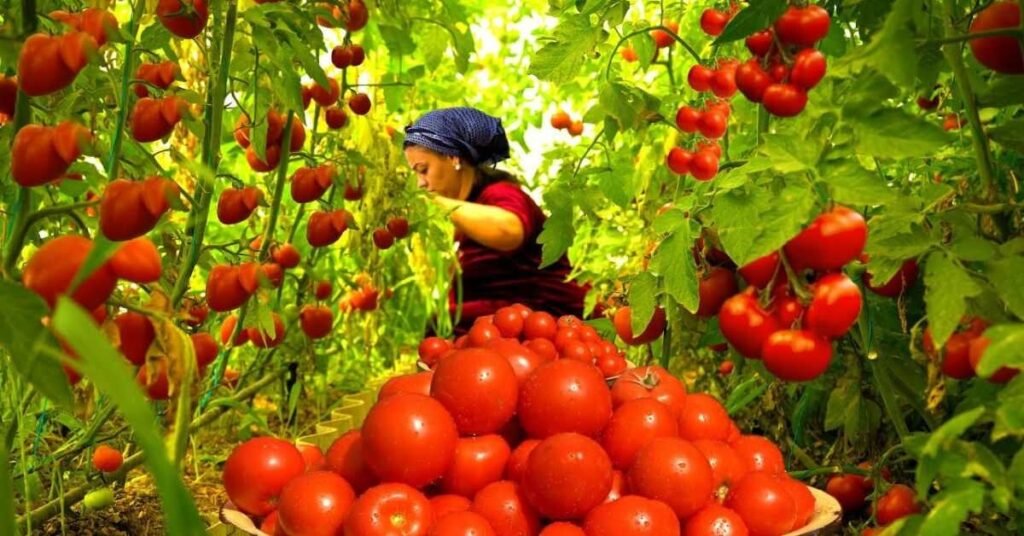
Start by selecting fully ripe red or yellow tomatoes without any green spots. Wash the tomato thoroughly to remove dirt and chemical residues. Cut off the entire stem area and any attached leaves. Slice the tomato into small pieces about half an inch in size. Remove the seeds and jelly-like center by scooping them out with a spoon. This reduces the risk of digestive upset from seeds.
Chop the remaining flesh into bite-sized cubes that are easy for your rabbit to eat. Serve the tomato pieces at room temperature in a clean bowl. Never cook tomatoes for rabbits or add any seasonings, salt, or oils. Plain raw tomato is the only safe option. Room temperature food is easier on your rabbit’s digestive system than cold food straight from the refrigerator.
Introduce tomatoes slowly if your rabbit has never had them before. Mix a tiny amount with their regular vegetables and wait twenty-four hours to check for reactions. Gradually increase the portion over several weeks if everything goes well. This careful approach lets you identify any sensitivity your individual rabbit might have to tomatoes before feeding larger amounts.
Signs of Tomato Overfeeding
Tomatoes can cause gastrointestinal issues including bloating and soft or watery stools. Watch your rabbit carefully after feeding tomatoes for the first time. Too much tomato leads to diarrhea because of the high water and acid content. Your rabbit may seem less energetic or show decreased appetite if they ate too much. Some bunnies experience gas or stomach discomfort from excess tomato.
Signs of digestive upset include changes in poop consistency and eating habits. Normal rabbit droppings should be round, firm pellets. Soft or runny droppings indicate a problem with diet or digestion. If you notice these symptoms, remove tomatoes from your rabbit’s diet immediately. Offer plenty of fresh hay to help restore normal gut function. Monitor your rabbit for twenty-four to forty-eight hours.
Contact your veterinarian if symptoms persist or worsen. Prevention works better than treatment, so always stick to recommended portion sizes and feeding frequency for tomatoes and other treats. Keep a journal of what you feed your rabbit and how they respond. This record helps you identify patterns and avoid foods that don’t agree with your bunny’s system.
Can Baby Rabbits Eat Tomatoes
Baby rabbits under twelve weeks old should not eat tomatoes or any fruits and vegetables. Young bunnies have very sensitive digestive systems that are still developing. Their bodies can’t handle the variety of foods that adult rabbits eat safely. Baby rabbits need alfalfa hay and pellets to support their growth. These foods provide the protein and calcium young rabbits require.
An upset stomach in baby rabbits can cause serious diarrhea or fatal enteritis requiring emergency care. Wait until your rabbit reaches at least three months of age before introducing any vegetables or fruits. Even then, go very slowly with tiny amounts. Monitor your young rabbit closely for any negative reactions when adding new foods. Their digestive system continues maturing as they grow.
By six months old, most rabbits can handle a more varied diet. However, tomatoes should still remain an occasional treat rather than a regular food item for rabbits of any age. The risks of introducing treats too early far outweigh any potential benefits. Patience during these early months sets the foundation for a healthy adult rabbit.
Best Vegetables for Rabbits Besides Tomatoes
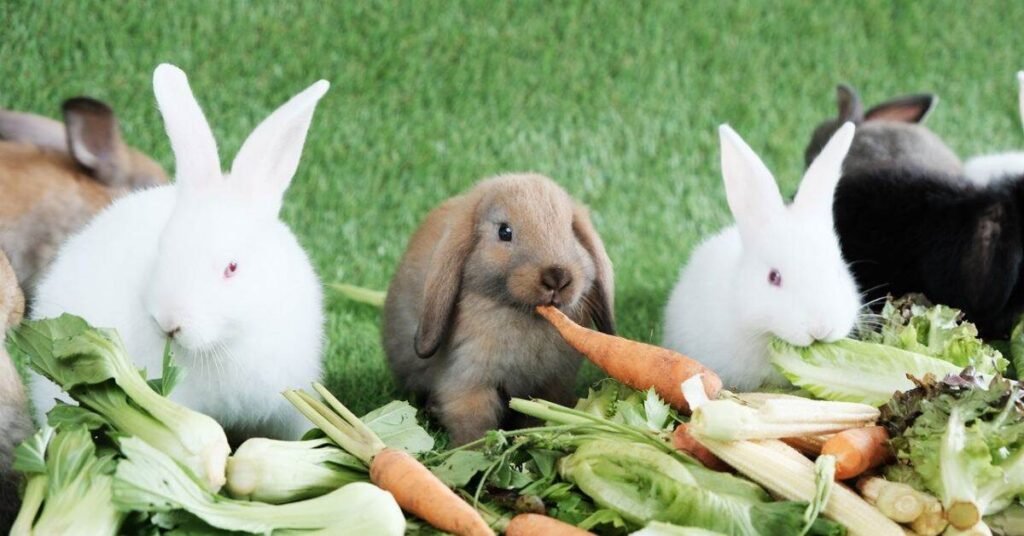
Good vegetable choices include romaine lettuce, bok choy, mustard greens, cilantro, watercress, and basil. These leafy greens provide excellent nutrition without the high sugar content of fruits. Your rabbit benefits from eating several different types of vegetables each day. Rotate the selection weekly to ensure balanced nutrition. Rabbits should get at least three different types of leafy greens daily.
Carrot tops work better than carrots themselves, which are too high in sugar. Herbs like parsley, mint, and dill add variety to your rabbit’s diet. Bell peppers and cucumber can be offered in small amounts. Avoid iceberg lettuce because it has little nutritional value and high water content that causes diarrhea. Some vegetables like kale and spinach should be rotated rather than fed daily due to calcium content.
Fresh vegetables supplement the fiber from hay while providing vitamins and minerals. Building meals around safe vegetables keeps your rabbit healthy and satisfied. Offering variety prevents boredom and ensures your bunny gets a wide range of nutrients. Many rabbits develop favorite vegetables, and you can use these as special treats during training or bonding time.
Tomato Safety Table for Rabbits
| Tomato Part | Safe for Rabbits | Notes |
| Ripe Red Flesh | Yes | Only in small amounts, 1-2 times weekly |
| Cherry Tomatoes | Yes | Limit to one per serving |
| Yellow Tomatoes | Yes | Same rules as red tomatoes |
| Tomato Leaves | No | Contains toxic solanine |
| Tomato Stems | No | Highly toxic to rabbits |
| Green Unripe Tomatoes | No | High solanine levels |
| Tomato Seeds | Best Removed | Can cause digestive upset |
| Tomato Flowers | No | Part of toxic plant |
| Cooked Tomatoes | No | Only feed raw tomatoes |
| Canned Tomatoes | No | Contains salt and preservatives |
Introducing New Foods to Rabbits
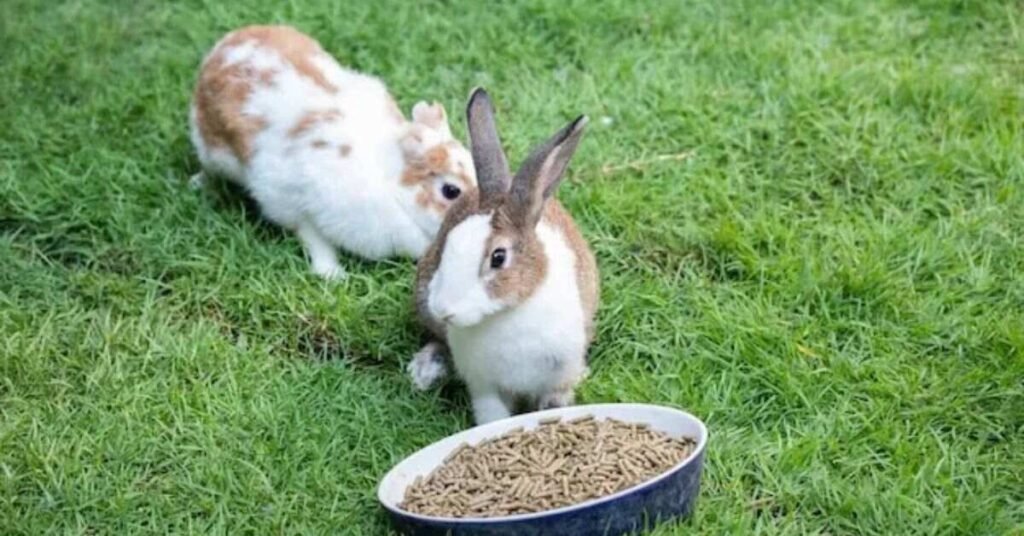
Always introduce new vegetables one at a time in small quantities under half an ounce. This careful approach lets you identify which foods cause problems for your individual rabbit. Wait at least twenty-four hours between introducing different new foods. Watch your rabbit’s behavior, appetite, and litter box habits during this time. Some rabbits tolerate certain vegetables better than others.
New foods should be introduced slowly over seven to fourteen days. Start with a tiny taste and gradually increase the amount if your rabbit shows no negative reactions. Mix new vegetables with familiar foods your rabbit already enjoys. This encourages them to try the new item. Not all rabbits like tomatoes, and that’s perfectly fine.
Never force your rabbit to eat something they refuse. Their instincts often guide them away from foods that don’t agree with their system. Respect your rabbit’s preferences while offering healthy variety in their diet. Some rabbits are adventurous eaters while others prefer sticking to familiar foods. Both personality types can thrive with proper nutrition.
Common Mistakes When Feeding Tomatoes
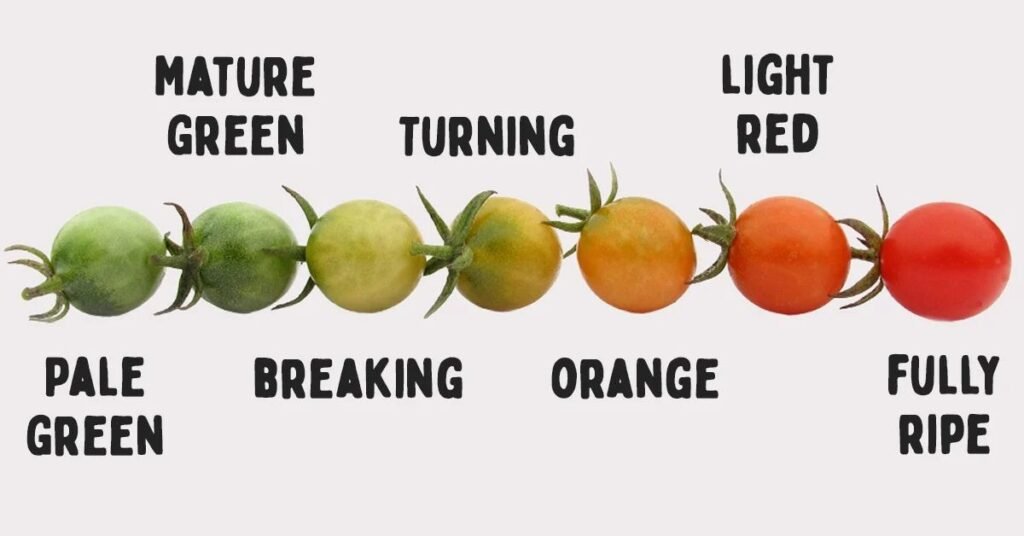
Many rabbit owners make the mistake of feeding too much tomato too often. Remember that tomatoes are treats, not everyday foods. Another common error is failing to remove stems and leaves before serving. Even small amounts of these toxic parts can harm your bunny. Some people feed unripe green tomatoes thinking they’re safe. Unripe tomatoes contain solanine and must be avoided.
Feeding tomato daily leads to excessive sugar intake and digestive problems. Not washing tomatoes properly exposes your rabbit to pesticides and chemicals. Giving whole tomatoes instead of small pieces makes eating difficult and messy. Some owners cook tomatoes for their rabbits, but raw is the only safe option. Mixing tomatoes with other high-sugar fruits in one serving overloads your rabbit’s system.
Not monitoring your rabbit after feeding new foods means you might miss warning signs of trouble. Learning from these mistakes helps you provide better care for your bunny. Many well-meaning owners make errors simply because they don’t have complete information. Education and attention to detail make the difference between safe treat-giving and accidental harm.
Alternative Healthy Treats for Rabbits
Besides tomatoes, many fruits and vegetables make excellent occasional treats for rabbits. Small pieces of apple without seeds provide sweetness rabbits love. Strawberries, blueberries, and raspberries work well in tiny amounts. Fresh herbs like basil, cilantro, and mint are nutritious and flavorful. Fruit should be given only one or two times weekly at one to two tablespoons per five pounds of body weight.
Bell pepper strips add crunch and vitamin C. Small amounts of carrot are fine despite their sugar content. Pear slices without seeds make a juicy treat. Leafy greens should form the bulk of vegetable offerings rather than sugary options. Dandelion leaves provide excellent nutrition if sourced from chemical-free areas. Commercial treats often contain unhealthy ingredients, so stick with fresh produce.
Variety keeps your rabbit interested in their food while providing different nutrients. Rotating treats throughout the week ensures your bunny gets balanced nutrition without boredom. Consider creating a treat schedule that rotates different options throughout the month. This system prevents overfeeding any single item while keeping meals interesting for your rabbit.
When to Avoid Feeding Tomatoes
Some situations require skipping tomatoes entirely. If your rabbit has digestive problems or sensitive stomach, avoid all acidic foods including tomatoes. Rabbits with megacolon may not tolerate vegetables well and thrive better on hay and pellets only. Overweight rabbits should have limited treats while losing weight. Tomatoes add unnecessary sugar for bunnies on weight-loss programs.
Rabbits recovering from illness need simple, easily digestible foods rather than treats. If your rabbit has diabetes or other metabolic conditions, consult your veterinarian before feeding any fruits or high-sugar vegetables. Rabbits with dental issues might struggle to eat tomato pieces comfortably. During times of stress or when introducing your rabbit to a new home, stick with familiar foods.
Any rabbit showing signs of digestive upset should have treats eliminated until they recover. Trust your instincts about your individual rabbit’s needs and tolerance for different foods. Your veterinarian can provide personalized guidance based on your rabbit’s specific health situation. When in doubt, it’s always safer to skip treats and focus on hay and approved vegetables.
Keeping Rabbits Away from Tomato Gardens
Rabbits find tomato gardens very tempting and may eat dangerous plant parts while foraging. Garden rabbits often eat tomato vines, stems, and leaves containing toxic solanine. Protect your garden with fencing at least two feet high and buried several inches underground. Rabbits are excellent diggers and jumpers. Hardware cloth or chicken wire works better than standard garden fencing.
Plant rabbit-deterrent herbs like oregano, lavender, or marigolds around your tomato plants. These strong scents discourage rabbits from entering the area. Motion-activated sprinklers startle rabbits away without harming them. Provide alternative greens in a different area to redirect their foraging behavior. Never rely on rabbits’ instincts alone to avoid toxic plants.
While they often know what to avoid, hungry or curious rabbits may eat dangerous foods. Keeping pet rabbits away from gardens protects them from accidental poisoning and protects your plants from damage. If you grow tomatoes and keep rabbits, maintaining clear boundaries between the two becomes essential for everyone’s safety and happiness.
Conclusion
Yes, rabbits can eat tomatoes, but only in moderation and with proper preparation. Tomatoes are safe as an occasional treat because they provide vitamins A and C, which support your rabbit’s immune system and eye health. However, avoid feeding tomato leaves, stems, and unripe green tomatoes, as these parts contain solanine, a compound that’s toxic to rabbits.
For a healthy diet, your rabbit’s main food should always be hay, with fresh vegetables and herbs as daily supplements and fruit-like treats (including tomatoes) served sparingly. Responsible feeding helps ensure your bunny stays healthy, happy, and full of energy.
FAQs
1. Can rabbits eat tomato leaves or stems?
No. Tomato leaves, stems, and green parts are toxic to rabbits and should never be eaten.
2. How much tomato can I give my rabbit?
Offer one small slice (about a cherry tomato’s worth) once or twice a week as a treat.
3. Can baby rabbits eat tomatoes?
No. Baby rabbits under 12 weeks should not eat tomatoes or any fruit until their digestive system matures.
4. Are cherry tomatoes safe for rabbits?
Yes, but the same rules apply — only the ripe fruit, in small amounts, and with the stem removed.
5. What happens if my rabbit eats too many tomatoes?
Too many tomatoes can cause digestive upset or diarrhea due to their sugar and water content. Monitor your rabbit and contact a vet if symptoms persist.
6. What other fruits can rabbits eat safely?
Rabbits can enjoy small portions of apple (no seeds), strawberries, blueberries, and banana, but treats should always stay below 10% of their total diet.
