

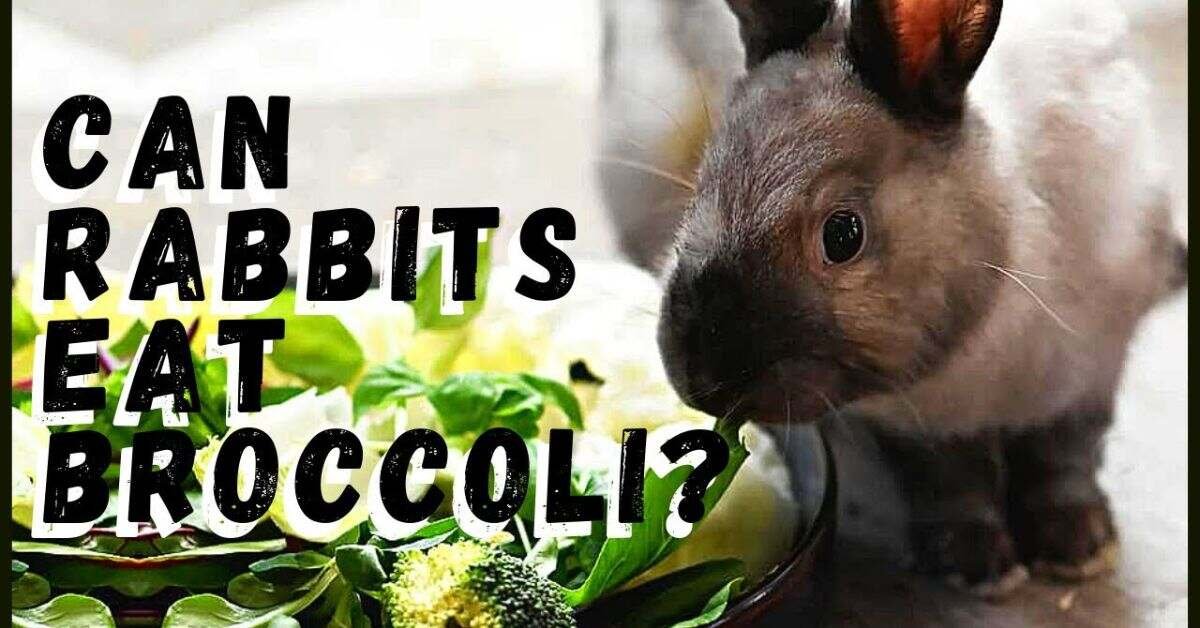
Yes, can rabbits eat broccoli is a common question with a careful answer. Rabbits can enjoy broccoli in very small amounts as an occasional treat. However, this vegetable requires special attention because it can cause serious digestive problems. Broccoli belongs to the cruciferous vegetable family which produces gas during digestion. Your rabbit’s delicate digestive system may struggle with this gas buildup.
The key to safely answering can rabbits eat broccoli lies in understanding portion control and frequency. Most veterinarians recommend offering only broccoli leaves rather than florets or stems. The leaves cause less gas and are easier for rabbits to digest. When you do feed broccoli, limit portions to about one tablespoon per two pounds of body weight. This small amount provides nutritional benefits without overwhelming your bunny’s system.
Many rabbit owners want to share healthy vegetables with their pets. Broccoli offers vitamins and minerals that support rabbit health. However, the risks sometimes outweigh the benefits for sensitive bunnies. Understanding your individual rabbit’s tolerance helps you make smart feeding decisions. Some rabbits handle broccoli well while others develop painful gas immediately. Starting with tiny amounts lets you test your rabbit’s reaction safely.
Understanding Rabbit Digestive Systems
Rabbits have unique digestive systems that differ greatly from other pets. Their intestines contain beneficial bacteria that break down plant fiber. These bacteria thrive on consistent diets without sudden changes. When new foods enter the system, bacteria populations must adjust. This adjustment period can cause temporary digestive upset.
Your rabbit cannot vomit like cats or dogs can. Food moves in one direction only through their digestive tract. This means any gas produced during digestion has nowhere to escape easily. Gas buildup causes severe pain and discomfort for rabbits. In extreme cases, too much gas can lead to life-threatening gastrointestinal stasis.
The cecum is a special organ in rabbit digestion that ferments food. This fermentation process creates nutrients rabbits need for survival. However, certain vegetables like broccoli produce excessive fermentation. Understanding these digestive mechanics helps explain why can rabbits eat broccoli requires such careful consideration. Your bunny depends on you to protect their sensitive gut health through smart food choices.
Nutritional Benefits of Broccoli for Rabbits
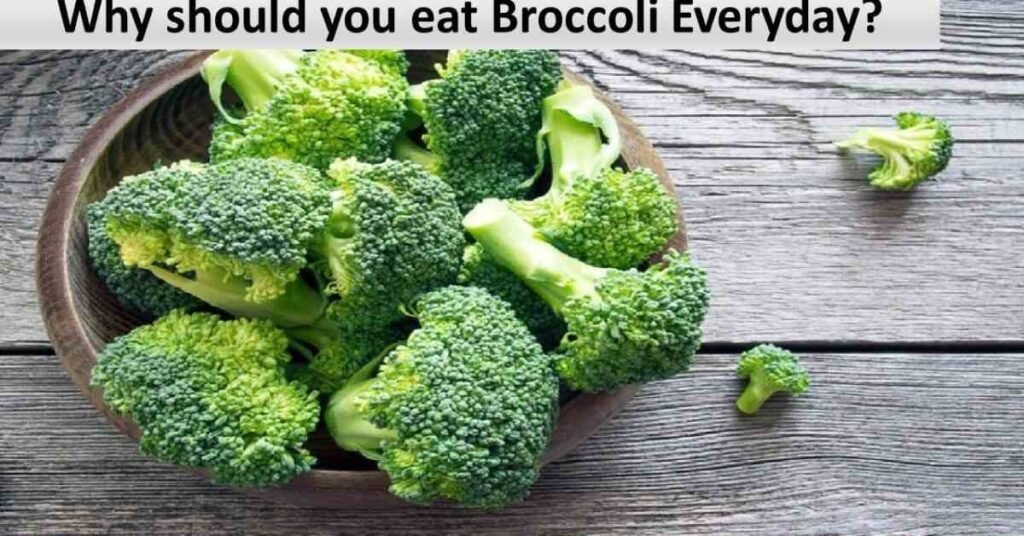
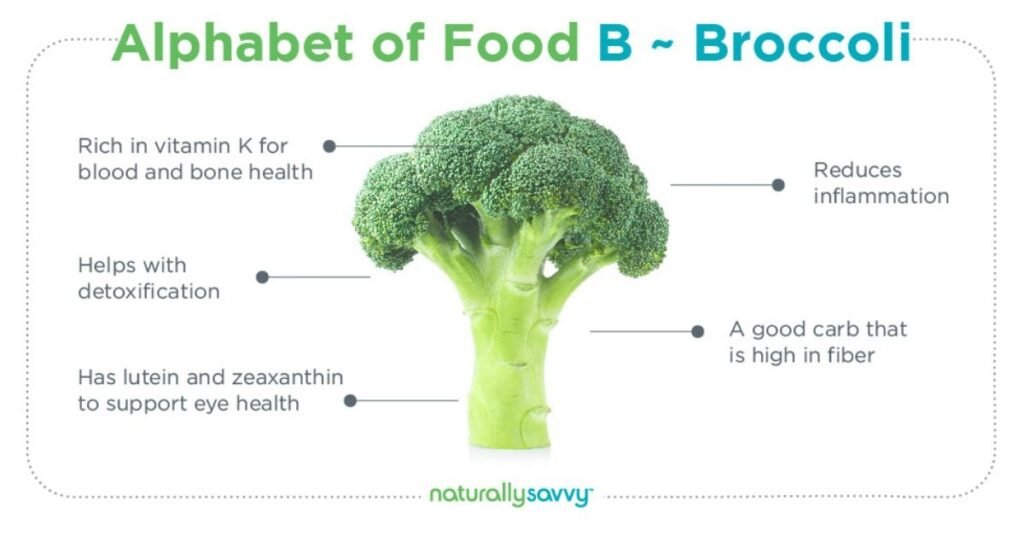
Broccoli contains impressive amounts of vitamin C, vitamin K, and folate. These nutrients support immune function, blood clotting, and cell growth. Vitamin C acts as an antioxidant that protects cells from damage. While rabbits produce their own vitamin C, extra amounts during stress can help. Vitamin K plays essential roles in bone health and proper blood clotting.
The fiber content in broccoli supports digestive health when fed in moderation. Broccoli provides both soluble and insoluble fiber types. Soluble fiber absorbs water and helps regulate blood sugar. Insoluble fiber adds bulk to stool and promotes regular bowel movements. One cup of raw broccoli contains about four grams of fiber along with various minerals.
Calcium, potassium, and iron appear in broccoli at moderate levels. These minerals support bone strength, muscle function, and oxygen transport. Antioxidants called glucosinolates give broccoli its cancer-fighting properties. While these benefits sound impressive, they only matter if your rabbit can digest broccoli without problems. The nutritional advantages mean nothing if your bunny suffers from painful gas afterward.
Gas and Bloating Risks from Broccoli
The main danger when considering can rabbits eat broccoli involves gas production. Broccoli contains a complex sugar called raffinose that rabbits cannot digest. This sugar reaches the large intestine intact where bacteria ferment it. Fermentation produces carbon dioxide, methane, and nitrogen gases. These gases accumulate in your rabbit’s intestines causing severe discomfort.
Rabbits cannot burp or pass gas easily like humans can. The gas becomes trapped in their digestive tract with limited escape routes. Visible signs of gas include a swollen, hard belly and hunched posture. Your rabbit may grind their teeth in pain or refuse to eat. Some bunnies become lethargic and hide in corners when experiencing gas pain.
Gastrointestinal stasis can develop if gas prevents normal digestion. This condition causes the entire digestive system to slow down or stop completely. Stasis represents a medical emergency requiring immediate veterinary care. Without treatment, stasis can become fatal within twenty-four to forty-eight hours. The risks associated with broccoli feeding demand respect and careful monitoring from all rabbit owners.
Which Parts of Broccoli Are Safest
Broccoli leaves are the safest part for rabbits to consume. The leaves contain fewer compounds that produce gas. Most rabbits enjoy eating the tender green leaves without digestive issues. Veterinarians recommend feeding primarily broccoli leaves when you want to include this vegetable in your rabbit’s diet.
Broccoli florets cause more gas than leaves because of their dense structure. The tight florets contain higher concentrations of raffinose and fiber. Many rabbits still enjoy eating florets, but they require extra caution. If you choose to feed florets, chop them into very small pieces. Smaller pieces digest more easily and reduce the risk of gas buildup.
The thick stalks present the biggest challenge for rabbit digestion. Tough stalks contain the most fiber and gas-producing compounds. Most rabbits avoid eating thick stalks naturally because of their rubbery texture. The thin stems that branch into florets work better than main stalks. When feeding broccoli, always remove thick stalks completely and focus on leaves and tender stems only.
Proper Portion Sizes for Rabbits
The correct amount when asking can rabbits eat broccoli safely is remarkably small. Adult rabbits should receive no more than one tablespoon of broccoli per two pounds of body weight. This means a four-pound rabbit gets only two tablespoons maximum. Measure portions carefully rather than eyeballing the amount. Too much broccoli can quickly lead to painful digestive problems.
Frequency matters just as much as portion size. Feed broccoli only two to three times per week at most. Space out broccoli servings throughout the week with several days between feedings. Never offer broccoli daily or multiple times in one day. Your rabbit needs time to process each serving before receiving more cruciferous vegetables.
Baby rabbits under six months old should never receive broccoli or any vegetables. Their immature digestive systems cannot handle the complexity of vegetable digestion. Young rabbits need primarily hay and pellets to support proper growth. Wait until your rabbit reaches full adulthood before introducing even tiny amounts of broccoli. Starting too early can cause serious digestive complications in developing bunnies.
How to Introduce Broccoli Safely
Start with an extremely small piece when introducing broccoli for the first time. Offer just one small broccoli leaf no larger than your thumbnail. Watch your rabbit closely for the next twenty-four to forty-eight hours. Monitor their behavior, appetite, and litter box habits during this observation period.
Normal rabbit droppings should remain round, firm, and plentiful after eating broccoli. Check for any changes in poop consistency or frequency. Soft stools or diarrhea indicate your rabbit cannot tolerate broccoli. Gas symptoms include reduced appetite, lethargy, or visible abdominal swelling. Stop feeding broccoli immediately if you notice any negative reactions.
If your rabbit handles the first small piece well, gradually increase the portion. Add another leaf-sized piece after several days pass without problems. Build up to the recommended maximum over two to three weeks. This slow introduction helps your rabbit’s gut bacteria adjust to the new food. Never rush the process even if your bunny seems eager for more broccoli.
Signs Your Rabbit Has Gas Pain
Recognizing gas symptoms quickly helps you intervene before problems become serious. A bloated rabbit often sits in a hunched position with their belly pressed against the floor. You may see their abdomen appears swollen or feels hard to touch. Rabbits in pain grind their teeth loudly, which sounds different from the soft grinding of contentment.
Reduced appetite or complete refusal to eat indicates digestive distress. Your rabbit may ignore their favorite hay or treats when experiencing gas. Some bunnies become very quiet and withdrawn during painful episodes. Others show restlessness and cannot find a comfortable position. You might hear gurgling sounds coming from their stomach.
Decreased fecal output or absence of droppings signals a serious problem. Normal rabbits produce hundreds of poops daily, so reduced numbers are concerning. Watch for changes in poop size or shape as well. If gas symptoms persist beyond twelve hours or worsen, contact your veterinarian immediately. Quick action prevents gas from progressing to life-threatening stasis.
Preparing Broccoli for Your Rabbit
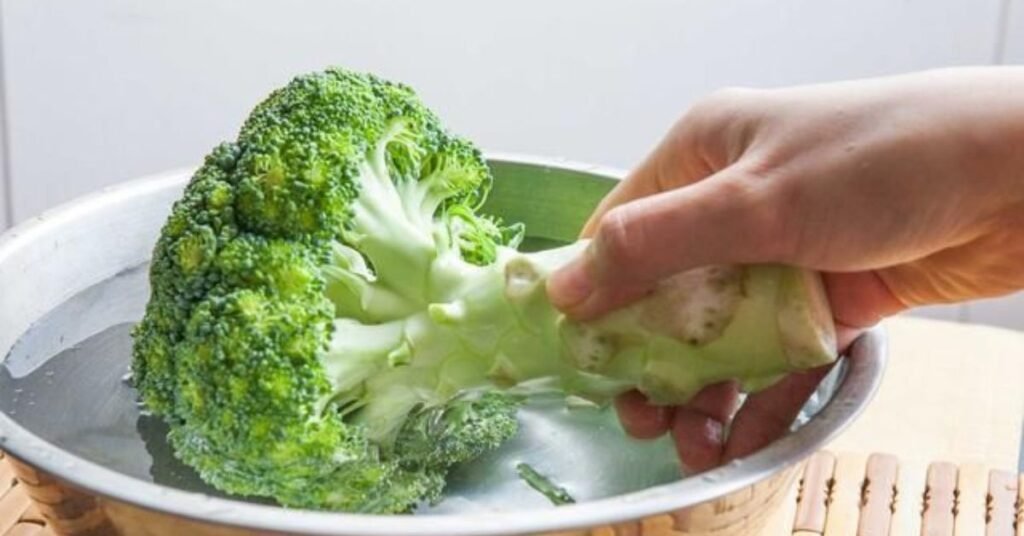
Always wash broccoli thoroughly before feeding it to your rabbit. Pesticides and chemicals on conventionally grown broccoli can harm your bunny. Organic broccoli offers the safest choice for rabbit consumption. If organic isn’t available, wash regular broccoli under running water for several minutes. Consider using a vegetable brush to remove residues.
Remove all thick stalks and focus on leaves and small florets. Chop broccoli into bite-sized pieces no larger than your fingernail. Smaller pieces digest more easily and prevent choking hazards. Never cook broccoli before feeding it to rabbits. Cooking removes valuable nutrients that benefit your bunny. Raw broccoli maintains maximum nutritional value while staying safe.
Serve broccoli at room temperature rather than cold from the refrigerator. Cold vegetables can upset sensitive rabbit stomachs. Mix broccoli with other safe vegetables your rabbit already enjoys. This combination prevents them from eating only broccoli and ignoring other foods. Always provide fresh broccoli and discard any uneaten pieces after a few hours.
Alternative Safe Vegetables for Rabbits
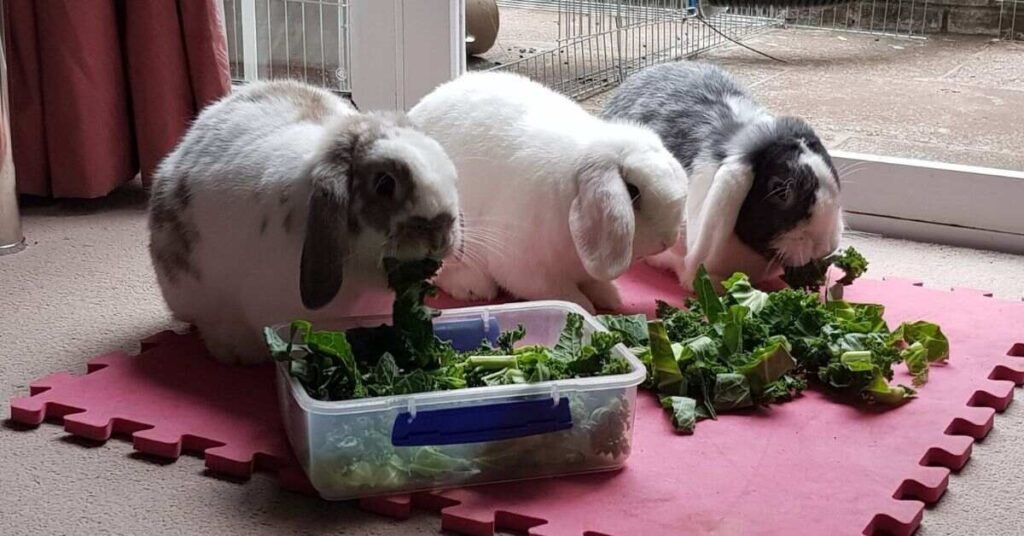
Many vegetables work better than broccoli for daily rabbit feeding. Romaine lettuce, cilantro, parsley, and basil make excellent choices. These leafy greens provide nutrition without significant gas risks. Your rabbit can eat larger amounts of these vegetables safely. Most rabbits enjoy the variety of flavors from different herbs and greens.
Bell peppers offer vitamins and crunchy texture without causing gas. Remove seeds before feeding peppers to your rabbit. Carrot tops provide better nutrition than carrots themselves which contain too much sugar. Bok choy, watercress, and dandelion greens work well for daily rotation. These vegetables contain beneficial nutrients that support overall health.
Cucumber adds hydration during hot weather without digestive risks. Zucchini provides similar benefits with low gas potential. When considering can rabbits eat broccoli versus other options, many vegetables offer safer alternatives. Save broccoli as an occasional treat rather than a dietary staple. Focus on vegetables that rabbits can eat freely without worry or portion restrictions.
When to Avoid Broccoli Completely
Some rabbits should never eat broccoli regardless of portion size. Bunnies with digestive sensitivities or history of gas problems need to avoid cruciferous vegetables completely. Rabbits with gastrointestinal stasis history face too much risk from broccoli. Previous episodes indicate your rabbit’s system cannot handle gas-producing foods safely.
Senior rabbits with slowed digestion may struggle more with broccoli. Aging digestive systems work less efficiently at processing complex foods. If your elderly rabbit shows any signs of digestive weakness, skip broccoli entirely. Overweight rabbits should focus on low-calorie vegetables rather than occasional treats. Their diet needs to emphasize weight loss over variety.
Rabbits recovering from illness require simple, easily digestible foods. Save broccoli introduction until your bunny fully recovers and stabilizes. Any rabbit showing reluctance to eat broccoli should not be forced. Trust your rabbit’s instincts about foods they avoid naturally. Some bunnies seem to know which vegetables disagree with their systems.
What to Do If Your Rabbit Eats Too Much
Quick action helps minimize problems if your rabbit accidentally overeats broccoli. Remove all remaining broccoli immediately to prevent further consumption. Offer unlimited fresh hay to encourage normal digestive function. Hay’s fiber helps push gas through the intestinal tract. Encourage your rabbit to move around and exercise gently.
Light abdominal massage may help trapped gas move through the system. Use very gentle circular motions on your rabbit’s belly. Never press hard or cause additional discomfort. Some owners find that encouraging exercise helps more than massage. Let your rabbit hop around supervised to promote gut motility naturally.
Monitor your bunny closely for the next twenty-four hours minimum. Contact your veterinarian if symptoms develop or worsen. Describe how much broccoli your rabbit ate and when. Your vet may recommend bringing your rabbit in for examination. Never wait to see if symptoms resolve on their own if your rabbit stops eating or becomes lethargic.
Comparing Broccoli to Other Cruciferous Vegetables

Broccoli isn’t the only cruciferous vegetable that causes gas in rabbits. Cauliflower, cabbage, and Brussels sprouts all present similar risks. These vegetables contain raffinose and produce significant gas during digestion. Many rabbit experts recommend avoiding the entire cruciferous family. The potential for digestive upset outweighs nutritional benefits.
Kale belongs to this family but tends to cause less gas than broccoli. Some rabbits tolerate small amounts of kale better. However, kale contains high calcium levels that can cause other problems. Collard greens offer another cruciferous option with moderate gas production. Each vegetable affects individual rabbits differently based on their gut bacteria composition.
When asking can rabbits eat broccoli compared to relatives, remember all pose risks. If you want to include cruciferous vegetables, rotate them carefully. Never feed multiple types in the same week. Choose the safest options like kale leaves over broccoli florets. Better yet, focus your rabbit’s vegetable intake on non-cruciferous choices that carry fewer risks.
Broccoli Feeding Table for Rabbits
| Broccoli Part | Safety Level | Portion Size | Frequency | Gas Risk |
| Leaves | Safest | 1 tbsp per 2 lbs | 2-3x weekly | Low |
| Small Florets | Moderate | ½ tbsp per 2 lbs | 1-2x weekly | Medium |
| Thin Stems | Moderate | ½ tbsp per 2 lbs | 1-2x weekly | Medium |
| Thick | Avoid | None | Never | N/A |
Long-Term Broccoli Feeding Effects
Regular broccoli feeding in proper amounts typically causes no long-term problems. Rabbits who tolerate small portions well can continue enjoying this treat safely. The key remains consistent portion control and frequency limits. Never increase portions even if your rabbit seems to handle broccoli well. Maintaining small amounts prevents accumulated effects.
Some rabbits develop sensitivity to broccoli over time even after tolerating it initially. Watch for gradual changes in how your bunny responds to feedings. Gas may develop after months of problem-free broccoli consumption. This shift indicates their gut bacteria balance changed. Stop feeding broccoli if your rabbit starts showing new sensitivities.
Variety in vegetable choices promotes better health than relying on few options. Rotating many different safe vegetables ensures balanced nutrition. Broccoli should represent just one small part of a diverse diet. The goal involves providing nutrition through many sources rather than depending on any single vegetable. This approach minimizes risks while maximizing nutritional benefits for your rabbit.
Conclusion
Rabbits can eat small amounts of broccoli, but it should be offered carefully. While it’s full of vitamins and fiber, too much can cause gas or stomach discomfort. It’s best to introduce it slowly and see how your rabbit reacts.
Always feed fresh broccoli in small portions and mix it with other leafy greens. Balance is the key to keeping your rabbit healthy and happy. A little broccoli now and then can be a crunchy, nutritious treat.
FAQs
1. Can rabbits eat broccoli safely?
Yes, but only in small portions to avoid gas or bloating.
2. Which part of broccoli can rabbits eat?
They can eat the leaves, florets, and stems in moderation.
3. How often should I give my rabbit broccoli?
Once or twice a week is enough, mixed with other greens.
4. Can baby rabbits eat broccoli?
No, it’s better to wait until they’re older before offering it.
5. What are signs that broccoli doesn’t suit my rabbit?
If your rabbit has gas, a bloated belly, or stops eating, avoid feeding broccoli again.
