

Rabbit resistant plants are flowers, shrubs, and herbs that rabbits naturally avoid eating. These plants protect your garden from damage while creating beautiful landscapes. Gardeners choose these varieties to reduce rabbit destruction without using harmful chemicals or fences. Understanding which plants rabbits dislike helps you design stunning gardens that thrive.
No plant can be truly rabbit-proof, but resistant varieties are not the first choice for hungry rabbits. Plants with strong odors, fuzzy or leathery leaves, needles, or thorns tend to be more resistant than others. Your garden benefits from mixing these protective plants with your favorite flowers. Smart planning creates spaces where rabbits lose interest quickly.
Many beautiful options exist beyond basic rabbit deterrents. Rabbit resistant plants come in every color, size, and growing condition imaginable. You can find options for sunny borders, shady corners, and everything between. These plants often attract beneficial insects while keeping rabbits away naturally.
Why Plants Resist Rabbits
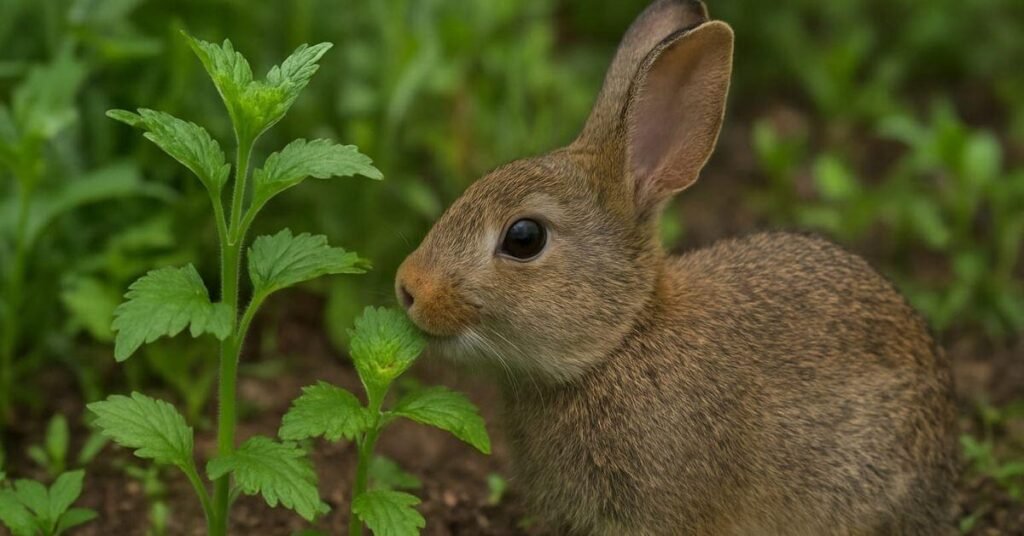
Rabbit resistant flowers usually fall into three categories: fragrant plants with strong smells, unpalatable plants with rough or fuzzy textures, and toxic or irritating plants containing compounds that discourage nibbling. Rabbits have sensitive noses that find strong scents overwhelming. Herbs like lavender and rosemary produce oils that rabbits find unpleasant. The powerful aromas protect these plants naturally.
Texture plays a major role in rabbit resistance. Deer and rabbits tend to leave hairy plants alone. Fuzzy leaves feel uncomfortable in rabbit mouths. Leathery foliage is too tough for them to chew easily. Prickly or thorny plants cause physical discomfort that rabbits avoid. Your garden stays safer with these textured varieties.
Some plants contain natural chemicals that taste bitter or cause mild irritation. Not all rabbit resistant plants are toxic, but some like Lenten Rose definitely are. Rabbits learn quickly which plants make them feel sick. They remember these experiences and avoid those plants in the future. This natural learning protects your carefully chosen garden plants.
Best Flowers That Rabbits Avoid
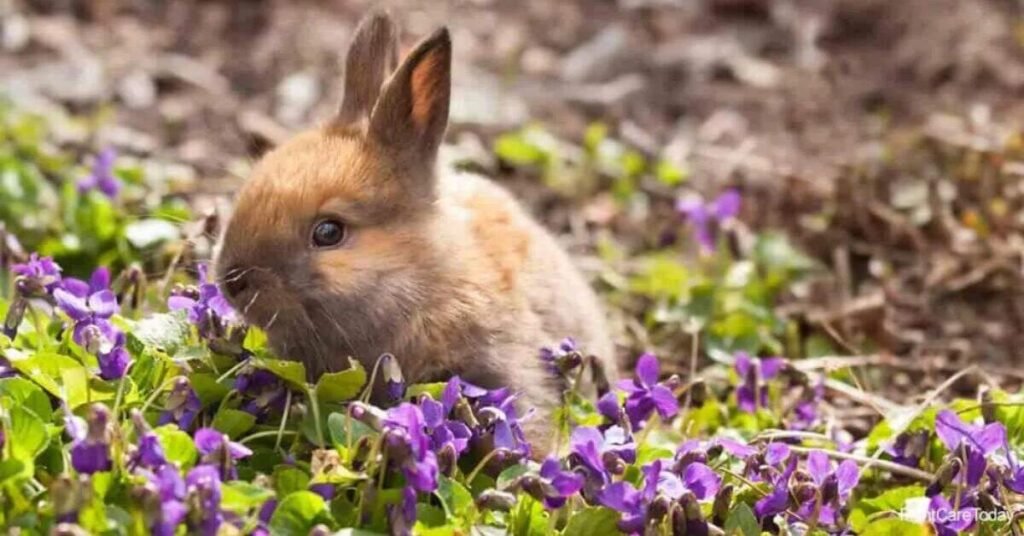
Salvia is attractive to hummingbirds and butterflies but not usually eaten by rabbits, probably because of its scent. This versatile flower comes in many colors including red, purple, blue, and white. Salvias bloom from spring through fall in most climates. Once established, they tolerate drought and thrive in full sun. Your garden gains months of colorful blooms that rabbits ignore.
Calendulas are related to French and African marigolds, and rabbits may dislike the plants’ strong fragrant and bitter taste. These cheerful flowers produce large orange and yellow blooms. They grow easily from seed and bloom from June until frost. Calendulas work beautifully in cottage gardens and cutting gardens. The edible flowers add color to salads while rabbits stay away.
Daffodils are left alone by rabbits who love to chew the buds off spring bloomers such as tulips. Plant daffodil bulbs in fall for bright spring color. These reliable bulbs multiply over years creating larger displays. Daffodils contain compounds that taste terrible to rabbits. Your spring garden stays beautiful when you choose these sunny flowers.
Rabbit Resistant Herbs for Gardens
Onions may be a big part of the human diet, but the flavor is a turn-off for rabbits who will only touch this plant as a last resort. Ornamental onions produce stunning purple globe flowers in summer. These allium varieties grow from bulbs planted in fall. The flowers attract pollinators while keeping rabbits at bay. Chives and garlic also provide natural rabbit protection.
Lavender and thyme are among the herbs that rabbits avoid due to their strong scents. These Mediterranean herbs thrive in sunny, well-drained locations. Both tolerate drought and poor soils once established. Lavender produces fragrant purple spikes that dry beautifully. Thyme creates dense groundcover perfect for pathways. Your herb garden stays productive and rabbit-free.
Oregano is a tasty herb with tiny pink or white flowers that rabbits don’t enjoy. This perennial herb grows vigorously in average soil. Greek oregano offers the best flavor for cooking. Plant oregano along garden edges to create natural barriers. The spreading growth protects tender plants behind it. You harvest fresh herbs while rabbits search elsewhere for food.
Shrubs Rabbits Won’t Eat
Boxwood is a classic landscape shrub that doesn’t interest rabbits in the least. These evergreen shrubs provide year-round structure and color. Boxwoods work as low hedges, border edging, or foundation plantings. They require minimal care and tolerate shaping well. Your landscape maintains its formal beauty without rabbit damage.
Butterfly bushes are known for producing abundant blooms and come in various sizes. These flowering shrubs attract pollinators while rabbits pass them by. Butterfly bushes bloom from summer through fall in purple, pink, white, and yellow. They grow quickly and tolerate poor soils. Dwarf varieties work in small gardens while large types create stunning specimens.
Viburnums are mainly known for fabulous flowers and resulting berries. These versatile shrubs offer multi-season interest. Spring flowers often produce fragrant blooms. Summer brings attractive foliage and developing berries. Fall displays colorful fruits that feed birds. Rabbits avoid viburnums naturally, leaving your shrubs pristine.
Designing with Rabbit Resistant Plants
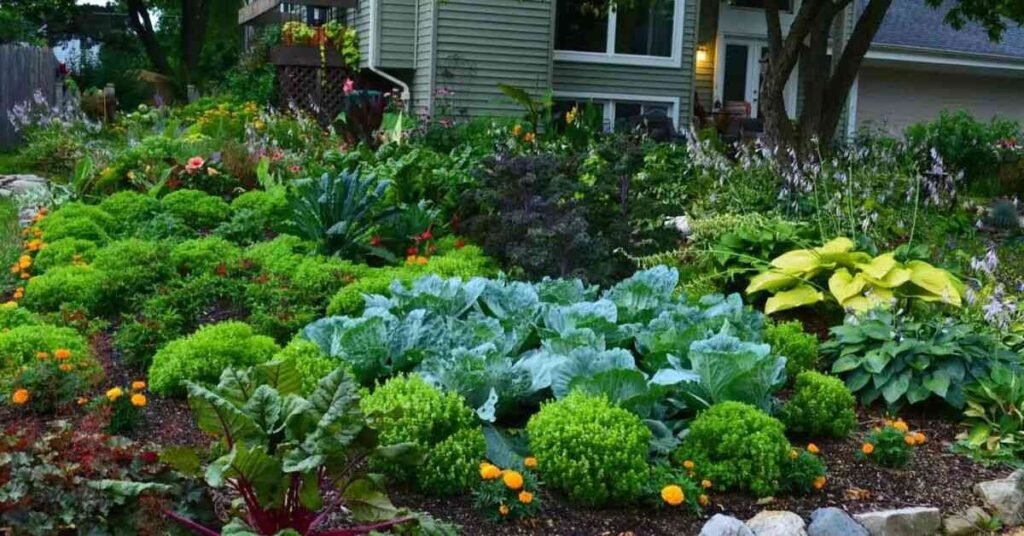
Use dense hedging with rabbit-resistant properties such as boxwood, cotoneaster, flowering quince, sweet box, or yew as a barrier to discourage rabbits from entering your yard. Create living walls that rabbits cannot penetrate easily. These hedges define spaces while providing natural protection. Your inner garden areas stay safer behind these barriers.
You can keep rabbits away from vulnerable plants by placing an herb garden near them. The strong scents from herbs confuse and deter rabbits. Plant rosemary, sage, and thyme around vegetable gardens. Mix herbs with annual flowers in containers. This companion planting strategy protects without chemicals.
In a woodland border, plant shade-loving plants that are rabbit-resistant, such as astilbe, azalea, bleeding heart, coral bells, ferns, and rhododendrons.Shade gardens need protection too. These plants thrive under trees while resisting rabbit damage. Mix textures and bloom times for season-long interest. Your shady areas become beautiful rabbit-free retreats.
Comparison Table: Rabbit Resistant Plants
| Plant Type | Examples | Growing Conditions | Why Rabbits Avoid |
| Fragrant Herbs | Lavender, Rosemary, Thyme | Full sun, well-drained soil | Strong scent overwhelms sensitive noses |
| Fuzzy Foliage | Lamb’s Ears, Lungwort | Part shade, average soil | Hairy texture uncomfortable to eat |
| Spring Bulbs | Daffodils, Alliums | Full sun to part shade | Toxic or bitter-tasting compounds |
| Flowering Perennials | Salvia, Yarrow, Coneflower | Full sun, drought-tolerant | Strong scent or bitter taste |
| Evergreen Shrubs | Boxwood, Holly, Yew | Various conditions | Leathery leaves, prickly texture |
Conclusion
Keeping rabbits out of your garden doesn’t need to be hard. With rabbit resistant plants, you can enjoy a peaceful, green space without worrying about constant damage. These plants look beautiful, smell great, and work naturally to keep your garden safe.
Start small with a few plants you love and watch how well they protect your garden. Over time, you’ll have a colorful, rabbit-free yard that’s easy to care for and full of life. Simple, natural, and effective. That’s the beauty of using rabbit resistant plants.
FAQs
1. What are rabbit resistant plants?
Rabbit resistant plants are species that rabbits dislike because of their strong smell, rough texture, or bitter taste.
2. Do rabbit resistant plants really keep rabbits away?
Yes, most of the time. Rabbits usually avoid these plants, but very hungry ones might still take a nibble.
3. Can I grow rabbit resistant plants with my vegetables?
Yes! Planting them around your vegetables can protect soft crops and reduce rabbit damage naturally.
4. Are rabbit resistant plants safe for pets and children?
Most are safe, but always check the plant type before growing if you have pets or small kids.
5. Do I need to replant rabbit resistant plants every year?
Not always. Many are perennials, which means they grow back every year with little effort.
