

Yes, pumpkins for rabbits work as an occasional treat when served properly. Rabbits can safely eat small amounts of pumpkin flesh. This orange winter squash provides vitamins and minerals that benefit your bunny. However, pumpkin contains natural sugars and carbohydrates that require careful portion control. Your rabbit’s main diet should always focus on unlimited hay and fresh leafy greens.
Many rabbit owners wonder about feeding pumpkin during fall and Halloween season. The good news is that pumpkin offers nutritional value without being toxic. The fresh, raw flesh provides hydration and nutrients. Pumpkin ranks as a safer treat choice compared to sugary fruits. Most rabbits enjoy the slightly sweet taste and soft texture.
Understanding how to serve this orange vegetable correctly prevents digestive problems. Too much pumpkin causes diarrhea, weight gain, and stomach upset. The key lies in treating pumpkin as an occasional supplement rather than a regular food. Small portions given once or twice weekly provide benefits without overwhelming your rabbit’s sensitive digestive system.
Nutritional Benefits of Pumpkin
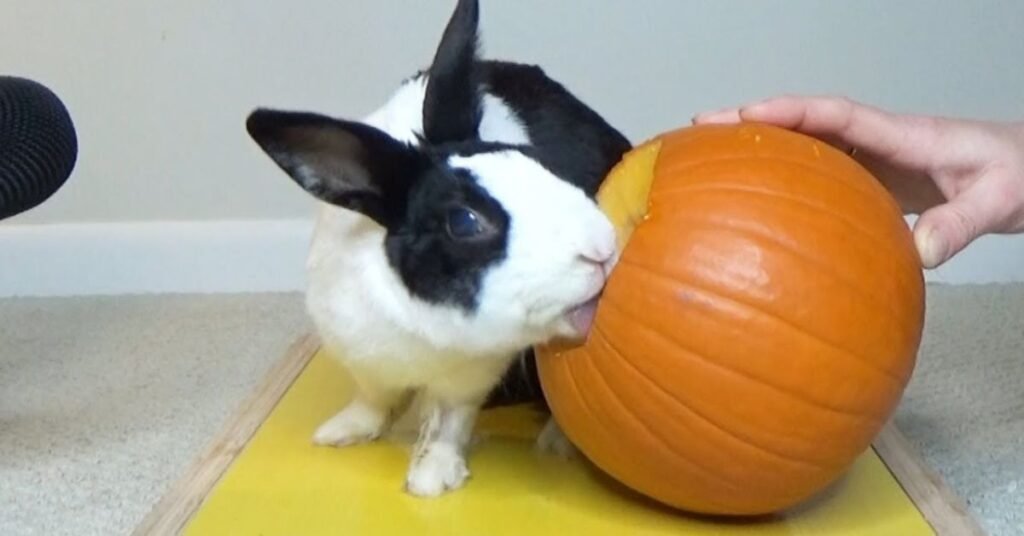
This orange squash offers impressive vitamin content that supports overall health. Pumpkin provides high levels of vitamin A through beta-carotene compounds. Rabbits need vitamin A for healthy eyesight, coat quality, and proper organ function. The body converts beta-carotene into usable vitamin A as needed. This essential vitamin supports immune system strength and reproductive health.
Vitamin C acts as an antioxidant protecting cells from damage and stress. While rabbits produce their own vitamin C, extra amounts during illness or stress help recovery. Vitamin K improves blood clotting and supports bone health. These vitamins work together promoting wellness in your bunny. The mineral content includes potassium, zinc, folate, and iron in moderate amounts.
The water content in pumpkin reaches ninety-four percent by weight. This high moisture level aids hydration, especially during warm weather. The fiber content supports digestive health when portions stay appropriate. Pumpkin contains antioxidants that protect against cell damage and aging. These nutritional benefits make this vegetable a valuable occasional treat when balanced with hay-based diets.
Understanding Pumpkin Sugar Content
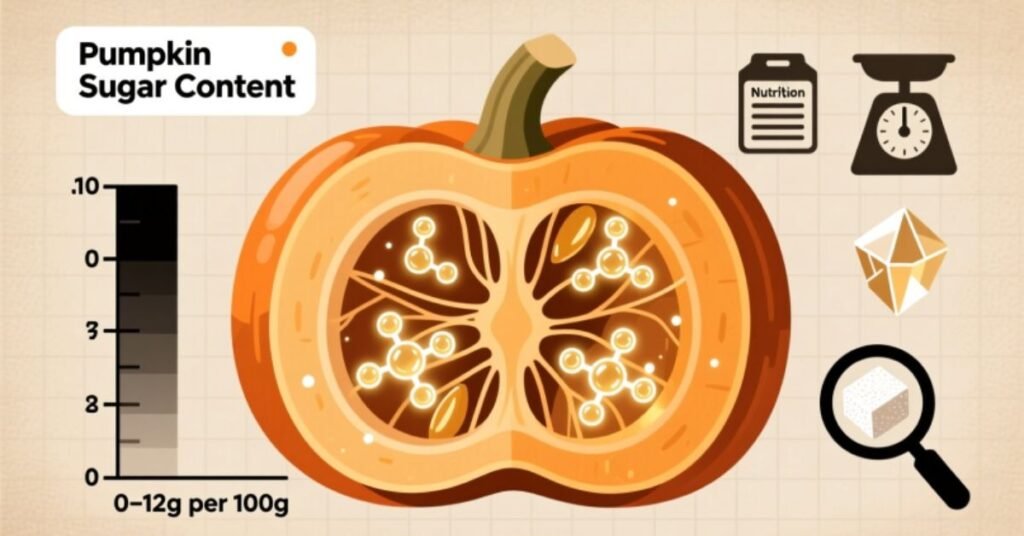
The main concern with feeding pumpkin involves natural sugar and carbohydrate levels. Pumpkin contains more sugar than rabbits typically encounter in wild grass diets. Too much sugar disrupts the delicate balance of gut bacteria. This bacterial imbalance causes digestive upset, soft stools, and reduced appetite for hay.
Excess carbohydrates contribute to weight gain and obesity in pet rabbits. Overweight rabbits face numerous health complications including heart disease and arthritis. The high carbohydrate content means pumpkin cannot serve as a daily food. Wild rabbits rarely encounter such starchy vegetables in their natural environment.
This orange squash should remain in the treat category alongside fruits. The sugar content exceeds what rabbits need for optimal health. Hay provides all the carbohydrates and energy rabbits require. Treating pumpkin as a special occasion food protects your rabbit from sugar-related health problems.
Proper Portion Sizes
The correct amount when feeding pumpkin is surprisingly small. Adult rabbits should receive one to two tablespoons of pumpkin flesh per five pounds of body weight. This tiny portion provides taste and nutrition without digestive overload. Measure portions carefully using actual tablespoons rather than estimating amounts.
Feed pumpkin only once or twice weekly at maximum frequency. Space servings several days apart allowing proper digestion between treats. Never offer pumpkin daily or multiple times in one week. Your rabbit needs time to process each serving before receiving more starchy vegetables.
Baby rabbits under six months old should never receive pumpkin or any treats. Their immature digestive systems cannot handle the complexity of pumpkin digestion. Young rabbits need primarily hay and pellets to support proper growth and development. Wait until full adulthood before introducing any pumpkin treats to prevent serious complications.
Safe Parts of Pumpkin
The flesh or meat represents the safest part to feed your bunny. Remove all seeds, stringy bits, and tough skin before serving. The soft orange flesh contains the most nutrition with lowest risks. Cut flesh into small bite-sized pieces about half an inch square. These manageable pieces prevent choking and aid digestion.
Pumpkin leaves from the plant are safe for rabbits to eat in moderation. The green leaves contain fiber and vitamins without excessive sugar. Many rabbits enjoy nibbling pumpkin leaves when available. Ensure leaves come from pesticide-free sources only. Wash leaves thoroughly before offering them to your bunny.
Avoid feeding pumpkin seeds to rabbits despite conflicting information online. Seeds pose choking hazards due to their hard texture and size. The high fat content in seeds causes digestive problems. Rabbits lack the ability to properly digest fatty foods. Remove all seeds completely before serving pumpkin flesh to your pet.
Preparing Pumpkin Safely
Select fresh, firm pumpkins without soft spots or mold growth. Organic options avoid pesticide exposure that harms sensitive systems. Wash the outside thoroughly even if removing the skin. Chemicals and dirt can transfer during cutting. Use clean knives and cutting boards to prevent bacterial contamination.
Cut open the pumpkin and scoop out all seeds and stringy internal parts. Remove the tough outer skin completely as it’s too hard for rabbits to chew. Cut the soft flesh into small cubes or thin slices. The pieces should fit easily in your rabbit’s mouth without effort.
Serve pumpkin at room temperature rather than cold from the refrigerator. Cold food can upset sensitive rabbit stomachs unnecessarily. Never cook, bake, or season pumpkin before feeding. Raw pumpkin maintains maximum nutritional value while staying safest. Discard any uneaten pumpkin after two hours to prevent spoilage.
Halloween Pumpkins and Safety
Carved Halloween pumpkins become unsafe for rabbit consumption. Pumpkins left outside collect bacteria, mold, and pest contamination. Carved surfaces dry out and deteriorate quickly. Never feed decorative pumpkins that sat outside for days or weeks.
Paint, wax, and candle residue make Halloween pumpkins toxic to rabbits. Many store-bought pumpkins receive wax coatings for longer shelf life. This wax irritates rabbit digestive systems. Candle smoke and residue from jack-o-lanterns create additional hazards. These chemicals and substances cause serious illness.
Purchase fresh pumpkins specifically for feeding purposes. Choose small pie pumpkins or mini varieties with sweeter flesh. Sugar pie pumpkins work excellently due to their dense, flavorful meat. Store fresh pumpkins in cool, dry locations until ready to use. This ensures your rabbit receives only clean, safe produce.
Signs of Overfeeding
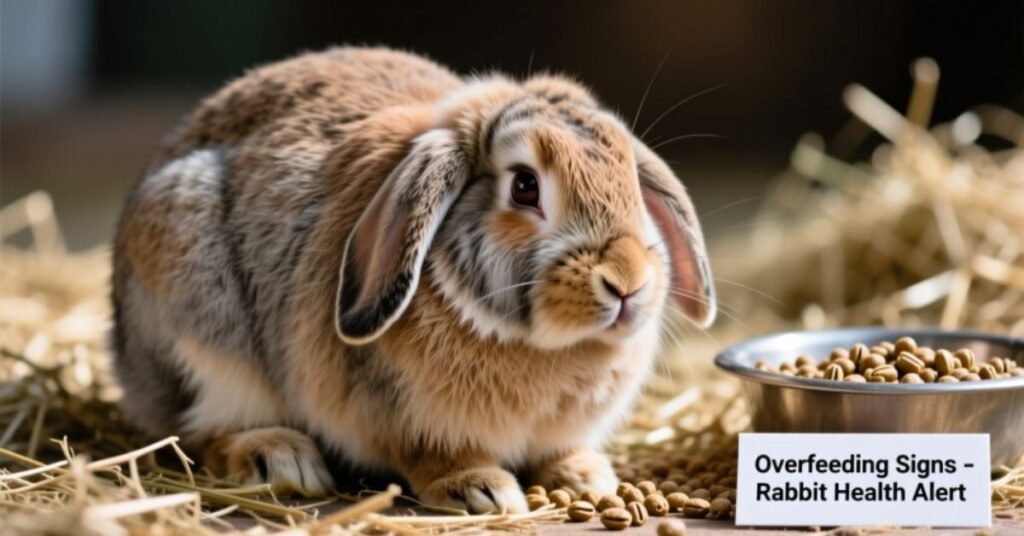
Watch carefully for digestive upset after feeding pumpkin initially. Soft or watery droppings indicate too much pumpkin or poor tolerance. Normal rabbit poops should be round, firm, and plentiful. Diarrhea requires immediate veterinary attention as rabbits dehydrate quickly.
Reduced appetite for hay signals your rabbit ate too much pumpkin. They might show less interest in their regular vegetables too. Some rabbits become lethargic or hide more than usual. A swollen or hard belly indicates gas buildup from excessive pumpkin consumption. These symptoms require removing all treats immediately.
Contact your veterinarian if problems persist beyond twenty-four hours. Serious digestive upset needs professional treatment to prevent life-threatening complications. Monitor your rabbit closely after introducing pumpkin for the first time. Stop feeding this vegetable permanently if your bunny shows consistent negative reactions.
Alternative Treats
Many vegetables work better as regular treats than pumpkin. Bell peppers provide vitamin C without high sugar content. Cucumber offers hydration during hot weather. Small amounts of carrot provide beta-carotene safely. These vegetables cause fewer digestive concerns than starchy pumpkin.
Leafy herbs make excellent daily additions to rabbit diets. Basil, cilantro, mint, and parsley provide nutrition without risks. Romaine lettuce works as a staple vegetable for daily feeding. Bok choy offers vitamins and minerals safely. Rotate several vegetables throughout the week for balanced nutrition.
Consider these alternatives when planning your rabbit’s treat schedule. Save pumpkin as a special seasonal treat rather than regular food. Your rabbit benefits more from consistently safe vegetables. Focus treats on low-sugar, high-fiber options whenever possible for better long-term health.
Feeding Table for Pumpkin
| Rabbit Weight | Pumpkin Amount | Frequency | Best Type | Avoid |
| Under 6 months | None | Never | N/A | All pumpkin |
| 2-3 lbs | 1 tablespoon | 1-2x weekly | Raw flesh only | Seeds, skin |
| 4-6 lbs | 1-2 tablespoons | 1-2x weekly | Fresh pie pumpkin | Cooked, seasoned |
| 7-10 lbs | 2 tablespoons | 1-2x weekly | Organic preferred | Halloween pumpkins |
| Over 10 lbs | 2-3 tablespoons | 1-2x weekly | Sugar pie variety | Canned pumpkin |
Conclusion
Pumpkin can be a nice little treat when offered in the right amount. It adds variety to your bunny’s diet and offers gentle health benefits without causing harm.
Always remember that hay, greens, and water should be the main part of your rabbit’s meals. Treats like pumpkin are best kept occasional. A small portion now and then keeps your rabbit healthy and happy and lets you share a little seasonal joy together.
FAQs
1. Can rabbits eat pumpkin?
Yes, they can enjoy a small amount as an occasional treat.
2. Is pumpkin safe for baby bunnies?
It’s better to avoid it for young rabbits since their stomachs are sensitive.
3. Can rabbits eat pumpkin seeds or skin?
No, only the soft, fresh flesh should be given — not the hard skin or seeds.
4. How much pumpkin is okay to feed?
A spoonful once or twice a week is enough for most adult rabbits.
5. Does pumpkin offer any benefits?
Yes, it provides fiber and vitamins that help digestion when fed in moderation.
