

Introduction
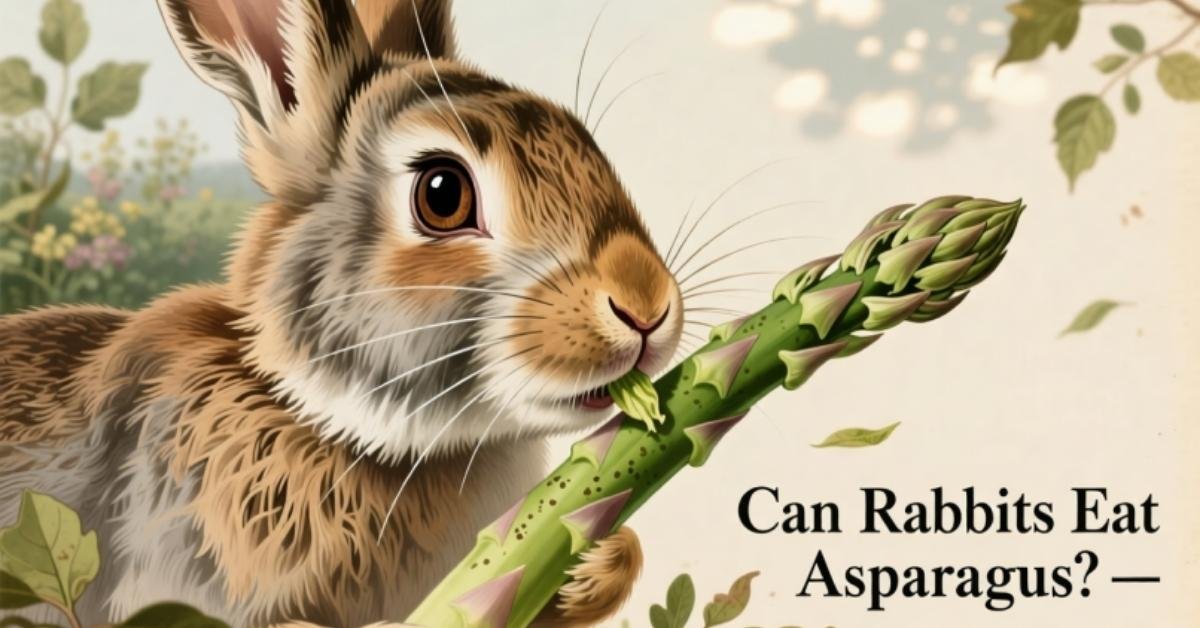
Asparagus is a crunchy green vegetable that many rabbits enjoy. It is safe for rabbits to eat in small amounts, but it should never replace their main food, which is fresh hay. Understanding how much asparagus to feed is important for your rabbit’s health.
Many rabbit owners wonder if asparagus is healthy or if it may cause stomach problems. This question often comes up because rabbits have sensitive digestive systems. Knowing the right way to serve asparagus can help you avoid any risks.
In this topic, you will learn how asparagus benefits rabbits, how much they can safely eat, and what to watch for after feeding. This simple guide helps you make better feeding choices for your bunny.
Is Asparagus Safe for Rabbits?
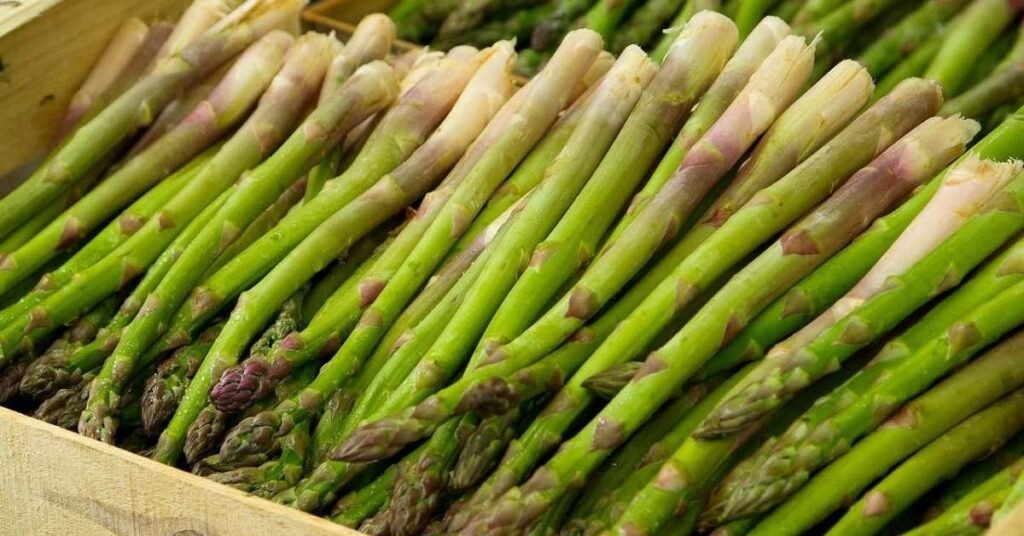
Asparagus is generally safe for rabbits when given in small amounts. It contains vitamins and water that can support a rabbit’s health. However, it should only be a treat, not a main food source.
Some rabbits may experience mild gas or soft stool if they eat too much. Start with a small piece and watch how your rabbit reacts. If they seem comfortable and active, you can offer asparagus occasionally as part of a balanced diet.
Nutritional Benefits and Key Health Advantages
Asparagus offers several useful nutrients for rabbits. It contains vitamins like A, C, and K, which support their overall health. The high water content also helps keep your rabbit hydrated. When fed in moderation, asparagus can be a light, refreshing treat.
However, rabbits still need hay as their main food, so asparagus should only be an addition. Its fiber supports digestion, but not as strongly as hay does. Understanding its nutrition helps you feed asparagus safely and avoid giving too much.
| Nutrient | Benefit for Rabbits | Notes |
| Vitamin A | Supports vision and immune health | Should be given in moderation |
| Vitamin C | Helps with tissue repair and overall wellness | Rabbits produce their own but extra is fine |
| Vitamin K | Aids in proper blood clotting | Safe in small amounts |
| Fiber | Supports digestion and gut health | Not as high as hay; only supplemental |
| Water Content | Helps keep rabbits hydrated | Too much can cause softer stool |
| Folate | Supports cell growth and development | Safe in limited portions |
| Potassium | Helps maintain normal muscle function | Good in small servings |
| Low Calories | Keeps weight stable while offering a treat | Safe for overweight rabbits in moderation |
Possible Risks and Digestive Concerns
Feeding asparagus to rabbits is generally safe, but it can still cause problems if given in large amounts. Rabbits have delicate stomachs, and any new food can upset their digestion. Some rabbits may experience soft stools, gas, or mild bloating if they eat too much asparagus at once. This usually happens because their bodies are adjusting to a new vegetable.
Another concern is the high water content in asparagus. While hydration is important, too much water-rich food can lead to diarrhea. Rabbits also require a fiber-rich diet, and asparagus does not provide enough fiber to replace hay. That is why asparagus should only be served as an occasional treat and always in moderation.
| Risk/Concern | Description | How to Avoid It |
| Digestive upset | Rabbits may develop soft stools or discomfort. | Introduce asparagus slowly and in small pieces. |
| Gas and bloating | Some rabbits react to new vegetables with gas. | Monitor your rabbit after feeding new foods. |
| Diarrhea from high water content | Too much asparagus may cause watery stools. | Offer asparagus only 1–2 times per week. |
| Low fiber compared to hay | Asparagus cannot meet daily fiber needs. | Keep hay as the main part of the diet. |
| Choking risk | Large pieces may be hard to chew properly. | Cut asparagus into small, rabbit-safe sizes. |
| Pesticide exposure | Unwashed asparagus may contain chemicals. | Wash thoroughly before serving. |
| Sudden diet change effects | Quick introduction can shock the digestive system. | Add new foods gradually over several days. |
| Overfeeding | Too much asparagus can disrupt nutrition balance. | Keep portions small—about 1–2 tablespoons. |
How to Feed Asparagus to Your Rabbit Safely
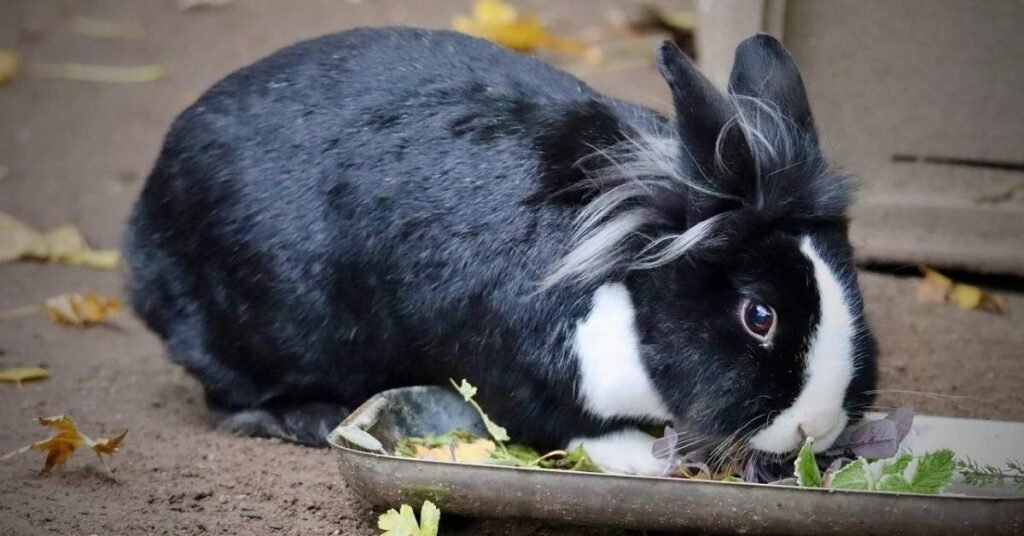
Feeding asparagus to your rabbit can be simple and safe when done the right way. Always start with a small amount, because rabbits need time to adjust to new foods. Offer one or two tiny pieces first and watch your rabbit for any changes in behavior or digestion. If everything seems normal, you can slowly increase the amount over time. Fresh, clean, and pesticide-free asparagus is always the best choice.
Preparation also matters. Wash the asparagus thoroughly and cut it into small, easy-to-chew pieces. Do not cook it, as rabbits should only eat raw vegetables. It is also important to mix asparagus with other leafy greens so your rabbit gets a well-balanced diet. Asparagus should always be a treat, not a main meal.
Safe feeding tips:
- Offer asparagus only 1–2 times a week.
- Serve raw, fresh, and washed pieces.
- Cut asparagus into small bite-sized chunks.
- Watch for soft stools or stomach upset.
- Keep hay as the main source of fiber.
Preparation Tips Before Serving
Preparing asparagus the right way helps keep your rabbit safe and comfortable. Start by choosing fresh, firm, and green asparagus. Avoid any pieces that look wilted or have a bad smell. Wash the asparagus well to remove dirt or chemicals. Cut it into small pieces so your rabbit can chew it easily. Raw asparagus is best because cooking removes nutrients and changes the texture.
Keep the serving simple and clean. Do not add salt, oil, or seasoning. Mix the asparagus with other greens to avoid upsetting your rabbit’s stomach. Introduce it slowly and watch your rabbit after feeding. If you see soft stool or unusual behavior, stop feeding it and try again later. Safe preparation helps your rabbit enjoy asparagus without any problems.
Helpful preparation tips:
- Choose fresh and bright green asparagus.
- Wash thoroughly to remove chemicals or dirt.
- Cut into small bite-sized pieces.
- Serve raw, never cooked or seasoned.
- Introduce slowly with other leafy greens.
Introducing Asparagus Into Their Diet the Right Way
Introducing asparagus to your rabbit’s diet should always be slow and gentle. Start with a very small piece to see how your rabbit reacts. Offer it once and wait 24 hours. This helps you check for any signs of stomach discomfort or soft stool. Every rabbit is different, so patience is important during this stage. If everything looks normal, you can offer a little more next time.
Once your rabbit adjusts well, you can include asparagus as part of a balanced diet. Always combine it with other leafy greens to keep meals varied and healthy. Feed asparagus only a few times a week and in small quantities. Too much can upset their digestion. Watching your rabbit’s reaction and adjusting the amount helps keep them safe and comfortable while enjoying this new treat.
Signs Your Rabbit Isn’t Handling Asparagus Well
Some rabbits may not digest asparagus easily. It is important to watch your rabbit closely after feeding this new food. If your rabbit seems uncomfortable, stop giving asparagus right away.You can learn a lot from small changes in behavior. Always pay attention, especially during the first few feedings.
You may notice clear signs that asparagus is not suitable for your rabbit. These signs usually appear within a few hours. If you see any unusual behavior, switch back to their normal diet. Contact a vet if symptoms get worse or last too long. Quick action helps keep your rabbit safe.
Common Warning Signs:
- Soft or runny stool
- Less interest in food
- Bloated or firm belly
- Lethargy or low energy
- Unusual hiding or stress
- Less poop or very small droppings
Best Alternatives if Your Rabbit Doesn’t Like Asparagus
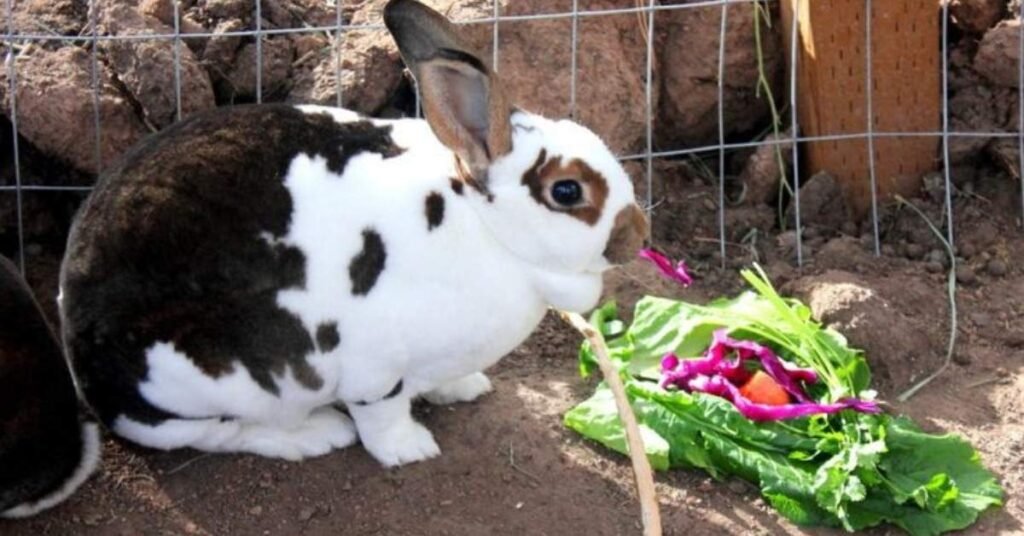
Not all rabbits enjoy asparagus. If your rabbit refuses it, you can offer other safe vegetables. This ensures they still get important nutrients for good health.
Here are some great alternatives:
- Carrots: Sweet and crunchy, rabbits love them in moderation.
- Bell Peppers: High in vitamins and safe to eat.
- Spinach: Rich in iron and other nutrients.
- Cucumber: Hydrating and easy to digest.
- Zucchini: Soft, mild, and full of vitamins.
Conclusion
Asparagus can be a healthy treat for rabbits when given in small amounts. It provides vitamins and variety to their diet.
Always introduce it slowly and watch for digestive issues. If your rabbit doesn’t like it, there are plenty of safe vegetable alternatives to keep them happy and healthy.
FAQs
1. Can rabbits eat asparagus every day?
No, asparagus should be given in small amounts as a treat, not daily.
2. Is raw asparagus safe for rabbits?
Yes, raw asparagus is safe, but wash it thoroughly and cut into small pieces.
3. Can asparagus cause digestive problems in rabbits?
Too much asparagus can cause gas or diarrhea, so feed in moderation.
4. How should I introduce asparagus to my rabbit?
Start with a small piece and watch for any signs of digestive upset.
5. What if my rabbit doesn’t like asparagus?
Offer alternatives like carrots, bell peppers, or spinach for nutrients.
