

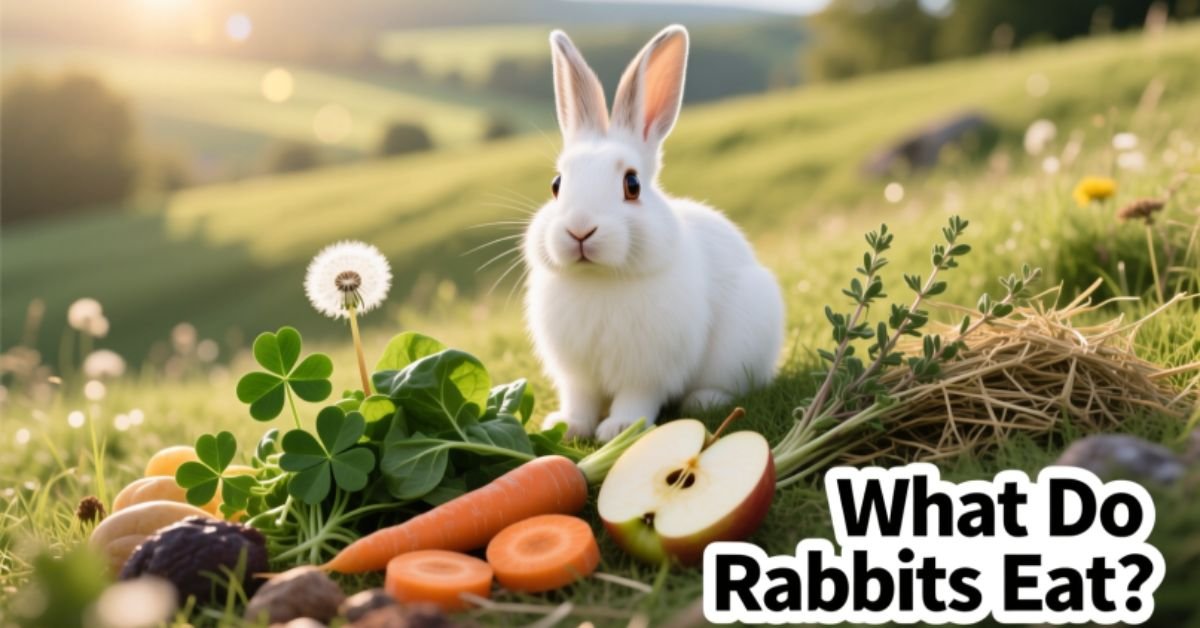
Rabbits need a balanced diet to stay healthy. Their main food is hay, which helps their digestion and keeps their teeth strong. They also eat fresh vegetables, clean water, and a small amount of pellets.
Many new rabbit owners feel confused about what to feed their pets. It can be hard to know which foods are safe and which ones should be avoided. A tiny mistake in diet can affect your rabbit’s health.
This guide explains everything you need to know about rabbit food. You will learn the safest foods, the right portions, and how to build a healthy meal plan for your bunny. This makes feeding easier and keeps your rabbit happy and active.
What Should a Rabbit Eat Daily?
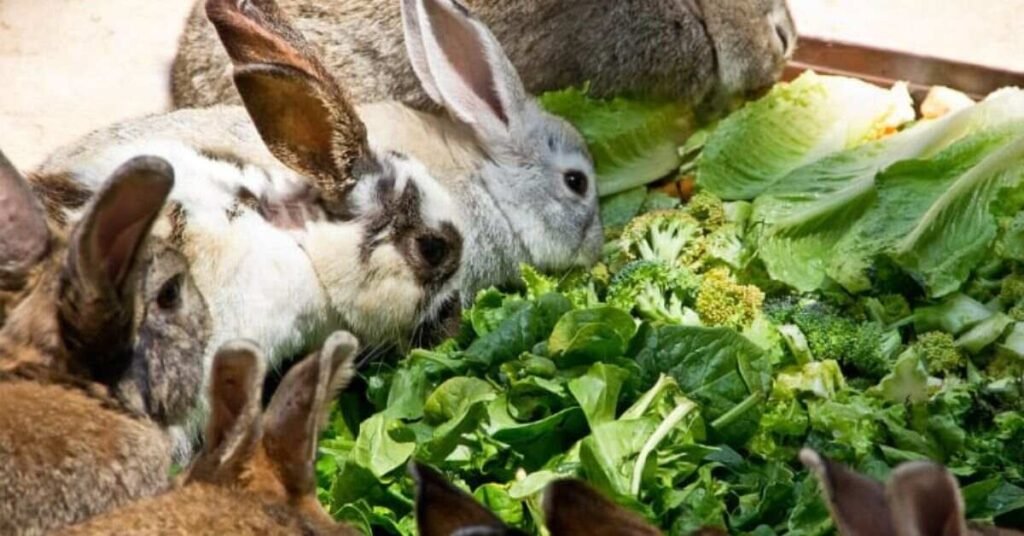
A rabbit’s daily diet should be simple and natural. Fresh hay should make up most of what they eat because it supports digestion and keeps their teeth healthy.To keep them hydrated, clean water must always be available.
Along with hay, rabbits need a small amount of leafy greens every day. You can also offer a limited portion of pellets for added nutrients. Fresh vegetables bring variety, but they should be given in moderation.Keeping your rabbit active, healthy, and happy requires a balanced daily diet.
Hay as the Main Food Source
Hay is the most important food in a rabbit’s diet. It should be available all the time so your rabbit can eat whenever it wants. Hay helps keep their teeth short and healthy. It also keeps their stomach working properly. Without hay, rabbits can face serious health problems. That is why experts say hay should make up most of a rabbit’s daily food.
There are different types of hay you can offer. Adult rabbits should eat Timothy hay.Young rabbits can also eat alfalfa, but only for a short time because it has more calcium. Mixing different hays can make meals more interesting for your rabbit. Always choose fresh and clean hay with a good smell.
Good hay options include:
- Timothy hay
- Orchard grass
- Meadow hay
- Oat hay
Pellets in the Right Amounts
Pellets are an important part of a rabbit’s diet, but they should be given in moderation. High-quality pellets provide essential vitamins and minerals that support overall health.
Feed pellets based on your rabbit’s size and weight. Too many pellets can cause obesity and digestive problems. Always provide fresh water and a balance of hay and vegetables alongside pellets for a healthy diet.
Fresh Vegetables for Balanced Nutrition
Fresh vegetables are essential for a rabbit’s health. They provide vitamins, minerals, and fiber that keep the digestive system working well. Include a variety of vegetables to give your rabbit balanced nutrition.
Here are some safe vegetables for rabbits:
- Leafy greens:Romaine, spinach, kale
- Root vegetables :Carrots (in small amounts)
- Peppers : Red, yellow, or green bell peppers
- Herbs : Parsley, cilantro, basil
- Other veggies :Zucchini, cucumber, broccoli
Healthy Extras treats for Your Rabbit
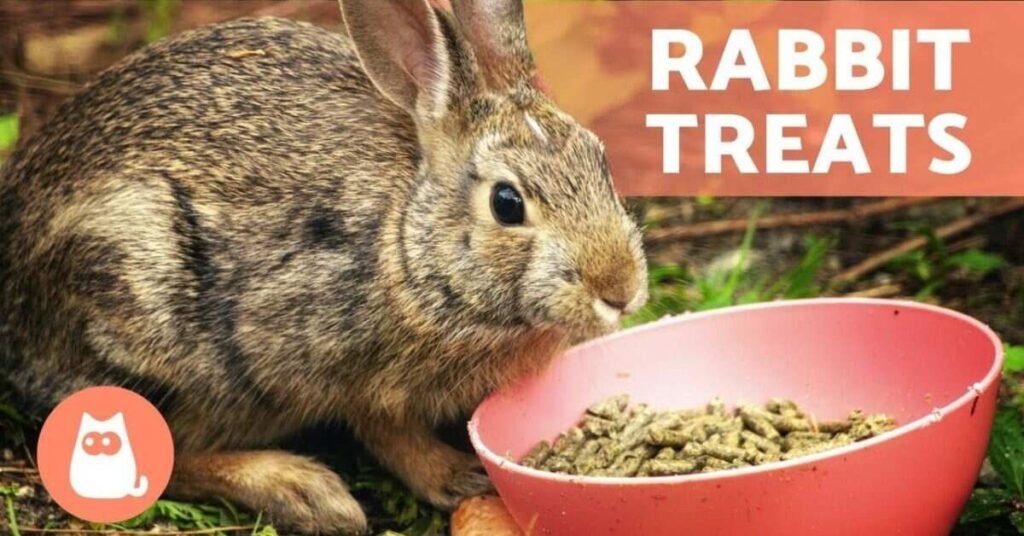
Healthy extras are treats that give your rabbit variety and enjoyment. Fruits, small amounts of herbs, and occasional safe snacks can be offered. These should never replace their main diet of hay, vegetables, and pellets.
Some healthy extras include small pieces of apple, berries, or banana. Herbs like mint or basil are also good choices. Always give treats in moderation and watch for any digestive issues to keep your rabbit happy and healthy.
Safe Fruits as Occasional Treats
Fruits are tasty treats for rabbits but should be given in small amounts. They are high in sugar, so too much can harm digestion or cause weight gain. Offer fruits occasionally to keep your rabbit healthy and happy.
Here is a guide to safe fruits for rabbits:
| Fruit | Serving Size | Notes |
| Apple | 1–2 small slices | Remove seeds before feeding |
| Banana | 1–2 small slices | Very sweet, give sparingly |
| Strawberries | 2–3 small pieces | Wash thoroughly before serving |
| Blueberries | 3–5 berries | Rich in antioxidants |
| Pear | 1–2 small slices | Remove seeds |
| Melon | 1–2 small cubes | Hydrating, low-calorie treat |
| Pineapple | 1–2 small cubes | Wash and remove skin |
| Raspberry | 2–3 berries | Small and easy to digest |
| Watermelon | 1–2 small cubes | Remove seeds, very hydrating |
| Mango | 1–2 small cubes | Remove skin and pit, give occasionally |
Foods You Should Never Feed Rabbits
Some foods are dangerous for rabbits and can cause serious health problems. Avoid giving anything toxic, high in sugar, or hard to digest. Knowing what not to feed helps keep your rabbit safe and healthy.
Here are foods to avoid:
- Chocolate : Toxic and can be deadly
- Onions and garlic : Harmful to their digestive system
- Potatoes : Hard to digest and unsafe
- Sugary or processed foods :Can cause obesity and health issues
- Avocado: Contains toxins harmful to rabbits
- Rhubarb :Highly toxic, can be fatal
- Iceberg lettuce: Causes diarrhea, low nutrition
- Seeds and pits from fruits : Can be toxic or cause blockages
Fresh Water and Essential Hydration Needs
Water is vital for a rabbit’s health. Fresh, clean water should always be available to prevent dehydration and support digestion. Rabbits may drink more during hot weather or when eating dry foods like pellets.
Here is a guide to hydration for rabbits:
| Type of Water Source | Details | Notes |
| Bowl | Wide and shallow, easy for rabbit to access | Must be cleaned and refilled daily |
| Water Bottle | Hanging bottle with sipper | Check flow regularly and clean weekly |
| Fresh Vegetables | High-water veggies like cucumber or lettuce | Supplements hydration, but not main source |
| Fruits | Occasional fruits like watermelon or melon | Small amounts, high in water content |
| Electrolyte Solution | Special rabbit-safe solutions | Only if recommended by a vet |
How to Choose the Best Food for Your Rabbit
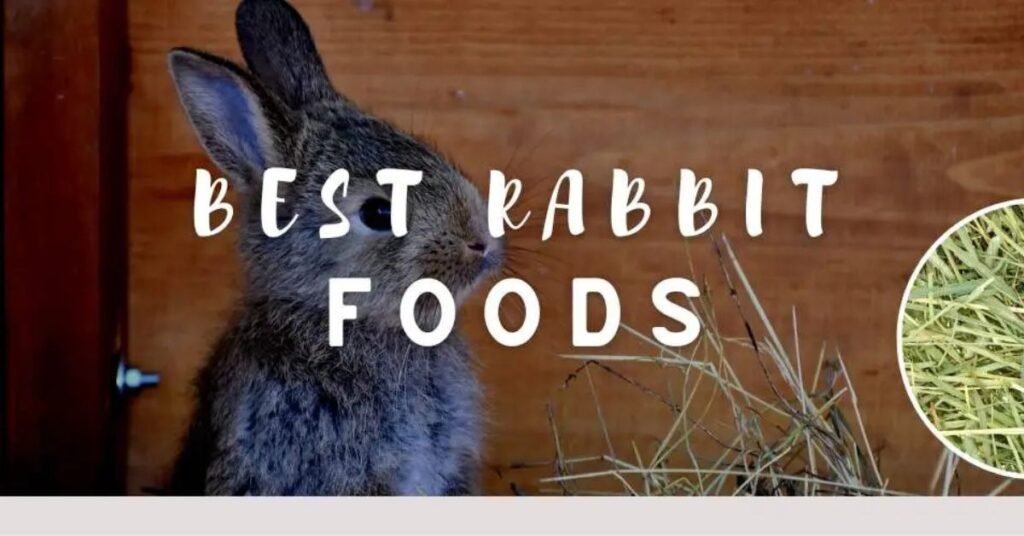
Choosing the right food is key to keeping your rabbit healthy. A balanced diet includes hay, fresh vegetables, pellets, and occasional fruits. Always provide fresh water alongside their meals.
Here are some tips for selecting the best food:
- Hay :Should be unlimited and fresh, like timothy or orchard grass
- Pellets: High-quality, given in small amounts based on weight
- Vegetables: Variety of leafy greens and safe veggies daily
- Fruits: Small portions as occasional treats
- Avoid :Sugary, processed, or toxic foods
Conclusion
A balanced diet is essential for a rabbit’s health and happiness. Hay, fresh vegetables, quality pellets, and occasional fruits provide nutrients and variety.
Always provide fresh water and avoid harmful foods. Watching your rabbit’s reactions and preferences helps maintain a healthy, happy pet. Proper feeding ensures long-term wellbeing and energy.
FAQs
1. What is the main food for rabbits?
Hay should be the main food for rabbits, provided fresh and unlimited.
2. How many vegetables should a rabbit eat daily?
Offer 1–2 cups of fresh vegetables per day, depending on size and appetite.
3. Can rabbits eat fruits every day?
No, fruits should be given occasionally in small amounts due to sugar content.
4. Are pellets necessary for rabbits?
Yes, high-quality pellets provide essential vitamins and minerals in moderation.
5. What foods are dangerous for rabbits?
Avoid chocolate, onions, potatoes, avocado, rhubarb, and processed foods.
