

Introduction
Have you ever caught your rabbit eyeing your plate of corn and wondered, “Can rabbits eat this safely?” While corn looks harmless and even healthy for us, it can actually cause serious digestive problems for rabbits. Their delicate, fiber-focused digestive system isn’t built for starchy foods like corn.
Rabbits are adorable, curious animals that often show interest in what we eat. As responsible pet owners, we want to provide treats that are safe and nutritious. Corn is a popular food for humans and livestock, so it’s natural to wonder if it’s safe for rabbits. However, rabbits have a unique digestive system that is highly specialized for processing high-fiber foods like hay and leafy greens. Understanding how corn affects rabbits is essential to keep them healthy and happy.
Understanding Rabbit Digestion
Entities: digestive tract, cecum, hindgut fermentation, GI stasis
Rabbits have a highly specialized digestive system. Unlike humans, their gut relies on hindgut fermentation in the cecum to break down fiber into nutrients. This fiber is critical for maintaining healthy gut flora and regular digestion.
When rabbits consume low-fiber, high-starch foods, it can disturb the balance of gut bacteria, causing slow digestion, gas, bloating, or even life-threatening gastrointestinal stasis (GI stasis). Therefore, feeding corn which is high in starch and low in fiber can be risky.
What Makes Corn Different From Rabbit-Safe Foods?
Entities: starch content, sugar levels, indigestible hulls
Corn is very different from what rabbits naturally eat. It is high in starch and sugar but low in fiber. Rabbits need a lot of fiber to keep their gut healthy. Too much starch can upset their digestion and cause gas or bloating. The hard outer shell of corn kernels is also hard to chew and can block their intestines However, for rabbits:
- High starch: Corn kernels contain more starch than rabbits can efficiently digest.
- Low fiber: Fiber is essential for a rabbit’s gut movement; corn lacks enough fiber.
- Hard outer hulls: Kernels can be difficult to chew and digest, risking blockages.
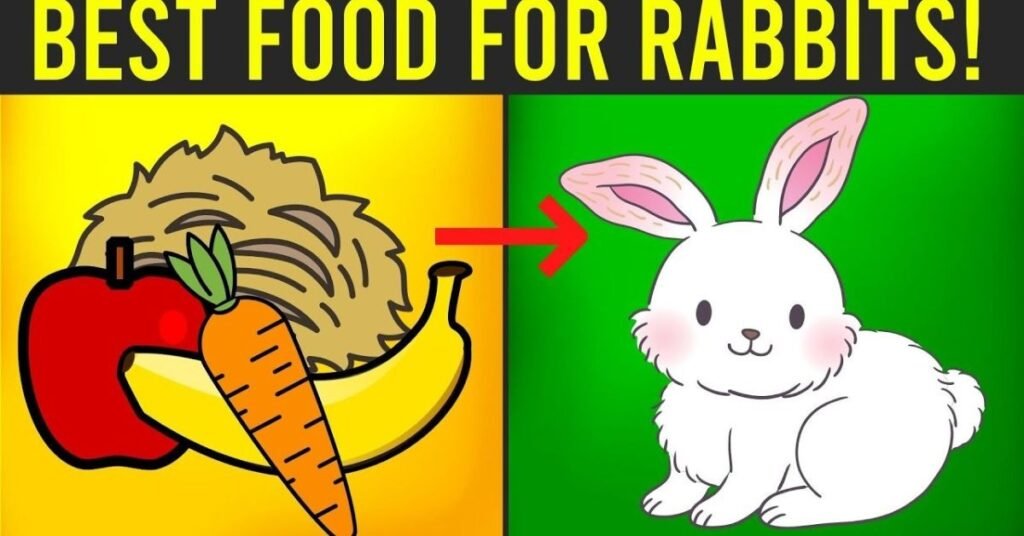
In comparison, timothy hay, leafy greens, and fresh herbs provide the fiber and nutrients rabbits need without the harmful starch load.
Can Rabbits Eat Corn?
The short answer is: No, rabbits should not eat whole corn kernels or cobs.
Why Corn Kernels Are Dangerous
- They are hard and can cause intestinal blockages.
- High starch may upset gut flora and cause diarrhea or soft stools.
- If moldy, corn can contain mycotoxins, which are toxic to rabbits.
While some parts of the corn plant like leaves and husks can be offered in small amounts, they should not replace hay or greens.
Risks of Feeding Corn to Rabbits
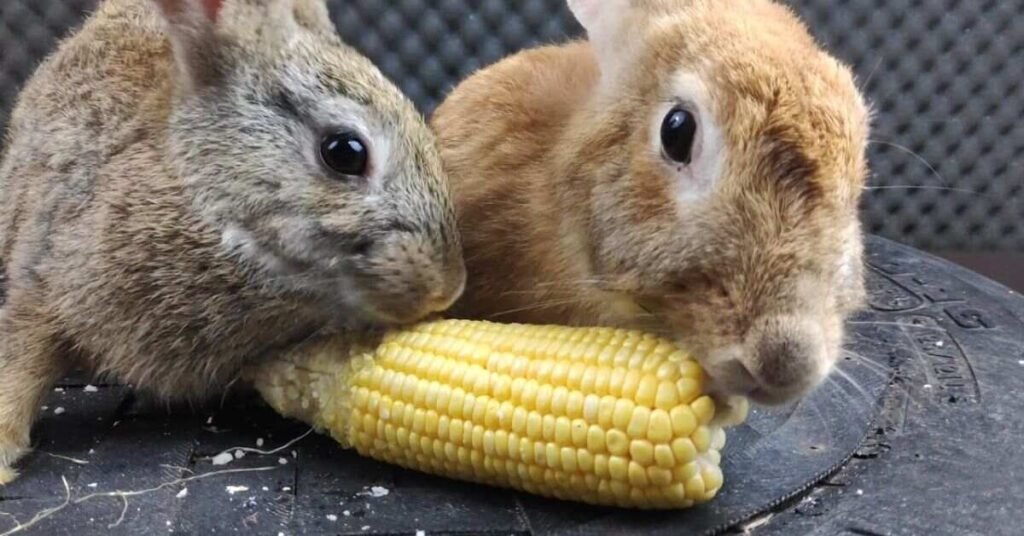
Feeding corn to rabbits can be very risky. Corn kernels and cobs are hard to digest. They can cause intestinal blockages or get stuck in the gut. The high starch in corn can also lead to gas, bloating, and soft stools. Over time, eating corn may make rabbits overweight or cause other health problems.Even small amounts of corn kernels can be risky for young, elderly, or digestive-sensitive rabbits.
Entities: intestinal blockage, obesity, colic, mold toxins
Feeding corn to rabbits can cause several health issues:
- Digestive blockages: Hard kernels or cobs may get stuck in the intestine.
- Gas and bloating: Starch fermentation can produce gas, causing discomfort.
- Obesity and metabolic issues: Corn is calorie-dense; overfeeding can lead to weight gain.
- Fungal contamination: Dried or old corn may contain mold, leading to toxicity.
Are Any Parts of the Corn Plant Safe?
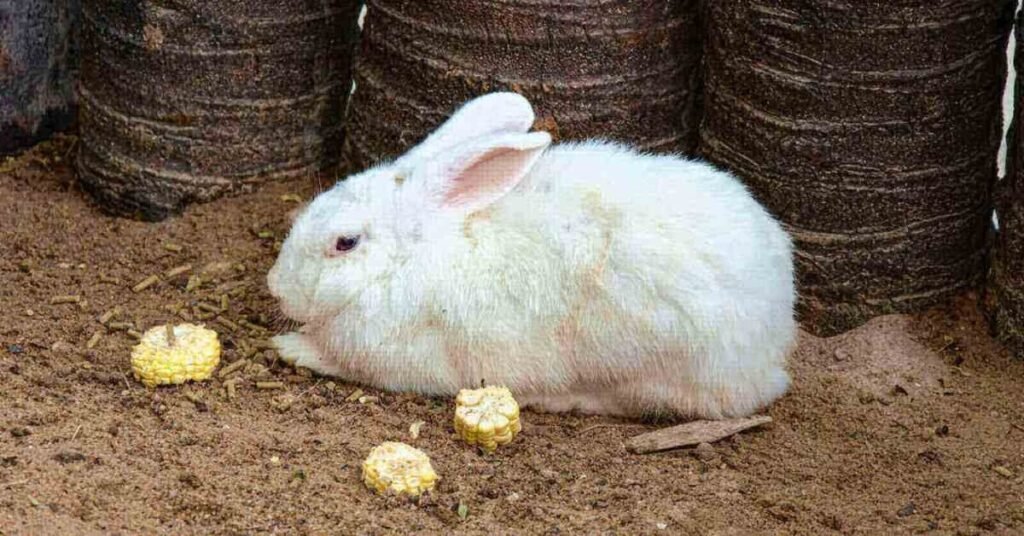
Not all parts of the corn plant are harmful. Corn leaves can be given to rabbits in small amounts. They are fibrous and low in nutrients but safe to chew. Corn husks are also safe if they are clean and free from pesticides. Corn silk can be offered occasionally, but it does not provide much nutrition.
Entities: corn husk, corn leaves, corn silk
While kernels are unsafe, some parts of the corn plant can be offered safely:
- Corn leaves: Fresh, pesticide-free leaves can be given occasionally. They have low nutritional value but are fibrous.
- Corn husks: Can be used as occasional chew treats if cleaned thoroughly.
- Corn silk: Non-toxic but offers minimal nutrients.
Avoid: corn cobs, dried corn, sweetcorn, or cooked corn.
Why Many Commercial Rabbit Feeds Avoid Corn
Most high-quality rabbit feeds do not include corn. Corn is high in starch and low in fiber, which is not good for a rabbit’s digestion. Rabbits may eat the corn pieces first and leave the healthy parts behind. This can cause an unbalanced diet and lead to health problems.
Feed companies focus on fiber-rich ingredients like timothy hay pellets. These support a rabbit’s gut health and prevent digestive issues. Avoiding corn helps keep rabbits healthy and ensures they get the right nutrition from their food.
High-quality rabbit pellets avoid corn because:
- Rabbits tend to pick out corn kernels first, consuming high-starch pieces.
- Corn disrupts balanced pellet nutrition and digestive health.
- Selective feeding can lead to nutrient deficiencies.
Always read the ingredients of commercial rabbit food and choose brands that focus on fiber-rich hay-based pellets without corn or seeds.
Healthy Alternatives to Corn for Rabbits
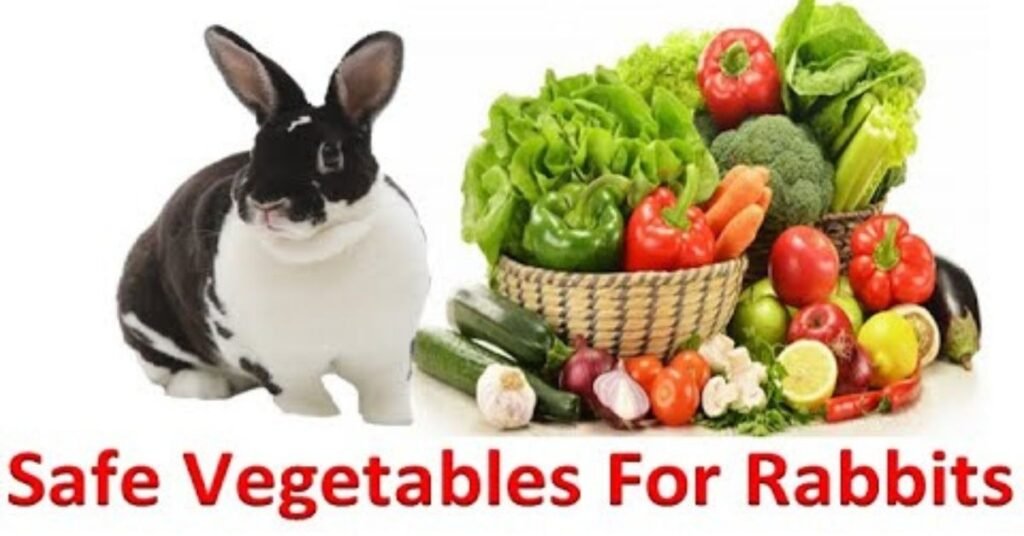
Instead of corn, rabbits should eat leafy greens, herbs, and hay. Leafy greens like romaine lettuce, bok choy, parsley, cilantro, and kale are safe in moderation. Herbs such as basil, mint, dill, and coriander add flavor and nutrients. Hay, including timothy, orchard, or oat hay, is essential for digestion and should be available all the time.
| Category | Examples | Notes |
| Leafy Greens | Romaine lettuce, bok choy, cilantro, parsley, kale | Feed in moderation |
| Herbs | Basil, mint, dill, coriander | Adds flavor and nutrition |
| Hay | Timothy hay, orchard grass, oat hay | Essential for digestion, unlimited supply |
| Other Treats | Carrot tops, zucchini, cucumber slices | Small portions only |
How to Introduce New Foods Safely
Introduce any new food slowly to avoid digestive upset:
- Feed one new food at a time for 3–5 days.
- Observe soft stools, gas, bloating, or lethargy.
- If any negative reaction occurs, stop feeding and return to a hay-only diet until normal digestion returns.
This careful approach reduces the risk of GI stasis and keeps rabbits healthy.
Signs Your Rabbit Didn’t Tolerate a Food Well
Rabbits may show clear signs if a food does not agree with them. Look for smaller or fewer droppings than usual. Soft or sticky stools and diarrhea are also warning signs. Gas, bloating, or discomfort may make your rabbit restless or less active.Other signs include reduced appetite or lethargy. If your rabbit shows any of these symptoms, stop feeding the new food immediately.
| Sign | Description / What to Watch For |
| Decreased droppings | Fewer or smaller fecal pellets than normal |
| Soft or sticky stools | Loose stools or diarrhea after new foods |
| Gas and bloating | Swollen belly, discomfort, or restless behavior |
| Reduced appetite | Eating less than usual |
| Lethargy | Less active, tired, or weak |
Expert-Backed Rabbit Diet Summary
A healthy rabbit diet is mostly hay. Rabbits should have unlimited hay every day. It keeps their gut moving and teeth healthy. Fresh vegetables like leafy greens and safe herbs should be offered daily. Fiber-rich pellets can be added in small amounts to complete their nutrition. Fresh water must always be available.
Entities: daily hay requirement, fresh greens, fiber-rich pellets, fresh water
A healthy rabbit diet includes:
- Unlimited hay: The foundation of every meal.
- Fresh vegetables: 1–2 cups per 2 lbs of body weight daily.
- Fiber-rich pellets: Small portion to complement hay.
- Fresh water: Clean and replenished daily.
- Avoid high-starch foods: Corn, potatoes, peas, and sweetcorn.
Final Thoughts
Feeding corn to rabbits is not recommended due to its high starch content, low fiber, and digestive risks. Whole kernels, sweetcorn, or dried corn can cause blockages, gas, and obesity. Even though some parts of the corn plant, like leaves and husks, may be offered in moderation, they provide minimal nutrition and should never replace hay or greens. Choosing the right foods, such as leafy vegetables, herbs, and high-quality hay, will maintain a rabbit’s digestive health and overall wellbeing.
By understanding the dangers of corn and prioritizing fiber-rich foods, rabbit owners can prevent gastrointestinal problems and ensure their pets live a healthy, happy life. Always introduce new foods gradually and monitor for any signs of digestive upset. A careful diet plan not only supports physical health but also keeps your rabbit active, playful, and thriving.
FAQs
Q1: Can rabbits eat baby corn?
A: No, baby corn is still high in starch and not suitable for rabbits. Even small amounts can upset their digestion and cause soft stools. It’s best to stick to leafy greens and hay.
Q2: Are corn husks safe for rabbits?
A: Yes, fresh, pesticide-free corn husks can be offered occasionally as a chew treat. They provide fiber and a safe way to satisfy chewing instincts, but they should not replace hay or vegetables.
Q3: What happens if my rabbit ate corn accidentally?
A: Small accidental bites usually do not cause serious harm. However, watch for signs like bloating, diarrhea, soft stools, or reduced droppings. If symptoms appear, return to hay-only diet and monitor closely.
Q4: Why do some rabbit feeds contain corn?
A: Low-quality pellets may include corn for bulk, flavor, or color. These pellets are not suitable for proper digestion and can cause health issues. Always choose fiber-rich, corn-free pellets for your rabbit.
Q5: Can wild rabbits eat corn plants?
A: Wild rabbits may nibble on corn leaves or silk, but they rarely eat kernels or cobs. Their digestive systems are sensitive to starch, and corn kernels can cause blockages or digestive upset.
