

Introduction
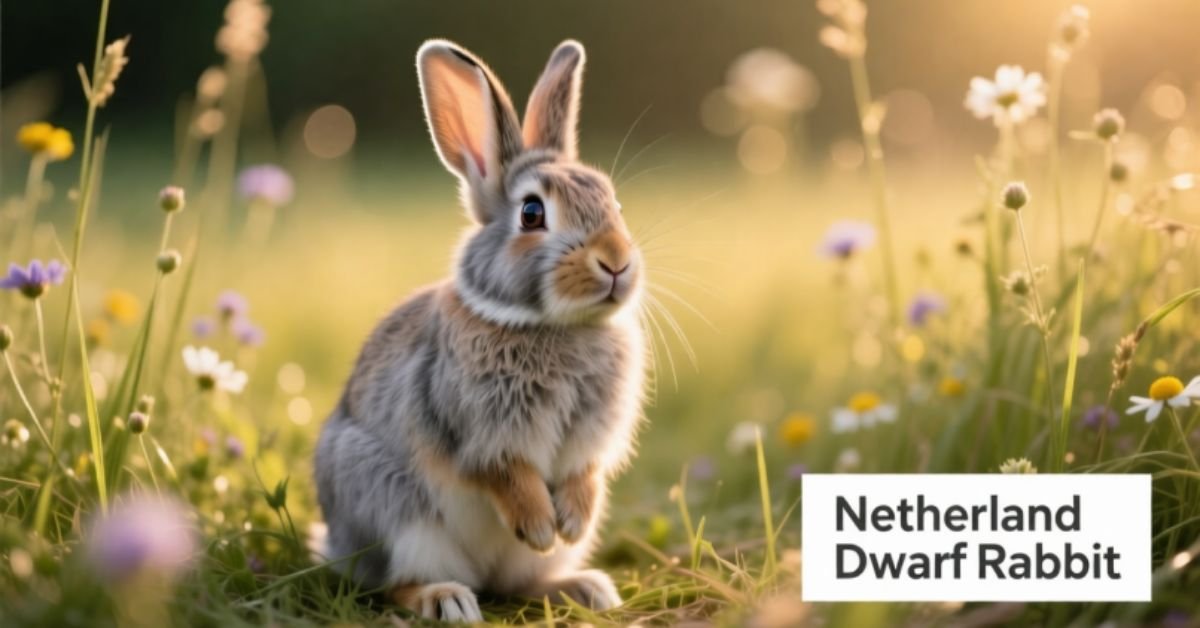
The Netherland Dwarf rabbit is a tiny and cute breed known for its small body and round face. It is one of the smallest rabbits kept as pets, and people love it for its sweet and gentle look.
If you want a pet that is easy to handle and fun to watch, this little rabbit can be the perfect choice. Its playful nature and charming behavior make it a favorite for many new owners.
This guide will help you understand how to care for a Netherland Dwarf rabbit in simple and easy steps. You will learn about its diet, housing, grooming, and behavior to keep your new pet happy and healthy.
Breed History and Key Features
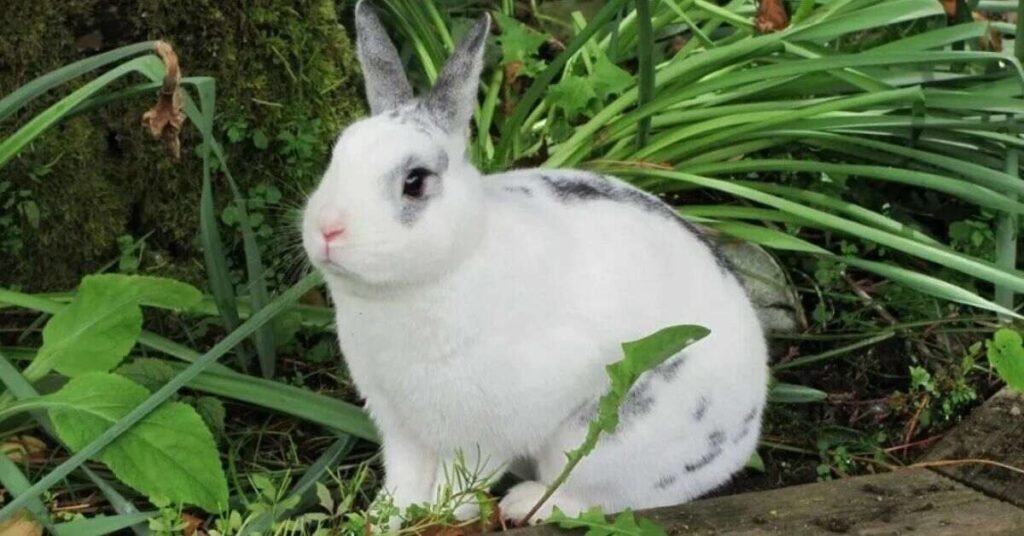
The Netherland Dwarf rabbit was developed in the Netherlands in the early 20th century. Breeders aimed to create a very small rabbit with a cute face and compact body. The breed later gained popularity worldwide because of its tiny size and charming look.
This rabbit is known for its round head and short ears. It has an active and alert nature. Many owners love it for its playful behavior and variety of coat colors.
| Feature | Details |
| Origin | Netherlands |
| Breed Type | Small domestic rabbit |
| Average Weight | 0.8 to 1.2 kg |
| Body Shape | Compact and rounded |
| Head Shape | Large and round |
| Ear Length | Short and upright |
| Coat Type | Short and soft |
| Common Colors | White, black, gray, brown, mixed |
| Personality | Active, curious, playful |
| Lifespan | 7 to 10 years |
| Suitable For | Families, individuals, beginners |
| Maintenance Level | Low to moderate |
Temperament and Care Needs
The Netherland Dwarf rabbit is active and alert by nature. It can be shy at first but becomes friendly with gentle handling. This rabbit enjoys playtime and likes a calm and loving environment.
Proper care is important to keep this rabbit healthy and happy. It needs fresh food, clean water, and a safe living space. Regular grooming and daily interaction help build trust and reduce stress.
| Care Aspect | Details |
| Temperament | Active, curious, sometimes shy |
| Friendliness | Improves with regular handling |
| Energy Level | High |
| Social Needs | Enjoys gentle interaction |
| Diet | Hay, fresh vegetables, small amount of pellets |
| Water | Fresh and clean at all times |
| Housing | Clean, spacious, and safe enclosure |
| Grooming | Light brushing once or twice a week |
| Exercise | Daily free movement time |
| Training | Can learn simple habits |
| Noise Tolerance | Prefers quiet spaces |
| Climate | Moderate temperature environment |
| Care Level | Moderate |
| Best For | Patient and caring owners |
Diet and Daily Routine
A healthy diet is very important for a Netherland Dwarf rabbit. Fresh hay should make up most of its daily food. Clean water must always be available to keep it active and hydrated.
A daily routine helps the rabbit feel safe and comfortable. Feeding should happen at the same time each day. Regular playtime and rest keep the rabbit happy and reduce stress.
| Daily Need | Details |
| Main Food | Fresh hay all day |
| Pellets | Small portion once daily |
| Fresh Vegetables | Leafy greens in moderate amount |
| Fruits | Rare treats only |
| Water | Fresh and clean at all times |
| Feeding Time | Same time each day |
| Morning Routine | Fresh food and water check |
| Afternoon Activity | Light play or exercise |
| Evening Routine | Feeding and calm interaction |
| Exercise Time | At least 1 to 2 hours daily |
| Rest Time | Quiet and comfortable space |
| Treat Frequency | 1 to 2 times per week |
| Food to Avoid | Sugary and processed foods |
| Routine Importance | Builds comfort and trust |
| Care Level | Easy with consistency |
Living Space for Netherland Dwarf Rabbits
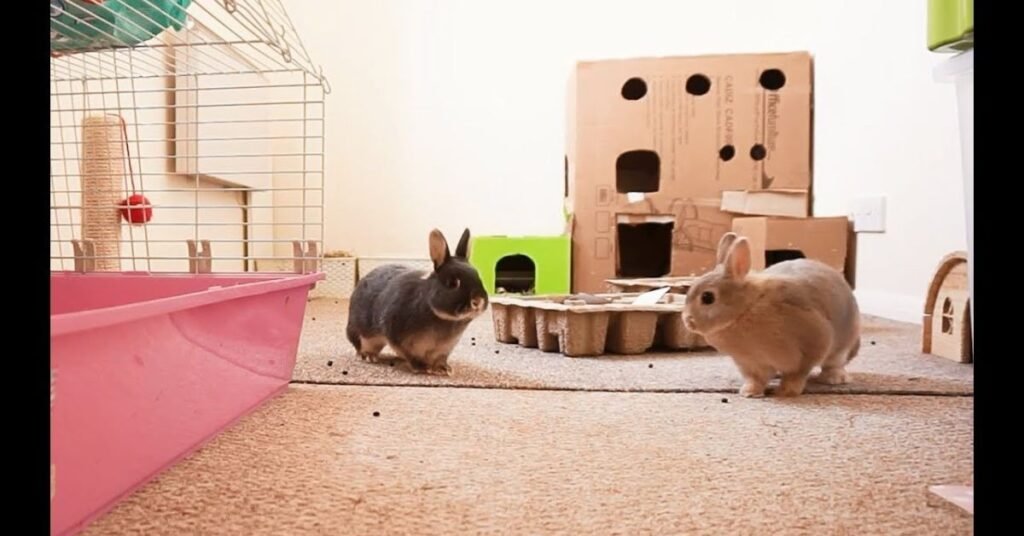
A safe and clean living space is very important for a Netherland Dwarf rabbit. The area should be quiet and away from loud noise. Enough space helps the rabbit move freely and stay active.
The living space must be comfortable and secure. It should protect the rabbit from extreme heat and cold. Regular cleaning keeps the area fresh and healthy.
- Spacious cage or indoor pen
- Soft and dry bedding
- Good airflow and light
- Safe hiding spot
- Easy access to food and water
- Cleaned regularly
Grooming
Regular grooming helps keep a Netherland Dwarf rabbit clean and comfortable. Its short coat is easy to care for and does not need daily brushing. Gentle grooming also helps reduce loose hair and keeps the skin healthy.
Grooming time is a good chance to check the rabbit’s health. Nails, ears, and teeth should be checked often. Calm handling makes grooming easier for both the rabbit and the owner.
- Brush once or twice a week
- Trim nails when they grow long
- Check ears for dirt or wax
- Watch teeth for proper length
- Keep fur dry and clean
Housing Requirements
A Netherland Dwarf rabbit needs a safe and comfortable home. The space should be clean, dry, and well-ventilated. Enough room is needed for moving, stretching, and resting.
The housing area should protect the rabbit from heat and cold. Soft bedding makes the space cozy and prevents sore feet. Regular cleaning helps keep the rabbit healthy and stress-free.
Health and Ownership for Netherland Dwarf Rabbits
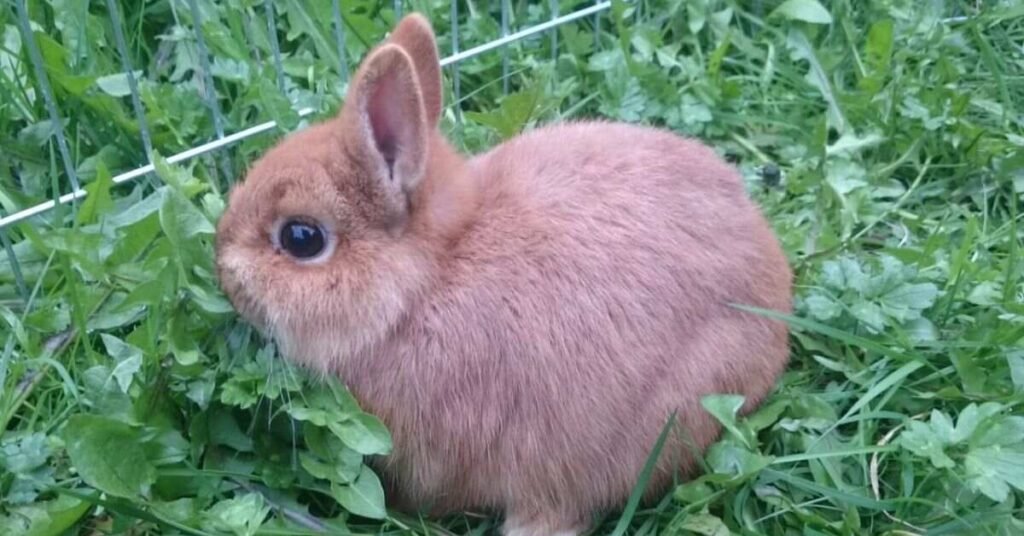
Good health is important for a happy Netherland Dwarf rabbit. Regular checkups help prevent common problems. Clean food, fresh water, and a calm home support long-term wellness.
Owning this rabbit needs time and care. Daily attention builds trust and reduces stress. Responsible ownership means watching behavior and acting early if something seems wrong.
| Health and Ownership Aspect | Details |
| Average Lifespan | 7 to 10 years |
| Common Health Issues | Dental problems, digestive issues |
| Vet Checkups | Once or twice a year |
| Vaccinations | As recommended by a vet |
| Signs of Good Health | Active, bright eyes, healthy appetite |
| Warning Signs | Loss of appetite, low energy |
| Daily Care Time | 30 to 60 minutes |
| Handling | Gentle and calm |
| Cleanliness | Regular cage cleaning |
| Diet Impact | Strong effect on health |
| Stress Management | Quiet and safe environment |
| Exercise Need | Daily movement time |
| Ownership Level | Moderate responsibility |
| Suitable Owners | Patient and caring people |
| Long-Term Commitment | High |
Common Health Concerns
Netherland Dwarf rabbits can face some health problems if not cared for properly. Their small size makes them sensitive to poor diet and stress. Regular observation helps catch problems early.
Most health issues can be managed with good care and quick action. Clean housing, proper food, and vet visits are very important. Owners should always watch for changes in behavior or eating habits.
- Dental problems from overgrown teeth
- Digestive issues caused by poor diet
- Weight loss or sudden weakness
- Runny eyes or nose
- Ear infections
- Loss of appetite or low energy
Conclusion
The Netherland Dwarf rabbit is a small and lovable pet. It is known for its cute looks and playful nature. With the right care, it can be a joyful companion.
Owning this rabbit needs patience and daily attention. A healthy diet and safe home make a big difference. Proper care helps the rabbit live a happy and comfortable life.
FAQs
1. Is a Netherland Dwarf rabbit good for beginners?
Yes, it can be a good choice for beginners with gentle handling and proper care.
2. How long does a Netherland Dwarf rabbit live?
It usually lives between 7 to 10 years with good care.
3. Can Netherland Dwarf rabbits live indoors?
Yes, they do very well as indoor pets in a safe and quiet space.
4. What do Netherland Dwarf rabbits eat daily?
They eat mostly fresh hay, vegetables, and a small amount of pellets.
5. Are Netherland Dwarf rabbits friendly?
They can be shy at first but become friendly with time.
