

Introduction
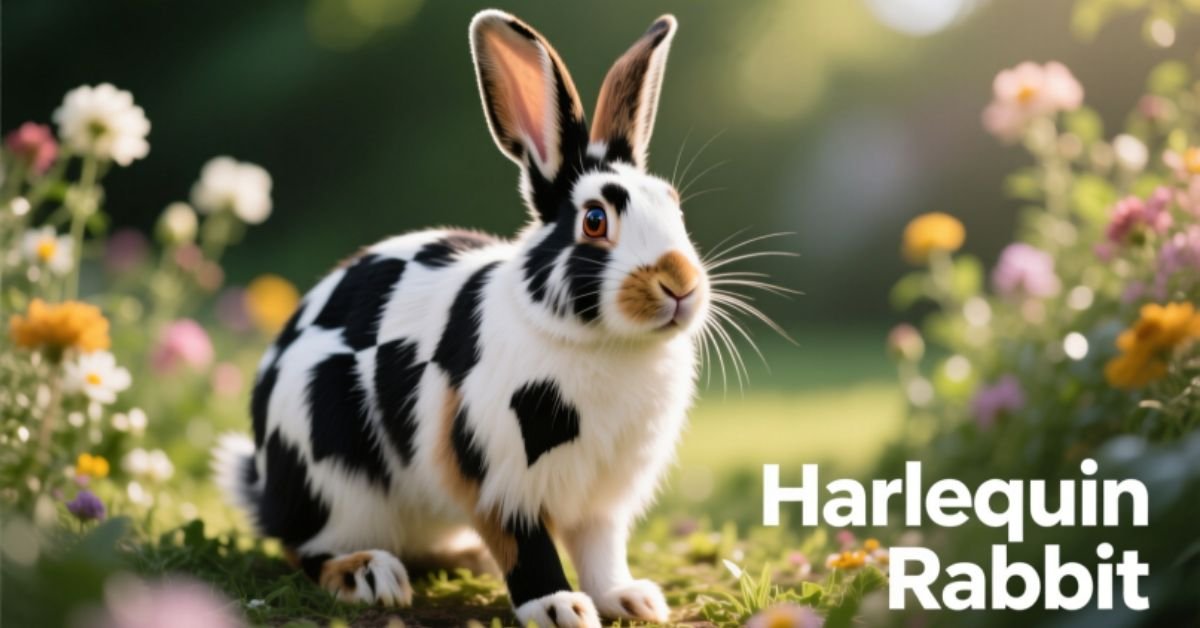
The Harlequin rabbit is a unique and colorful breed known for its striking coat patterns. It is medium-sized and friendly, making it a popular pet choice. People love it for its playful personality and charming look.
If you are looking for a lively and beautiful pet, the Harlequin rabbit can be a perfect choice. Its playful nature and curious behavior make it fun to watch and interact with. Many first-time rabbit owners enjoy having this breed at home.
In this guide, you will learn everything you need to care for a Harlequin rabbit. From feeding and housing to grooming and health tips, all important information is included. This will help you keep your rabbit happy and healthy.
Species and Key Features
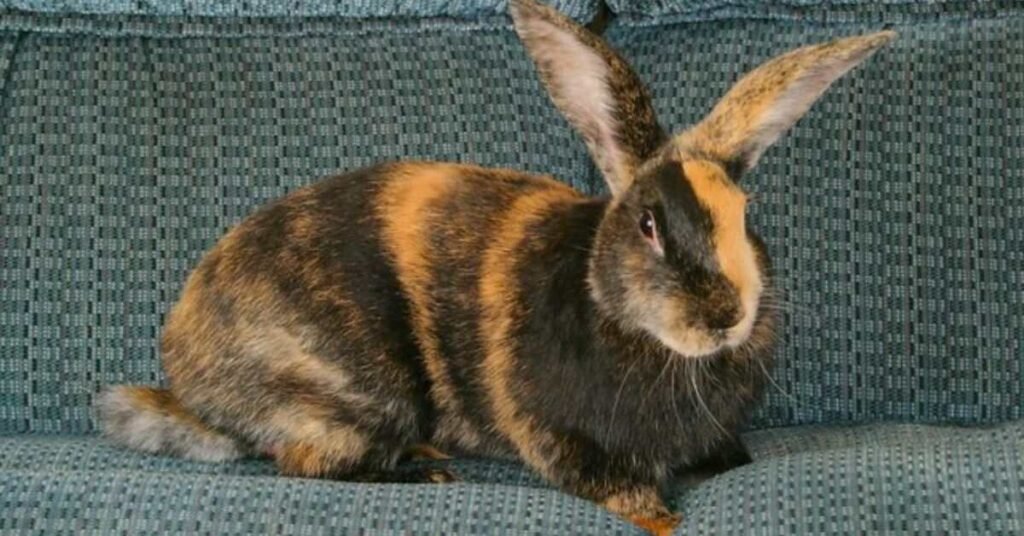
The Harlequin rabbit is a medium-sized breed with a unique and colorful coat. Its playful and friendly nature makes it a popular pet. This rabbit is active and enjoys interacting with its owners. Its striking appearance makes it stand out among other breeds.
Harlequin rabbits have several distinct features that make them special. They are alert, curious, and easy to recognize due to their pattern. Regular care and attention help maintain their health and happiness.
| Feature | Details |
| Breed Type | Medium-sized domestic rabbit |
| Origin | France and Belgium |
| Average Weight | 2.5 to 3.5 kg |
| Body Shape | Rounded and muscular |
| Head Shape | Moderately rounded |
| Ear Length | Medium, upright |
| Coat Type | Short, smooth, glossy |
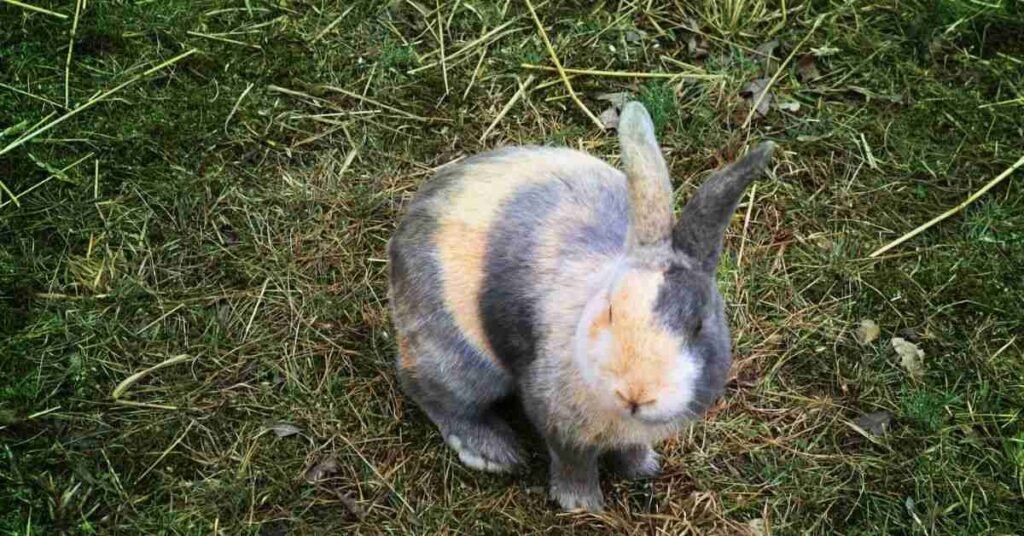
| Coat Colors | Orange and black, gray and white, other combinations |
| Pattern | Distinctive Harlequin markings |
| Personality | Active, playful, friendly |
| Lifespan | 5 to 8 years |
| Suitable For | Families, beginner owners, rabbit lovers |
| Care Level | Moderate |
| Exercise Need | Daily activity recommended |
| Health Needs | Regular vet checkups, balanced diet |
Behavior and Temperament
Harlequin rabbits are friendly and curious by nature. They enjoy exploring their surroundings and playing with toys. They can be shy at first but warm up with gentle handling. These rabbits are social and often bond closely with their owners.
Understanding their behavior helps keep them happy and healthy. Regular interaction and mental stimulation reduce stress. They respond well to calm voices and positive reinforcement.
| Behavior Aspect | Details |
| Temperament | Friendly, curious, playful |
| Social Needs | Enjoys interaction with humans and other rabbits |
| Shyness | May be cautious at first |
| Activity Level | High; needs daily exercise |
| Playfulness | Loves toys and games |
| Bonding | Forms strong attachment to owners |
| Handling | Gentle and calm handling recommended |
| Stress Signs | Hiding, teeth grinding, reduced appetite |
| Communication | Uses body language and soft sounds |
| Interaction Tips | Positive reinforcement and patience |
| Suitability | Great for families and first-time owners |
| Response to Training | Can learn simple habits |
| Alertness | Very aware of surroundings |
| Night Activity | Active in early morning and evening |
| Mental Stimulation | Toys, tunnels, and safe exploration |
Personality Traits
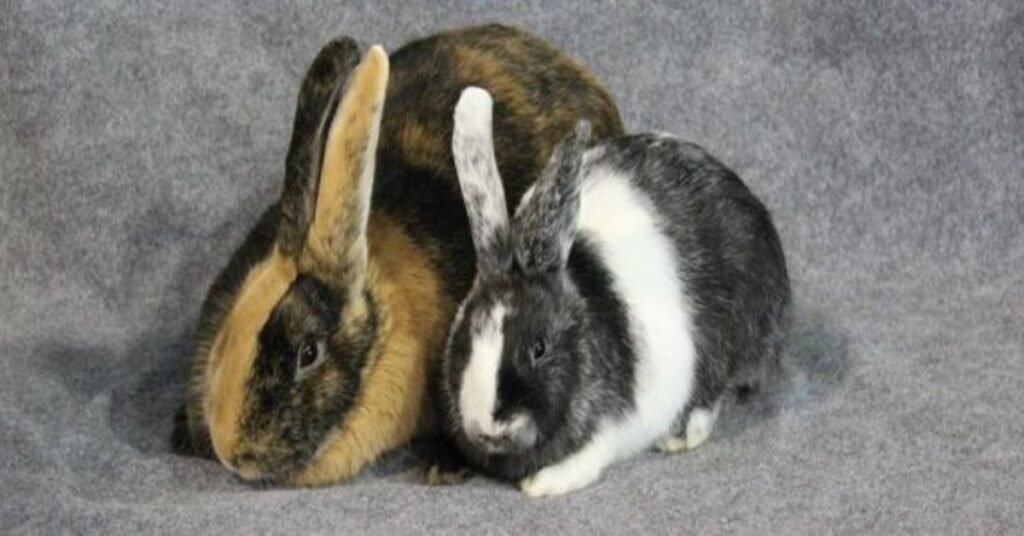
Harlequin rabbits are lively and curious animals. They love to explore their surroundings and enjoy playtime. Their owners can form strong bonds with them because they are gentle with people.
These rabbits also have a playful and intelligent nature. The best way to handle them is gently and reinforce them with positive reinforcement.Their personality makes them fun and engaging pets.
- Friendly and social
- Curious and active
- Playful and intelligent
- Gentle with humans
- Can form strong bonds
- Responsive to training
- Enjoys toys and games
- Alert and aware of surroundings
Diet and Nutrition
A healthy diet is very important for a Harlequin rabbit. Fresh hay should make up most of their daily food. Vegetables and a small amount of pellets keep them strong and active. Clean water must always be available.
Good nutrition helps prevent health problems and keeps the rabbit happy. Avoid giving sugary or processed foods. A balanced diet supports growth, energy, and overall well-being.
| Food Type | Details |
| Main Food | Fresh hay, unlimited |
| Pellets | Small portion once or twice daily |
| Fresh Vegetables | Leafy greens, carrots, broccoli (moderate amount) |
| Fruits | Occasional treats, small pieces only |
| Water | Fresh and clean at all times |
| Foods to Avoid | Sugary, processed, or toxic foods |
| Feeding Schedule | Same time each day recommended |
| Portion Size | Adjust according to weight and age |
| Importance | Supports digestion, dental health, and energy |
| Supplements | Only if recommended by a vet |
| Observation | Watch appetite and eating habits daily |
| Treat Frequency | 1–2 times per week |
| Diet Effect on Health | Strong influence on longevity and activity |
| Special Notes | Introduce new foods gradually |
Housing and Living Space

Harlequin rabbits need a safe and comfortable living space. The area should be spacious enough for movement and exercise. It must be clean, dry, and well-ventilated to keep the rabbit healthy.
A good housing setup includes a cozy sleeping area and hiding spots. Regular cleaning prevents disease and keeps the rabbit happy. Proper living space also reduces stress and encourages natural behavior.
| Housing Aspect | Details |
| Cage Size | Minimum 4 ft x 2 ft for a single rabbit |
| Flooring | Solid, non-slip surface with soft bedding |
| Bedding | Hay, straw, or paper-based material |
| Ventilation | Good airflow to prevent odors |
| Temperature | Moderate; avoid extreme heat or cold |
| Hiding Spots | Boxes or tunnels for security |
| Cleanliness | Clean daily; full bedding change weekly |
| Exercise Area | Safe playpen or rabbit-proof room |
| Water Access | Fresh water bottle or bowl at all times |
| Food Access | Easy-to-reach hay rack and food dish |
| Safety | No sharp edges or toxic materials |
| Social Space | Enough room if keeping multiple rabbits |
| Lighting | Natural light preferred; avoid direct sunlight |
| Noise Level | Quiet area to reduce stress |
| Care Level | Moderate; consistent maintenance needed |
Cage Setup
A proper cage setup is important for a Harlequin rabbit’s comfort and safety. The cage should be spacious enough for the rabbit to move, stretch, and stand on its hind legs. Solid flooring with soft bedding keeps their feet healthy.
The cage should also have a food area, water source, and a hiding spot. Toys and chew items help prevent boredom. Regular cleaning and maintenance make the cage safe and hygienic for daily use.
Grooming and Maintenance
Harlequin rabbits need regular grooming to stay healthy and clean. Their short coat is easy to care for, but gentle brushing helps remove loose fur. Grooming also allows you to check their skin, ears, and nails for any issues.
Proper maintenance keeps the rabbit comfortable and prevents health problems. Nails, teeth, and fur should be checked often. Daily attention and care help build trust and keep the rabbit happy.
- Brush fur once or twice a week
- Trim nails when they get long
- Check ears for dirt or infections
- Inspect teeth for overgrowth
- Keep bedding clean and dry
- Wash food and water bowls regularly
- Provide safe toys to prevent boredom
Brushing, Shedding, and Baths
Harlequin rabbits need regular brushing to keep their coat clean and healthy. Hairballs can be prevented by brushing loose fur.Shedding is normal, especially during seasonal changes, so extra care is needed at that time.
Baths are rarely needed and can stress the rabbit.In most cases, a damp cloth will suffice to clean a spot. Proper brushing, attention during shedding, and careful cleaning keep the rabbit comfortable and healthy.
| Care Aspect | Details |
| Brushing Frequency | Once or twice a week; more during shedding |
| Brush Type | Soft-bristled brush or grooming mitt |
| Shedding Periods | Spring and fall; increased brushing recommended |
| Fur Removal | Gently remove loose fur during brushing |
| Bathing | Rarely needed; use only spot cleaning if necessary |
| Stress Prevention | Keep rabbit calm during grooming |
| Nail Check | Trim nails if needed during grooming sessions |
| Ear Check | Look for dirt or wax buildup |
| Coat Health | Smooth, clean, and free from mats |
| Grooming Tools | Soft brush, grooming mitt, damp cloth for spot cleaning |
| Frequency of Spot Cleaning | As needed for small dirty areas |
| Special Tips | Always handle gently to avoid stress |
Health Issues
Harlequin rabbits can face some common health problems if not cared for properly. Their teeth grow continuously, so dental issues can occur. Digestive problems may happen if their diet is not balanced.
Regular vet checkups and good care help prevent serious illnesses. Observing behavior, appetite, and droppings can alert owners to problems early. Quick action is important for a healthy rabbit.
- Overgrown teeth and dental problems
- Digestive issues like bloating or diarrhea
- Respiratory infections
- Ear mites or infections
- Eye problems, including discharge
- Obesity from overfeeding pellets
- Stress-related health issues
- Skin conditions or fur loss
Conclusion
The Harlequin rabbit is a colorful and friendly pet. It is known for its playful nature and unique coat pattern. With proper care, it can be a joyful companion.
Owning a Harlequin rabbit requires time and attention. A healthy diet and clean living space are very important. Good care helps the rabbit live a happy and comfortable life.
FAQs
1. Is a Harlequin rabbit good for beginners?
Yes, Harlequin rabbits are friendly and can be good for beginners with proper care and patience.
2. How long do Harlequin rabbits live?
They usually live between 5 to 8 years when given good care.
3. Can Harlequin rabbits live indoors?
Yes, they do very well indoors in a safe and quiet environment.
4. What do Harlequin rabbits eat daily?
They eat mostly fresh hay, vegetables, and a small amount of pellets.
5. Do Harlequin rabbits need a lot of grooming?
No, their short coat needs only regular brushing and basic care.
