


Introduction
Tamuk rabbits are a strong and fast growing rabbit breed developed mainly for meat production. This breed is popular among farmers because it performs well in warm climates and shows good resistance to stress.
The body grows evenly and converts feed into weight efficiently. This makes the breed useful for small and large farms. The nature remains calm, which helps with daily handling. With proper care, this breed stays healthy and productive for a long time.
Origin and History of Tamuk Rabbits

Tamuk rabbits were developed at Texas A and M University Kingsville in the United States. Breeders wanted a rabbit that could grow fast and survive hot weather. Many common breeds struggled in high temperatures. Through careful selection, a stronger and more adaptable rabbit was created. The focus remained on growth rate, body strength, and heat tolerance. This breeding work helped farmers in warmer regions.
Over time, this breed gained attention for its reliable performance. Farmers noticed better survival and steady growth. The breed became known for practical use rather than show purpose. Today, it is valued for its efficiency and durability. Its history reflects careful planning and long term research.
Physical Appearance and Body Structure
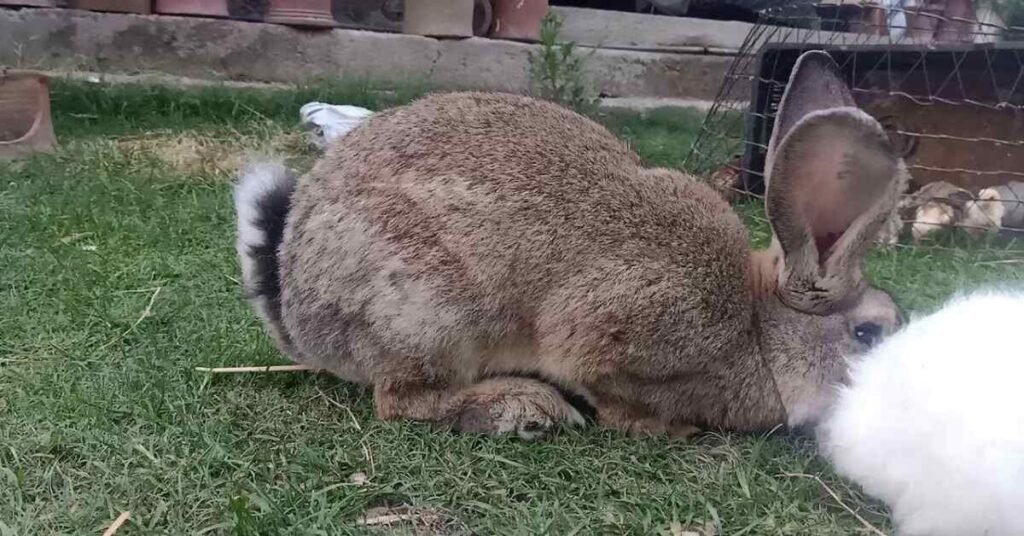
Tamuk rabbits have a medium to large body with a solid and muscular build. The chest appears wide and the back remains straight. This structure supports fast growth and good meat yield. The coat stays short and dense, which helps the rabbit stay comfortable in warm conditions. The fur usually appears white or light in color.
The head looks balanced with the body and the ears stand upright. Eyes appear alert and clear. Legs remain strong and support movement well. This physical structure allows steady weight gain without excess fat. The body design shows why this breed suits meat production systems.
| Feature | Description |
| Body size | Medium to large |
| Coat type | Short and dense |
| Common color | White or light shades |
| Build | Muscular and strong |
Temperament and Behavior
Tamuk rabbits show calm and manageable behavior. They respond well to routine care and human presence. Stress levels stay low when housing remains clean and quiet. This temperament helps reduce injuries and improves growth performance. Handling during feeding and health checks remains easy.
The breed adapts well to farm environments. It tolerates heat better than many other rabbits. This behavior makes it reliable in warm regions. Calm movement and stable habits support consistent daily care.
Diet and Nutrition Needs
Tamuk rabbits require a balanced and stable diet for healthy growth. Hay supports digestion and helps control tooth growth. Clean water should always be available. Commercial pellets provide protein and energy needed for body development. Fresh greens can be added in small amounts.
Sudden diet changes should be avoided. Consistent feeding routines reduce digestive problems. Overfeeding can slow proper growth. A controlled diet keeps the body strong and active.
| Food Type | Purpose |
| Hay | Digestive and dental health |
| Pellets | Balanced nutrition |
| Vegetables | Vitamins and minerals |
| Water | Hydration |
Housing and Living Environment
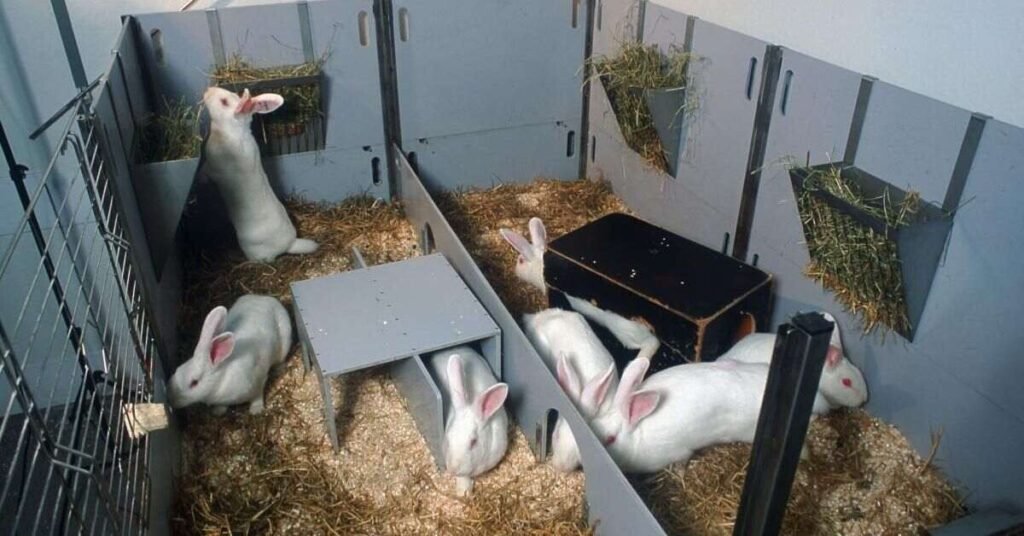
Tamuk rabbits need clean housing with good airflow. Proper ventilation helps manage heat and moisture. Space should allow free movement without crowding. Dry flooring protects feet and improves comfort. Shade remains important in warm areas.
Housing should be easy to clean. Regular cleaning reduces disease risk. Outdoor setups must protect from predators. A calm and dry environment supports better growth and health.
Grooming and Daily Care
Tamuk rabbits have low grooming needs because of their short coat. Light brushing helps remove loose hair. Nail trimming prevents injury and discomfort. Daily observation helps detect health issues early.
Bathing is not needed and should be avoided. Rabbits clean themselves naturally. Clean feeding tools and dry bedding support hygiene. Gentle handling improves trust and reduces stress.
Common Health Concerns

Tamuk rabbits generally show strong health. Digestive issues may occur with poor diet. Dental problems appear if hay intake is low. Heat stress can develop without shade and airflow.
Regular health checks help prevent serious illness. Early detection is supported by monitoring eating habits and movement. Clean housing and good nutrition lower health risks. Preventive care improves lifespan.
- Digestive problems from poor feeding habits
- Dental issues due to low fiber intake
- Heat stress in hot environments
- Weight related health concerns
Breeding and Reproductive Performance
Tamuk rabbits show good breeding performance under proper care. Does usually produce healthy litters. Milk production supports strong kit growth. Clean nesting areas help newborn survival.
Balanced nutrition improves breeding success. Calm surroundings reduce stress during reproduction. The breed matures quickly, which supports steady production cycles.
Lifespan and Long Term Care
Tamuk rabbits usually live between five and eight years. Lifespan depends on diet quality and environment. Clean housing and stress control support long term health. Preventive care remains important throughout life.
Consistent routines help maintain comfort. Strong body structure and calm nature support sustainable farming goals. Long term care focuses on prevention rather than treatment.
Conclusion
This breed is strong and easy to care for. It grows well when given proper food and a clean place to live. Calm behavior makes daily handling simple. With regular care, it stays healthy and active.
Raising this rabbit can be a good experience. It suits beginners and experienced keepers alike. Basic attention and routine care make a big difference. Good care leads to long life and steady performance.
FAQs
1.What are tamuk rabbits mainly used for?
They are mostly raised for meat because they grow quickly and have a strong body.
2.Do they perform well in hot climates?
Yes, they handle warm weather better than many common rabbit breeds.
3.Are they suitable for beginners?
Yes, they are calm, easy to handle, and simple to manage for new keepers.
4.How long do they usually live?
With proper care, they commonly live between five and eight years.
5.Do they need special care?
They only need basic care such as a balanced diet, clean housing, and regular monitoring.
