

Introduction
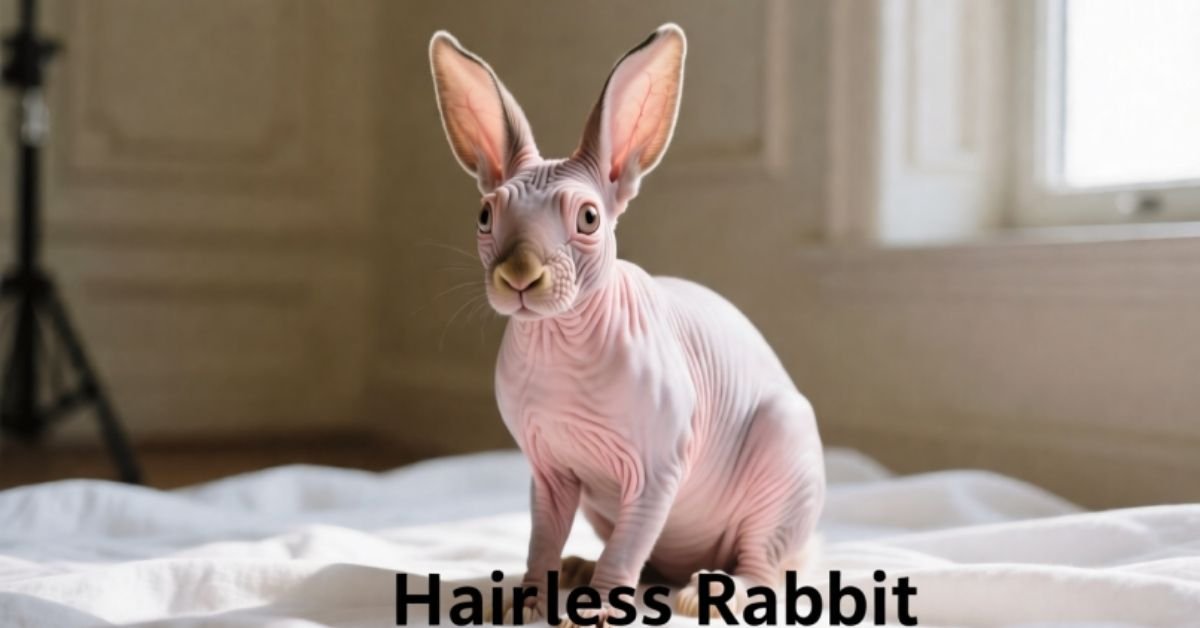
A hairless rabbit is a rare type of rabbit that has little to no fur on its body. Many people find a hairless rabbit unique and interesting because it looks very different from normal furry rabbits. These rabbits are not a separate wild species. Most hairless rabbits appear due to a genetic change or selective breeding. Some may also lose fur because of health issues. A true hairless rabbit usually stays bald throughout its life.
A hairless rabbit needs special care because fur normally protects rabbits from cold, heat, and skin injuries. Without fur, their skin stays exposed. This makes them more sensitive to temperature changes and sunlight. A hairless rabbit also needs extra attention to hygiene and comfort. They are gentle animals and can be loving pets when cared for properly.
Many people confuse hairless rabbits with shaved rabbits. A shaved rabbit still grows fur back, but a true hairless rabbit does not. Understanding this difference is important before adopting one. If you plan to keep a hairless rabbit, you must learn about its needs to keep it healthy and happy.
What Is a Hairless Rabbit and How It Is Different
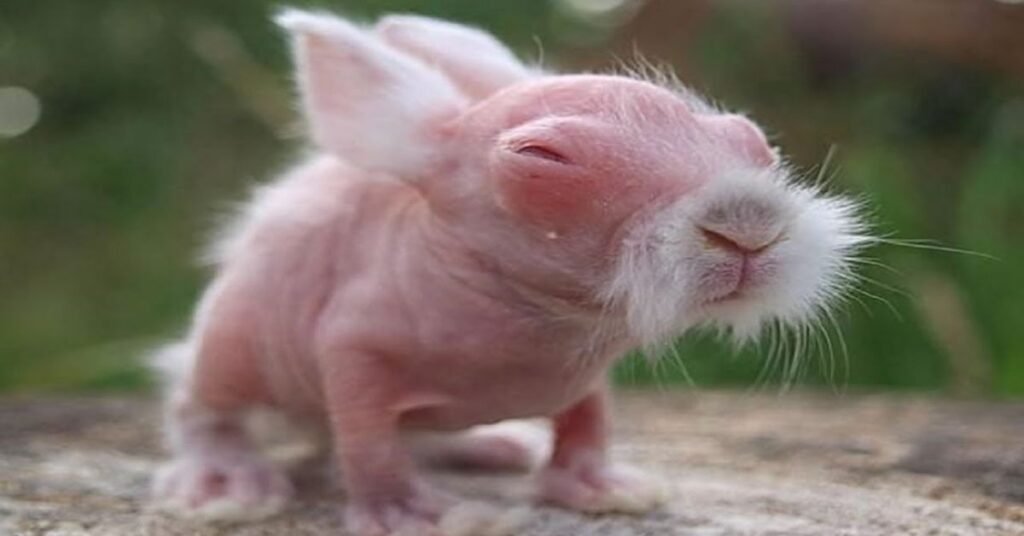
A hairless rabbit is a rabbit that is born without fur or loses fur permanently because of genetics. Unlike normal rabbits, their skin stays visible. The skin may appear pink, gray, or spotted. Some hairless rabbits may have small patches of fur on their nose, feet, or tail, but most of their body remains bald.
Hairless rabbits are very different from furry rabbits in daily care. Fur helps rabbits stay warm and protects their skin from scratches. Since a hairless rabbit does not have this natural protection, it depends more on its owner. The environment must stay clean, warm, and safe at all times.
Another key difference is grooming. A furry rabbit grooms itself often and sheds fur. A hairless rabbit does not shed but still needs skin care. Their skin can get dry or irritated easily. Gentle cleaning and proper bedding help prevent problems.
Hairless rabbits are also more sensitive to stress. Loud noise, sudden temperature changes, or rough handling can affect them quickly. They need a calm and stable home. With proper care and love, a hairless rabbit can live a comfortable life like any other pet rabbit.
Are Hairless Rabbits Natural or Man-Made
Most hairless rabbits are not found in nature. In the wild, a rabbit without fur would struggle to survive. Fur protects rabbits from cold weather, predators, and injuries. Because of this, hairless rabbits usually appear due to human breeding or genetic conditions.
Some breeders try to create hairless rabbits by selective breeding. This practice is controversial. Many animal experts believe breeding hairless rabbits only for appearance is not ethical. These rabbits may face health issues that normal rabbits do not face.
In some cases, a rabbit may lose fur because of illness, mites, allergies, or stress. This does not make it a true hairless rabbit. Once the health problem is treated, fur often grows back. A true hairless rabbit remains bald even when healthy.
It is important to understand this before buying or adopting one. Always ask about the rabbit’s health history. A responsible breeder or rescue will explain whether the rabbit is naturally hairless or has a medical condition. This knowledge helps you prepare for the level of care the hairless rabbit will need.
Hairless Rabbit Skin Care and Hygiene Needs
Skin care is the most important part of hairless rabbit care. Without fur, the skin stays exposed all the time. This makes it more likely to get dry, dirty, or irritated. Owners must check the skin daily for redness, cuts, or sores.
A hairless rabbit does not need frequent bathing. Too much bathing can dry the skin. Gentle wiping with a soft, damp cloth is usually enough. If bathing is needed, only rabbit-safe shampoo should be used. The water should be warm, not hot.
Moisture balance is also important. Dry skin can crack and cause pain. A vet may suggest a safe moisturizer if the skin becomes too dry. Never use human lotions without advice. Some products can harm a rabbit’s sensitive skin.
Clean bedding helps prevent skin infections. Soft blankets or fleece work well. Rough surfaces can scratch the skin easily. Keeping the living area clean and dry reduces the risk of bacteria and fungus. Good skin care helps a hairless rabbit stay comfortable and healthy.
Ideal Temperature and Living Environment for Hairless Rabbits
A hairless rabbit cannot control body temperature well. Fur usually helps rabbits stay warm in winter and cool in summer. Without fur, temperature control becomes a serious concern. The ideal room temperature for a hairless rabbit stays between 18°C and 22°C.
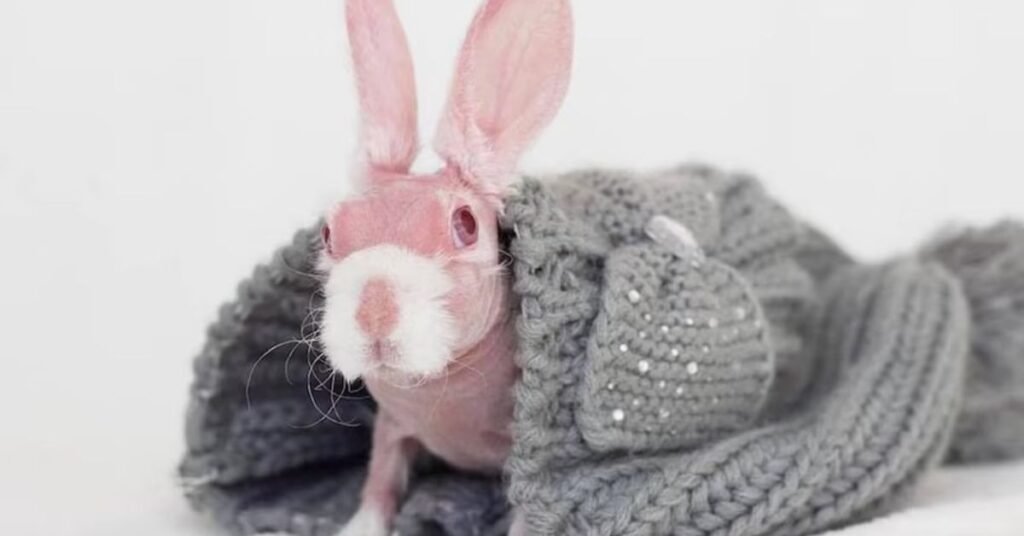
Cold weather is dangerous for hairless rabbits. They can lose body heat quickly. In cooler months, warm bedding and room heating are necessary. Some owners use soft sweaters made for rabbits, but they must fit well and stay clean.
Hot weather is also risky. Direct sunlight can burn their skin. A hairless rabbit should never be placed near windows with strong sun. Shade and proper airflow help prevent overheating. Fans can help, but air should not blow directly on the rabbit.
The living space should be indoors at all times. Outdoor living is unsafe for a hairless rabbit. A calm and quiet environment reduces stress. A safe indoor home helps the rabbit feel secure and protected.
Hairless Rabbit Diet and Nutrition Requirements
A healthy diet is essential for every hairless rabbit. Their food needs are similar to furry rabbits, but good nutrition supports skin health. Fresh hay should always be available. Hay helps digestion and keeps teeth healthy.
Fresh vegetables also play an important role. Leafy greens provide vitamins that support skin and body health. Vegetables should be washed well and given in proper amounts. Sudden changes in diet should be avoided.
Pellets can be given in small amounts. High-quality rabbit pellets provide balanced nutrition. Water should always be clean and fresh. A water bowl is often better than a bottle, as it allows natural drinking.
Some people think supplements are needed for hairless rabbits. This is not always true. A balanced diet usually provides everything they need. Always consult a vet before adding supplements. Proper nutrition keeps a hairless rabbit active and strong.
Common Health Issues in Hairless Rabbits
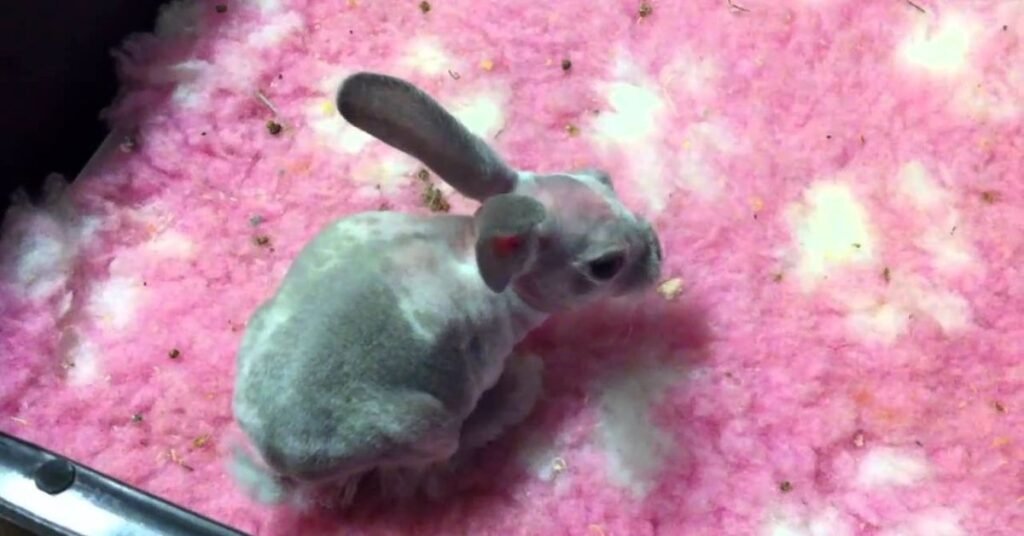
A hairless rabbit may face more health challenges than a furry rabbit. Skin problems are the most common issue. Cuts, scratches, and infections can happen easily. Regular skin checks help catch problems early.
Temperature-related illness is another risk. Hypothermia can occur in cold conditions. Heat stress can happen in warm weather. Signs include weakness, fast breathing, or unusual behavior. Immediate action is needed if these signs appear.
Dental problems are also common in rabbits. Hairless rabbits are no exception. Teeth grow continuously and need proper wear from hay. Regular vet checkups help prevent serious dental issues.
Because hairless rabbits are rare, not all vets have experience with them. Finding a rabbit-savvy vet is important. Early care and attention can prevent many health problems and improve quality of life.
Lifespan and Daily Care of a Hairless Rabbit
The lifespan of a hairless rabbit depends on care and genetics. On average, they may live between five to eight years. With excellent care, some may live longer. Daily care plays a big role in their lifespan.
Daily routines include checking skin, cleaning bedding, and providing fresh food and water. Gentle handling builds trust and comfort. Hairless rabbits enjoy human interaction but must be handled carefully to avoid skin injury.
Mental stimulation is also important. Toys, tunnels, and safe playtime keep them active. Boredom can lead to stress. Stress can affect health and skin condition.
A consistent routine helps the rabbit feel safe. Sudden changes can cause anxiety. Love, patience, and attention help a hairless rabbit live a happy and healthy life.
Hairless Rabbit vs Furry Rabbit Comparison
| Feature | Hairless Rabbit | Furry Rabbit |
| Fur coverage | No or very little fur | Full fur coat |
| Temperature sensitivity | Very high | Moderate |
| Skin care needs | High | Low |
| Outdoor living | Not safe | Sometimes possible |
| Grooming | Skin care focused | Fur brushing needed |
Is a Hairless Rabbit Right for You
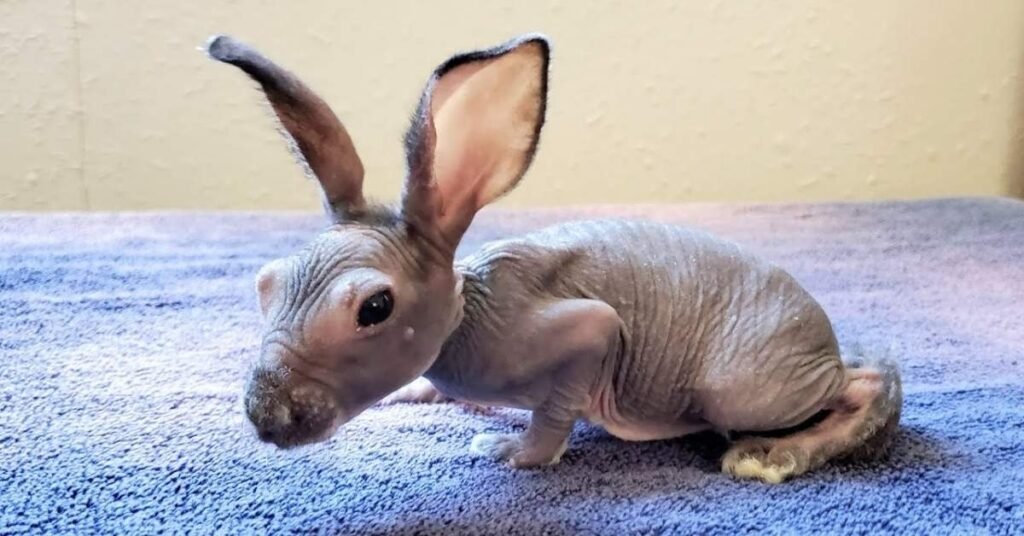
A hairless rabbit is not a low-maintenance pet. It requires time, care, and attention. People who enjoy caring for unique pets may find them rewarding. However, first-time rabbit owners may find them challenging.
These rabbits need a controlled indoor environment. They need daily skin checks and gentle care. If you travel often or cannot maintain a stable environment, a hairless rabbit may not be suitable.
Before adopting, think about your lifestyle. A hairless rabbit depends heavily on its owner. When given proper care, they can be loving and gentle companions. Making an informed choice is important for both you and the rabbit.
Cocclusion
A hairless rabbit is a unique and special pet that needs extra care every day. It is not like a normal furry rabbit. Its skin stays exposed and needs protection. With the right environment and daily attention, a hairless rabbit can live a comfortable life.
This type of rabbit depends a lot on its owner. Warmth, safety, and clean living space matter the most. Good food and gentle handling also help a lot. When you understand its needs, caring for a hairless rabbit becomes easier.
Before choosing a hairless rabbit, think about your time and lifestyle. These rabbits need love and patience. If you are ready for the responsibility, a hairless rabbit can be a calm and loving companion.
FAQs
1.Is a hairless rabbit completely bald?
Most hairless rabbits have no fur, but some may have small patches on certain areas.
2.Can a hairless rabbit live with other rabbits?
Yes, but supervision is needed. Other rabbits may accidentally scratch their skin.
3.Do hairless rabbits get sick easily?
They can be more sensitive, but good care reduces health risks.
4.Are hairless rabbits good pets for children?
They are better suited for adults due to their delicate skin and special care needs.
5.Can a hairless rabbit go outside?
No, a hairless rabbit should always live indoors for safety and comfort.
