

Introduction
Radishes are crunchy root vegetables with a sharp taste. People often eat them in salads and fresh dishes. Many rabbit owners ask, can rabbits eat radishes, and whether this vegetable is safe for their pets.
If you care for a rabbit, choosing the right food is very important. Some vegetables are healthy, while others can upset a rabbit’s stomach. Understanding can rabbits eat radishes safely helps protect your rabbit from digestive problems.
This guide explains can rabbits eat radishes without harm. It covers benefits, risks, and proper feeding tips. By the end, you will know if radishes should be part of your rabbit’s diet.
Understanding a Rabbit’s Natural Diet
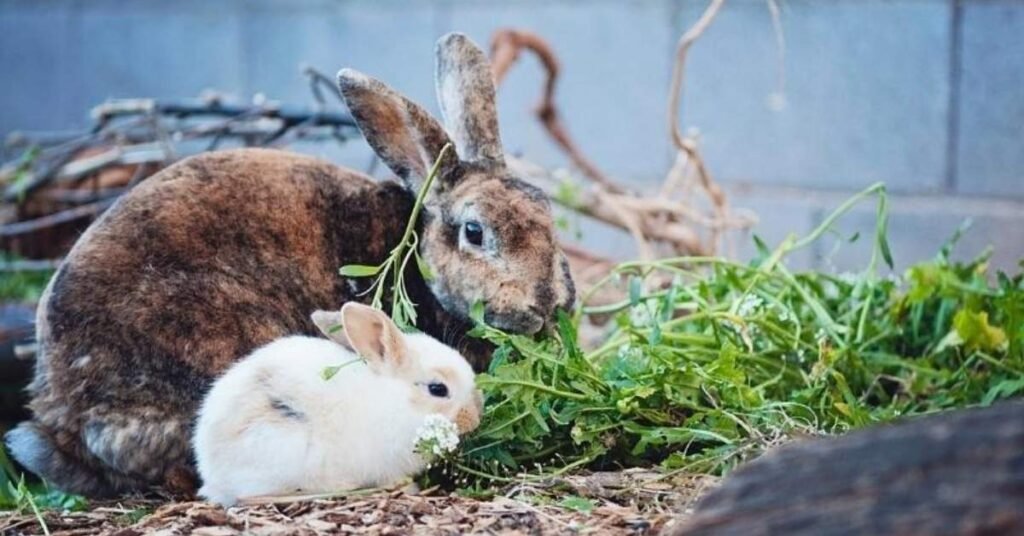
Rabbits have a delicate digestive system that depends heavily on fiber. Their bodies are designed to process plant-based foods slowly and steadily. The main part of a healthy diet is fresh hay, which keeps digestion moving and teeth worn down. Vegetables are also important, but they must be chosen with care. When people ask can rabbits eat radishes, it usually comes from wanting to add variety, but not all vegetables suit a rabbit’s gut.
A rabbit’s stomach works best with simple, natural foods. Sudden changes or sugary vegetables can cause problems. That is why it is important to understand how each food fits into their daily meals. Asking can rabbits eat radishes makes sense, but the answer depends on portion, frequency, and preparation.
Why Vegetables Must Be Fed Carefully
Vegetables can be healthy, but they are not all equal for rabbits. Some are high in water, while others contain compounds that may upset digestion. Radishes fall into the category of strong vegetables. This is why owners often wonder can rabbits eat radishes without harm.
Key points to remember when feeding vegetables:
- Hay should always be the main food
- Vegetables should support digestion, not replace hay
- New foods must be introduced slowly
Can Rabbits Eat Radishes Safely?
Many owners ask can rabbits eat radishes because they are common in kitchens. Radishes are not toxic, but they are not ideal either. They have a sharp taste and can be hard on a rabbit’s stomach. Small amounts may be tolerated by some rabbits, but regular feeding is not advised.
When thinking about can rabbits eat radishes, safety comes down to moderation. A tiny piece once in a while is usually safer than frequent feeding. Each rabbit reacts differently, so close observation is important after offering radish for the first time.
Raw vs Cooked Radishes
Raw radishes are more natural, but they are still strong for rabbits. Cooked radishes are worse because cooking changes their structure and removes what little fiber they have. Rabbits should never eat cooked vegetables.
| Type of Radish | Safe for Rabbits | Reason |
| Raw radish | Limited | Strong taste, low fiber |
| Cooked radish | No | Too soft, hard to digest |
| Pickled radish | No | High salt and additives |
| Radish with skin | Limited | Skin can irritate digestion |
Nutritional Value of Radishes for Rabbits

Radishes contain water, small amounts of vitamin C, and some minerals. However, rabbits already make their own vitamin C, so this benefit is not needed. When people ask can rabbits eat radishes, nutrition is often the concern, but radishes do not offer much value compared to leafy greens.
Radishes are low in fiber, which is the most important nutrient for rabbits. Because of this, they should never be treated as a healthy staple. They are more like an occasional taste rather than a useful food.
Do Radishes Offer Any Health Benefits?
Radishes contain some vitamins and water. They can provide a small amount of vitamin C and potassium. The water content may help with hydration. This can be useful in warm weather when rabbits need extra fluids. However, these benefits are very limited.
Radishes are not an important food for rabbits. Other vegetables give better nutrition and more fiber. Radishes also have a strong taste that some rabbits do not like. Because of this, they should not be used for health support. Healthier greens are always a better choice.
How Much Radish Can a Rabbit Eat
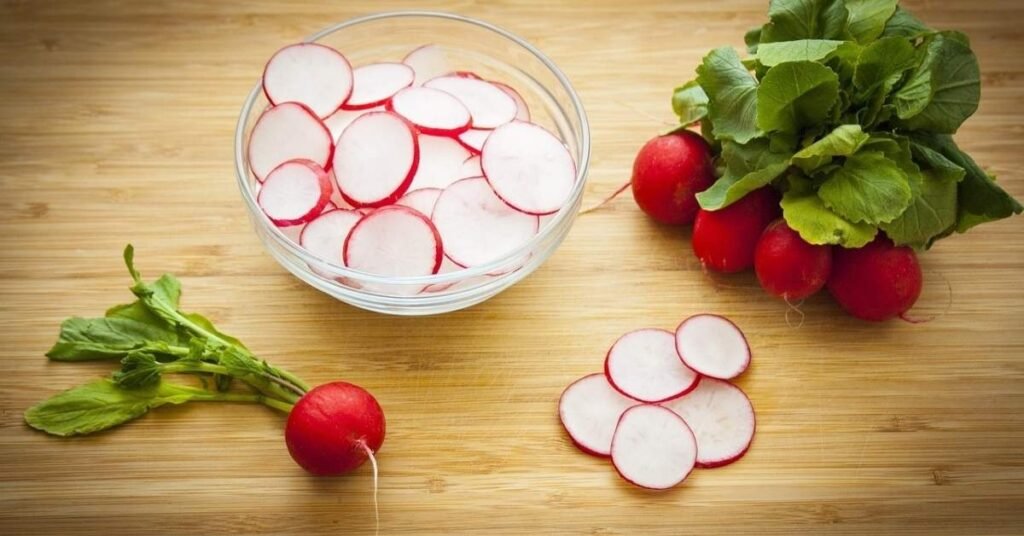
Radish should be given in very small amounts. A rabbit only needs a tiny piece to taste it. One thin slice is more than enough for one serving. Feeding large pieces can cause stomach pain and loose droppings. Radish is not a daily food and should stay limited.
It is best to offer radish as an occasional treat. Once every few weeks is a safe choice. Always give it along with hay and fresh water. Watch your rabbit after feeding. If you see any signs of discomfort, do not offer it again.
Portion Size and Feeding Frequency
When feeding radishes, portion size is very important. A rabbit should only get a very small piece at one time. The piece should be thin and easy to chew. Giving too much can upset the stomach and cause discomfort. Radishes should never become a regular part of daily meals. They are better treated as a rare treat, not a main food.
Feeding frequency should also stay low. Radishes should not be offered every week. Waiting a few weeks between servings helps protect digestion. Always watch your rabbit after feeding a new food. If you notice any change in behavior or droppings, stop feeding it right away.
- Offer only one small slice at a time
- Feed no more than once every few weeks
- Always give with plenty of fresh hay
- Stop feeding if any digestive problems appear
Health Risks of Feeding Radishes
Radishes can cause stomach problems in rabbits. Their digestive system is very sensitive. The fiber content of radishes is low and the water content is high. This can upset digestion when eaten often. Some rabbits may feel gassy or uncomfortable after eating them.
Radishes also have a strong taste and natural compounds that may irritate the stomach. Eating too many can lead to loose stools. Young or sensitive rabbits are at higher risk. For these reasons, radishes should only be given in very small amounts.
Possible health risks include:
- Stomach bloating and gas
- Soft or watery droppings
- Reduced appetite
- Digestive discomfort
Digestive Problems and Stomach Upset
Radishes can be hard for a rabbit’s stomach to handle. They contain more water and less fiber than rabbits need. This can slow down digestion and cause discomfort. Some rabbits may feel bloated or uneasy after eating radishes.
Stomach upset can happen even with small amounts in sensitive rabbits. Signs may appear within a few hours. A rabbit may stop eating or become less active. It is important to notice these changes early to avoid serious problems.
Common signs of digestive upset include:
- Gas and bloating
- Soft or runny droppings
- Loss of appetite
- Low energy or hiding behavior
What to Do If a Rabbit Eats Too Many Radishes
Sometimes rabbits eat radishes by accident. If this happens, remove the radish right away and watch your rabbit closely. Keep hay available at all times. Owners who wonder can rabbits eat radishes should also know how to act if overfeeding occurs.
- Sitting still for long periods
- Grinding teeth in pain
- Refusing food or water
Safe Vegetables Rabbits Can Eat Instead
Many vegetables are much safer for rabbits than radishes. These foods support digestion and provide natural fiber. Leafy greens are the best choice because they match a rabbit’s natural diet.In addition to being gentle on the stomach, they are also easy to digest.
Fresh greens should be washed well and given in small amounts. Variety is important, but new foods should be added slowly. This helps prevent stomach upset and keeps digestion steady. Choosing the right vegetables helps rabbits stay active, healthy, and happy.
Best Leafy Greens for Daily Feeding
| Vegetable | Feeding Frequency | Benefit |
| Romaine lettuce | Daily | High water and fiber |
| Cilantro | Daily | Gentle on stomach |
| Parsley | Few times a week | Rich in nutrients |
| Bok choy | Few times a week | Good fiber balance |
| Dandelion greens | Daily | Supports digestion |
Final Verdict on Rabbits Eating Radishes
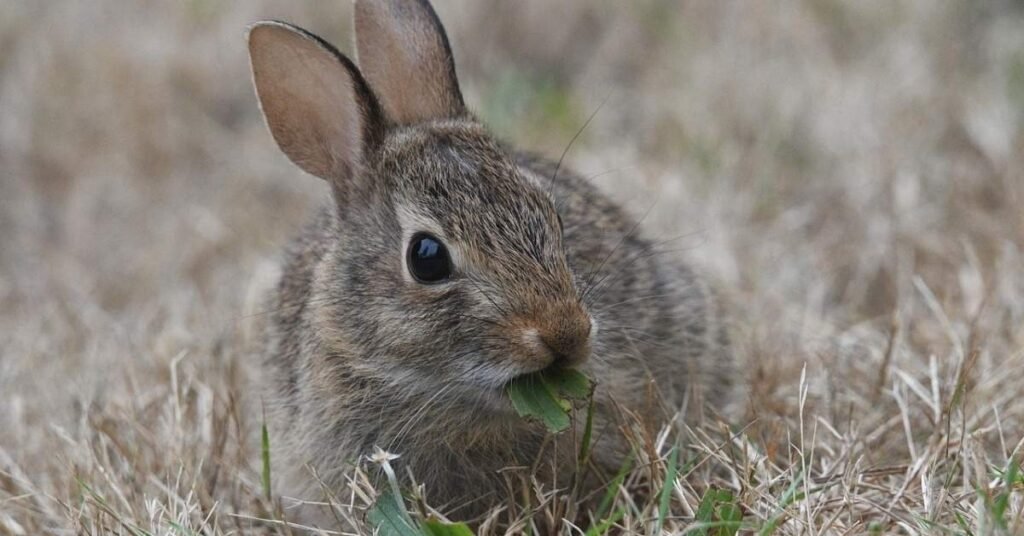
Radishes are not toxic, but they are not ideal for rabbits. They are low in fiber and can cause stomach upset if eaten too often. Rabbits may tolerate a tiny slice occasionally, but regular feeding is not recommended.
The best approach is to focus on safe, high-fiber vegetables. Leafy greens and hay should always be the main part of a rabbit’s diet. Radishes should only be an occasional treat, if at all. Prioritizing safe foods keeps rabbits healthy, happy, and active.
Expert Advice and Key Takeaways
Experts agree that hay and leafy greens should always come first. Radishes should never replace proper foods. If you are still asking can rabbits eat radishes, remember that occasional is the key word. Choosing safer vegetables will keep your rabbit happier and healthier in the long run.
Conclusion
Feeding rabbits the right food is very important. Fresh vegetables, hay, and water keep them healthy. Avoid giving too many treats or unsafe foods. Watch your rabbit’s reactions to new foods. A balanced diet helps them live longer and stay happy.
Understanding what rabbits can and cannot eat makes caring for them easier. Always introduce new foods slowly. Healthy habits prevent sickness and digestive problems. Love, attention, and proper food make a rabbit feel safe and joyful.
FAQs
Q1: Can rabbits eat fruits every day?
A: No, fruits should be treats. Give them a small amount 1-2 times a week.
Q2: Is it safe to feed rabbits cooked vegetables?
A: No, always give raw vegetables. Cooked ones can upset their stomach.
Q3: Can rabbits drink milk?
A: No, rabbits are lactose intolerant. Milk can make them sick.
Q4: How much hay should a rabbit eat daily?
A: Hay should be unlimited. It is their main source of fiber.
Q5: Are carrot tops safe for rabbits?
A: Yes, carrot tops are safe and healthy in small amounts.
