

Introduction
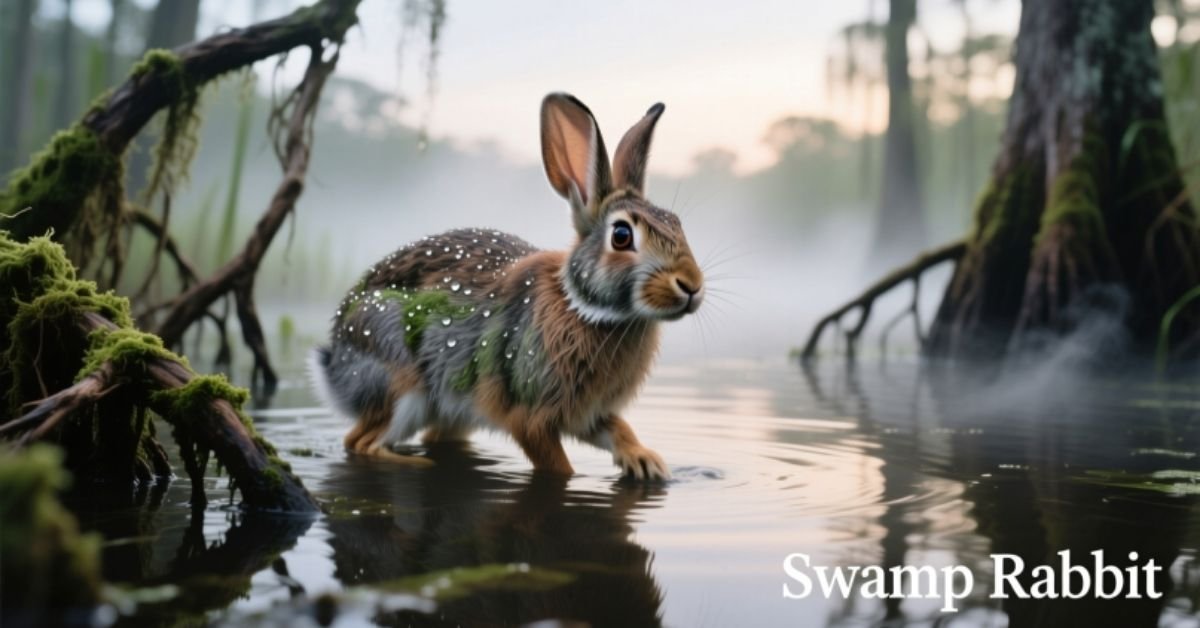
The swamp rabbit is a wild rabbit found in wet and swampy areas. It lives near rivers, marshes, and flooded forests. This rabbit is known for its strong body and dark brown fur. Unlike pet rabbits, swamp rabbits survive fully in the wild.
Many people are curious about the swamp rabbit because it can swim. It is different from common rabbits seen in yards. Its lifestyle, habitat, and habits make it unique. Learning about this rabbit helps us understand wetland wildlife better.
In this guide, you will learn about the swamp rabbit’s habitat, diet, and behavior. We will also share key facts and differences from other rabbits. This information is simple and helpful for nature lovers and beginners.
What Is a Swamp Rabbit?
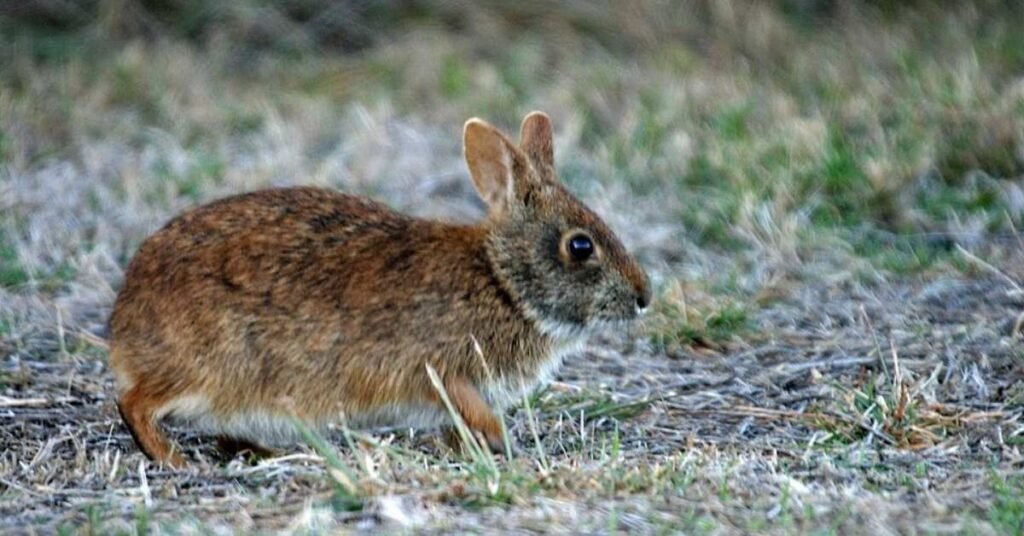
Swamp rabbits are large wild rabbits that live in wet areas. They are part of the cottontail rabbit family. The scientific name of the swamp rabbit is Sylvilagus aquaticus. Unlike other rabbits, swamp rabbits are excellent swimmers. They use water to escape predators and find food. Their strong legs help them move fast on land and in water. Swamp rabbits have brown or gray fur, which helps them hide in marshes and swamps. During the night and early morning, they are most active.
Swamp rabbits are herbivores, feeding on grasses, herbs, and leaves. They are unique because they spend much of their life near water. They can even swim long distances if needed. This behavior is different from other rabbits that usually stay on land. Swamp rabbits are mostly found in the southeastern United States. Their large size, swimming ability, and habitat make them one of the most interesting rabbit species in North America.
Where Swamp Rabbits Live
Swamp rabbits prefer areas with dense water vegetation. They are mostly found near rivers, lakes, swamps, and wetlands. These areas provide them with food, shelter, and safety from predators. Swamp rabbits like tall grass and shrubs for hiding. They avoid open areas because it is dangerous for them.
These rabbits are native to the southern United States, including states like Alabama, Louisiana, Mississippi, and Texas. They adapt well to flooded areas. During heavy rain, they can swim to escape rising water. Their habitat is mostly private lands, forested wetlands, and swampy areas. Conservation efforts focus on protecting wetlands because habitat loss is the main threat to swamp rabbits. Protecting these areas ensures they have safe places to live and breed.
Swamp Rabbit Size and Physical Appearance
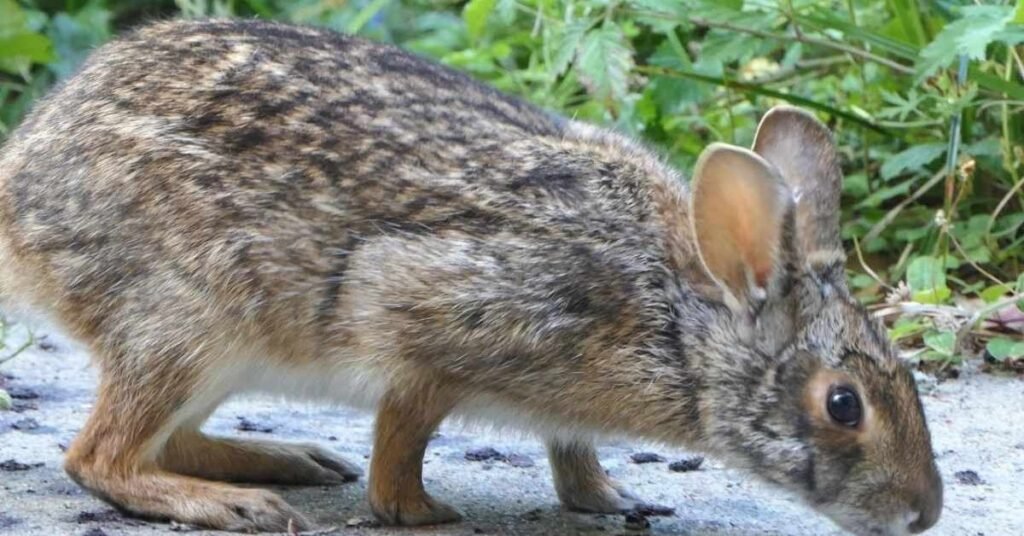
Swamp rabbits are the largest cottontail rabbits in North America. They have strong bodies and long legs. Their fur is usually brown or gray on the back and white on the belly. The tips of their ears are slightly rounded and medium in size. The tail is short, fluffy, and helps them balance while running. Adult swamp rabbits can weigh between 4 and 5.5 pounds. They grow about 18 to 20 inches in length. Their large eyes give them good night vision. Strong legs and claws help them run fast and dig burrows.
Swamp rabbits are well adapted to wet and swampy areas. They can swim easily and escape predators through water. Their fur is thick, which keeps them warm in cold weather. These rabbits move quietly through grass and shrubs. They are mostly active at night. Below is a detailed table showing the physical features of swamp rabbits for easy understanding:
| Feature | Description |
| Adult Weight | 4 – 5.5 pounds |
| Adult Length | 18 – 20 inches |
| Fur Color | Brown or gray on back, white belly |
| Tail | Short and fluffy |
| Ears | Medium-sized, rounded tips |
| Legs | Strong hind legs for running and jumping |
| Eyes | Large, adapted for night vision |
| Claws | Sharp, used for digging and escaping predators |
| Swimming Ability | Excellent, can move through water easily |
| Activity Time | Mostly nocturnal, active during night |
Body Size, Weight, and Fur Characteristics
Swamp rabbits are the largest cottontail rabbits in North America. Adult swamp rabbits can weigh between 4 to 5.5 pounds and grow up to 18–20 inches long. Their fur is dark brown or gray with a white belly. The tail is short and fluffy. They have strong hind legs for jumping and running.
The tips of their ears are rounded and medium in size.The fur is dense, keeping them warm during colder months. Swamp rabbits have sharp claws for digging burrows and finding food. As a result of their large eyes, they have good night vision. They are fast runners and can swim skillfully, making them hard to catch. The swamp rabbit’s physical traits help it survive in both land and water environments, which is unusual for most rabbits.
| Feature | Description |
| Weight | 4 – 5.5 pounds |
| Length | 18 – 20 inches |
| Fur Color | Brown or gray, white belly |
| Tail | Short and fluffy |
| Habitat Adaptation | Swims well, hides in dense vegetation |
Behavior and Lifestyle of Swamp Rabbits
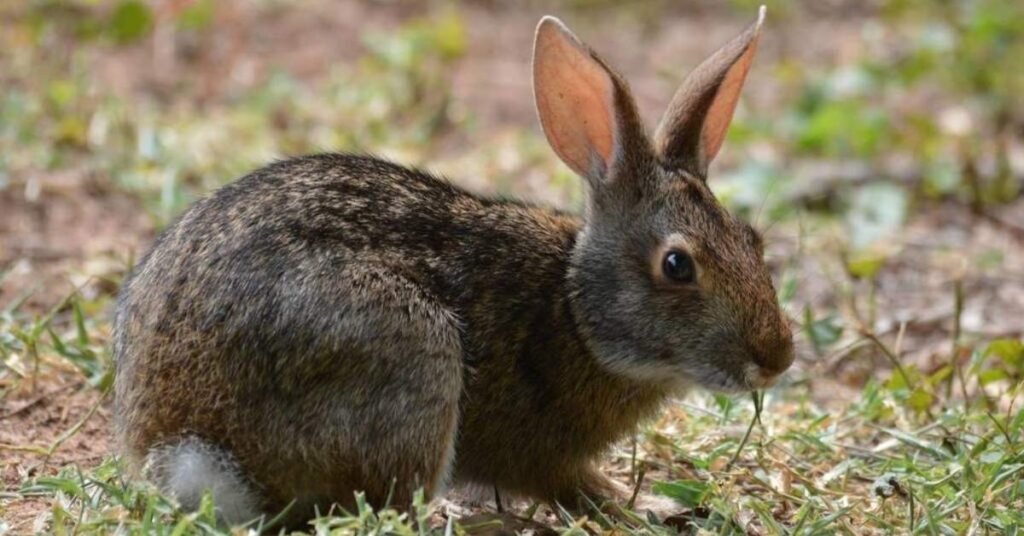
Swamp rabbits are mostly nocturnal. They spend the day hiding in tall grass or dense vegetation. At night, they search for food and move around their territory. Swamp rabbits are solitary animals. They do not form large groups but may share habitats with other rabbits.
These rabbits are excellent swimmers. They often escape predators by jumping into water. Swamp rabbits can remain underwater for several seconds. They are also territorial and mark areas with droppings. Breeding occurs in spring and summer. Females make nests in tall grass or under shrubs. They usually give birth to 2–6 young per litter. Young swamp rabbits are born with fur and open eyes, making them ready to move shortly after birth.
Diet and Feeding Habits
Swamp rabbits are herbivores, which means they eat only plants. They feed on grasses, herbs, leaves, and aquatic plants. In spring and summer, they prefer tender green leaves and herbs. During fall and winter, they eat twigs, bark, roots, and woody plants. Their diet gives them the fiber they need to stay healthy. Swamp rabbits usually feed in the early morning or late evening. This helps them avoid predators. They rarely feed in open areas and prefer hiding in tall grass or near water.
Swamp rabbits play an important role in their habitat. By eating plants, they help keep vegetation balanced in wetlands. They also serve as prey for foxes, bobcats, and large birds. Their feeding habits change with the season to survive all year. Some common food sources include:
- Grasses and herbs in spring and summer
- Twigs, buds, and roots in fall
- Bark and woody plants in winter
- Aquatic plants near swamps and rivers
What Do Swamp Rabbits Eat?
Swamp rabbits are herbivores. Grass, herbs, and leafy plants are their main sources of food.They also eat bark, twigs, and aquatic plants. Their diet changes with the seasons. In spring and summer, they prefer tender leaves and herbs. In winter, they feed on twigs, bark, and roots.
Swamp rabbits are crepuscular feeders, meaning they eat mostly in early morning and evening. Their diet provides fiber, which is essential for digestion. They play a role in controlling plant growth in wetlands. Swamp rabbits rarely eat human crops, but in areas near farms, they may feed on vegetables.
| Season | Food Source |
| Spring/Summer | Leaves, herbs, grasses |
| Fall | Twigs, buds, roots |
| Winter | Bark, roots, woody plants |
Reproduction and Lifespan
Swamp rabbits breed several times a year, usually in spring and summer. Females create nests in tall grass or near water. Each litter has 2–6 young. Baby rabbits, called kits, are born fully furred and with open eyes. They start eating solid food after 2–3 weeks.
The swamp rabbit’s lifespan is about 2–3 years in the wild. Predators include foxes, bobcats, and large birds of prey. Their ability to swim and hide helps them survive. Human activities, such as wetland destruction, are the main threats to swamp rabbits. Conserving their habitat ensures the population stays healthy and stable.
Swamp Rabbit Conservation
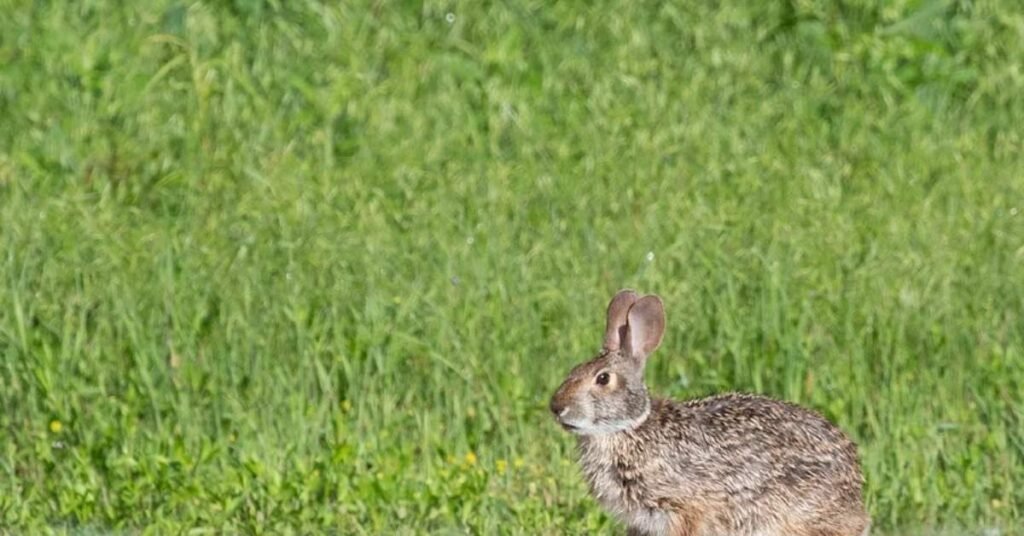
Swamp rabbits are listed as Least Concern by wildlife organizations. They are not endangered but face challenges due to habitat loss. Wetlands and swamps are often drained for farming and construction. Protecting wetlands is vital for the survival of swamp rabbits.
Conservation efforts include protecting natural habitats, creating wildlife reserves, and educating people about the importance of wetlands. Healthy swamp rabbit populations also benefit other animals that share their habitat. These rabbits play a key role in maintaining the balance of wetland ecosystems.
Interesting Facts About Swamp Rabbits
Swamp rabbits are unique among rabbits because they can swim long distances. They are mostly active at night. Unlike other rabbits, swamp rabbits can survive in flooded areas. Their large size and strong legs make them fast runners. Swamp rabbits are mostly solitary but may sometimes share space with other rabbits. They also have sharp claws to dig and escape danger.
These rabbits are important for their ecosystem. By eating plants, they help maintain the balance of wetland vegetation. They are prey for many predators, making them an essential part of the food chain. Swamp rabbits also adapt well to seasonal changes, which helps them survive in different environments.
Conclusion
Swamp rabbits are unique and interesting animals. They are the largest cottontail rabbits and live mostly in wetlands and swamps. They can swim well and escape danger using water. Their diet of plants, grasses, and herbs keeps them healthy. They are mostly active at night and live quietly in dense vegetation. Their strong legs, sharp claws, and thick fur help them survive in the wild.
Protecting swamp rabbits means protecting wetlands. Healthy wetlands give them food, shelter, and safety. These rabbits are not endangered, but habitat loss can affect them. By learning about swamp rabbits, we can understand how important they are for the ecosystem. Watching and studying them teaches us about nature and the balance of life in wetlands.
FAQs
Q1: Are swamp rabbits endangered?
No, swamp rabbits are not endangered. They are listed as Least Concern, but wetland destruction affects their population.
Q2: Can swamp rabbits swim?
Yes, swamp rabbits are excellent swimmers. They use water to escape predators and move between habitats.
Q3: What do swamp rabbits eat?
Swamp rabbits are herbivores. They eat grasses, herbs, leaves, twigs, and bark depending on the season.
Q4: Where do swamp rabbits live?
They live in wetlands, swamps, rivers, and marshes in the southeastern United States.
Q5: How big do swamp rabbits get?
Adult swamp rabbits can weigh 4–5.5 pounds and grow 18–20 inches long.
