

Introduction
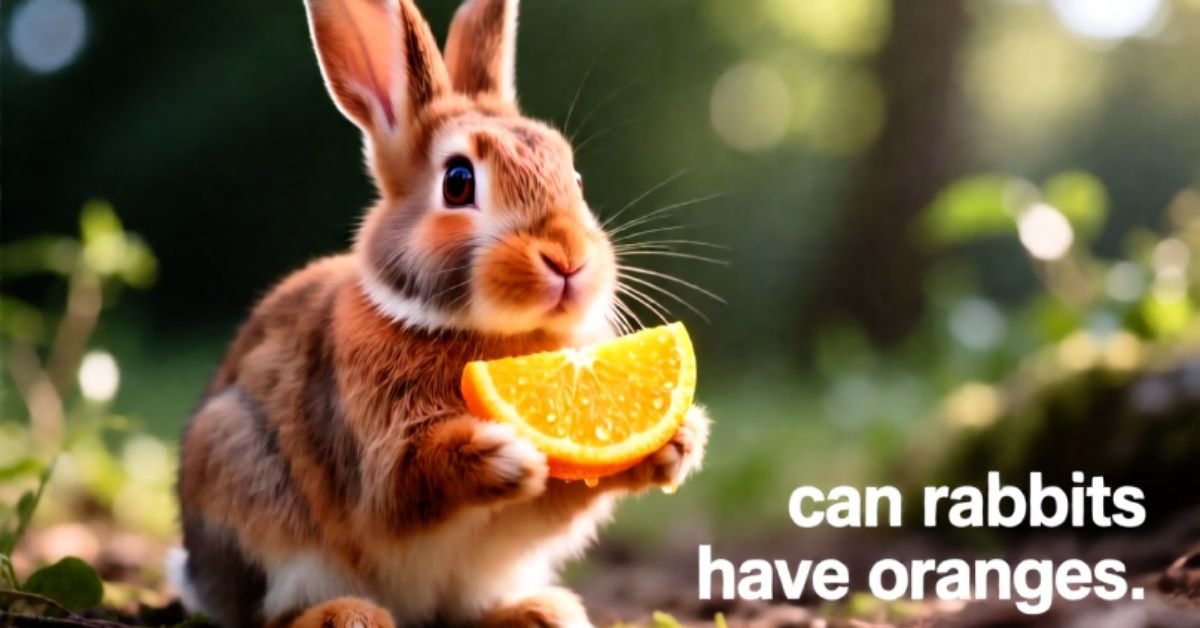
Rabbits are curious and love to try new foods. Many rabbit owners wonder, can rabbits have oranges safely? Oranges are sweet and juicy, but not every fruit is safe for rabbits.
If you have asked yourself, can rabbits have oranges, you are not alone. Too much sugar can upset their stomachs, but small amounts can be a tasty treat. Knowing the right portion is key to keeping your rabbit healthy.
In this guide, we will answer the question: can rabbits have oranges. You will learn about the benefits, risks, and how to safely feed this fruit to your furry friend.
Can Rabbits Eat Oranges Safely?
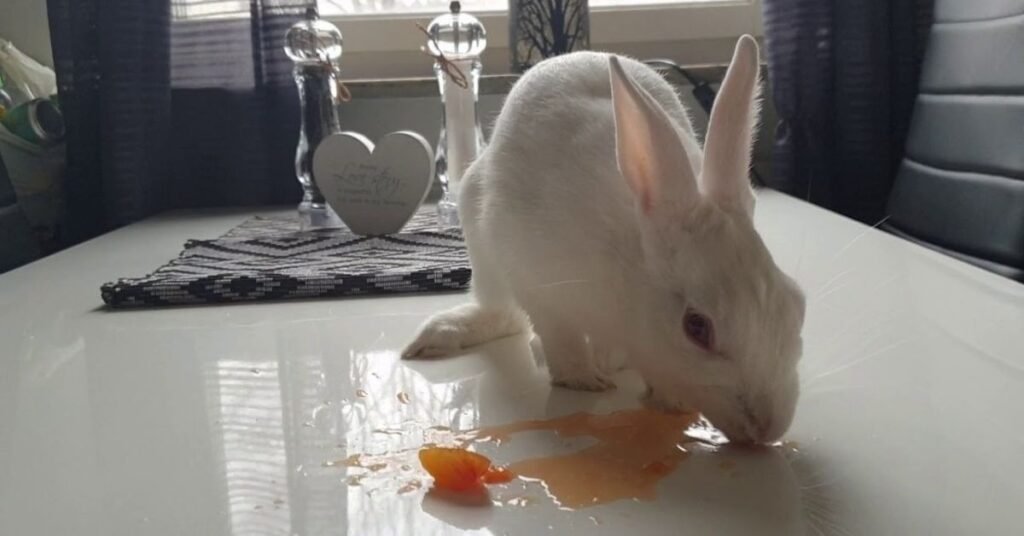
Rabbits can enjoy oranges, but only in tiny amounts. This fruit is sweet and full of vitamins, which can be healthy in moderation. Too much sugar, however, can cause stomach upset and digestive issues.
Always remove the peel and seeds before offering oranges. Cut the fruit into small, manageable pieces. This makes it easier for rabbits to eat safely without choking.
Start with a very small portion and watch your rabbit closely. If they enjoy it and show no signs of discomfort, you can offer oranges occasionally. Treats like this should never replace their regular diet of hay and fresh vegetables.
Nutritional Value of Oranges for Rabbits

Oranges have several nutrients that can benefit rabbits in small amounts. They are rich in vitamin C, which helps support the immune system. Oranges also provide some fiber, which can aid digestion. However, the high sugar content means they should only be given occasionally.
Here are some key nutrients in oranges:
- Vitamin C : boosts immunity
- Fiber : supports digestion
- Antioxidants : help protect cells
- Natural sugars : provide energy but can upset the stomach in excess
Vitamins, Minerals, and Health Benefits
Oranges are full of vitamins and minerals that can help rabbits stay healthy. They have vitamin C, which supports the immune system. They also contain small amounts of vitamin A, calcium, and potassium. These nutrients help with strong bones, healthy skin, and good eyesight.
Eating oranges in small amounts can give rabbits a tasty treat and some health benefits. Too much fruit can upset their stomachs, so portion control is important. Here is a table showing the key vitamins and minerals in oranges and their benefits for rabbits:
| Nutrient | Function in Rabbits | Benefit |
| Vitamin C | Supports immune system | Helps fight illness |
| Vitamin A | Maintains healthy eyes and skin | Improves vision and coat |
| Calcium | Strengthens bones and teeth | Prevents weak bones |
| Potassium | Regulates fluids and muscle function | Supports heart and muscles |
| Fiber | Aids digestion | Keeps stomach and gut healthy |
| Antioxidants | Protects cells from damage | Reduces disease risk |
Which Parts of an Orange Are Safe
Rabbits can eat the flesh of an orange in small amounts. It is juicy, sweet, and full of vitamins. Always remove the seeds before feeding, as they can be harmful. Only give oranges as a treat, not a regular part of their diet.
The orange peel and pith can be tricky. Some rabbits may nibble a small piece safely, but too much can upset their stomach.
Here are the safe parts to feed:
- Orange flesh (small slices)
- Seedless segments
- A tiny bit of peel occasionally (washed and pesticide-free)
Peels, Seeds, Leaves, and Juice
Rabbits should not eat orange seeds. Seeds contain toxins that can harm them. Orange peels are safe only in very small amounts, and they must be washed properly. Leaves are generally safe but should be pesticide-free. Orange juice is too sugary and can upset their stomach.
Here is a table showing which parts are safe and which are not:
| Orange Part | Safe for Rabbits? | Notes |
| Flesh | Yes, in small amounts | Sweet and full of vitamins |
| Seeds | No | Toxic, can cause health problems |
| Peel | Occasionally | Wash well; too much may upset digestion |
| Pith (white layer) | Limited | Can be bitter, give only small pieces |
| Leaves | Yes, if pesticide-free | Can be nibble treat |
| Juice | No | High sugar content, bad for rabbit’s stomach |
Feeding Guidelines for Rabbits
Oranges can be a healthy treat for rabbits, but only in small amounts. Too much fruit can cause diarrhea and stomach upset. Always introduce oranges slowly and watch how your rabbit reacts. Treats should make up less than 10% of their diet.
Here are some simple feeding tips:
- Give one small slice of orange at a time.
- Remove all seeds before feeding.
- Wash the fruit thoroughly to remove pesticides.
- Offer occasional small pieces of peel if your rabbit likes it.
- Monitor for any signs of digestive upset after feeding.
Risks of Feeding Too Many Oranges
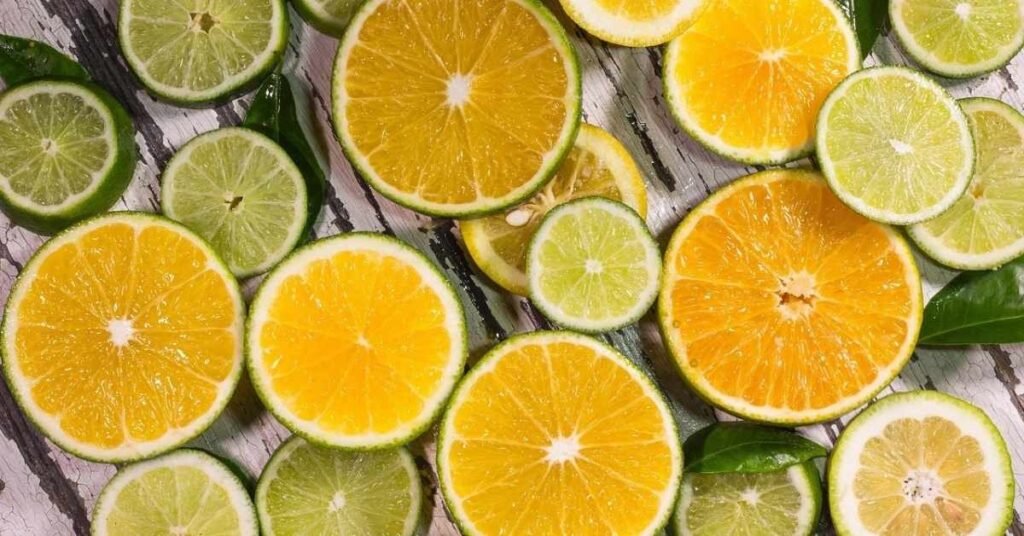
Feeding too many oranges to rabbits can be dangerous. Oranges are high in sugar, which can upset their stomach. Eating too much fruit can cause diarrhea, bloating, and discomfort. Rabbits may also refuse to eat their regular food if they get too many sweet treats.
Here are the main risks to keep in mind:
- Digestive problems like diarrhea or gas
- Obesity from excess sugar
- Loss of appetite for hay and vegetables
- Potential tooth issues if sugary treats are frequent
- Unbalanced diet if fruit replaces healthy food
Sugar, Stomach Upset, and Allergic Reactions
Oranges contain natural sugar, which can be too much for rabbits if given in large amounts. Too much sugar can cause stomach upset, including diarrhea and gas. Some rabbits may even have allergic reactions like itching or swelling after eating oranges. It is important to feed in small portions and watch for any signs of discomfort.
Here is a table showing possible effects of feeding too many oranges:
| Issue | Cause | Symptoms in Rabbits | Notes |
| Stomach upset | High sugar content | Diarrhea, bloating, gas | Feed small slices only |
| Obesity | Excess calories from sugar | Weight gain | Keep treats <10% of diet |
| Loss of appetite | Too many sweet treats | Refusal to eat hay or vegetables | Balance with regular diet |
| Allergic reaction | Sensitivity to fruit | Itching, swelling, hives | Stop feeding and consult a vet if needed |
| Tooth problems | Sugary diet over time | Dental issues, pain while eating | Provide hay for dental health |
How to Introduce Oranges to Your Rabbit
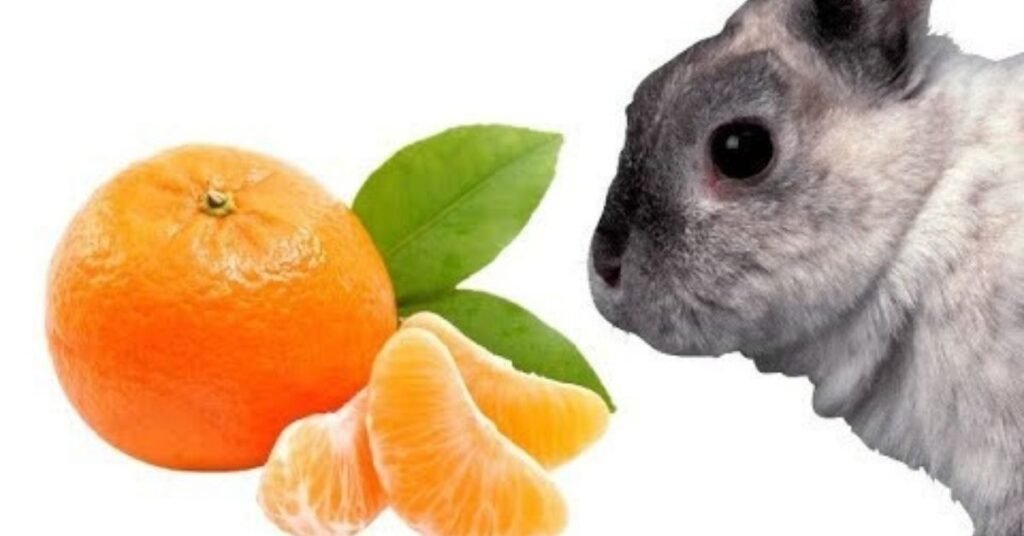
Start slowly when giving your rabbit oranges. Offer just a small piece at first. Watch your rabbit for any signs of stomach upset or allergies. If they eat it well, you can give small treats occasionally.
Always remove seeds and wash the fruit carefully. Keep treats less than 10% of their diet. Combine oranges with their regular hay and vegetables. Introduce one new fruit at a time to see how your rabbit reacts.
Alternatives to Oranges
If you want to give your rabbit a treat, there are many safe alternatives to oranges. Fruits with lower sugar are better for regular feeding. Vegetables and leafy greens can also be tasty and healthy.
Here are some good options:
- Apple slices (remove seeds)
- Blueberries
- Strawberries
- Carrot pieces
- Cucumber slice
- Leafy greens like spinach or lettuce
Safe Fruits and Vegetables Rabbits Can Eat
Rabbits enjoy many fruits and vegetables that are safe for them. These foods provide vitamins, minerals, and fiber for good health. Always introduce new fruits and vegetables slowly and in small amounts. Wash everything thoroughly to remove dirt and pesticides.
Here is a table of safe options for rabbits:
| Food Type | Examples | Benefits | Notes |
| Fruits | Apple (seedless), Blueberries, Strawberries, Pear, Papaya | Vitamins, antioxidants, natural sweetness | Feed in small amounts; high sugar |
| Vegetables | Carrot, Cucumber, Bell Pepper, Zucchini, Broccoli, Spinach | Fiber, vitamins, hydration | Introduce slowly; avoid overfeeding |
| Leafy Greens | Romaine Lettuce, Kale, Parsley, Cilantro, Dandelion leaves | Fiber, vitamins, minerals | Avoid iceberg lettuce; moderate portions |
| Herbs | Basil, Mint, Oregano, Dill | Flavor, antioxidants | Great for variety; feed fresh |
| Root Vegetables | Turnip, Radish (limited), Beet greens | Fiber, minerals | Feed in moderation; check tolerance |
Do Rabbits Love Oranges?
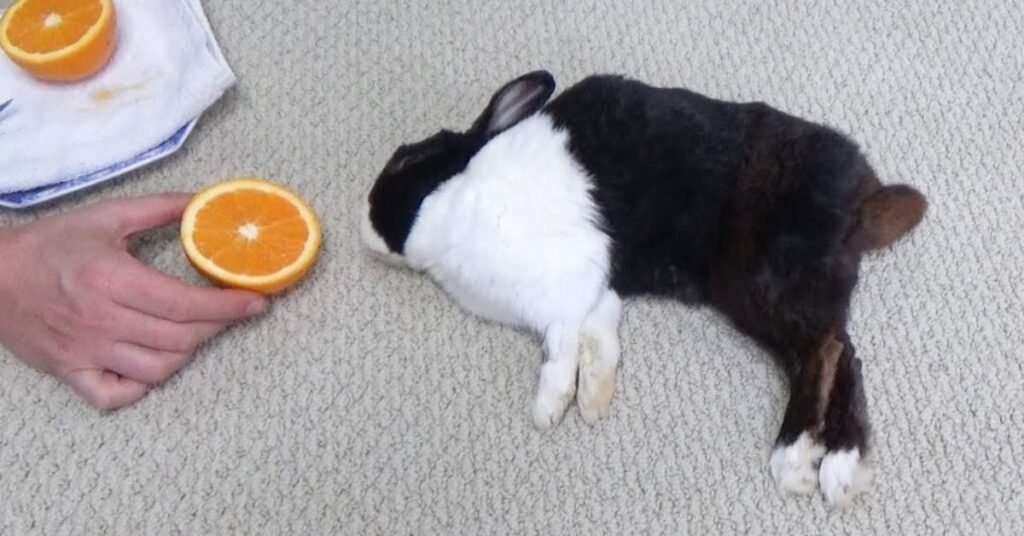
Many rabbits enjoy the sweet taste of oranges. They may nibble on a small slice eagerly. The juicy flavor can be very appealing as a treat. However, not all rabbits like citrus fruits, so reactions can vary.
Even if your rabbit loves oranges, it is important to feed in moderation. Too much can upset their stomach or cause digestive issues. Oranges should only be an occasional treat, not a regular part of their diet.
Final Verdict and Expert Advice
Oranges can be offered to rabbits as a special, occasional treat in very small amounts. They are rich in vitamins and provide a sweet, juicy snack that many rabbits enjoy. Always remove the seeds and thoroughly wash the fruit before feeding. Treats should never exceed 10% of their total diet to ensure their digestive system stays healthy.
Animal experts recommend giving oranges only from time to time, rather than every day. Monitor your rabbit for any signs of stomach upset, bloating, or allergic reactions. For safer options, you can offer small pieces of apples, strawberries, blueberries, or leafy greens. Maintaining moderation and variety in treats helps your rabbit remain healthy, active, and happy.
Conclusion
Oranges can be a tasty treat for rabbits if given in small amounts. They provide vitamins and a little sweetness. Always remove seeds and wash the fruit well before feeding. Treats should be rare and limited.
Feeding too many oranges can cause stomach upset, diarrhea, or other health problems. Sugar is the main concern, so moderation is very important. Keep oranges as an occasional snack, not a daily food.
Rabbits also enjoy many other safe fruits and vegetables. Apples, berries, carrots, and leafy greens are great choices. A varied and balanced diet keeps your rabbit healthy, happy, and active.
FAQs
1. Is it safe to give my rabbit oranges daily?
No, oranges should only be an occasional treat. Too much sugar can upset their stomach and cause digestive problems.
2. Can rabbits eat orange peel?
Rabbits can nibble a small, washed piece of peel, but too much may be bitter and hard to digest.
3. Are the seeds in oranges dangerous for rabbits?
Yes, orange seeds contain toxins and must always be removed before offering the fruit.
4. How much orange is safe for a rabbit?
A small slice or segment is enough. Treats like oranges should stay under 10% of their overall diet.
5. What fruits and veggies are better alternatives to oranges?
Try apples, blueberries, strawberries, carrots, and leafy greens. These are tasty, safe, and lower in sugar.
