

Introduction
Rabbit tobacco is a wild plant that grows naturally in open and dry areas. Many people recognize it by its soft, fuzzy leaves and gentle, sweet scent. For many years, this plant has been part of traditional knowledge and cultural practices. It often grows on its own in sunny places without needing special care.
Although it is called rabbit tobacco, it is not true tobacco. The name comes from its smell and how it was used in the past. Long ago, people depended heavily on nature for their daily needs, and this plant became part of that lifestyle. Today, it is mostly remembered for its history and natural presence.
In this article, you will learn about rabbit tobacco in simple and clear language. We will explain its appearance, background, growth, safety, and cultural importance so anyone can understand it easily.
What Is Rabbit Tobacco
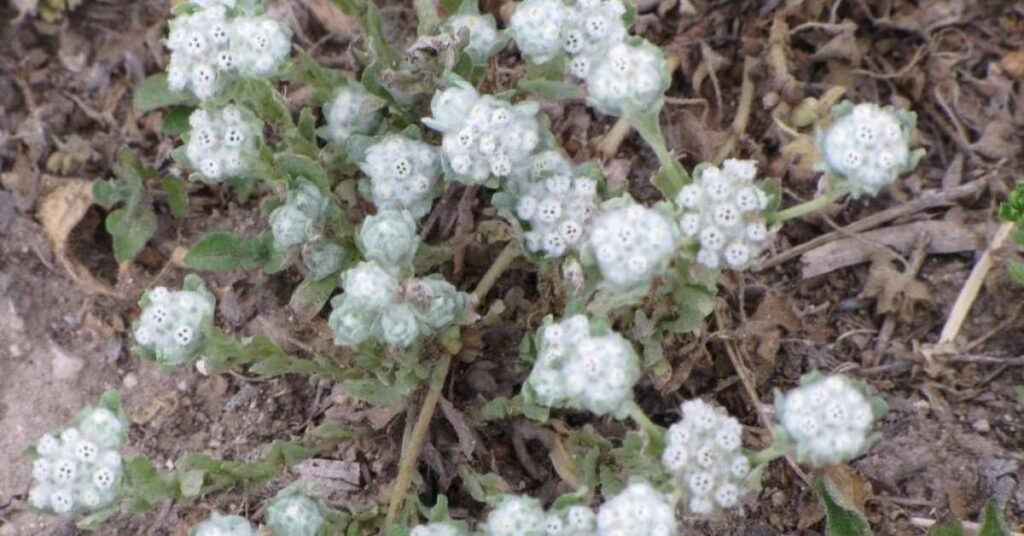
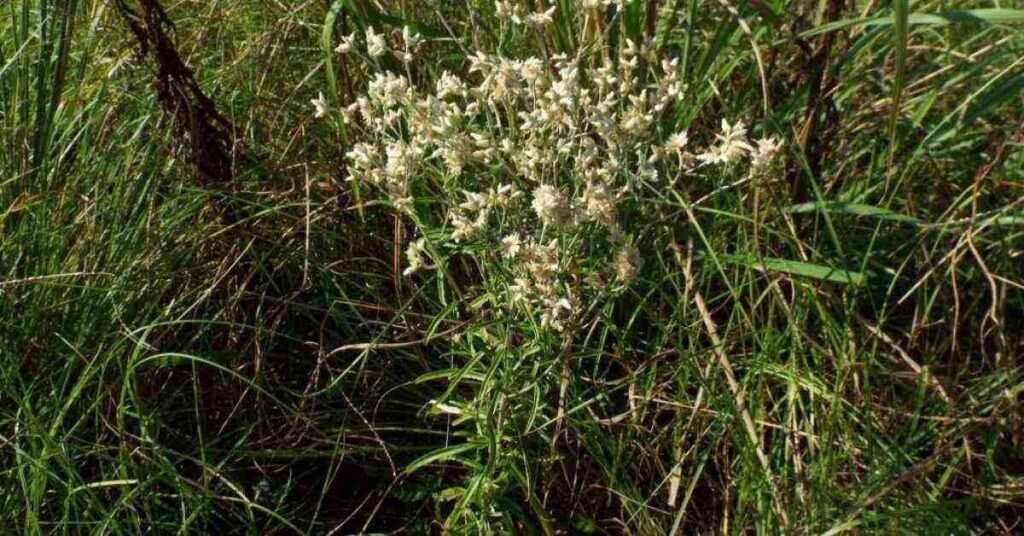
Rabbit tobacco is a wild herb that belongs to the daisy family. It grows upright and has narrow leaves that feel soft when touched. Fine hairs cover the surface, giving the plant a pale green or gray color. These hairs help protect it from heat and dry conditions.
The plant produces small yellow flowers that grow in tight clusters at the top of the stem.
These flowers last a long time, even after drying. Because of this lasting quality, many people also call it everlasting.One of the most noticeable features of rabbit tobacco is its sweet and warm scent. The smell becomes stronger as the plant dries. In fact, many people recognize it by smell before they even see it. Since it needs very little water and grows well in poor soil, the plant spreads easily in natural areas.
Historical Background and Early Use
Native American tribes were among the first to value rabbit tobacco. They used it during ceremonies and cultural rituals. The dried plant was burned to produce smoke with symbolic meaning, not for everyday use.
Later, early settlers learned about this plant from local tribes. When true tobacco was unavailable, they dried rabbit tobacco leaves as a substitute. This practice is how the plant received its common name.
People also kept the dried plant in their homes. Many believed its scent brought comfort and calm, while others thought it helped keep insects away. These traditions were passed down through generations, and stories about the plant still remain today.
Plant Appearance and Growth Pattern
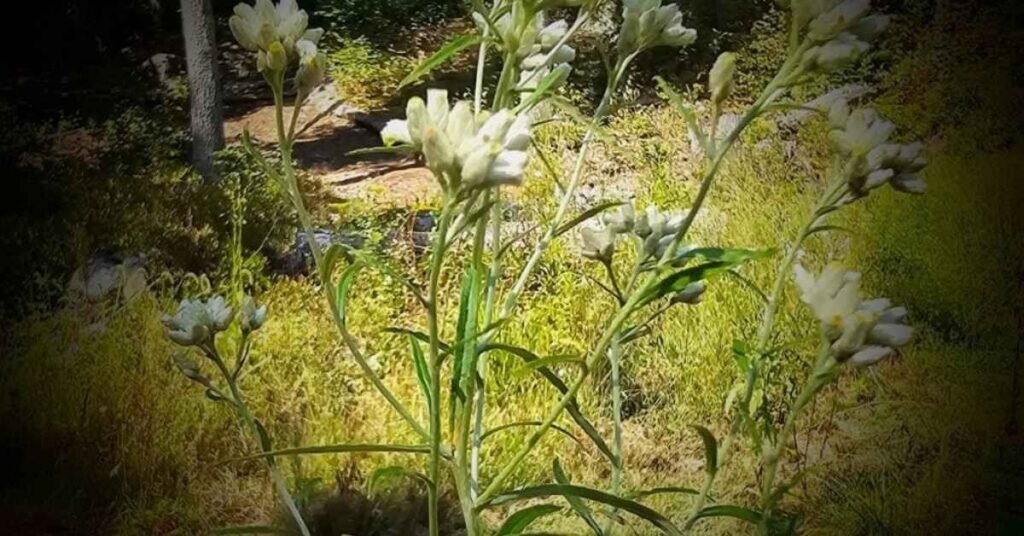
Rabbit tobacco usually grows between one and two feet tall. Its stem stands upright and feels firm. The leaves are long, thin, and covered with tiny hairs that create a soft texture.Small yellow flowers appear near the top of the plant.
Although they are not very bright, they stay intact for a long time. Even after drying, the flowers keep their shape.Another important feature is the plant’s scent. Crushing the leaves releases a stronger smell, which makes the plant easy to identify in the wild.
Here is a table for easy understanding.
| Feature | Description |
| Height | One to two feet |
| Leaf feel | Soft and fuzzy |
| Leaf color | Pale green or gray |
| Flower color | Yellow |
| Scent | Sweet and lasting |
Harvesting and Drying Method
Harvesting usually takes place when the plant is fully grown, which is often in late summer. At this stage, the leaves and flowers are strong and well developed. People cut the plant close to the ground using clean tools and leave some plants behind so nature can renew itself.
After harvesting, the plant is dried slowly. It is tied into small bundles and hung upside down in a dry, shaded area. Good airflow is important during this process. Slow drying helps preserve the plant’s scent and shape. Once dry, it can be stored for a long time without losing quality.
| Stage | Description | Best Time | Key Notes |
| Selecting plants | Choose healthy and mature plants | Late summer | Avoid damaged or weak plants |
| Cutting | Cut near the base of the stem | Dry weather | Use clean and sharp tools |
| Bundling | Tie small groups together | Same day | Do not make large bundles |
| Hanging | Hang upside down in shade | Dry place | Good airflow is important |
| Drying period | Allow to dry naturally | 1–2 weeks | Avoid direct sunlight |
| Storage | Store in a cool place | After drying | Keep away from moisture |
Natural Habitat and Growing Areas
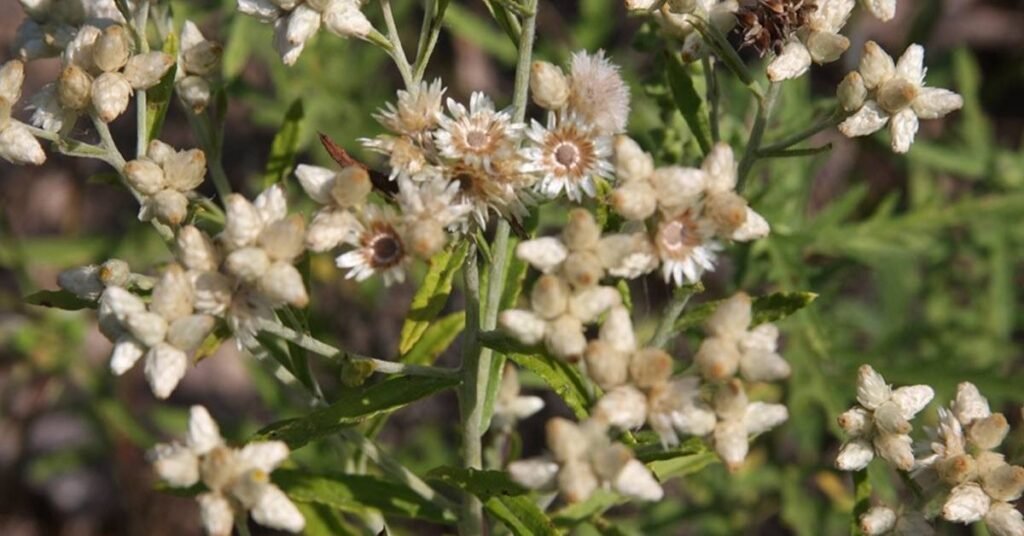
Rabbit tobacco grows naturally in many parts of North America. It prefers dry land with plenty of sunlight. You can often find it along roadsides, open fields, and forest edges.The plant does not need rich soil and can survive in sandy or rocky ground.
Because of this, it is considered a hardy and resilient plant. It grows during warm months, with leaves appearing in spring and flowers blooming in late summer. As the plant matures, its scent becomes stronger.
Traditional and Cultural Uses
Rabbit tobacco played an important role in traditional cultures. It was burned during rituals and gatherings, where the smoke symbolized peace and connection.Some people also used the dried plant as a natural air freshener.
They placed it in rooms or storage areas, where its scent lasted for months. In addition, elders passed down folk practices based on belief and experience rather than science.
While learning about these traditions, it is important to respect cultural practices and also understand modern safety standards.
Safety and Responsible Awareness
Even though rabbit tobacco is a natural plant, it should still be handled with care. Burning any plant creates smoke, which can affect breathing. This plant was never meant for deep inhalation like modern tobacco.
Using it without proper knowledge may cause discomfort. In rare cases, some people may experience mild skin irritation when touching the plant. It should never replace medical treatment, and professional advice should always be preferred.
Common Misunderstandings
Many people believe rabbit tobacco is the same as regular tobacco, but this is not true. It does not belong to the tobacco family and does not contain nicotine.
Another common misunderstanding is that natural plants are always safe. In reality, natural plants can still cause problems if used incorrectly. Some people also believe this plant has proven healing powers. However, these ideas come from tradition, not modern science.
- It is not the same as commercial tobacco
- It does not contain nicotine
- Natural does not always mean safe
- Traditional use is not the same as medical proof
Difference Between This Plant and Real Tobacco
Many people think rabbit tobacco and real tobacco are the same, but they are not alike at all. True tobacco has nicotine, which can lead to strong addiction. Rabbit tobacco has no nicotine and grows freely in the wild without being cultivated.
| Feature | Wild Plant | Real Tobacco |
| Nicotine | No | Yes |
| Plant family | Daisy family | Tobacco family |
| Addiction | No | Yes |
| Use type | Traditional | Commercial |
Cultural Value in Modern Times
Today, rabbit tobacco still holds cultural meaning in many communities. It connects people to old traditions and stories passed down through generations. Elders often share memories of how it was used in the past, helping preserve cultural knowledge.
Many people now value the plant for educational purposes. It is used to teach respect for nature and traditional lifestyles. Museums, books, and local talks sometimes mention it to explain history and culture.
- Symbol of traditional knowledge
- Connection to nature and history
- Used for cultural education
- Remembered through stories and teaching
Role in Today’s World
In modern times, rabbit tobacco is mainly known for its historical and cultural importance. Most people no longer use it in daily life. Instead, it serves as a reminder of how people once depended on nature.
Nature lovers may still look for it during walks or hikes. Teachers and researchers study it to explain traditional plant knowledge. Today, its value lies in learning and awareness rather than regular use.
Conclusion
Rabbit tobacco has a long and meaningful history. People valued it for its scent, appearance, and cultural importance. It was never just about use but about connection with nature and tradition.
Although modern life has changed many traditional practices, learning about plants like this helps keep old knowledge alive. It also teaches respect for nature and cultural heritage. Today, rabbit tobacco reminds us that even simple plants can carry deep meaning.
Frequently Asked Questions
1.Is this plant still important today?
Yes, it is important for cultural and educational reasons. People study it to understand traditional plant knowledge and history.
2.Was it used the same way as modern tobacco?
No, it was not used like modern tobacco. Its use was mostly symbolic and cultural, not for daily smoking.
3.Can it be found easily in nature?
Yes, it grows naturally in dry and open areas. It is often seen along fields, roadsides, and forest edges.
4.Is it safe to handle?
In most cases, it is safe to touch. Some people may have mild skin sensitivity, so care is always advised.
5.Why do people still talk about it?
People talk about it because of its history and cultural value. It helps keep traditional stories and knowledge alive.
