

Introduction
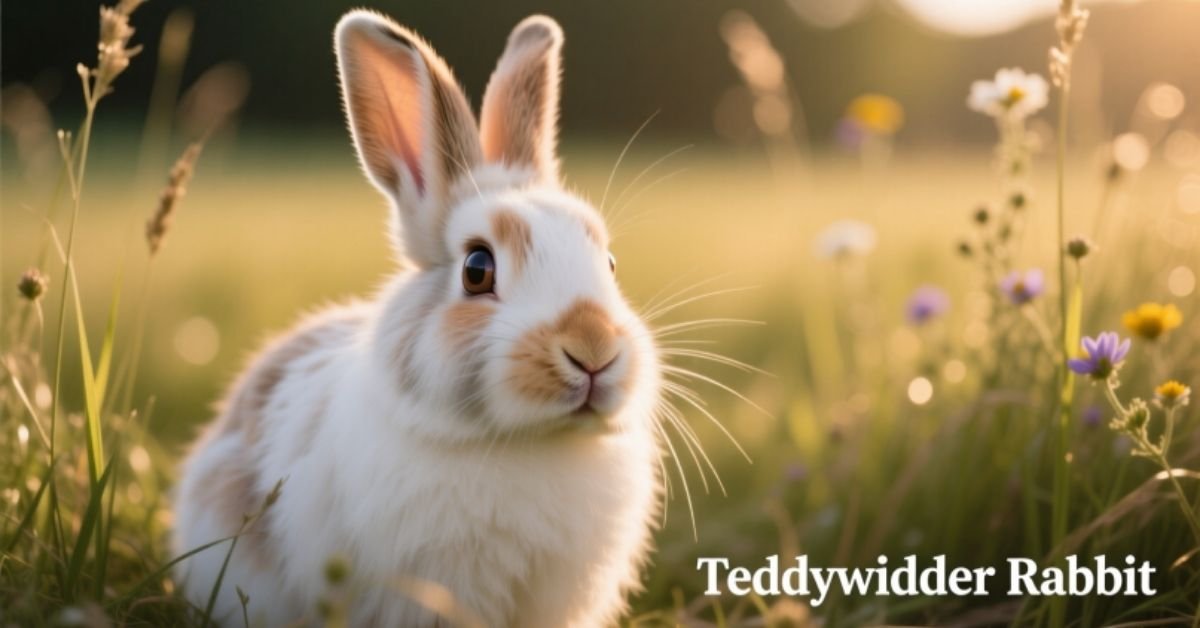
A Teddywidder rabbit is a small, fluffy rabbit known for its long, soft fur and cute appearance. It is a mix of lop-eared traits and wooly fur, which makes it very popular as a pet. These rabbits are gentle and calm in nature. Many people choose them because they look like living teddy bears.
Thinking about bringing one home? Teddywidder rabbits may look easy to care for, but they need daily attention. Their thick fur needs regular grooming. They also need the right food and a safe, clean space. Learning proper care early helps avoid common mistakes.
This guide will help new owners understand basic care needs. You will learn about feeding, grooming, housing, and health. Simple tips will make caring for your rabbit easier. With the right care, a Teddywidder rabbit can be a happy and loving pet.
Teddywidder Rabbit Size, Weight, and Appearance

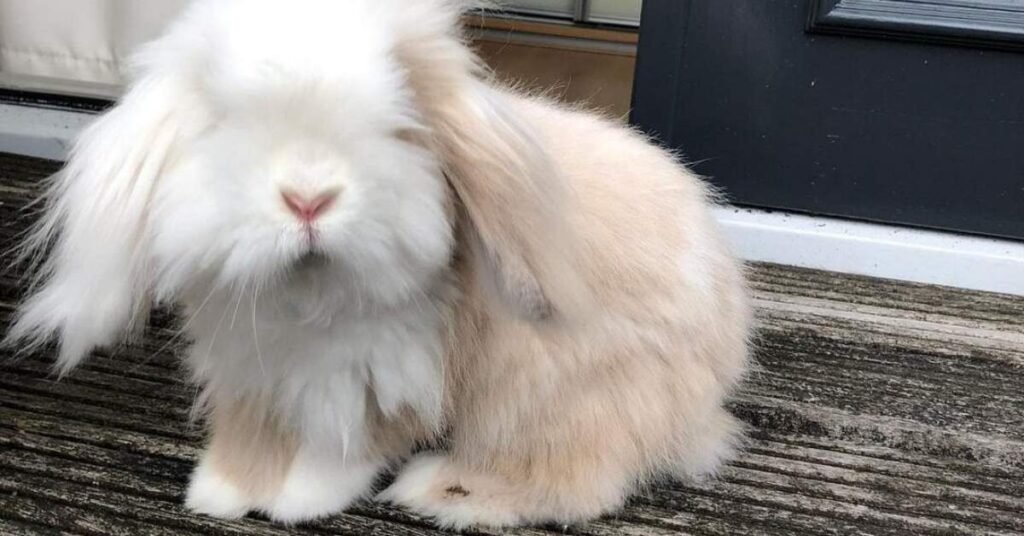
Teddywidder rabbits are small to medium in size. They have a compact and soft body shape. Most of their weight comes from their thick wooly fur. Their floppy ears and round face give them a cute, teddy-like look. This makes them very attractive to pet lovers.
Their fur is long, dense, and very soft to touch. It can grow all over the body, including the ears and face. Because of this heavy coat, they may look bigger than they really are. Regular grooming helps keep their appearance neat and healthy.
| Feature | Details |
| Average Size | Small to medium |
| Adult Weight | 2.5 to 4 pounds (1.1 to 1.8 kg) |
| Body Shape | Compact and rounded |
| Fur Type | Long, thick, wooly |
| Fur Length | Medium to long |
| Ear Type | Lop ears (drooping) |
| Ear Length | Short to medium |
| Head Shape | Round with full cheeks |
| Eye Size | Large and bright |
| Common Colors | White, brown, gray, black, mixed |
| Fur Coverage | Body, face, and ears |
| Overall Look | Fluffy, teddy bear-like |
Teddywidder Rabbit Temperament and Personality
Teddywidder rabbits are known for their calm and gentle nature. They are usually friendly and enjoy quiet environments. These rabbits like human company and can form strong bonds with their owners. With regular handling, they become more trusting and relaxed.
Their personality can change based on care and attention. They do best with patience and a soft approach. Loud noises or rough handling can make them shy. When treated kindly, they show playful and curious behavior. This makes them good pets for calm homes.
| Trait | Description |
| Temperament | Calm and gentle |
| Friendliness | High with regular interaction |
| Activity Level | Moderate |
| Social Nature | Enjoys human company |
| Playfulness | Mild to moderate |
| Curiosity | Naturally curious |
| Aggression | Very low |
| Shyness Level | Low to moderate |
| Trainability | Can learn simple habits |
| Bonding Style | Forms close bonds |
| Noise Sensitivity | Sensitive to loud sounds |
| Suitability for Families | Best for quiet households |
| Handling Tolerance | Good with gentle handling |
| Stress Level | Can stress easily if neglected |
Are Teddywidder Rabbits Good Pets for Families?
Teddywidder rabbits can be good pets for the right families. They are gentle and enjoy calm attention. These rabbits like being around people but do not enjoy rough handling. Families who understand their needs often find them loving and friendly pets.
They are best for homes that are quiet and patient. Older children who know how to handle pets gently are a better match. With daily care and kindness, Teddywidder rabbits can feel safe and happy in a family setting.
They may be a good family pet if:
- Children are old enough to handle them gently
- The home is calm and not too noisy
- Adults can help with daily care and grooming
- The family has time for interaction and bonding
- A safe indoor space is available for the rabbit
Teddywidder Rabbit Care and Grooming Needs
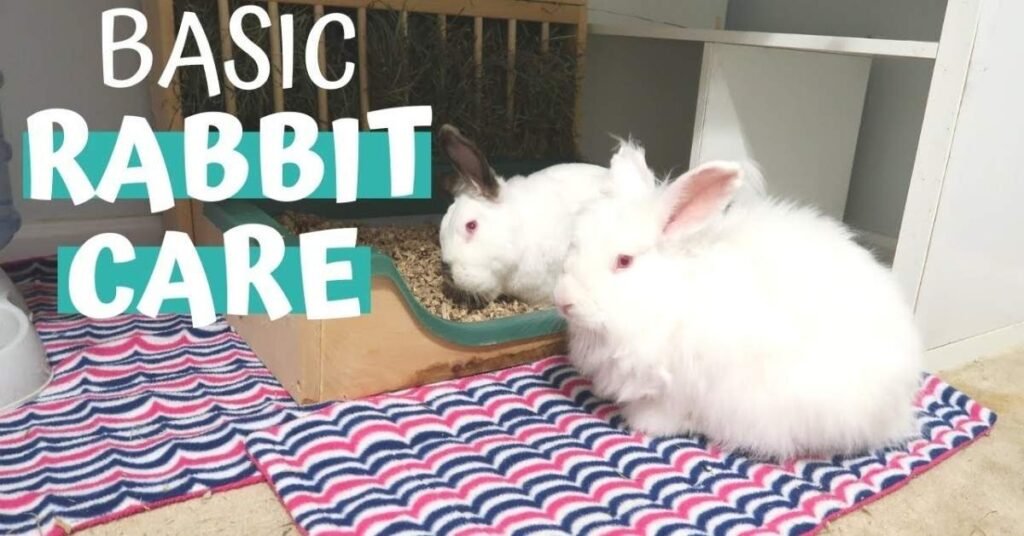
Teddywidder rabbits need daily care to stay healthy and clean. Their long fur can tangle easily if not brushed often. Gentle brushing helps remove loose hair and prevents mats. Clean water, fresh hay, and a tidy living space are also very important.
Grooming is a big part of their care routine. Regular checks help spot skin issues early. Nails should be trimmed on time to avoid pain. A calm grooming routine builds trust and keeps the rabbit relaxed.
| Care Task | How Often | Purpose |
| Fur Brushing | Daily or every other day | Prevents mats and tangles |
| Fur Trimming | As needed | Keeps coat manageable |
| Nail Trimming | Every 4–6 weeks | Prevents overgrowth |
| Ear Checking | Weekly | Avoids wax buildup |
| Eye Cleaning | Weekly | Removes dirt or discharge |
| Teeth Check | Monthly | Prevents dental problems |
| Cage Cleaning | 2–3 times a week | Maintains hygiene |
| Litter Box Cleaning | Every 1–2 days | Controls odor |
| Fresh Water Refill | Daily | Keeps rabbit hydrated |
| Hay Replacement | Daily | Supports digestion |
| Health Check | Weekly | Early problem detection |
| Vet Visit | Yearly | Overall health care |
Diet and Feeding Guide for Teddywidder Rabbits
A healthy diet is very important for Teddywidder rabbits. Fresh hay should make up most of their daily food. Hay helps digestion and keeps their teeth healthy. Clean water must always be available. Pellets and fresh vegetables should be given in the right amount.
Food choices affect their fur and energy levels. Too many treats can cause weight gain and stomach issues. New foods should be added slowly. A balanced diet keeps them active and happy.
Recommended foods
- Unlimited grass hay (timothy or meadow hay)
- Fresh leafy greens in small portions
- High-quality rabbit pellets
- Fresh, clean drinking water
- Occasional treats like small fruit pieces
Foods to avoid
- Sugary or processed foods
- Chocolate and candy
- Onions and garlic
- Iceberg lettuce
- Bread and dairy products
Best Hay, Vegetables, and Treats
Teddywidder rabbits need high-quality hay every day. Hay helps their digestion and wears down their teeth. Fresh vegetables provide vitamins and minerals. Treats should be given only in small amounts. Healthy food keeps them active and happy.
Choosing the right food is important. Some vegetables are safer than others. Fruits and sugary treats must be limited. Offering a variety keeps them interested and balanced. Regularly checking their food helps avoid stomach problems.
| Type | Examples | Notes |
| Hay | Timothy, Meadow, Orchard | Unlimited daily supply |
| Leafy Greens | Romaine lettuce, Kale, Spinach, Parsley | Wash thoroughly, feed in small portions |
| Non-Leafy Veggies | Carrot tops, Bell peppers, Zucchini | Feed in moderation |
| Fruits (Treats) | Apple slices, Blueberries, Strawberries | Limit to 1–2 small pieces per day |
| Pellets | High-quality rabbit pellets | 1–2 tablespoons per 2 lbs of body weight daily |
| Herbs | Basil, Cilantro, Mint | Add variety, feed occasionally |
| Avoid | Iceberg lettuce, Onions, Garlic, Chocolate | Can cause digestive problems |
| Chewing Items | Apple branches, Willow sticks | Helps wear down teeth |
Common Health Problems

Teddywidder rabbits are generally healthy, but they can have some health issues. Their teeth grow continuously, so overgrown teeth can cause pain and eating problems. Digestive issues can happen if their diet is not balanced. Regular checks help catch problems early.
Other common problems include ear infections, skin issues, and hairballs from chewing too much fur. Obesity can occur if they get too many treats. Stress or rough handling can also affect their health. Early care and a clean environment keep them happy and healthy.
Teddywidder Rabbit Lifespan and Health Issues
Teddywidder rabbits can live between 7 to 12 years with proper care. Their lifespan depends on diet, environment, and regular veterinary checkups. Healthy rabbits are active, have bright eyes, and clean fur. Stress, poor diet, or neglect can shorten their life.
They may face some common health issues. Overgrown teeth, digestive problems, and ear infections are the most frequent. Obesity and skin conditions can also occur. Regular monitoring and early care help prevent serious problems.
| Health Issue | Symptoms | Prevention / Care |
| Overgrown Teeth | Difficulty eating, drooling | Provide hay and chew toys; regular vet check |
| Digestive Problems | Diarrhea, bloating, loss of appetite | Balanced diet with hay and veggies; avoid sugary treats |
| Ear Infections | Head tilt, scratching ears, discharge | Clean ears regularly; vet check if needed |
| Hairballs | Reduced appetite, lethargy | Regular grooming; provide fiber-rich diet |
| Obesity | Weight gain, lethargy | Limit treats; encourage exercise |
| Skin Problems | Hair loss, irritation, sores | Groom daily; keep living area clean |
| Respiratory Issues | Sneezing, runny nose, labored breathing | Maintain clean environment; avoid dust |
| Parasites | Itching, hair loss, skin irritation | Regular grooming; vet checkups |
| Stress-related Issues | Hiding, aggression, loss of appetite | Gentle handling; calm environment |
Where to Buy or Adopt a Teddywidder Rabbits

These rabbits can be found through specialized breeders who focus on healthy, well-socialized rabbits. A responsible breeder ensures the rabbit is vaccinated, comfortable, and raised in a safe environment. Always meet the rabbit in person and ask about its background, diet, and personality before making a decision.
Adopting from a rescue center or animal shelter is another excellent choice. Many rabbits are waiting for loving homes and can make wonderful pets. Adoption often includes vet checks and guidance for care. Look for reputable rescues, ask about the rabbit’s behavior and history, and choose one that fits your family’s lifestyle.
Conclusion
Teddywidder rabbits are gentle and loving pets. They need care, attention, and a calm home. With the right diet, grooming, and space, they can live long and happy lives.
Understanding their needs is very important. Daily brushing, fresh hay, clean water, and safe treats keep them healthy. Paying attention to their behavior helps spot health problems early.
Bringing a Teddywidder rabbit home can be very rewarding. They form strong bonds with their owners and bring joy to families. With patience and love, they become a cherished part of the household.
FAQs
1. How long do these rabbits live?
They usually live 7 to 12 years with proper care. A balanced diet, regular grooming, and vet visits help them stay healthy longer.
2. Are they good pets for families with kids?
Yes, they can be great for calm and patient families. Older children who handle them gently are a better fit.
3. What do they eat?
Their diet mainly includes unlimited hay, fresh leafy greens, and quality pellets. Fruits and treats should be given in small amounts.
4. How often should they be groomed?
Brushing daily or every other day helps prevent mats and hairballs. Regular grooming keeps their coat soft and healthy.
5. Where can I buy or adopt one?
You can get them from responsible breeders or adopt from animal rescues and shelters. Always check health and living conditions before bringing one home.
