


Introduction
A blind rabbit is a rabbit that has little or no vision. Some rabbits are born blind, while others lose their sight due to age, injury, or illness. Even without vision, rabbits can live full and comfortable lives. They use their hearing, smell, and memory to understand their surroundings.
Caring for a blind rabbit may sound difficult, but it is not as hard as many people think. These rabbits are gentle, smart, and quick learners. With the right care, they can move around confidently and feel safe in their home. Many owners are surprised by how well blind rabbits adapt.
This guide explains how to care for a blind rabbit properly. You will learn about their behavior, health needs, and daily care. Simple changes can make a big difference in their happiness and safety.
What Is a Blind Rabbit and Why Does It Happen

A blind rabbit is a rabbit that cannot see clearly or has no vision at all. Some rabbits are born without sight, while others lose it later in life. Vision loss can happen slowly or suddenly. Even so, rabbits adapt well and can live a happy life with proper care.
Blindness in rabbits happens for different reasons. Aging is a common cause. Infections, injuries, and eye diseases can also affect vision. Poor nutrition and untreated health problems may increase the risk. Early care and regular checkups can help prevent further issues.
| Cause | Description | When It Usually Happens | Can It Be Prevented? | Care Tips |
| Congenital Blindness | Rabbit is born blind | From birth | No | Create a stable and safe living space |
| Aging | Natural vision loss over time | Senior age | No | Keep furniture in fixed positions |
| Eye Infection | Bacterial or viral eye issues | Any age | Sometimes | Clean eyes and visit a vet early |
| Injury | Trauma to the eye or head | Sudden | Yes | Remove sharp objects and hazards |
| Cataracts | Clouding of the eye lens | Middle to old age | Sometimes | Regular health checks |
| Glaucoma | Pressure buildup in the eye | Any age | Rarely | Monitor eye changes closely |
| Poor Nutrition | Lack of essential vitamins | Any age | Yes | Feed a balanced diet |
| Untreated Illness | Health problems affecting eyes | Any age | Yes | Early diagnosis and treatment |
Common Causes of Blindness in Rabbits
Blindness in rabbits can happen for many reasons. Some rabbits are born without vision, while others lose sight as they grow older. Health problems, injuries, and infections can slowly damage the eyes. In some cases, vision loss happens suddenly and needs quick care.
The most common causes are often linked to health and environment. Regular checkups and good care can lower the risk. Paying attention to early signs helps protect your rabbit’s eyesight.
Common causes include
- Age-related vision loss in older rabbits
- Eye infections that are not treated on time
- Injuries from falls or sharp objects
- Cataracts that cloud the eyes
- Glaucoma caused by eye pressure
- Poor diet lacking essential nutrients
- Genetic conditions present from birth
Can Blind Rabbits Live a Normal Life
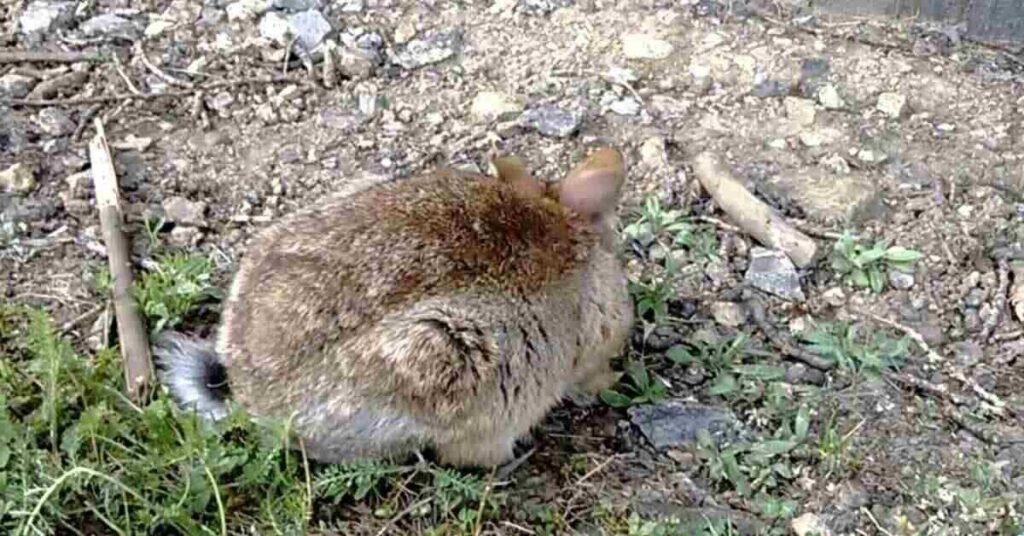
Yes, blind rabbits can live a normal and happy life. They quickly learn to use their hearing and smell to understand their space. Once they memorize their surroundings, they move with confidence. A calm and stable home helps them feel safe.
Daily care plays a big role in their comfort. Keeping food bowls and furniture in the same place reduces stress. Gentle handling and soft sounds help build trust. With patience and love, blind rabbits enjoy playtime, rest, and bonding just like other rabbits.
How Blind Rabbits Adapt Without Vision
Blind rabbits rely on their strong senses to understand the world. They use their hearing to notice footsteps and familiar sounds. Their sense of smell helps them find food and recognize people. Over time, they memorize their space and move with confidence.
Routine plays an important role in their adjustment. Keeping items in the same place helps them feel secure. Gentle voice cues guide them during handling. With patience and care, blind rabbits live calmly and stay active.
Daily Care Tips for a Blind Rabbit
Caring for a blind rabbit requires some simple daily habits. A safe and consistent environment helps them feel secure. Regular feeding, clean water, and gentle handling make a big difference. With small adjustments, they can live happily and confidently.
Daily care tips include:
- Keep food and water bowls in the same place every day
- Avoid moving furniture or toys frequently
- Use soft sounds or gentle claps to guide them
- Provide safe spaces to hide and rest
- Regularly check their health and eyes for any issues
- Spend time bonding through touch and voice cues
Creating a Safe and Familiar Home Environment
A safe home is very important for blind rabbits. Keep furniture and toys in the same place. This helps them remember their surroundings. Avoid sharp edges or objects they could bump into. Soft bedding and quiet areas make them feel secure.
Consistency is key for a blind rabbit’s comfort. Create clear paths for food, water, and litter areas. Use gentle sounds to guide them if needed. Spending time near them helps them learn the home better. A familiar environment reduces stress and keeps them happy.
Understanding Blind Rabbit Behavior
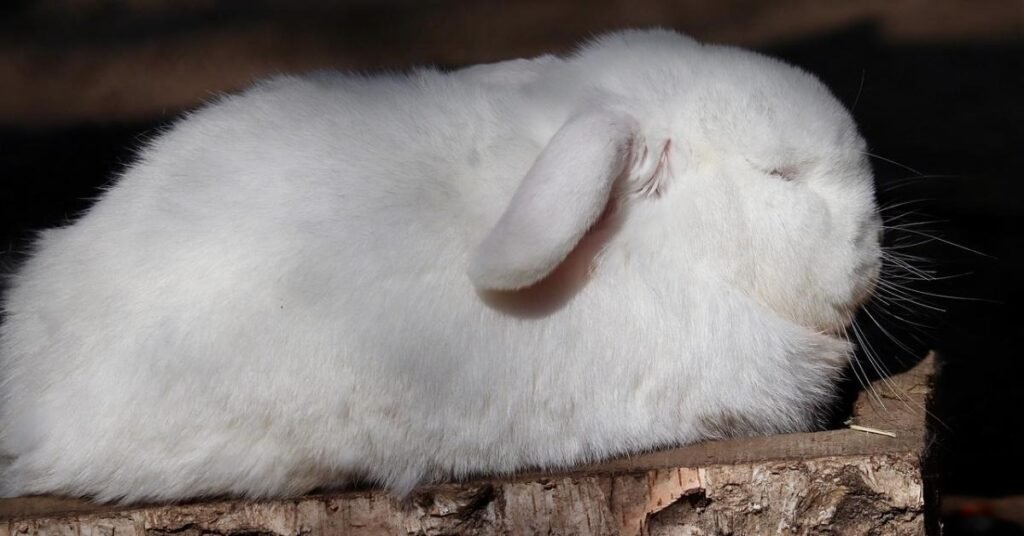
Blind rabbits behave differently from sighted rabbits, but they are still curious and playful. They rely on their senses of smell, hearing, and touch to explore. They may move slowly at first, but once they learn their space, they become confident.
These rabbits show trust through gentle nudges and soft sounds. They enjoy quiet bonding time and familiar routines. Understanding their behavior helps owners provide comfort, safety, and a happy environment.
Signs of Stress or Confidence in Blind Rabbits
Blind rabbits can show clear signs when they feel stressed or confident. Observing their body language and behavior helps owners respond quickly. Stress may appear as hiding, freezing, or being unusually quiet. Confident rabbits move freely, explore, and interact with you.
Here is a detailed table to understand these signs
| Behavior | Sign of Stress | Sign of Confidence | What It Means | How to Help |
| Movement | Freezing or shaking | Moving confidently | Fear or comfort level | Give space, gentle guidance |
| Eating | Refusing food | Eating regularly | Anxiety or relaxed | Keep routine meals |
| Interaction | Hiding from touch | Nuzzling or nudging | Distrust or trust | Spend calm bonding time |
| Vocalization | Loud thumping or squeaking | Soft grooming sounds | Alarm or calm | Reduce sudden noises |
| Body Posture | Hunched, tense | Relaxed, stretched | Stress or comfort | Provide safe resting spots |
| Exploration | Avoiding areas | Curiously exploring | Fear or confidence | Keep familiar layout |
| Grooming | Ignoring self-cleaning | Regular grooming | Stress or normal | Encourage comfort, quiet space |
Feeding and Nutrition for Blind Rabbits
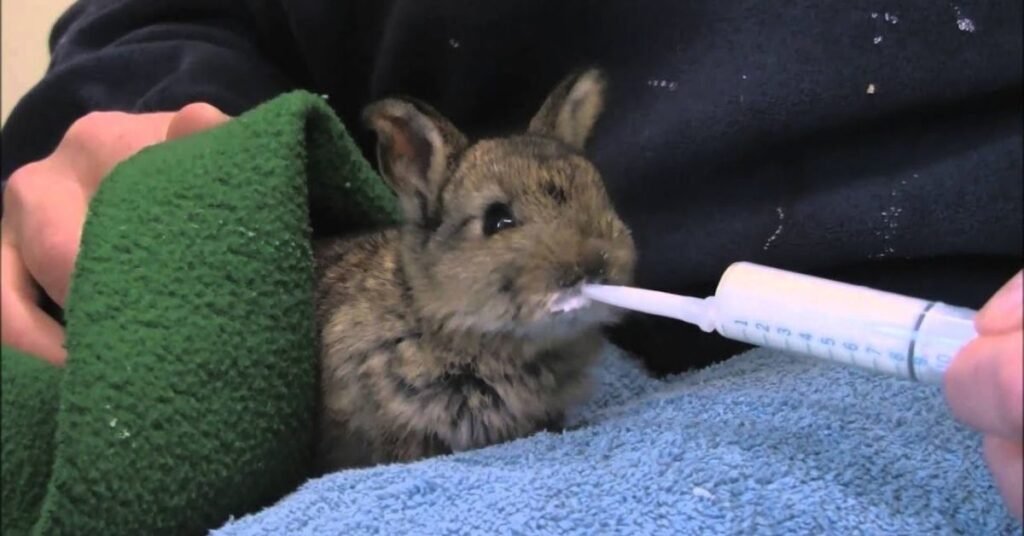
Feeding a blind rabbit properly is essential for their health and happiness. They need a balanced diet to stay strong, active, and stress-free. Fresh hay, crisp vegetables, and clean water should always be available. Keeping feeding times and locations consistent helps them feel safe and confident.
Here is a unique guide to feeding blind rabbits:
| Food Type | Examples | How Often | Benefits | Tips for Blind Rabbits |
| Hay | Timothy, Meadow, Orchard | Unlimited | Supports digestion, keeps teeth healthy | Place hay in the same spot every day for easy access |
| Fresh Vegetables | Carrot tops, Romaine, Kale, Spinach | 2–3 times daily | Supplies essential vitamins and fiber | Chop veggies into small pieces so they can find them easily |
| Pellets | High-fiber rabbit pellets | 1–2 times daily | Maintains overall health | Keep the bowl in a fixed location to avoid confusion |
| Water | Clean, fresh water | Unlimited | Prevents dehydration | Use a heavy dish or water bottle to avoid spills |
| Treats | Apple slices, berries, small fruit pieces | Occasionally | Adds variety and enjoyment | Remove seeds and cut into small, safe pieces |
| Herbs | Basil, Parsley, Mint | Occasionally | Enhances flavor and nutrition | Introduce one herb at a time to prevent upset stomach |
Health Problems Common in Blind Rabbits
Blind rabbits can face specific health challenges that need attention. Eye problems are common, but other health issues can affect them too. Regular checkups with a vet help spot problems early. Observing their behavior daily also keeps them safe and healthy.
Common health problems include:
- Eye infections or untreated injuries
- Dental issues from uneven teeth or poor diet
- Digestive problems like gas or diarrhea
- Respiratory infections or sneezing
- Obesity from lack of exercise
- Stress-related behaviors such as over-grooming
When to Visit a Vet for a Blind Rabbit
It is important to take your blind rabbit to the vet regularly. Routine checkups help catch health issues early. Even small changes in behavior, eating, or movement can signal a problem.
Visit a vet immediately if your rabbit shows signs of illness. These include eye discharge, loss of appetite, unusual breathing, or sudden changes in behavior. Prompt care keeps your blind rabbit healthy and comfortable.
Conclusion
Caring for a blind rabbit may seem challenging at first, but it is very rewarding. With patience, love, and simple adjustments, they can live happy and confident lives. Understanding their needs helps them feel safe and comfortable every day.
Creating a stable home, providing proper food, and observing their behavior are key to their well-being. Blind rabbits rely on routine, gentle guidance, and familiar spaces. Small efforts from owners make a big difference in their happiness and health.
Regular vet visits and proper care ensure they stay healthy and active. Bonding with your blind rabbit builds trust and joy for both of you. With care and attention, blind rabbits can enjoy a full and loving life just like any other pet.
FAQs
1. Can blind rabbits live a normal life?
Yes, blind rabbits can live a happy and active life. They rely on their hearing, smell, and memory to navigate safely. With a stable home and gentle care, they adapt very well.
2. What causes blindness in rabbits?
Blindness can occur from birth, aging, eye injuries, infections, or poor nutrition. Regular health checks help detect problems early and prevent further damage.
3. How can I make my home safe for a blind rabbit?
Keep furniture and toys in fixed positions. Provide clear paths for food, water, and litter. Soft bedding and quiet areas reduce stress and help them feel secure.
4. What should I feed a blind rabbit?
Blind rabbits need unlimited hay, fresh vegetables, high-fiber pellets, and clean water daily. Treats and herbs can be given occasionally, with small, easy-to-find portions.
5. How do I know if my blind rabbit is stressed or happy?
Stress signs include hiding, freezing, or refusing food. Confident rabbits move freely, explore, and interact with you. Observing behavior helps ensure they are healthy and comfortable.
