

Introduction
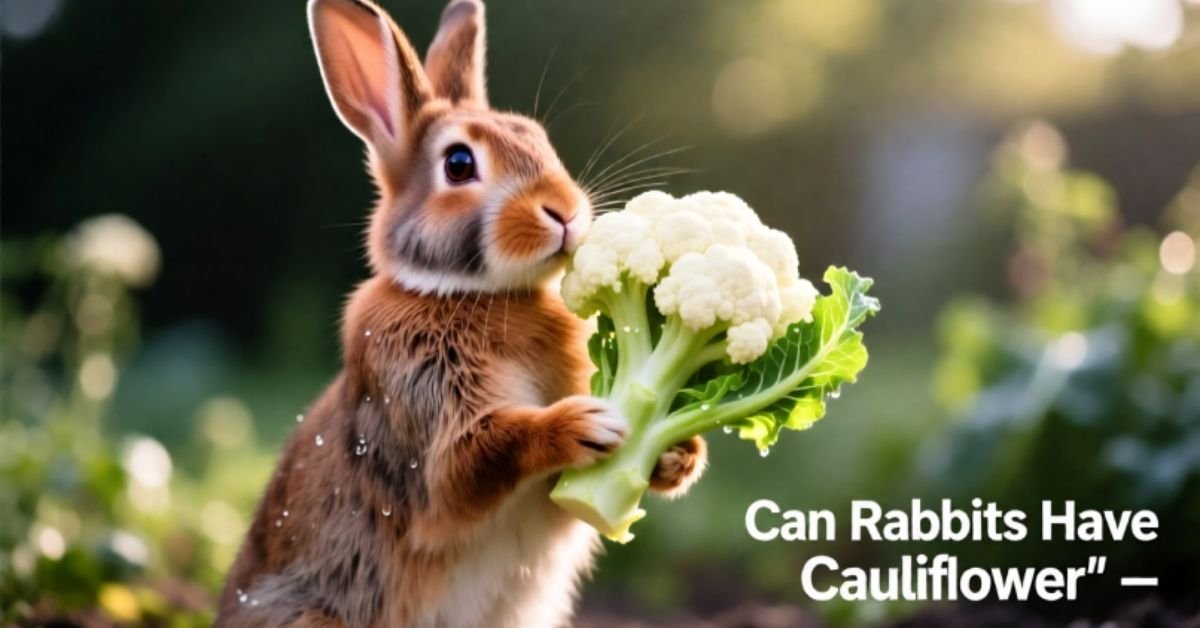
Many rabbit owners ask, Can Rabbits Have Cauliflower, when choosing vegetables for their pets. Cauliflower is a common vegetable eaten by humans. It belongs to the cruciferous family and has white florets and green leaves.
Feeding the wrong food can upset a rabbit’s stomach. This is why the question Can Rabbits Have Cauliflower is so important for new and experienced owners. Rabbits have sensitive digestion, and not every vegetable is safe for them.
This guide explains whether Can Rabbits Have Cauliflower safely and in what amount. You will learn about the benefits and possible risks. It also shares simple tips to feed cauliflower the right way.
Is Cauliflower Safe for Rabbits?
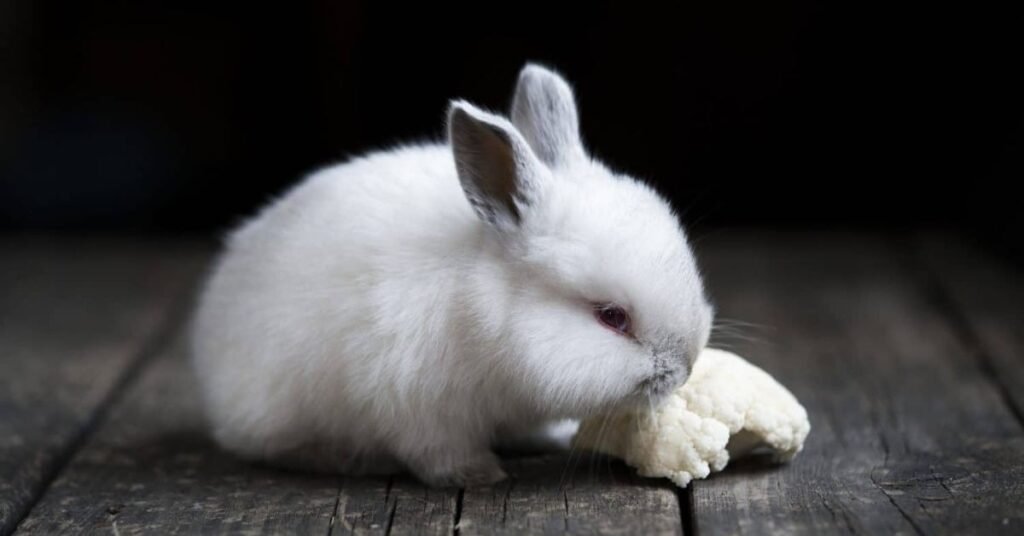
Cauliflower is not toxic to rabbits. Most rabbits can eat small amounts of cauliflower without serious problems. However, it is not a daily food. Cauliflower can cause gas in a rabbit’s stomach. Gas pain can be uncomfortable and sometimes dangerous.
Some parts of cauliflower are safer than others. The green leaves are easier to digest than the white florets. Florets should only be given in tiny portions. Always watch your rabbit after feeding cauliflower. If you notice bloating or behavior changes, stop feeding it right away.
Why Some Rabbits Can Eat It and Others Can’t
Every rabbit is different. Some rabbits have strong digestion and handle new foods well. Others have very sensitive stomachs. Age, health, and diet all matter. A rabbit used to fresh greens may tolerate cauliflower better. A rabbit with past stomach issues may not.
Portion size also plays a big role. Even healthy rabbits can get gas if they eat too much cauliflower. Sudden food changes can upset the gut. This is why some rabbits eat it without trouble, while others react badly. Always introduce new foods slowly.
| Factor | Why It Matters | Effect on Cauliflower Tolerance |
| Digestive Sensitivity | Some rabbits have weak digestion | Sensitive rabbits may get gas or pain |
| Age of Rabbit | Young or old rabbits digest differently | Older rabbits may struggle more |
| Overall Health | Healthy gut works better | Sick rabbits react faster |
| Previous Diet | Used to greens or not | Greens-fed rabbits adapt better |
| Portion Size | Too much causes gas | Small portions reduce risk |
| Feeding Frequency | How often it is given | Rare feeding is safer |
| Type of Cauliflower | Leaves vs florets | Leaves are easier to digest |
| Speed of Introduction | Sudden or slow change | Slow introduction is safer |
| Activity Level | Active rabbits digest better | Lazy rabbits may bloat |
| Water Intake | Helps digestion | Low water increases risk |
Health Benefits of Cauliflower for Rabbits

Cauliflower has some nutrients that can help rabbits. In small amounts, it contains vitamins and minerals. These nutrients support overall health. Rabbits, however, do not benefit from cauliflower as a superfood.
Cauliflower is also high in water. This helps with hydration but does not replace fresh water. Too much cauliflower can cause gas because of its fiber type. That is why balance is important. Rabbits still need hay as their main food.
Key nutrients found in cauliflower:
- Vitamin C for immune support
- Vitamin K for healthy blood clotting
- Fiber to support digestion
- Potassium for muscle function
- Antioxidants for overall health
Vitamins, Fiber, and Minerals Explained
Cauliflower contains vitamins that support a rabbit’s body. Vitamin C helps the immune system stay strong. Vitamin K supports healthy blood and healing. These vitamins are helpful but only in small amounts. Rabbits should not rely on cauliflower for daily nutrition.
Fiber and minerals are also present in cauliflower. Fiber helps move food through the gut. However, this fiber can cause gas if eaten too much. Minerals like potassium support muscles and nerves. This is why cauliflower should be fed in moderation.
| Nutrient | What It Does | Benefit for Rabbits | Risk if Overfed | Feeding Notes |
| Vitamin C | Supports immunity | Helps fight illness | Stomach upset | Small amounts only |
| Vitamin K | Helps blood clotting | Supports healing | Rare issues | Safe in moderation |
| Dietary Fiber | Aids digestion | Keeps gut moving | Gas and bloating | Hay is still better |
| Potassium | Supports muscles | Helps nerve function | Digestive stress | Feed rarely |
| Folate (B9) | Supports cell growth | Aids body functions | Upset stomach | Treat-level only |
| Water Content | Helps hydration | Prevents dryness | Loose stools | Balance with hay |
| Antioxidants | Protect cells | General health support | Minimal benefit | Not essential |
Risks of Feeding Cauliflower to Rabbits
Cauliflower can cause stomach problems in rabbits. The biggest risk is gas buildup. Rabbits cannot pass gas easily. This can lead to pain and discomfort. In severe cases, gas can become a serious health issue. That is why cauliflower should never be a daily food.
Cauliflower can also upset digestion if given in large amounts. Sudden changes in diet can harm the gut. Some rabbits may get loose stools or lose appetite. Always introduce cauliflower slowly. Stop feeding it if your rabbit shows signs of discomfort.
Common risks of feeding cauliflower to rabbits:
- Gas and bloating
- Stomach pain
- Reduced appetite
- Soft or loose droppings
- Digestive stress from overfeeding
- Problems from sudden diet changes
Gas, Bloating, and Digestive Problems
A rabbit’s stomach works very differently from a human’s stomach. Cauliflower breaks down slowly inside the gut. As it digests, it can create excess air. This trapped air presses against the stomach walls. Rabbits cannot release this pressure on their own. Even a small serving can lead to sudden discomfort.
When gas stays inside, bloating can form quickly. The belly may feel tight and painful. Movement slows because the rabbit feels unwell. Digestion may also slow or stop. This makes the problem more serious than it looks. Careful feeding is the only safe approach.
| Digestive Concern | What Triggers It | Subtle Signs | Serious Risk | Immediate Action |
| Excess Gas | Slow vegetable breakdown | Stretching or shifting | Pain buildup | Remove cauliflower |
| Abdominal Pressure | Air trapped in gut | Sitting still | Organ stress | Watch closely |
| Gut Imbalance | Fiber type mismatch | Uneven droppings | Digestive upset | Feed hay only |
| Appetite Drop | Discomfort while eating | Skipping meals | Energy loss | Monitor intake |
| Bowel Slowdown | Reduced gut movement | Smaller fecal pellets | Stasis threat | Vet advice |
| Moist Droppings | Digestive disturbance | Sticky rear fur | Dehydration | Stop vegetables |
| Weak Activity | Body conserving energy | Less hopping | Health decline | Observe behavior |
| Complete Gut Shutdown | Severe bloating | No droppings | Critical condition | Emergency vet care |
How Much Cauliflower Can Rabbits Eat?
Cauliflower can be consumed by rabbits, but only in small amounts. Cauliflower should be treated as an occasional food, not a daily meal. A few small florets or a small piece of cauliflower leaves are enough. Too much cauliflower can cause gas and stomach discomfort in rabbits. Always start with a very small amount to see how your rabbit reacts.
It is best to give cauliflower one or two times a week. Fresh hay should still make up most of your rabbit’s diet. Clean the cauliflower well before feeding it. Never give cooked cauliflower to rabbits. If you notice bloating or soft droppings, stop feeding cauliflower right away.
Which Parts of Cauliflower Can Rabbits Eat?
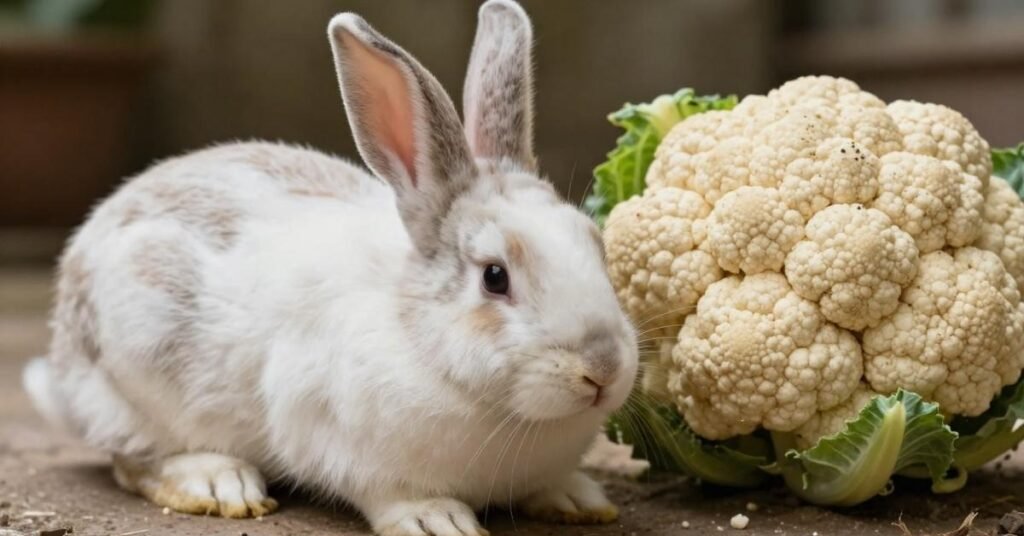
Rabbits can eat several parts of cauliflower safely. Some parts are better than others. The green parts are usually easier to digest. All cauliflower should be fresh and clean before feeding. Always give small amounts at first to avoid stomach problems.
Rabbits can eat the following parts of cauliflower:
- Cauliflower leaves, which are the safest and healthiest option
- Cauliflower stems in small pieces, as they are hard and fibrous
- Cauliflower florets in very small amounts, because they can cause gas
Leaves vs Florets vs Stems
Cauliflower leaves are the best choice for rabbits. They are soft and easy to chew. Leaves also have more fiber, which helps digestion. Most rabbits enjoy the taste of the leaves. Florets are the white parts and should be given carefully. They can cause gas if fed too often. Stems are hard and fibrous, so they must be cut into small pieces.
Each part of cauliflower affects rabbits differently. Feeding the right part in the right amount is very important. Leaves can be given more often than florets and stems. Florets and stems should only be occasional treats. Always watch your rabbit after trying a new food.
| Cauliflower Part | Is It Safe for Rabbits | How Often to Feed | Portion Size | Digestibility Level | Notes |
| Leaves | Yes, very safe | 2 to 3 times a week | A small handful | Easy to digest | Best option for rabbits |
| Florets | Yes, with caution | Once a week | 1 to 2 small pieces | Can cause gas | Introduce slowly |
| Stems | Yes, in small amounts | Once a week | Thin slices | Hard to digest | Cut into small pieces |
| Cooked parts | No | Never | None | Poor | Cooking removes nutrients |
| Seasoned parts | No | Never | None | Unsafe | Can harm rabbits |
How to Introduce Cauliflower to a Rabbit’s Diet
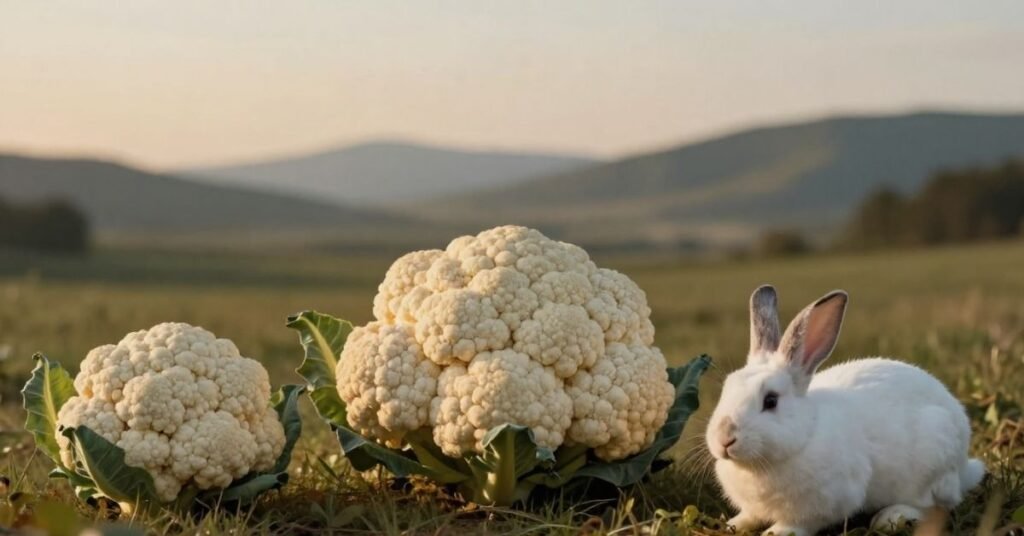
Start by giving your rabbit a very small piece of cauliflower. Choose fresh and clean cauliflower leaves first. Leaves are easier on the stomach.You should only introduce one new food at a time.This helps you notice any bad reaction. Always make sure your rabbit has plenty of hay and fresh water.
Watch your rabbit for the next 24 hours. Check for gas, bloating, or soft droppings.You can gradually increase the amount if everything looks normal. Do not give cauliflower every day. Keep it as an occasional treat. If your rabbit shows any discomfort, stop feeding cauliflower right away.
Best Alternatives to Cauliflower for Rabbits
Some rabbits do not digest cauliflower well. In that case, safer vegetables are a better choice. Many leafy greens are gentle on the stomach. These foods can be given more often. Always introduce new vegetables slowly. Fresh hay should still be the main food.
Good alternatives to cauliflower include:
- Romaine lettuce, which is light and easy to digest
- Cilantro and parsley, fed in small amounts
- Basil and mint, which most rabbits enjoy
- Carrot tops, which are healthier than carrots
- Bok choy leaves, given in moderation
Conclusion
Cauliflower can be a safe food for rabbits when given correctly. It should never replace hay or regular greens. Small portions are very important. Every rabbit reacts differently to new foods.
Cauliflower leaves are the best option among all parts. Florets and stems should be given less often. Always introduce cauliflower slowly. Watch your rabbit closely after feeding it.
If your rabbit shows any stomach problems, stop feeding cauliflower. There are many safer vegetables available. A balanced diet keeps your rabbit happy and healthy. Simple care makes a big difference.
FAQs
1. Can rabbits eat cauliflower every day?
No, rabbits should not eat cauliflower every day. It can cause gas and stomach issues. Cauliflower should be given only as an occasional treat.
2. Are cauliflower leaves safe for rabbits?
Yes, cauliflower leaves are safe and healthy for rabbits. They are easier to digest than other parts. Leaves can be fed more often in small amounts.
3. Can baby rabbits eat cauliflower?
It is best to avoid cauliflower for baby rabbits. Their digestive system is very sensitive. Stick to hay and safe leafy greens recommended for young rabbits.
4. What should I do if my rabbit gets gas after eating cauliflower?
Stop feeding cauliflower immediately. Make sure your rabbit eats plenty of hay and drinks water. If symptoms continue, contact a vet.
5. Can rabbits eat cooked cauliflower?
No, rabbits should never eat cooked cauliflower. Cooking removes nutrients and makes it hard to digest. Always feed raw and fresh vegetables only.
