

Introduction
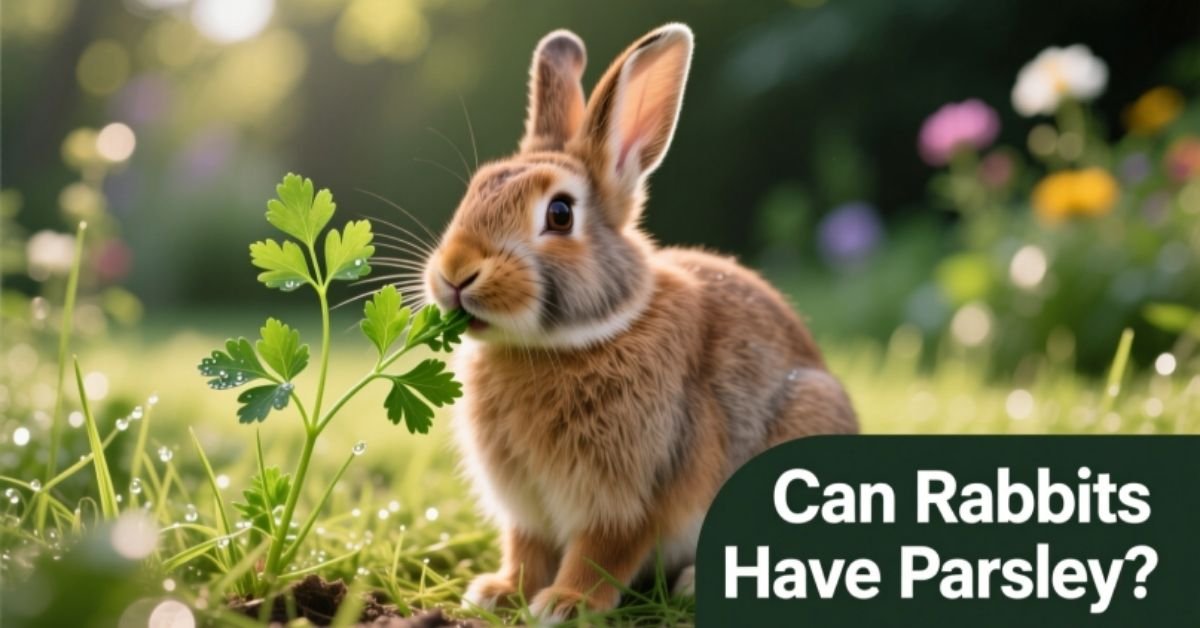
Rabbits eat many fresh foods, but not all herbs are safe. Parsley is a common green herb found in many homes. Many pet owners ask, can rabbits have parsley, before adding it to their diet.
You may see mixed advice online and feel unsure. Some sources say it is healthy, while others mention risks. This often leads people to ask again, can rabbits have parsley, and how much is safe.
The answer depends on how parsley is fed and in what amount. When given correctly, it can offer some benefits but also has limits. This guide explains everything clearly so you understand can rabbits have parsley and how to feed it safely.
Can Rabbits Have Parsley?

Rabbits can eat parsley, but only in limited amounts. Parsley is a leafy herb with a strong smell and taste. It contains useful nutrients that can support your rabbit’s health. Many rabbits like it when it is offered fresh.
Even though it is safe, parsley should not be a daily food. Feeding too much may cause digestive problems. Give small portions and watch how your rabbit reacts. Fresh, clean parsley works best as a treat, not a main meal.
Is Parsley Safe for Adult Rabbits?
Parsley is generally safe for adult rabbits. Their digestive system is more developed than young rabbits. This helps them handle a wider variety of leafy greens. When given in small amounts, parsley can be a healthy treat.
Still, adult rabbits should not eat parsley every day. Too much can cause stomach discomfort or soft droppings. It is best to mix parsley with other safe greens. Always serve it fresh and clean for the best results.
Nutritional Benefits of Parsley for Rabbits
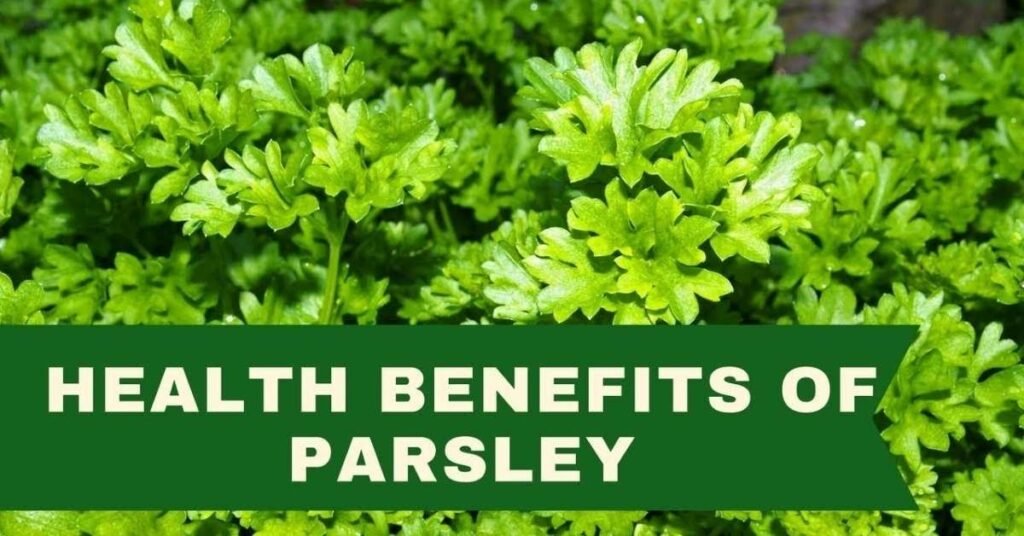
Parsley offers several nutrients that can support a rabbit’s health. It is low in calories and adds variety to their diet. When fed in small amounts, it can be a healthy addition to fresh greens.
Parsley contains helpful vitamins and minerals, such as:
- Vitamin C to support the immune system
- Vitamin K for healthy blood and bones
- Vitamin A for eye and skin health
- Antioxidants that help protect cells
Vitamins & Minerals in Parsley
Parsley contains several nutrients that can support a rabbit’s health. These nutrients help with vision, digestion, and overall body function. When parsley is fed in small amounts, it can add useful nutrition to a rabbit’s diet.
Each vitamin and mineral has a different role. Fiber helps digestion, while vitamins support organs and immunity. The table below explains how each nutrient helps rabbits.
| Nutrient | What It Does | Benefit for Rabbits |
| Vitamin A | Supports eyes and skin | Helps keep vision clear and skin healthy |
| Vitamin C | Boosts the immune system | Helps the body fight illness |
| Vitamin K | Aids blood clotting | Supports healthy bones and healing |
| Fiber | Supports digestion | Helps keep the gut working properly |
Risks of Feeding Parsley to Rabbits
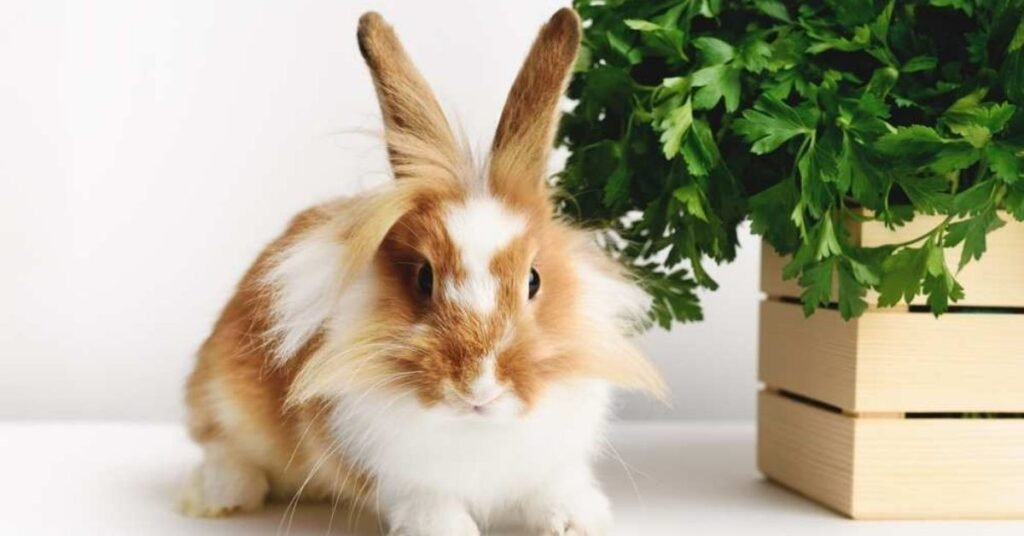
Parsley is safe in small amounts, but it also has some risks. Feeding too much parsley can upset a rabbit’s stomach. Rabbits have sensitive digestion, so sudden changes in food can cause problems.
Some possible risks of feeding parsley include:
- Stomach discomfort or gas
- Soft stools or diarrhea
- Loss of appetite if overfed
- Too much calcium over time
Digestive Issues & Bloating
Rabbits have very sensitive stomachs. Too much parsley can slow digestion. This may lead to gas and bloating. These problems can make rabbits feel uncomfortable and weak.
Digestive issues often happen when parsley is fed too often or in large amounts. Mixing parsley with other greens and feeding small portions helps reduce risk. The table below shows common problems and causes.
| Issue | Common Cause | Signs to Watch For | Prevention Tip |
| Gas buildup | Too much parsley | Swollen belly, discomfort | Feed small portions |
| Bloating | Sudden diet change | Less movement, low appetite | Introduce parsley slowly |
| Soft stools | Overfeeding greens | Wet or loose droppings | Balance with hay |
| Slow digestion | Low fiber intake | Lethargy | Always provide hay |
Calcium, Oxalates & Urinary Health
Parsley contains calcium and oxalates. These nutrients are safe in small amounts. However, too much can affect a rabbit’s urinary system. Rabbits process calcium differently than other animals.
High calcium foods may lead to bladder sludge or stones. Oxalates can also build up in the body over time. Feeding parsley too often increases this risk. The table below explains how these nutrients affect rabbits.
| Nutrient | Found in Parsley | Possible Effect | Risk if Overfed | Safety Tip |
| Calcium | Moderate amount | Supports bones | Bladder sludge | Feed occasionally |
| Oxalates | Present | Binds minerals | Urinary stones | Rotate greens |
| Urinary system | Affected by diet | Filters waste | Pain or discomfort | Provide fresh water |
| Balanced diet | Reduces risk | Supports health | Fewer issues | Focus on hay |
Best Ways to Feed Parsley to Your Rabbit
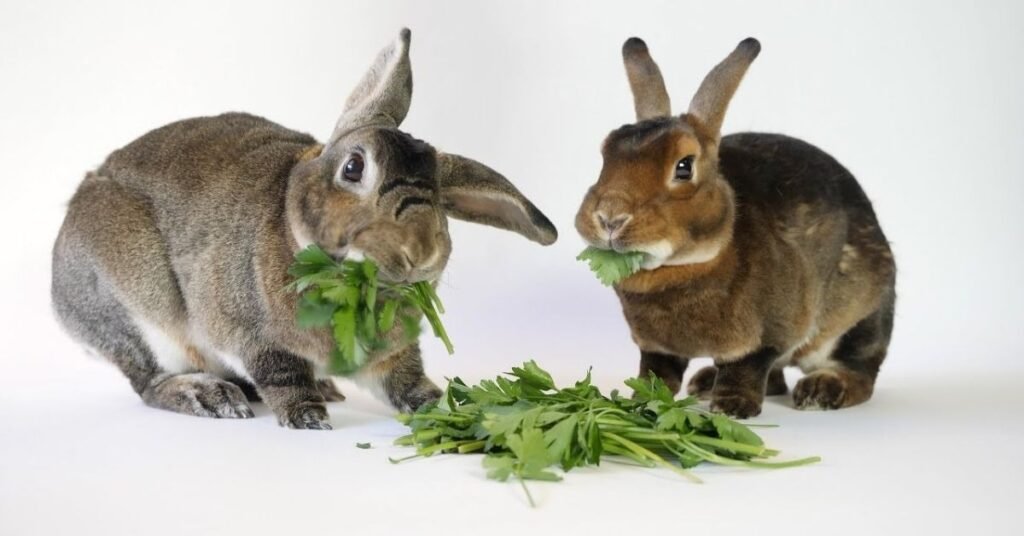
Parsley should be given in small portions. Always choose fresh and green parsley. Wash it well to remove dirt and chemicals. Chop it into small pieces before serving.
Introduce parsley slowly to your rabbit. Start with a small bite and watch for any stomach issues. Mix parsley with other safe leafy greens. This helps keep your rabbit’s diet balanced and healthy.
Parsley Alternatives – Other Safe Greens for Rabbits
Parsley is not the only safe green for rabbits. Feeding a mix of different greens is healthier. It prevents boredom and reduces the risk of stomach problems. Variety also helps balance nutrients.
Some safe green alternatives for rabbits include:
- Romaine lettuce
- Cilantro (coriander)
- Basil
- Mint
- Dandelion green
Common Myths About Parsley and Rabbits
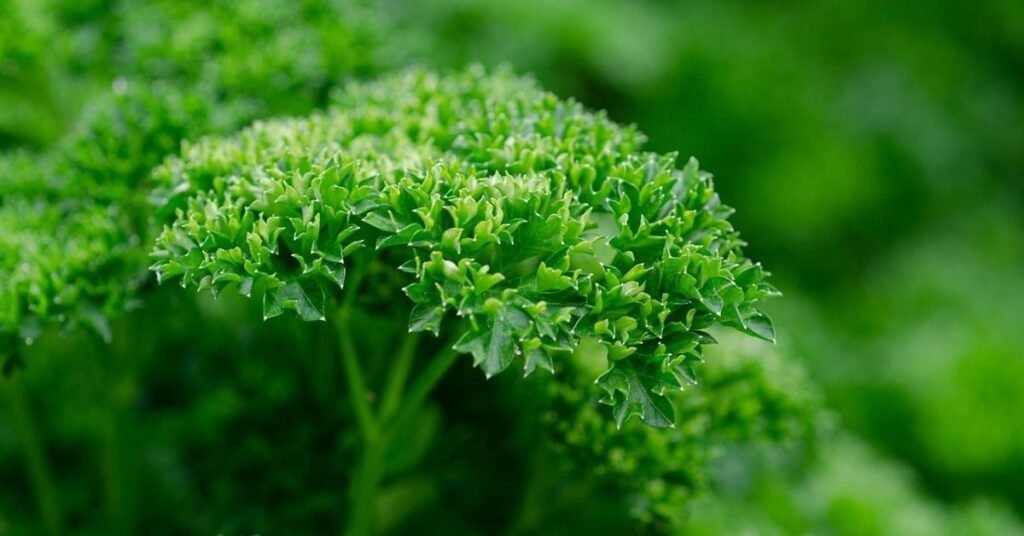
There are many myths about feeding parsley to rabbits. One common myth is that parsley is poisonous. This is not true when it is fed in small amounts. Parsley is safe as an occasional treat.
Another myth is that parsley can replace hay or vegetables. This is also false. Rabbits need hay as their main food. Parsley should only be a small part of the diet. Knowing the facts helps keep your rabbit healthy and safe.
Expert Tips for a Balanced Rabbit Diet
A balanced diet keeps rabbits healthy and active. Hay should always be the main food. It helps digestion and wears down teeth. Fresh greens add nutrients and variety.
Follow these simple tips for better feeding:
- Provide unlimited fresh hay every day
- Offer a mix of safe leafy greens
- Give herbs like parsley only as treats
- Make sure clean water is always available
Conclusion
Parsley can be a safe treat for rabbits when fed the right way. It offers some helpful nutrients and adds variety to meals. However, it should never be a main food.
Too much parsley can cause digestive or urinary problems. Small portions and occasional feeding are important. Always watch your rabbit’s reaction after trying new foods.
A healthy rabbit diet is all about balance. Hay should come first, with fresh greens added carefully. When you follow simple feeding rules, your rabbit can stay happy and healthy.
FAQs
1. Can rabbits eat parsley every day?
No, rabbits should not eat parsley daily.As a treat, it is best given occasionally. Too much can upset digestion or affect urinary health.
2. How much parsley is safe for a rabbit?
A small handful is enough for one serving. It should only be offered once or twice a week. Always mix it with other safe greens.
3. Is parsley safe for baby rabbits?
Parsley is not recommended for young rabbits. Baby rabbits have sensitive stomachs. Wait until they are at least 12 weeks old before introducing herbs.
4. Should parsley be fed raw or cooked?
Parsley should always be fed fresh and raw. Cooked parsley loses nutrients and may harm digestion. Wash it well before feeding.
5. What should I do if my rabbit gets sick after eating parsley?
Stop feeding parsley right away. Offer hay and fresh water only. If symptoms continue, contact a rabbit-savvy vet.
