

Introduction
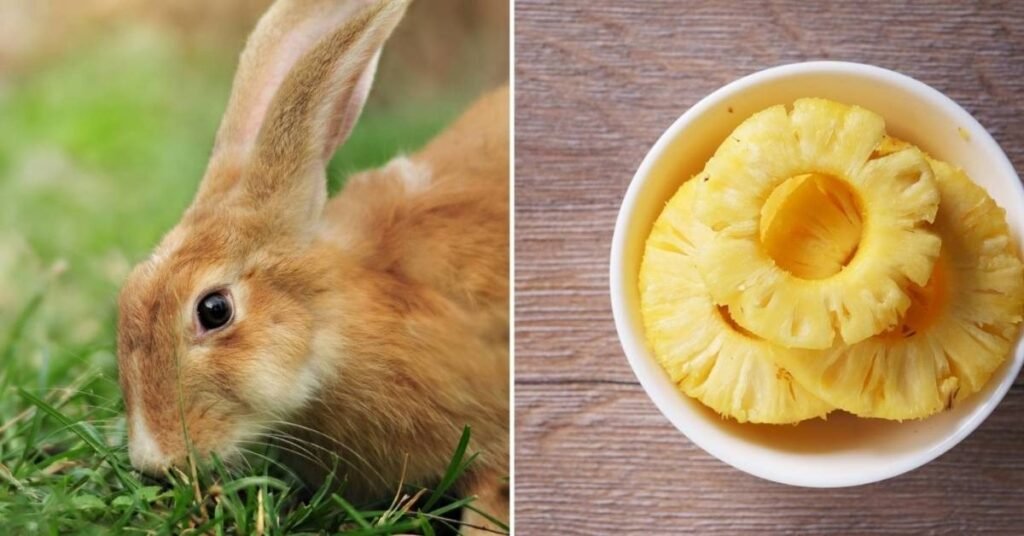
Rabbits need a healthy and balanced diet to stay active and happy. Their main food should be hay, fresh vegetables, and clean water. Many rabbit owners also ask, can rabbits have pineapple as part of their diet. Pineapple is a sweet tropical fruit, but it may not always be safe for rabbits.
The sweet smell and taste of pineapple can attract your rabbit very quickly. You might wonder, can rabbits have pineapple as a treat like other fruits. Not all human foods are safe for rabbits. Some fruits can upset their stomach if given too often or in large amounts.
In this guide, we will clearly explain can rabbits have pineapple or not. You will learn about safety, possible benefits, and proper feeding tips. This information will help you keep your rabbit healthy and avoid common feeding mistakes.
Can Rabbits Have Pineapple?
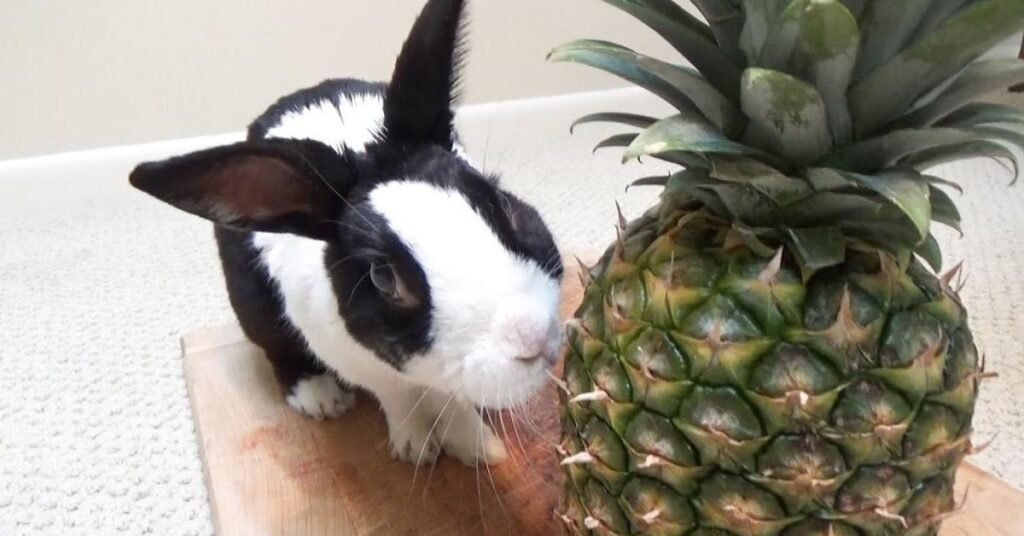
Yes, rabbits can have pineapple, but only in very small amounts. Pineapple is high in natural sugar. Too much sugar can harm a rabbit’s sensitive stomach. That is why pineapple should be given as an occasional treat, not daily food.
Fresh pineapple is the best choice for rabbits. Canned pineapple is not safe because it contains added sugar and syrup. Always remove the skin and hard core before feeding. Give only a small bite and watch your rabbit for any signs of stomach upset.
Is Pineapple Safe for Rabbits to Eat?
Pineapple is not toxic to rabbits, but it must be treated as a rare treat. Rabbits cannot handle sugary foods very well. Eating too much pineapple can upset their stomach and affect digestion. Small amounts are usually safe for healthy adult rabbits.
Fresh pineapple is the safest option to offer. Avoid canned, dried, or packaged pineapple at all times. These contain added sugar and chemicals. Always cut off the skin and hard center. Give a tiny piece and observe your rabbit for any signs of discomfort.
Nutritional Value of Pineapple for Rabbits
Pineapple contains some useful nutrients for rabbits. It has vitamins that support overall health. It also contains a lot of water, which helps with hydration. However, pineapple is high in natural sugar, so it should not replace regular rabbit food.
Pineapple offers small nutritional benefits when given in tiny amounts. It should only be an occasional treat. Hay and leafy greens should always come first in a rabbit’s diet.
Key nutrients found in pineapple:
- Vitamin C to support the immune system
- Vitamin B6 for normal body function
- Manganese for healthy bones
- Natural enzymes that help break down food
- High water content for hydration
Vitamins, Sugar Content, and Digestive Impact
Pineapple contains vitamins that can support a rabbit’s body. Vitamin C helps the immune system stay strong. Small amounts of B vitamins also help with energy. These nutrients can be helpful, but only in very small servings. Rabbits already get most vitamins from hay and fresh greens.
Pineapple is also high in natural sugar. Too much sugar can slow digestion and cause stomach problems. It may lead to soft stools or diarrhea. This is why pineapple should be a rare treat. It should never be fed in large pieces or often.
| Nutrient / Factor | Found in Pineapple | Benefit for Rabbits | Possible Risk | Feeding Note |
| Vitamin C | Yes | Supports immune health | Not essential in high amounts | Small portions only |
| Vitamin B6 | Yes | Helps normal body function | Excess not needed | Treat use only |
| Natural Sugar | High | Quick energy | Digestive upset | Limit strictly |
| Fiber | Low | Minor digestive support | Not enough for gut health | Hay is better |
| Bromelain Enzyme | Present | Helps break down food | Can irritate gut if overfed | Very small servings |
| Water Content | High | Helps hydration | None if limited | Fresh fruit only |
| Acidity | Moderate | None for rabbits | May upset stomach | Avoid frequent feeding |
Health Benefits of Pineapple for Rabbits
Pineapple can provide a few minor benefits for rabbits if given in very small amounts. It is rich in vitamins that support overall health and immunity. The fruit’s high water content can also help keep rabbits hydrated, especially in warm weather. However, it should never replace hay or leafy greens in their diet.
The natural enzymes in pineapple may slightly help with digestion. Some owners notice their rabbits enjoy the taste, which can encourage eating. Still, pineapple should only be a rare treat and not used to solve digestive issues.
Potential benefits of pineapple for rabbits:
- Boosts immune health with vitamin C
- Helps keep rabbits hydrated
- Provides small amounts of essential vitamins
- Contains enzymes that may aid digestion
- Adds a tasty, occasional treat to their diet
Can Pineapple Help With Rabbit Digestion and Hairballs?
Some people think pineapple can help rabbits with digestion and hairballs. Pineapple contains an enzyme called bromelain. This enzyme may help break down food and reduce minor digestive issues. However, rabbits have a very sensitive gut. Pineapple alone cannot prevent serious digestive problems.
Feeding too much pineapple can actually upset their stomach. Hairballs in rabbits are mostly managed by a high-fiber diet from hay, not fruit. Pineapple can only be a tiny, occasional treat. It should never replace proper nutrition.
| Factor | Presence in Pineapple | Possible Effect | Risk for Rabbits | Feeding Note |
| Bromelain Enzyme | Yes | May aid mild digestion | Can irritate gut if overfed | Tiny portions only |
| Natural Sugar | High | Quick energy | Can cause diarrhea or soft stools | Rare treats only |
| Fiber | Low | Minimal digestive support | Not enough to prevent hairballs | Hay is essential |
| Water Content | High | Helps hydration | None if limited | Fresh fruit only |
| Hairball Reduction | None direct | No proven effect | Overfeeding can worsen digestion | Do not rely on pineapple |
| Digestive Health | Minor support | Slight enzyme effect | Overfeeding risks gut upset | Use sparingly |
Risks of Feeding Pineapple to Rabbits
Feeding pineapple to rabbits comes with some risks. The fruit is high in natural sugar, which can upset a rabbit’s stomach. Too much sugar may cause diarrhea, bloating, or other digestive issues. Rabbits have delicate digestive systems, so portion control is very important.
Some parts of the pineapple are unsafe. The skin, core, and canned versions contain substances that rabbits should not eat. Even small amounts given too often can lead to health problems. Always offer pineapple sparingly and as a treat, not a regular food.
Risks of feeding pineapple to rabbits:
- High sugar content can cause diarrhea
- Overfeeding may lead to bloating or stomach upset
- Pineapple skin and core are unsafe
- Canned or processed pineapple contains harmful additives
- Can interfere with a balanced diet if given too often
Best Way to Prepare Pineapple for Rabbits
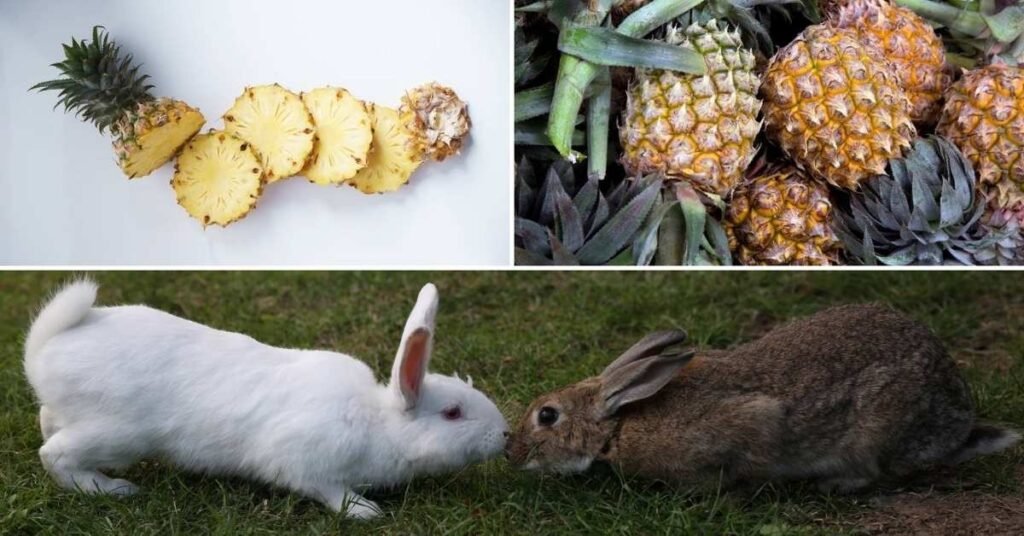
The safest way to offer pineapple to rabbits is fresh and natural. First, wash the fruit carefully to remove any dirt or chemicals. Peel off the tough outer skin and take out the hard core. Cut the fruit into tiny, manageable pieces so your rabbit can eat it easily.
Serve pineapple only in very small amounts as an occasional treat. Begin with a tiny piece to check how your rabbit tolerates it. Avoid canned, dried, or sweetened pineapple, as these can harm their digestion. Always watch your rabbit when introducing new foods to avoid stomach issues.
Follow these steps to prepare it safely:
- Wash the pineapple thoroughly before cutting
- Remove the tough skin completely
- Remove the hard core
- Cut the pineapple into very small, bite-sized pieces
- Offer only tiny portions at a time
- Start with a small piece to see how your rabbit reacts
- Never give canned, dried, or sweetened pineapple
- Always supervise your rabbit when trying new foods
Fresh vs Canned Pineapple and Proper Serving Tips
Fresh pineapple is always the best choice for rabbits. It contains natural vitamins, water, and enzymes without added sugar or preservatives. Rabbits can enjoy a tiny piece safely when prepared correctly. Always remove the skin and hard core before feeding.
Canned pineapple is not safe for rabbits. It usually contains syrup, sugar, or preservatives that can upset their stomach. Even small amounts of canned pineapple can cause diarrhea or digestive issues. Proper serving means offering only a tiny piece occasionally and watching your rabbit for any reactions.
| Feature | Fresh Pineapple | Canned Pineapple | Notes & Serving Tips |
| Sugar Content | Natural sugar | Added sugar, high | Fresh is safer; feed sparingly |
| Preservatives | None | Often present | Avoid canned for rabbits |
| Vitamins & Nutrients | High | Reduced | Fresh offers more health benefits |
| Water Content | High | Lower | Helps hydration; fresh preferred |
| Digestive Safety | Safe in small portions | Can cause diarrhea | Limit portion size |
| Preparation | Peel skin, remove core, cut small | Usually pre-cut but sugary | Only tiny bites for treats |
| Frequency | Occasional treat | Not recommended | Fresh only occasionally |
Can Baby Rabbits Eat Pineapple?
Baby rabbits have very delicate stomachs. Their digestive system is still developing. Pineapple is too sugary and acidic for them. Feeding pineapple to baby rabbits can cause diarrhea or stomach upset. It is not recommended for young bunnies.
If you want to give treats to baby rabbits, stick to safe options like small amounts of leafy greens. Always introduce new foods slowly. Fresh pineapple should only be given to adult rabbits in tiny amounts. Never give it to babies until they are fully grown and their digestion is strong.
Healthier Fruit Alternatives to Pineapple for Rabbits
While pineapple can be given occasionally, there are safer fruits for rabbits. Fruits with lower sugar content are better for their digestive health. These fruits can be fed in small amounts as treats without upsetting their stomach. Always introduce new fruits slowly and monitor your rabbit’s reaction.
Some healthier fruit alternatives to pineapple include:
- Strawberries : sweet and low in sugar
- Blueberries : small and packed with antioxidants
- Apples (without seeds) : crunchy and safe in tiny pieces
- Pears : soft and easy to chew
- Raspberries : gentle on the stomach
- Melon : hydrating and mild in flavor
Conclusion
Pineapple can be given to rabbits, but only in very small amounts. It is high in sugar, so too much can upset their stomach. Fresh pineapple is safe when prepared correctly, but canned or processed pineapple should be avoided.
Always remove the skin and core, and cut the fruit into tiny pieces. Serve pineapple as an occasional treat, not a regular part of their diet. Monitor your rabbit for any signs of digestive upset when introducing new foods.
There are also safer fruit alternatives like strawberries, blueberries, and melon. These fruits are lower in sugar and gentler on the stomach. Remember, hay and leafy greens should always make up the main part of your rabbit’s diet. Treats like pineapple are just a small addition for variety.
FAQs
1.Can rabbits eat pineapple every day?
No, rabbits should only have pineapple occasionally. Too much sugar can upset their stomach and cause diarrhea.
2.Is canned pineapple safe for rabbits?
No, canned pineapple contains added sugar and preservatives. Always give fresh pineapple in tiny amounts instead.
3.Can baby rabbits eat pineapple?
No, baby rabbits have delicate stomachs. Pineapple is too acidic and sugary for them.
4.How should I prepare pineapple for my rabbit?
Wash it, remove the skin and core, and cut it into small bite-sized pieces. Only give tiny portions occasionally.
5.Are there safer fruit alternatives to pineapple for rabbits?
Yes, fruits like strawberries, blueberries, melon, apples (without seeds), and pears are safer and lower in sugar.
