


Introduction
The pygmy rabbit is the smallest rabbit species in the world. It is a wild rabbit found mainly in the western United States. This tiny animal is known for its short ears, gray-brown fur, and shy nature. Unlike many rabbits, it depends heavily on sagebrush to survive.
Despite its small size, the pygmy rabbit has a fascinating life. It lives in underground burrows and is rarely seen in the wild. Many people are surprised to learn how unique this rabbit is compared to common rabbits. Its limited habitat and declining numbers make it even more interesting to learn about.
In this guide, you will learn where the pygmy rabbit lives, what it eats, and how it behaves in nature. We will also explore why this species is important and how it survives in harsh environments. This simple overview will help you understand this rare and special rabbit better.
What Is a Pygmy Rabbit?
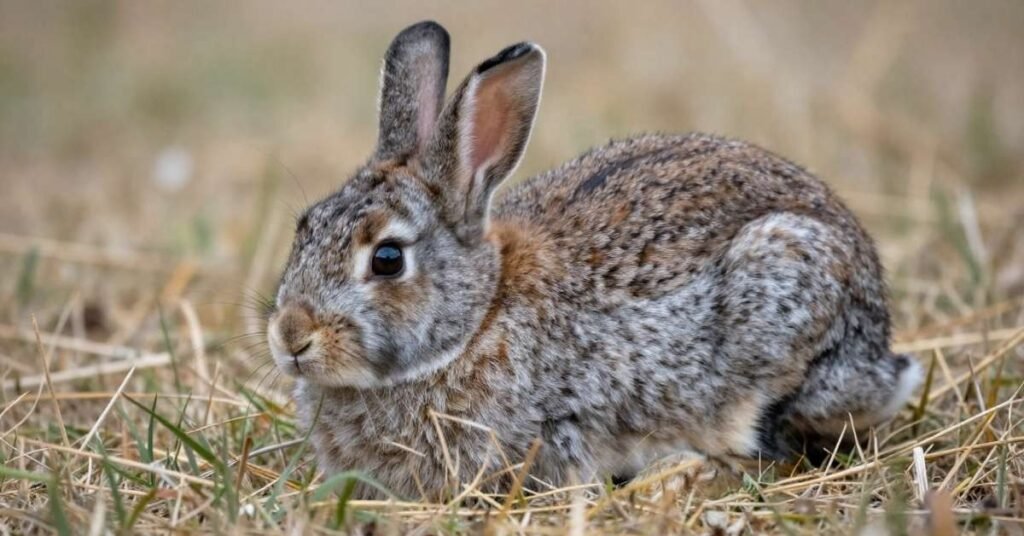
The pygmy rabbit is a tiny rabbit that lives only in the wild. It is found mostly in the western United States. This rabbit has a compact body, small ears, and dull brown-gray fur that helps it blend into its surroundings. It holds the title of the smallest rabbit species on Earth.
This rabbit depends heavily on sagebrush to survive. It digs its own burrows, which is rare among rabbits in North America. These tunnels protect it from predators and harsh weather. Because of its special lifestyle and limited range, the pygmy rabbit is truly one of a kind.
Scientific Name and Species Classification
The pygmy rabbit is known in science as Brachylagus idahoensis. It is part of the Leporidae family, which includes rabbits and hares. What makes this species special is that it stands alone in its genus. No other rabbit shares the Brachylagus name.
Experts use physical features and habits to classify this rabbit. Its tiny size, short ears, and strong link to sagebrush set it apart. Unlike many rabbits, it creates its own burrows. These clear differences help scientists place it in a unique category.
| Category | Information |
| Common Name | Pygmy Rabbit |
| Scientific Name | Brachylagus idahoensis |
| Animal Kingdom | Animalia |
| Phylum | Chordata |
| Class | Mammalia |
| Order | Lagomorpha |
| Family | Leporidae |
| Genus | Brachylagus |
| Species | idahoensis |
| Genus Type | Single-species genus |
| Native Range | Western United States |
| Main Food Source | Sagebrush |
| Burrow Behavior | Self-dug tunnels |
| Key Identifier | World’s smallest rabbit |
Size, Weight, and Unique Physical Features
The pygmy rabbit is very small compared to other rabbits. It usually grows to about 9 to 12 inches in length. Its weight is light and often stays under one pound. This tiny size helps it hide easily in dense bushes and grasses.
This rabbit has short ears, small legs, and a round body. Its fur is gray-brown, which blends well with sagebrush land. Unlike many rabbits, it does not have long ears or strong jumping legs. These features help it survive in its dry and open habitat.
| Feature | Description |
| Average Body Length | 9–12 inches |
| Average Weight | 0.8–1 pound |
| Body Shape | Compact and round |
| Ear Length | Short and rounded |
| Leg Size | Small with limited jumping ability |
| Fur Color | Gray-brown |
| Fur Texture | Soft and dense |
| Tail | Very short and hard to see |
| Eye Size | Small and dark |
| Camouflage Ability | Blends with sagebrush |
| Jumping Style | Short hops |
| Distinct Trait | Smallest rabbit species |
| Seasonal Coat Change | Slight color change in winter |
| Adaptation Purpose | Protection and concealment |
How to Identify a Pygmy Rabbit
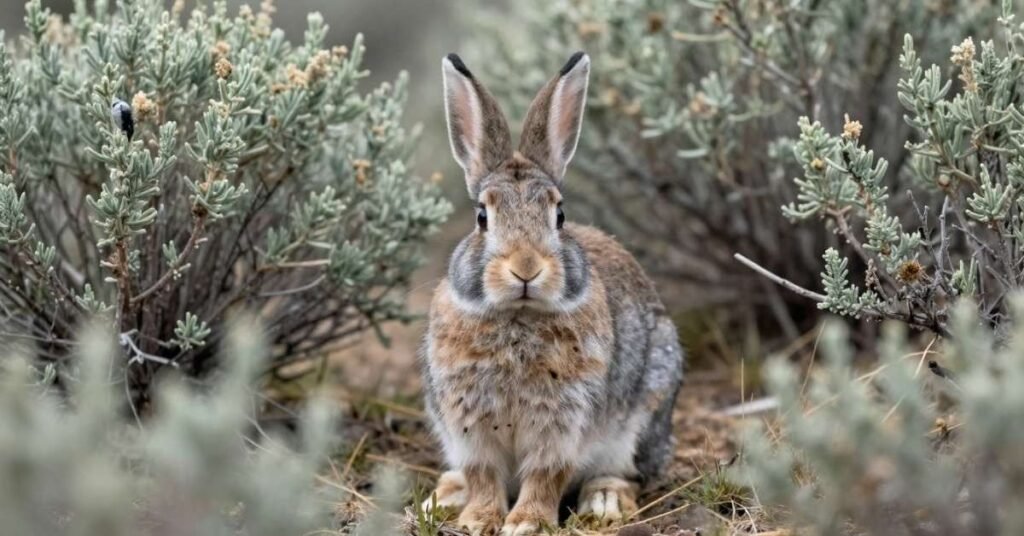
Identifying a pygmy rabbit is easier when you know its key features. It is very small, with a round body and short ears. Its gray-brown fur blends well with its surroundings. The rabbit’s short legs and tiny size make it look different from regular rabbits.
You can also spot it by its behavior. Pygmy rabbits stay close to sagebrush and rarely come out in the open. They dig small burrows for safety. Unlike other rabbits, they move in short hops and hide quickly if disturbed. Watching these traits helps you recognize this unique species.
Key Physical Traits
The pygmy rabbit has several features that make it unique. Its small size and short ears are the first things you notice. The gray-brown fur helps it blend into sagebrush and grasslands. Its body is round and compact, which makes it look different from other rabbits.
Other traits also help identify this rabbit. It has tiny legs, a short tail, and soft fur. Its movements are quick but in short hops.
These physical traits keep it safe from predators. Some key points include:
- Very small size, under 1 pound
- Short, rounded ears
- Gray-brown fur for camouflage
- Round, compact body
- Short legs for hopping in burrows
- Tiny tail, almost hidden
- Quick, short hopping movements
Differences Between Pygmy Rabbits and Other Wild Rabbits
Pygmy rabbits are smaller than most wild rabbits. They weigh less than one pound and have a compact, round body. Their ears are short, unlike the long ears of cottontail or jackrabbits. They also rely heavily on sagebrush for food, while other rabbits eat a variety of plants.
Behavior and habitat are different too. Pygmy rabbits dig their own burrows, which is rare for wild rabbits. They stay hidden and make short hops instead of long jumps. These differences make them unique among North American rabbits.
| Feature | Pygmy Rabbit | Other Wild Rabbits (e.g., Cottontail, Jackrabbit) |
| Average Length | 9–12 inches | 15–20 inches or more |
| Average Weight | 0.8–1 pound | 2–5 pounds |
| Ear Size | Short, rounded | Long, upright |
| Body Shape | Compact, round | Slim or elongated |
| Fur Color | Gray-brown, blends with sagebrush | Brown, gray, or mixed patterns |
| Habitat | Sagebrush, arid regions | Grasslands, forests, urban areas |
| Burrow Behavior | Digs own burrows | Uses existing burrows or nests above ground |
| Diet | Mostly sagebrush | Mixed plants, vegetables, and grasses |
| Movement | Short hops | Long leaps or fast running |
| Social Behavior | Shy, solitary | More social, sometimes in groups |
| Predators Avoidance | Camouflage, burrows | Speed and alertness |
| Unique Trait | Smallest North American rabbit | Larger size and diverse habitats |
Diet and Feeding Habits
Pygmy rabbits eat mostly plants that grow in their habitat. Sagebrush makes up the largest part of their diet. They also eat grasses, leaves, and small herbs when available. Their diet changes with the seasons to get the right nutrients.
These rabbits are active during the day and night. They feed mostly near their burrows to stay safe from predators. They chew plants slowly and carefully. Their feeding habits help them survive in dry and harsh environments.
| Food Type | Description | Notes |
| Sagebrush | Main food source | Provides both food and cover |
| Grasses | Seasonal addition | Adds fiber to diet |
| Leaves | From bushes and small plants | Source of moisture |
| Herbs | Small wild herbs | Occasional treat |
| Twigs | Thin, woody stems | Eaten in winter when other food is scarce |
| Flowers | Seasonal | Provides vitamins and variety |
| Roots | Occasionally | Helps with extra nutrition in dry months |
| Feeding Time | Dawn and dusk | Helps avoid predators |
| Feeding Area | Near burrows | Safety from threats |
| Special Adaptation | Can digest high-fiber plants | Unique among rabbits |
Primary Food Sources in the Wild
In the wild, pygmy rabbits mainly eat plants that are easy to find in their habitat. Sagebrush is their favorite and most important food. It gives them both nutrition and cover from predators. They also eat grasses, leaves, and small herbs when sagebrush is limited.
These rabbits adapt their diet based on the season. In winter, they eat twigs, bark, and roots when fresh plants are scarce. They usually feed near their burrows to stay safe.
Some of their main food sources include:
- Sagebrush : primary and most important food
- Grasses : seasonal fiber source
- Leaves : moisture and nutrients
- Small herbs : occasional treats
- Twigs and bark : eaten in winter
- Roots : extra nutrition during dry months
Seasonal Changes in Diet
The pygmy rabbit’s diet changes with the seasons. In spring and summer, it eats fresh grasses, leaves, and herbs. These foods provide vitamins and moisture for growth and energy. Sagebrush is still eaten but is mixed with these seasonal plants.
In fall and winter, fresh plants are scarce. The rabbit relies more on sagebrush, twigs, bark, and roots. These foods are harder to digest but keep it alive. By changing its diet with the seasons, the pygmy rabbit survives in tough and dry habitats year-round.
Behavior and Lifestyle
Pygmy rabbits have unique behaviors that help them survive in the wild. They are shy and usually stay hidden in sagebrush or burrows. Unlike many rabbits, they dig their own tunnels for safety. They are active mostly at dawn and dusk, which helps them avoid predators.
These rabbits are mostly solitary. They spend most of their time feeding, resting, or moving between burrows. Their lifestyle is closely tied to their habitat and food sources. By understanding their behavior, we can better protect this rare species.
| Trait | Description |
| Activity | Crepuscular – active at dawn and dusk |
| Social Behavior | Mostly solitary, rarely in groups |
| Burrowing | Digs own burrows for safety |
| Territory | Small home range, near sagebrush |
| Predator Avoidance | Hides in burrows and camouflages in vegetation |
| Movement | Short hops rather than long leaps |
| Feeding Behavior | Stays close to burrows while feeding |
| Resting Habits | Nests inside burrows or dense shrubs |
| Communication | Uses scent and subtle sounds |
| Reproduction | Breeds in burrows, hidden from predators |
| Adaptation | Survives in dry, arid environments |
| Lifespan | Usually 3–4 years in the wild |
| Seasonal Activity | More active in spring and summer, less in winter |
Columbia Basin Pygmy Rabbit
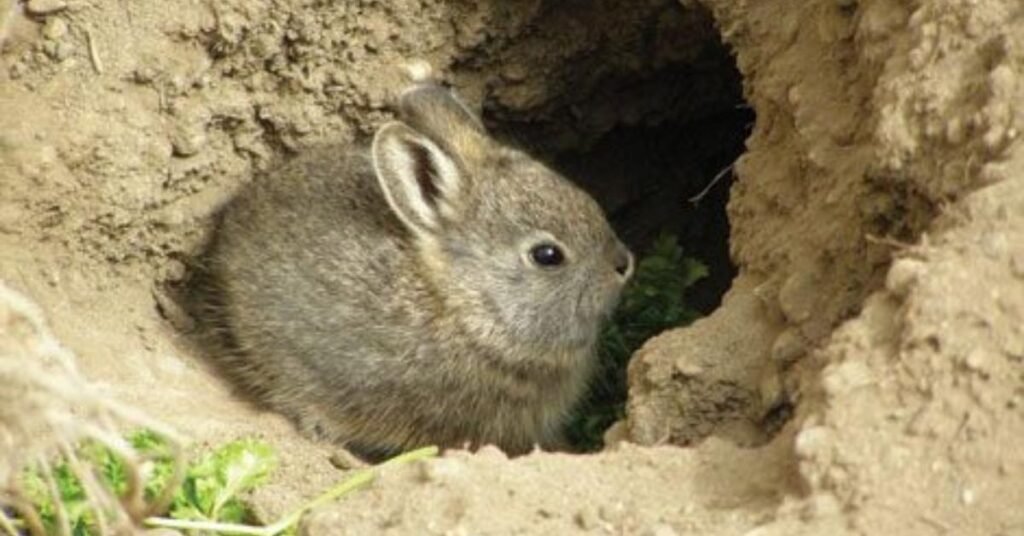
The Columbia Basin pygmy rabbit is a rare type of pygmy rabbit. It is found only in the Columbia Basin area of Washington State. This population is very small and considered endangered. Their habitat is mostly sagebrush grasslands, which are shrinking.
These rabbits are carefully monitored by conservation programs. They live in burrows and eat mostly sagebrush, like other pygmy rabbits. Breeding and habitat restoration efforts are helping their numbers grow. Protecting them is important to save this unique rabbit from extinction.
Conclusion
This tiny rabbit is one of the most unique species in North America. Its small size, short ears, and round body make it different from other wild rabbits. It is easy to identify because of these distinct features.
This rabbit depends heavily on sagebrush for both food and shelter.To stay safe, it digs its own burrows and remains hidden from predators.These habits and dietary choices are well suited for survival in harsh environments.
Some populations are very rare and need special care to survive. Conservation programs are helping restore their habitat and boost their numbers. Protecting them is important to prevent extinction.
Learning about this small wild rabbit helps us understand the value of nature. It reminds us why protecting habitats and wildlife is essential. By knowing their needs, we can support their survival in the wild.
FAQs
1. What do these small rabbits eat in the wild?
They mainly feed on sagebrush, grasses, and small herbs. In winter, they eat twigs, bark, and roots when fresh plants are scarce. Their diet changes with the seasons to get proper nutrition.
2. How do they stay safe from predators?
They stay hidden in dense shrubs and dig their own burrows for protection. Their gray-brown fur helps them blend into the surroundings. They also move in short hops to avoid being noticed.
3. Where do they usually live?
They live in arid and dry grasslands, often where sagebrush is abundant. Their burrows are dug underground, providing shelter from extreme weather and threats.
4. Are they social animals?
These rabbits are mostly solitary and prefer to stay alone. They interact with others mainly during the breeding season and are generally shy.
5. How long do they usually live?
In the wild, their lifespan is around 3 to 4 years. Survival depends on food availability, predators, and harsh environmental conditions.
