

Introduction
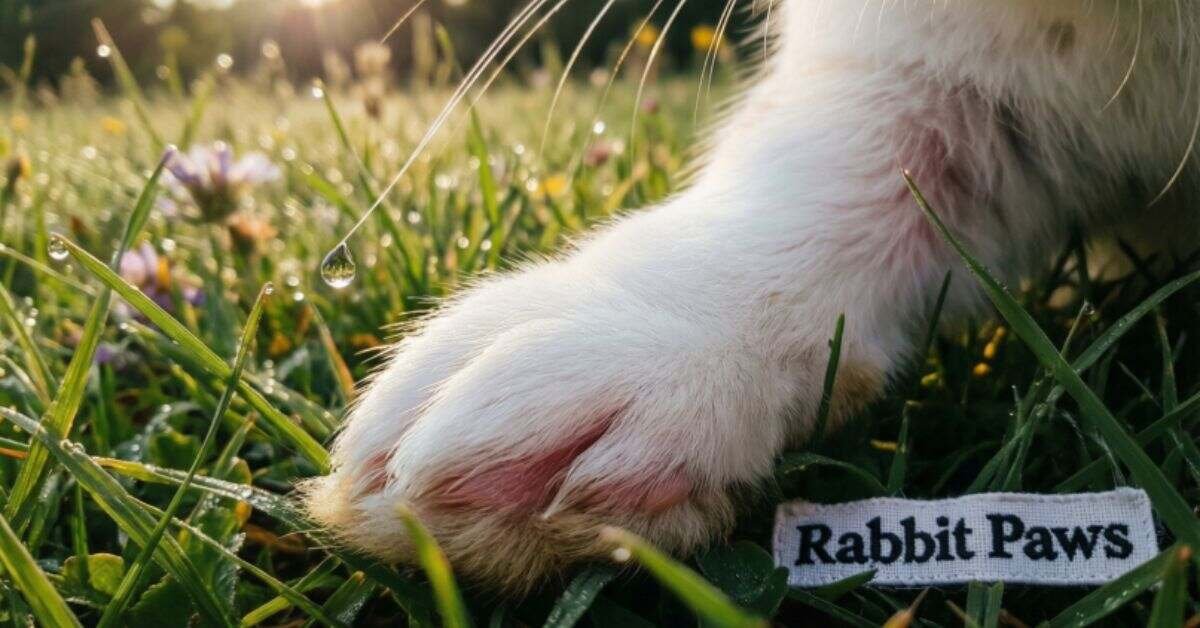
Rabbit paws are unique tools that help rabbits move, dig, sense danger, and survive. Their paws look soft and gentle. Yet they are strong enough to jump high and escape fast. These paws also support a rabbit’s weight and help them land safely after long jumps. Pet rabbits use their paws to explore their homes. Wild rabbits use their paws to dig tunnels and escape danger. When people learn how rabbit paws work, they understand pet care better and admire wild rabbits more.
Rabbit paws are covered with thick fur. This fur protects the skin and keeps the paws warm. Rabbits do not have foot pads like dogs or cats. Their thick fur works as a pad. The fur gives grip and protects from rough ground. Learning about paw structure helps people understand how rabbits move and survive in both wild and home environments.
Structure and Shape of Rabbit Paws
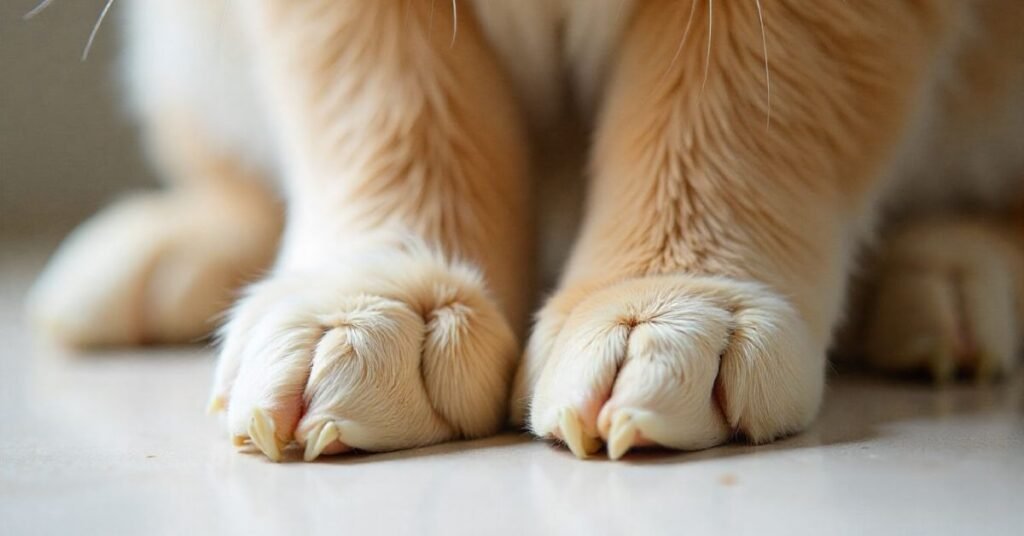
Rabbit paws have a smart and useful design. The front paws are smaller and help with digging and grooming. The back paws are longer and stronger. The back paws help rabbits jump, run, and land with balance. Their bones are light yet strong. Rabbits move fast because their paws are not heavy. Their shape helps them escape danger in sudden bursts of speed.
Rabbit paws have four toes on the front and four on the back. Each toe has a claw. The claws help with digging and climbing small slopes. Wild rabbits use their claws more often. Pet rabbits use them when they explore or play. Their claws grow throughout life. Regular digging or running helps wear them down. Without digging, claws can grow long and sharp.
Rabbits do not have sweat glands on their paws. They do not cool off through their feet. This makes temperature control important for pet rabbits. Thick fur covers the paws and protects the skin. The fur acts like a cushion during landing. This keeps joints and bones safe during high jumps.
Healthy rabbit paws play a major role in survival. Their shape and structure allow rabbits to thrive in many places and weather conditions.
Role of Rabbit Paws in Movement and Speed
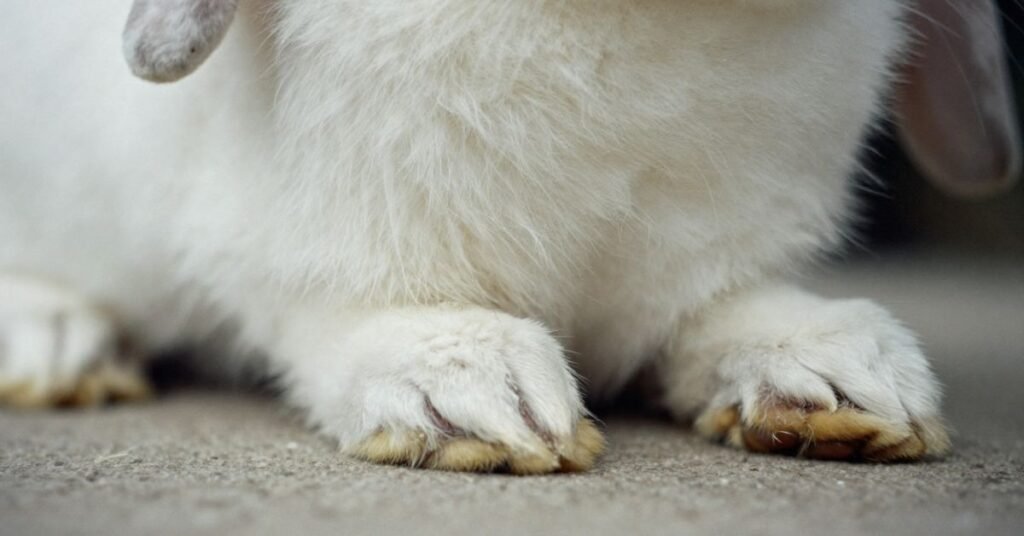
Rabbits are famous for their quick and sudden movements. Their back paws provide strong push and support, while the front paws guide direction and maintain balance. When running, rabbits push off with their back legs to leap forward, covering long distances with little effort.
In the wild, rabbits rely on speed to escape predators. They make sharp turns and sudden stops without falling, thanks to their paws. Even pet rabbits enjoy running and jumping, and healthy feet allow safe movement around the home.
Rabbit paws also help with high jumps. Some rabbits can leap several feet, and their feet absorb the impact of landing to protect joints. The feet spread slightly on landing to distribute weight evenly, reducing the risk of injury.
Rabbits frequently move across uneven surfaces like soil, grass, and rocks. Their paws adjust quickly to different terrains. Pet rabbits may encounter carpets, tiles, or wooden floors, which can be slippery. Providing soft mats or rugs ensures better grip, balance, and active play.
Rabbit Paws and Digging Behavior
Digging is a natural part of a rabbit’s life. Wild rabbits dig burrows for shelter and safety. These tunnels serve as homes and hiding spots from predators. The front paws do most of the digging, and the claws help break the soil to create space. Burrows also protect rabbits from heat and danger, while keeping their claws naturally trimmed.
Pet rabbits may not dig to survive, but they still enjoy the activity. They often dig in blankets, carpets, or soil boxes. This behavior keeps their paws active and healthy. Owners can provide digging boxes filled with shredded paper, hay, or soil, allowing safe digging without harming furniture.
Digging also helps rabbits groom themselves. Gentle scratching and digging remove dirt and shed fur from their feet. It provides joy, mental stimulation, and prevents boredom or stress. Healthy rabbit paws allow both wild and domestic rabbits to fully enjoy this instinctive behavior.
Sensory Function of Rabbit Paws
Rabbit paws play an important role in sensing danger. While rabbits rely mostly on their ears and eyes, their feet can detect ground vibrations. Wild rabbits feel the footsteps of predators through the soil, giving them early warning to run or hide. This ability helps them stay alert in fields and forests.
Pet rabbits also pick up on movements through their paws. They may react to loud footsteps or sudden vibrations, becoming cautious. Some rabbits thump their back paws to warn others, using it as a form of communication.
Rabbit paws are also essential for exploring new areas. The fur on their feet helps them sense texture and temperature. They can tell if a surface is safe to walk on, with slippery surfaces making them nervous and soft surfaces making them feel secure. This sensory function makes rabbit paws more than tools for movement—they are key to awareness and communication.
Differences Between Pet and Wild Rabbit Paws
Wild rabbits depend on their paws every day for survival. Their paws face rough soil, cold winters, mud, stones, and sharp plants. The fur may grow thicker during winter months. Their claws stay sharp because they dig often. Their paws remain firm and strong because they move many hours a day.
Pet rabbits live indoors or in safe outdoor spaces. Their paws do not face weather extremes. Their claws may grow longer because they dig less. Owners may need to trim claws to avoid discomfort. Pet rabbits may face paw problems from soft bedding or slippery floors. Carpet burns can occur if they run fast indoors. Pet rabbits also need clean floors to keep paws free of dirt.
| Feature | Pet Rabbits | Wild Rabbits |
| Use of claws | Less digging | Heavy digging |
| Surface types | Carpets, floors, mats | Soil, rocks, grass |
| Claw length | May grow long | Wears down naturally |
| Paw strength | Moderate | High |
| Fur wear | Low | Noticeable |
| Sensory use | Moderate | High |
Common Health Problems
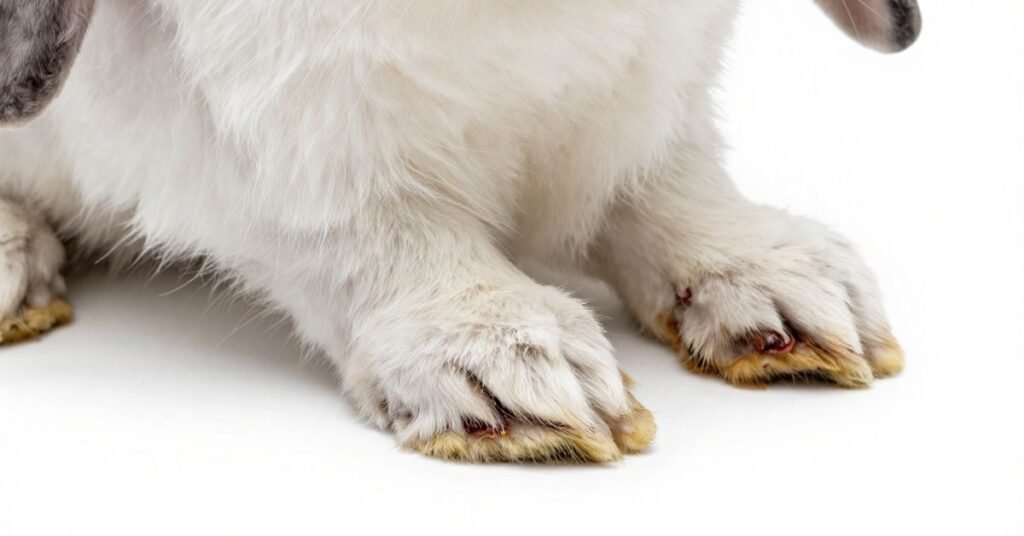
Rabbit paws can develop health problems if not cared for. The most common condition is sore hocks. Sore hocks happen when the fur on the paw wears out and exposes skin. Hard floors and wire cages can cause this. The skin becomes red and painful. Rabbits may avoid jumping or walking. Early treatment helps prevent wounds.
Overgrown claws are also common. Long claws can break or curl. Curled claws dig into the skin. This causes pain and infection. Pet rabbits may need claw trimming. Wild rabbits do not face this problem often because digging keeps the claws short.
Fungal and bacterial infections can happen when paws stay wet. Dirt and urine can cause irritation. Clean living spaces reduce these risks. Rabbits may also lick their paws too much when stressed. Grooming is normal, but excessive licking may remove fur and damage skin.
Temperature also affects rabbit paws. Extremely cold surfaces can harm wild rabbits. Extremely hot surfaces harm pet rabbits. Owners should make sure flooring is safe for rabbit paws. Strong and clean paws keep rabbits active and playful.
Caring for Rabbit Paws in Pet Rabbits
Pet owners can protect rabbit paws with simple care. Soft bedding prevents pressure on the skin. Hay, straw, fleece, and thick blankets are good. Wire cage floors should be covered. Smooth tiles and hardwood floors can be slippery. Mats and carpets help rabbits move with confidence. Rabbits enjoy running more when surfaces feel safe.
Regular claw trimming keeps paws healthy. Trimming prevents injury and prevents claws from curling. Rabbits may not like trimming, but gentle handling builds trust. Owners should learn proper trimming or visit a vet. Good hygiene is also important. Clean paws prevent infection. Moisture can weaken fur and skin.
Safe digging toys also protect paws. Digging boxes give rabbits a safe space to release instinct. Grooming also improves paw health. Rabbits clean their paws every day. Owners can check paws during grooming sessions. Healthy rabbit paws mean an active and happy rabbit.
Evolution and Survival Role of Rabbit Paws in the Wild
Rabbit paws evolved to support fast escape and silent movement. Their paws make little noise while running. Silent footsteps help them avoid predators. Wild rabbits use their paws to build complex burrows. These burrows protect young rabbits. The paws can move soil quickly and shape tunnels with precision.
Season changes also show how rabbit paws work. In winter, extra fur protects against cold soil. In summer, the claws help scratch and clean skin. Wild rabbits live in open fields or forests. Their paws adapt to different ground textures. Rabbits move across wet soil, grass, sand, and dried leaves without slipping.
Rabbit paws help them gather food and pick up small items. The front paws move food closer to the mouth. The sensory ability in their paws helps them stay alert. Their survival depends on speed, awareness, and shelter. Rabbit paws make all three possible.
Conclusion
Rabbit paws are essential for many things. They help rabbits run fast, jump high, and dig safely. Wild rabbits rely on them to escape predators and stay protected. Even pet rabbits use their paws to explore, play, and express natural behaviors.
Taking care of rabbit paws is very important. Healthy paws prevent injuries, keep claws at the right length, and allow rabbits to move comfortably on different surfaces. Soft bedding, safe flooring, and digging toys all help keep their paws strong and active.
In the end, rabbit paws are more than just feet. They help rabbits sense the world around them, communicate with others, and enjoy life fully. Observing and caring for their paws shows how important they are to a rabbit’s health and happiness.
FAQs
Q. How do rabbits stay safe from predators?
Rabbits rely on speed, quick turns, and sharp jumps to escape. They use burrows and hiding spots to stay protected in the wild.
Q. Why do rabbits dig so often?
Digging is a natural behavior that helps them create homes, explore, and stay active. It also provides mental stimulation and prevents boredom.
Q. What surfaces are best for rabbits at home?
Soft floors, mats, and carpets are ideal. Hard or slippery surfaces can be unsafe and make them nervous while moving or jumping.
Q. How can I keep a rabbit’s feet healthy?
Regular grooming, trimming claws, and providing safe, soft spaces help prevent injuries. Digging toys also help maintain strength and natural behavior.
Q. Why do rabbits thump their back legs?
Thumping is a warning signal to others when they sense danger. It can also indicate fear, stress, or excitement in a home environment.
