

Introduction
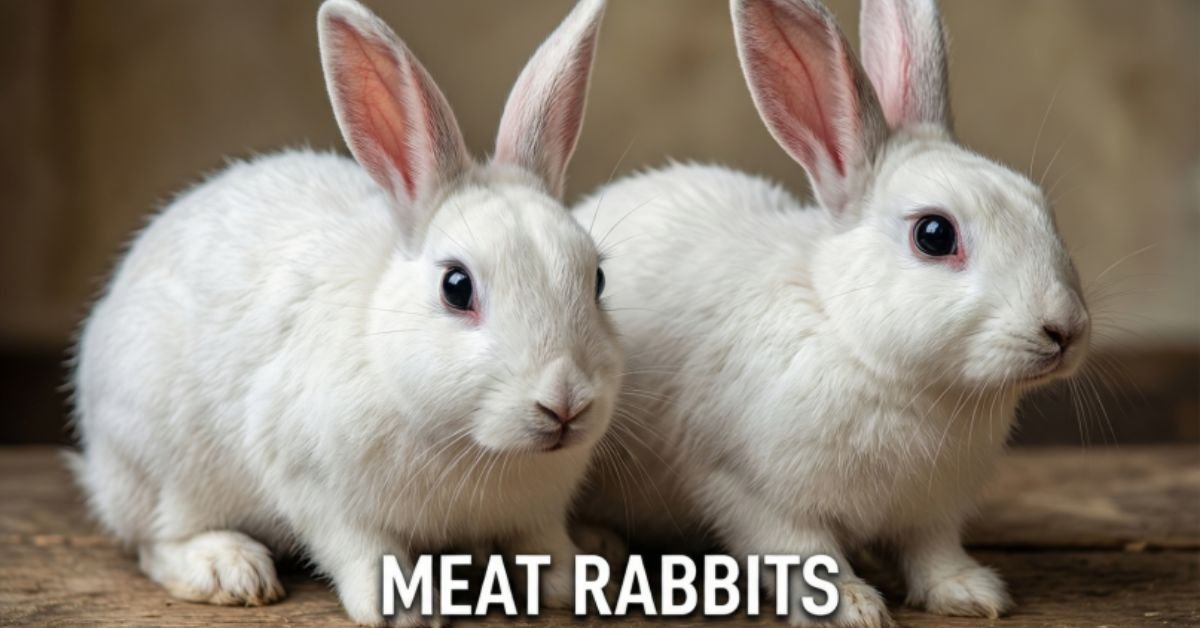
Meat rabbits are rabbits that are raised for their tender and lean meat. They grow fast, reproduce quickly, and can be kept in small spaces. Many small farmers choose them because they are easy to manage and highly efficient.
Raising these animals can be a cost-effective way to supply meat at home. Small farms also enjoy the benefit of quick production cycles. This makes the idea appealing for people looking to become more self-sufficient.
There are several breeds that grow well and produce good meat. Some are better for warm climates, while others do well in cold regions. Knowing the differences helps farmers pick the best animals for their needs.
What Is a Meat Rabbit and Why People Raise It
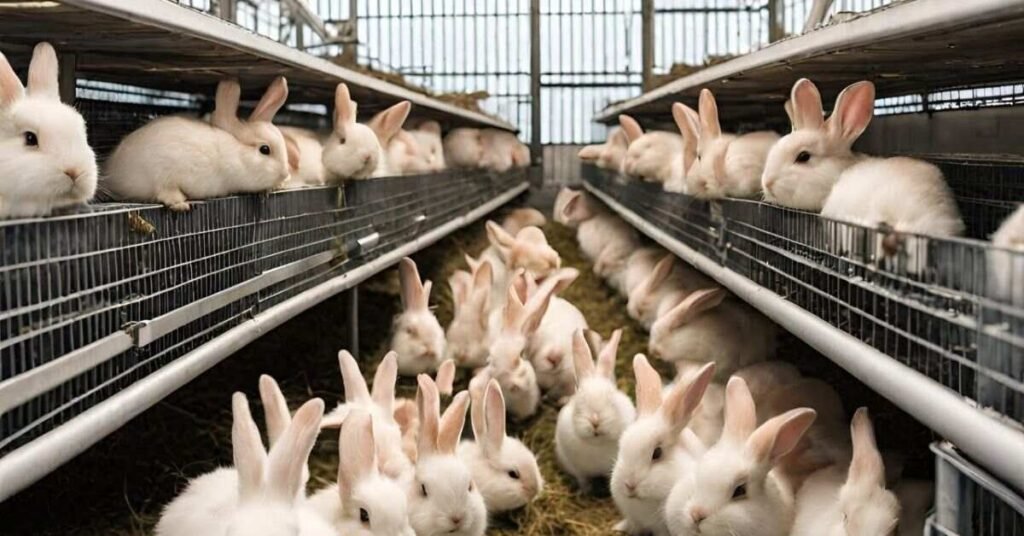
A meat rabbit is a rabbit that is bred for meat production. It grows quickly and has lean, mild-flavored meat. These animals can be raised in small spaces and require basic care. Their fast breeding cycle makes them useful for steady food supply.
People raise them for many reasons. Some want a healthier meat option for home use. Others raise them to sell to customers or local markets. Small farms like them because they are affordable and efficient. This makes them a popular choice for homesteading and small-scale farming.
Best Meat Rabbit Breeds for Meat Production
Different breeds are known for fast growth and good meat quality. Some breeds produce larger litters, while others have better feed conversion. These traits make them valuable for small farms and homesteads. Picking the right breed helps farmers get better results.
Many people also consider climate and temperament when choosing a breed. Some breeds do better in warm places, while others enjoy colder areas. Good breeding choices lead to healthier animals and steady meat production.
| Breed Name | Adult Weight (lbs) | Growth Rate | Litter Size | Climate Suitability | Meat Quality | Notes |
| New Zealand White | 9–12 | Fast | Large | Moderate–Warm | Excellent | Most popular for meat production |
| Californian | 8–10 | Fast | Medium–Large | Moderate–Cool | Very Good | Great feed conversion rate |
| Rex | 7–10 | Moderate | Medium | Cool–Moderate | Good | Known for fur and meat |
| Champagne d’Argent | 9–11 | Moderate | Medium | Cool–Moderate | Very Good | Dual-purpose breed |
| Flemish Giant | 13–20+ | Slow | Medium | Cool | Fair | Large bones reduce meat yield |
| Silver Fox | 9–12 | Moderate | Medium | Moderate–Cool | Very Good | Hardy and calm |
| Cinnamon | 8–11 | Moderate | Medium | Moderate | Good | Easy to handle |
| Satin | 8–10 | Moderate | Medium | Moderate | Very Good | Smooth meat texture |
| Palomino | 8–12 | Moderate | Medium | Moderate | Good | Consistent producers |
| American Chinchilla | 9–12 | Moderate | Medium–Large | Cool–Moderate | Very Good | Good for dual use |
New Zealand Meat Rabbit or California Meat Rabbit
The New Zealand and Californian are two of the most common choices for meat production. Both grow quickly and provide a good amount of lean meat. They also have calm temperaments and are easy to handle on small farms.
The main difference is in climate tolerance and feed conversion. The New Zealand is known for larger size and fast growth. The Californian is slightly smaller but converts feed into meat very efficiently. Choosing between them depends on climate, goals, and farm size.
| Feature | New Zealand | Californian |
| Average Adult Weight | 9–12 lbs | 8–10 lbs |
| Growth Rate | Very Fast | Fast |
| Meat Yield | High | Very High |
| Feed Conversion | Good | Excellent |
| Litter Size | Large | Medium–Large |
| Climate Suitability | Moderate–Warm | Moderate–Cool |
| Temperament | Calm | Calm |
| Bone Structure | Medium | Medium–Light |
| Fur Quality | Good | Good |
| Common Use | Meat Production | Meat Production |
| Best For | Fast growth and size | Efficiency and feed savings |
Housing Requirements for Meat Rabbit Farming
Proper housing keeps the animals safe, healthy, and stress-free. Rabbits need clean cages with enough space to move, stretch, and rest. Good ventilation is also important to prevent heat stress and disease. Wire flooring is often used for easy cleaning, but solid resting areas protect their feet.
Housing must also protect them from predators and harsh weather. Shade is needed in warm climates, and insulation helps in colder regions. Fresh water and clean bedding should always be available. When rabbits feel comfortable, they grow better and produce more meat efficiently.
Feeding a Meat Rabbit for Fast and Healthy Growth

A balanced diet helps these animals grow quickly and stay healthy. Their main food should be high-quality hay, which supports digestion and prevents stomach problems. Pellets are also useful because they provide protein, vitamins, and minerals in the right amount. Fresh greens can be added in small portions for variety.
Clean water must always be available because rabbits drink often. Young animals need more protein for muscle growth, while adults need a steady and balanced diet. Feeding on a regular schedule improves weight gain and reduces stress. Good nutrition leads to better meat quality and faster production.
Breeding a Meat Rabbit Successfully
Successful breeding starts with healthy animals and good genetics. Females should be strong, calm, and productive. Males should be active and have a good growth record. Bringing the female to the male’s cage increases mating success and reduces stress.
Proper care after mating helps ensure a healthy litter. Does need a quiet place and a nesting box before giving birth. Clean housing, good feed, and low handling improve survival. Regular record-keeping also helps farmers track growth, birth rates, and performance.
Health Care and Disease Prevention in Meat Rabbit Farming
Good health care helps rabbits grow well and reduces losses on small farms. Clean housing, fresh water, and proper feeding lower disease risks. Regular cleaning and waste removal stop harmful bacteria from spreading. Stress-free environments also support stronger immune systems.
Farmers should watch for signs of sickness such as weight loss, dull fur, or low appetite. Early treatment and isolation of sick animals protect the whole group. Vaccination may be needed in some regions, depending on common diseases. Prevention is always easier and cheaper than treatment.
| Condition / Issue | Symptoms | Possible Causes | Prevention Methods | Notes |
| Coccidiosis | Diarrhea, weight loss, dull coat | Dirty cages, wet bedding | Clean cages often, dry bedding, proper sanitation | Common in young rabbits |
| Respiratory Infections | Sneezing, runny nose, labored breathing | Poor ventilation, dust, drafts | Good airflow, dry environment, avoid overcrowding | Can spread quickly |
| Ear Mites | Head shaking, scratching, crusty ears | Parasitic mites | Inspection, clean cages, avoid contaminated bedding | Treat early for comfort |
| Heat Stress | Panting, lying stretched out, weakness | High temperatures, poor shade | Provide shade, airflow, cool water | Very important in warm climates |
| GI Stasis | No droppings, bloating, low appetite | Stress, poor diet, dehydration | High-fiber diet, fresh water, reduce stress | Emergency if untreated |
| Sore Hocks | Red or swollen feet | Wire floors, overweight, poor hygiene | Provide resting boards, keep cages clean | More common in heavy breeds |
| Mastitis | Swollen or painful mammary glands | Infection during nursing | Clean nesting boxes, monitor does | Can affect breeding |
| Parasites (Internal) | Weight loss, low growth | Contaminated feed or bedding | Clean housing, proper feed storage | Periodic checks helpful |
| Parasites (External) | Scratching, hair loss | Fleas, mites, ticks | Regular inspection, clean environment | Treat quickly to avoid spread |
| Diarrhea (General) | Loose stool, dehydration | Diet imbalance, spoiled greens | Slow diet changes, clean greens, fresh water | Young rabbits are sensitive |
Growth Rate and Slaughter Age of a Meat Rabbit
Meat rabbits grow very fast compared to other livestock. Their growth depends on breed, feed quality, and proper care. Young rabbits gain weight quickly in the first few weeks. Healthy animals reach market size in just a few months.
Knowing the right slaughter age helps get tender and lean meat. Overgrown rabbits may have tougher meat and more fat. Farmers monitor weight and age to decide the best time. Proper feeding, housing, and health care improve growth and meat quality.
| Breed Name | Average Birth Weight (oz) | Weight at 4 Weeks (lbs) | Weight at 8 Weeks (lbs) | Market Weight (lbs) | Slaughter Age (Weeks) | Notes |
| New Zealand White | 3–4 | 1.5–2 | 4–5 | 9–12 | 10–12 | Fast-growing, most popular |
| Californian | 3–4 | 1.5–2 | 4–4.5 | 8–10 | 10–12 | Efficient feed conversion |
| Rex | 3 | 1.2–1.5 | 3–4 | 7–10 | 12–14 | Good meat texture, moderate growth |
| Champagne d’Argent | 3–4 | 1.3–1.6 | 3.5–4.5 | 9–11 | 12 | Dual-purpose breed |
| Flemish Giant | 4–5 | 2–3 | 6–8 | 13–20 | 16–20 | Large breed, slower growth |
| Silver Fox | 3–4 | 1.5–2 | 4–5 | 9–12 | 12 | Hardy breed, calm temperament |
| Palomino | 3 | 1.3–1.5 | 3.5–4.5 | 8–12 | 12 | Steady growth, good meat yield |
| American Chinchilla | 3–4 | 1.5–2 | 4–5 | 9–12 | 12 | Good for both meat and fur |
| Cinnamon | 3 | 1.2–1.5 | 3–4 | 8–11 | 12 | Easy to handle, moderate growth |
| Satin | 3 | 1.3–1.5 | 3.5–4 | 8–10 | 12 | Smooth meat, steady weight gain |
Benefits of Raising a Meat Rabbit at Home or Farm
Raising meat rabbits at home or on a small farm is easy and cost-effective. They need less space and feed compared to other livestock. They grow fast and reproduce quickly, giving a steady supply of meat. Caring for them also teaches responsibility and animal husbandry skills.
There are many practical benefits for small farmers and homesteaders:
- Provides fresh, lean, and healthy meat.
- Requires minimal space and low initial investment.
- Quick growth means faster returns on investment.
- Easy to manage with simple housing and feed.
- Can be raised year-round with proper care.
- Helps reduce dependency on store-bought meat.
Conclusion
Raising meat rabbits is a great option for small farms and homes. They grow quickly, require little space, and provide nutritious meat. With the right care, they can offer a reliable source of food and income.
Picking the right breed makes a big difference. New Zealand and Californian rabbits are favored for their fast growth and quality meat. Other breeds can also be suitable depending on your farm conditions and climate.
Proper housing, diet, and health care are essential. Clean cages, balanced feeding, and disease prevention keep rabbits strong and thriving. Healthy rabbits gain weight faster and give better meat.
In the end, meat rabbit farming is simple, affordable, and rewarding. It works well for both beginners and experienced farmers. With patience, care, and attention, anyone can successfully raise rabbits.
FAQs
1. What is the best breed of meat rabbit for beginners?
New Zealand and Californian rabbits are ideal for beginners. They grow fast, are calm, and easy to manage. They also produce good quality meat.
2. How much space does a meat rabbit need?
Each rabbit needs at least 2–3 square feet of cage space. They also need room to move and stretch. Outdoor hutches should be safe from predators and weather.
3. What should I feed my meat rabbits?
A balanced diet includes high-quality hay, pellets, and small amounts of fresh greens. Clean water must always be available. Young rabbits need more protein for faster growth.
4. At what age can meat rabbits be slaughtered?
Most rabbits reach market weight at 10–12 weeks. This may vary by breed and feed quality. Proper care ensures tender and lean meat.
5. How can I keep my rabbits healthy?
Clean housing, fresh water, good feed, and proper ventilation prevent most diseases. Monitor rabbits for signs of sickness and treat problems early. Vaccinations may be needed in some areas.
