

Introduction
Rabbits are small animals that mainly eat plant foods. Many people ask, are rabbits omnivores or something else? Their daily meals include hay, greens, and herbs.
This question creates confusion for new owners. Some think are rabbits omnivores, while others believe they eat only plants. The answer is more interesting than it seems and matters for proper care.
To understand this better, we must look at how rabbits eat in the wild and at home. Knowing if are rabbits omnivores helps us choose safe foods for them. It also prevents diet mistakes that can cause health issues.
Are Rabbits Omnivores?
Many people wonder if rabbits eat both plants and meat. Some owners think rabbits can eat anything. But rabbits are not built to process meat. Their bodies work best with plant fiber. So when we ask, are rabbits omnivores, the answer points toward a plant-based diet.
In nature, rabbits eat grass, hay, leaves, and herbs. These foods keep their stomach moving and prevent illness. Meat or animal products can harm them. Understanding this helps us feed them the right way and avoid unsafe foods.
What “Omnivore” Mean in Biology
In biology, an omnivore is an animal that eats both plants and meat. Their bodies are made to digest different food types. They can break down protein, fat, and plant fiber. Bears, pigs, and humans are common examples of omnivores.
Omnivores use this mixed diet to survive in many environments. They can switch food depending on what is available. Their teeth and stomach are built for variety. This makes them flexible eaters in nature.
What Rabbits Actually Eat in the Wild
In the wild, rabbits search for plants that keep their digestion working. Their bodies rely on fiber, so they spend most of the day grazing. Grass is their main food source. They also nibble on tender shoots, leaves, and herbs found in open fields and forests.
Their feeding habits change with the seasons. When plants are fresh, they choose soft greens. When winter comes, they switch to dry stems, twigs, and bark. Their wild menu is basic but rich in fiber.
Examples include:
- Grass and meadow plants
- Young leaves and shoots
- Wild herbs and flowers
- Bark and stems during winter
Natural Foraging Behavior and Seasonal Food Choices
Wild rabbits spend many hours searching for food. They eat small amounts all day to keep their stomach moving. They prefer plants that are soft and easy to chew. Their foraging skills help them find food in fields, forests, and open land.
Food changes with the weather and seasons. In warm months, rabbits find fresh greens. In cold months, they switch to dry plants and bark. This shows how rabbits adapt to nature and survive all year long.
| Season | Main Foods | Extra Notes |
| Spring | Fresh grass, young shoots, tender leaves, herbs | Food is soft and rich in nutrients |
| Summer | Thick grass, leafy plants, wild flowers, herbs | Plenty of greens and water-rich foods |
| Fall | Dry plants, stems, seeds, rough leaves | Food becomes tougher and less green |
| Winter | Bark, twigs, stems, roots | Limited food but enough fiber for survival |
| Year-Round | Meadow plants, grasses | Core diet for digestion and health |
Fiber-Rich Plants and Greens Found in Nature
In the wild, many animals rely on fiber-rich plants to stay healthy. These plants keep digestion slow and steady. Grasses and leafy greens are eaten throughout the day. They help the stomach and intestines work the right way. Natural fiber also supports strong teeth and overall body balance.
Wild greens grow without chemicals and offer rough textures. This texture is important for proper chewing and gut movement. Different plants provide different fiber levels. Eating a mix of grasses and leaves helps animals avoid digestive stress. Nature offers many safe and simple fiber sources.
| Plant Name | Plant Group | Fiber Content | Natural Habitat | Key Advantage |
| Meadow Grass | Grass | Very High | Open meadows | Keeps digestion active |
| Wild Timothy | Grass | High | Fields | Supports gut health |
| Dandelion Greens | Leafy plant | High | Lawns and pastures | Gentle digestive support |
| Red Clover | Herb | Moderate | Grasslands | Natural roughage |
| Broadleaf Plantain | Leafy weed | High | Roadsides | Helps bowel movement |
| Tall Fescue | Grass | High | Pastures | Long-lasting fiber |
| Wild Oat Grass | Grass | High | Farmland | Improves digestion |
| Chicory Greens | Leafy plant | Moderate | Open fields | Supports stomach health |
| Bentgrass | Grass | Moderate to High | Coastal areas | Daily fiber source |
| Bluegrass | Grass | High | Cool regions | Maintains gut balance |
Diet Differences Between Wild and Domestic Rabbits
Wild rabbits eat what they find in nature. Their diet changes with the seasons. They mostly eat grasses, weeds, leaves, and bark. These foods are high in fiber and low in calories. Wild rabbits spend many hours grazing each day. This constant eating keeps their digestion active and healthy.
Domestic rabbits depend on people for food. They usually eat hay, fresh greens, and small amounts of pellets. Their diet is more controlled and consistent. Clean water is always provided. Domestic rabbits need careful feeding to avoid health problems. Too many treats or pellets can cause digestion issues.
| Diet Aspect | Wild Rabbits | Domestic Rabbits |
| Main Food Source | Natural grasses and weeds | Hay and fresh greens |
| Fiber Intake | Very high | High but controlled |
| Food Variety | Changes by season | Chosen by owner |
| Access to Pellets | None | Limited amount |
| Treats | Rare and natural | Occasional fruits |
| Feeding Schedule | All day grazing | Set feeding times |
| Water Source | Dew and natural water | Clean water bowl or bottle |
| Human Control | None | Full control |
| Risk of Overfeeding | Very low | Possible if not managed |
| Diet Consistency | Unpredictable | Stable and planned |
Nutritional Needs for Pet Rabbits
Pet rabbits need a balanced and simple diet to stay healthy. Fiber is the most important part of their food. It keeps digestion smooth and prevents stomach problems. Hay should make up most of their daily meals. Fresh water must always be available. A steady diet helps rabbits feel safe and active.
Pet rabbits also need vitamins and minerals in small amounts. Fresh leafy greens support overall health. Pellets can be given but only in limited portions. Too many pellets can lead to weight gain. A proper diet helps maintain strong teeth, good energy, and a long life.
Key nutritional needs for pet rabbits include:
- Unlimited fresh hay for daily fiber
- Clean water at all times
- Leafy greens for vitamins
- Limited pellets for extra nutrients
- Very few sugary treats
- Natural chewing foods for dental health
Why Understanding Rabbit Diet Matters
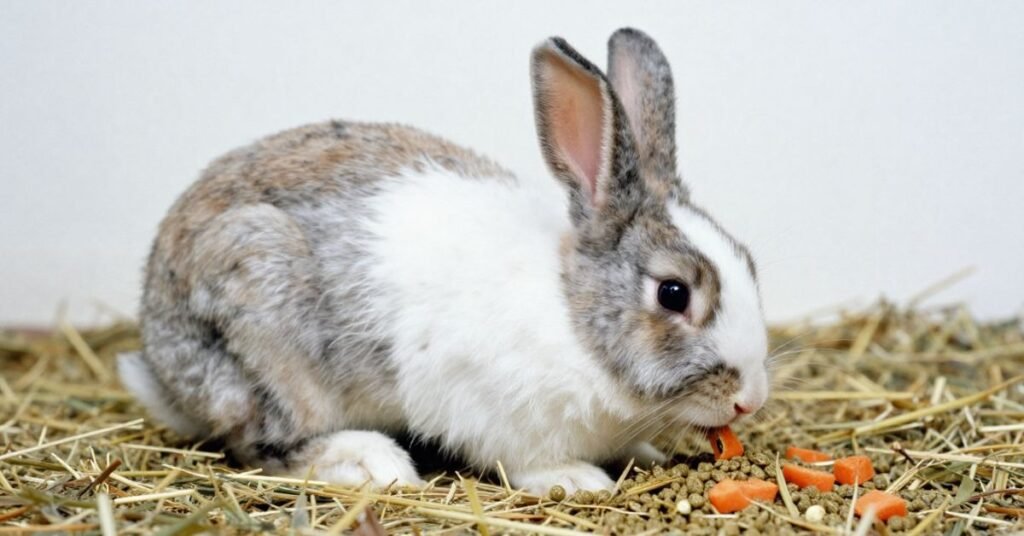
Understanding a rabbit’s diet is very important for its health. Rabbits have a sensitive digestive system. The wrong food can cause stomach pain and serious illness. A proper diet keeps digestion smooth and steady. It also helps prevent common problems like bloating and diarrhea.
A good diet also supports strong teeth and a healthy weight. Rabbits’ teeth grow all the time and need constant chewing. Fiber-rich foods help wear teeth down naturally. When owners understand what rabbits should eat, rabbits live longer and happier lives. Proper feeding builds a strong bond between the rabbit and its owner.
Digestive Health, Weight, and Longevity
Digestive health plays a big role in a rabbit’s life. Rabbits need a steady flow of fiber every day. Fiber keeps food moving through the gut. It helps prevent gas and stomach blockages. A healthy digestive system also improves energy and comfort.
Proper digestion also helps control weight and supports a long life. When rabbits eat the right foods, they stay active and fit. Too much rich food can cause obesity and stress the body. Balanced feeding supports the heart, joints, and immune system. Healthy habits can add years to a rabbit’s life.
| Diet Factor | Effect on Digestion | Effect on Weight | Effect on Longevity |
| High-fiber hay | Keeps gut moving | Maintains healthy weight | Supports long life |
| Fresh leafy greens | Improves gut balance | Low calorie | Boosts immunity |
| Limited pellets | Prevents stomach issues | Controls weight gain | Reduces disease risk |
| Sugary treats | Causes gut problems | Leads to obesity | Shortens lifespan |
| Clean water | Aids digestion | Supports metabolism | Improves overall health |
| Regular feeding | Stable digestion | Prevents overeating | Promotes consistency |
| Natural chewing foods | Reduces gut stress | Encourages activity | Supports dental health |
| Balanced diet | Prevents illness | Keeps body fit | Increases lifespan |
Feeding Guidelines for Pet Rabbit Owners
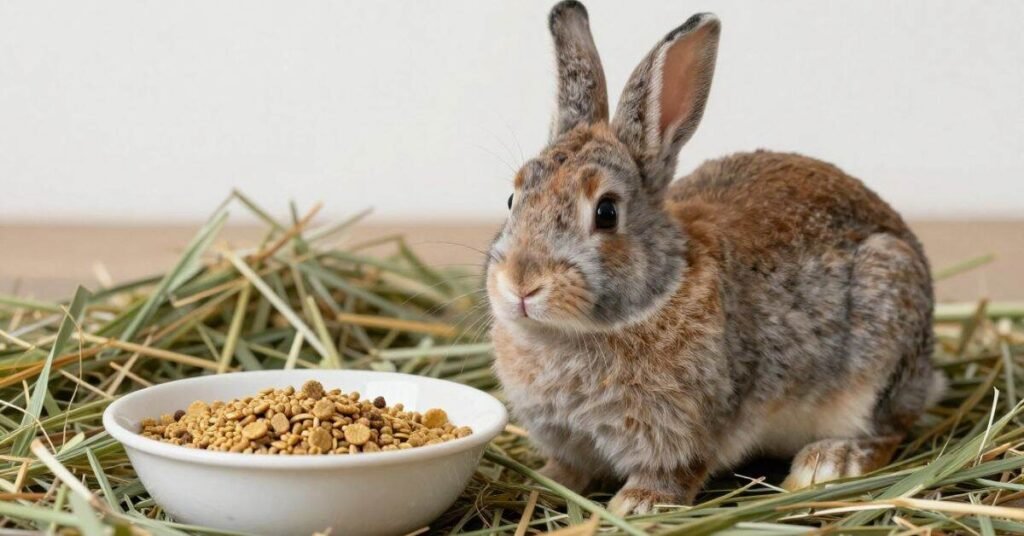
Pet rabbit owners should follow simple feeding rules every day. Hay should be the main food and offered at all times. It supports digestion and keeps teeth healthy. Fresh water must always be clean and easy to reach. A regular feeding routine helps rabbits feel safe and calm.
Fresh vegetables should be given daily in small amounts. Pellets are helpful but should not be overfed. Treats should be rare and natural. Sudden food changes can upset the stomach. Introduce new foods slowly to avoid health problems.
Basic feeding guidelines for pet rabbit owners include:
- Provide unlimited fresh hay
- Offer clean water at all times
- Feed leafy greens daily
- Limit pellets to small portions
- Avoid sugary or processed treats
- Introduce new foods gradually
Conclusion
Rabbits are not omnivores. They are herbivores, which means they eat only plants. Their bodies are made to digest grass, hay, vegetables, and leafy greens. Eating meat or animal products can harm their stomach and health. Knowing this is very important for every rabbit owner.
A rabbit’s diet must be high in fiber. Fiber helps keep their digestive system working well. Hay should be the main part of their daily food. Fresh greens add vitamins and minerals. Treats should be given very carefully and in small amounts.
Understanding that rabbits are herbivores helps prevent health problems. Many owners make mistakes by offering the wrong foods. Overfeeding pellets or sugary treats can cause obesity or gut issues. A balanced diet keeps rabbits active, happy, and healthy.
Water is also very important for rabbits. Proper hydration supports digestion and kidney function. Rabbits need fresh water available all the time. Daily checks and clean bowls make sure they drink enough.
In short, rabbits are herbivores, not omnivores. Their food should always focus on hay, greens, and safe vegetables. Treats and pellets are optional and must be controlled. Following a proper diet helps rabbits live longer and stay strong. Understanding this fact is key to giving your rabbit a happy life.
FAQs
1. Are rabbits omnivores or herbivores?
Rabbits are herbivores, not omnivores. They eat only plant-based foods like hay, grass, and leafy greens. Meat or animal products can harm their digestive system.
2. Can rabbits eat meat occasionally?
No, rabbits should never eat meat. Their bodies are not designed to digest animal products. Feeding meat can cause serious stomach problems and illness.
3. Why is fiber important for rabbits?
Fiber is crucial for rabbits’ digestion. It keeps food moving through their gut and prevents blockages. Hay is the main source of fiber for healthy rabbits.
4. Can rabbits survive on pellets alone?
No, pellets alone are not enough. They can supplement a diet but should not replace hay and fresh greens. A balanced diet is needed for long-term health.
5. How can I make sure my rabbit stays healthy?
Provide unlimited hay, fresh water, and daily greens. Limit pellets and treats. Avoid animal products, and check their weight and digestion regularly.
