

Introduction
Rabbits eat plants and high-fiber foods. Their bodies are made to digest grasses and leafy greens. This is why many people ask, are rabbits herbivores in the first place.
For new rabbit owners, diet can feel confusing. Some wonder if treats or animal-based foods are safe. Learning the answer to “are rabbits herbivores” helps prevent mistakes and health issues.
In this guide, we explain how rabbits eat in nature, how their digestion works, and what pet rabbits need each day. By understanding are rabbits herbivores, you will be able to feed them safely and support a long, healthy life.
Are Rabbits Herbivores?
Rabbits are plant-eating animals, which means are rabbits herbivores is an important question for pet owners. They rely on grasses, hay, and leafy greens for energy and nutrition. Their teeth and digestive system are designed for chewing and breaking down fiber, which proves that are rabbits herbivores is true. Because rabbits are herbivores, they need a diet rich in fiber every day.
Fiber keeps their digestion moving and prevents health problems. They do not eat meat or animal-based foods. Feeding the right plants helps them stay active, happy, and healthy.
Why Rabbits Are Classified as Herbivores
Rabbits are classified as herbivores because they only eat plants. Their teeth are shaped for grinding tough grasses and leafy greens. Their stomach and intestines are made to break down fiber. This helps them pull nutrients from plant-based foods.
Another reason rabbits are herbivores is their daily feeding behavior. In the wild, they spend hours grazing on grass and weeds. Pet rabbits do the same with hay and vegetables. Since they never hunt or eat animal foods, their diet clearly fits the herbivore category.
Digestive System and Fiber Usage
Rabbits have a special digestive system designed for high-fiber foods. They use their long intestines and cecum to break down tough plants. Fiber moves food through the system and keeps their stomach active. Without fiber, digestion slows and can become dangerous.
Rabbits also reuse nutrients through a process called cecotrophy. They produce soft pellets called cecotropes and eat them to absorb vitamins and proteins. This may seem strange, but it is a natural and healthy part of their diet. Fiber supports this process and keeps rabbits strong.
| Part of System | Function | Fiber Role | Result Without Fiber |
| Teeth | Grind plants and hay | Helps wear teeth naturally | Overgrown teeth and pain |
| Stomach | Starts digestion | Needs steady food flow | Gas buildup and discomfort |
| Small Intestine | Absorbs nutrients | Extra time for plant digestion | Poor nutrient absorption |
| Cecum | Breaks down fiber using bacteria | Converts fiber into nutrients | Cecal imbalance and illness |
| Cecotropes | Soft pellets rich in vitamins | Recycled for extra nutrition | Weak immune system and imbalance |
| Colon | Forms regular hard pellets | Moves waste efficiently | Digestive slowdown and blockage |
Wild vs Domestic Rabbit Diets

Wild rabbits eat what nature provides. They graze on grasses, weeds, bark, seeds, herbs, and leaves. Their diet changes with seasons and climate. They rely on high fiber to stay fast and healthy.
Domestic rabbits eat safer and more controlled foods. They get hay, leafy greens, and small amounts of pellets. Owners may also offer approved vegetables and treats. This balanced diet helps prevent health issues and supports a longer life.
| Feature | Wild Rabbit Diet | Domestic Rabbit Diet | Notes |
| Main Food Source | Grasses, weeds, herbs | Hay (mostly timothy or orchard) | Both require fiber |
| Seasonal Changes | Yes, varies with weather | No major changes | Domestic diets are stable |
| Foraging Behavior | Constant grazing outdoors | Eating scheduled meals | Still need access to hay all day |
| Protein Source | Plants only | Plants only | Herbivore diets |
| Digestive Needs | High fiber, natural plants | High fiber, hay-based | Fiber keeps digestion working |
| Extra Foods | Bark, seeds, twigs | Leafy greens and pellets | Domestic avoids tough bark |
| Water Source | Streams, plants, dew | Clean water bowls or bottles | Domestic water must be fresh |
| Treats | Rare or none | Limited fruits or treats | Kept small to avoid sugar issues |
| Risks | Predators, poor food access | Overfeeding, unhealthy treats | Both face digestive risks |
| Life Impact | Shorter lifespan | Longer lifespan | Diet plays a role |
What Rabbits Naturally Eat in the Wild
In the wild, rabbits depend on natural plants for food. They graze on grass and herbs for most of the day. Their teeth and digestion are made for chewing and breaking down fiber. These foods give them energy to run, hide, and survive.
Wild rabbits also eat different plants based on the season. In spring and summer, they find more fresh greens. In fall and winter, they switch to bark, twigs, and dry plants. This helps them stay healthy year-round.
Common foods wild rabbits eat include:
- Grasses and weeds
- Herbs and wild greens
- Leaves and plant stems
- Bark and twigs during cold seasons
- Seeds and roots when available
Grass and Hay
Grass and hay are the main foods for many plant-eating animals. They are natural and easy to digest. These foods help keep the stomach working well. They also support healthy teeth. Chewing grass and hay wears teeth down in a natural way. This prevents dental problems. Fresh grass is good when it is clean and pesticide-free.
Hay is dried grass and is available all year. It is rich in fiber. Fiber helps digestion and prevents stomach issues. Hay should always be fresh and dry. It should not smell bad or look dusty. Different types of hay offer different benefits. Feeding a mix can add variety and better nutrition.
| Type of Grass or Hay | Source | Fiber Level | Best For | Key Benefits | Feeding Tips |
| Timothy Hay | Dried grass | High | Adult animals | Supports digestion and teeth health | Offer daily in unlimited amount |
| Meadow Hay | Mixed grasses | Medium to High | All ages | Adds variety and natural nutrients | Mix with other hay types |
| Orchard Grass Hay | Soft dried grass | Medium | Picky eaters | Softer texture and sweet smell | Good alternative to Timothy |
| Bermuda Grass Hay | Warm-season grass | Medium | Active animals | Provides steady energy | Avoid mold and damp bales |
| Fresh Lawn Grass | Natural grass | Medium | Occasional feeding | Hydration and natural taste | Wash and avoid treated lawns |
| Rye Grass | Cool-season grass | Medium | Young animals | Easy to chew and digest | Feed in small amounts |
| Oat Hay | Harvested oat plant | Medium | Growing animals | Extra protein and energy | Best as a supplement |
| Alfalfa Hay | Legume hay | Low fiber, high protein | Young or nursing animals | Supports growth and weight gain | Not ideal for adults daily |
| Wheat Grass | Sprouted wheat | Medium | Treat feeding | Rich in vitamins | Serve fresh and clean |
| Barley Grass | Young barley plant | Medium | Occasional use | Antioxidants and minerals | Feed in moderation |
Leafy Greens and Herbs
Leafy greens and herbs are healthy plant foods. They add vitamins and minerals to the diet. Many greens also contain water, which helps hydration. These foods support digestion and overall health. Fresh greens should be clean and free from chemicals. It is best to introduce new greens slowly.
Herbs have strong smells and flavors. Some animals enjoy them more than plain greens. Herbs can help improve appetite. They also add variety to daily meals. Too much of one green is not good. A mix of different leafy greens and herbs works best.
| Leafy Green or Herb | Type | Nutrient Level | Main Benefits | Best For | Feeding Tips |
| Romaine Lettuce | Leafy green | Medium | Hydration and fiber | Daily feeding | Avoid iceberg lettuce |
| Spinach | Leafy green | High calcium | Vitamins and iron | Occasional use | Feed in small amounts |
| Kale | Leafy green | High vitamins | Strong immunity | Limited feeding | Rotate with other greens |
| Parsley | Herb | High vitamin C | Boosts digestion | Small portions | Not daily |
| Cilantro | Herb | Medium | Freshens appetite | Regular feeding | Serve fresh |
| Mint | Herb | Medium | Calms stomach | Occasional treat | Strong flavor |
| Basil | Herb | Medium | Anti-inflammatory | Variety feeding | Small servings |
| Dill | Herb | Medium | Supports digestion | Treat use | Mix with greens |
| Swiss Chard | Leafy green | High minerals | Bone support | Limited use | High oxalates |
| Dandelion Greens | Leafy green | High fiber | Liver support | Regular feeding | Wash well |
| Arugula | Leafy green | Medium | Improves taste | Mix feeding | Slightly spicy |
| Watercress | Leafy green | High vitamins | Overall health | Occasional | Rinse thoroughly |
Nutritional Requirements of Herbivorous Rabbits
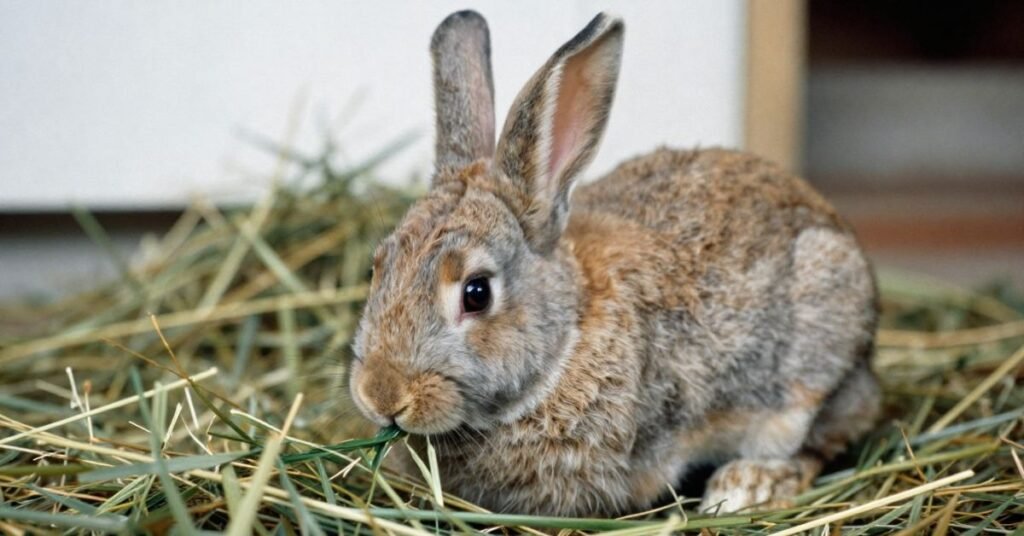
Herbivorous rabbits need a diet high in fiber. Fiber keeps their digestion working well. It also helps wear down their teeth. Fresh hay should be available all day. Clean water is also very important. A poor diet can cause stomach and dental problems.
Rabbits also need vitamins and minerals from plants. Leafy greens provide extra nutrition. Pellets can be given in small amounts. Too much rich food can be harmful. Balance is the key to a healthy rabbit. A simple and natural diet works best.
Key nutritional needs of herbivorous rabbits:
- High fiber from hay and grass
- Fresh, clean water at all times
- Leafy greens for vitamins and minerals
- Limited pellets for added nutrients
- Very low sugar and fat intake
- No processed or human foods
Importance of Fiber for Rabbit Health
Fiber acts like fuel for a rabbit’s body. It keeps the digestive system active throughout the day. Rabbits are built to eat rough plants nonstop. Fiber helps food move smoothly from start to finish. When fiber is missing, digestion slows down and problems begin quickly.
Fiber also protects a rabbit’s teeth in a natural way. Rabbit teeth grow every single day. Chewing long, coarse fibers helps wear them down evenly. This prevents sharp edges and mouth pain. A fiber-rich diet keeps rabbits calm, comfortable, and strong.
How fiber supports rabbit health:
- Keeps the gut moving naturally
- Prevents digestive slowdowns
- Reduces tooth overgrowth issues
- Supports healthy gut microbes
- Encourages natural chewing behavior
- Improves overall comfort and wellbeing
Vitamins, Minerals, and Hydration Needs
Vitamins and minerals work quietly inside a rabbit’s body. They help organs function properly. Strong bones, smooth fur, and good immunity all depend on them. Most of these nutrients come from natural plant foods. A varied diet keeps levels balanced. Too much or too little can both cause problems.
Water is life for rabbits. It helps food move through the gut. It also carries nutrients to every part of the body. Rabbits must always have clean, fresh water. Even mild dehydration can affect digestion. A well-hydrated rabbit stays active and alert.
| Nutrient or Need | Natural Source | Body Function | Why It Matters | Risk If Lacking | Safe Feeding Advice |
| Vitamin A | Dark leafy greens | Eye and skin care | Keeps vision clear | Poor eyesight | Offer mixed greens |
| Vitamin B Complex | Hay and plants | Energy release | Supports nerves | Low activity | Unlimited hay |
| Vitamin C | Fresh herbs | Immune support | Fights illness | Weak immunity | Small fresh servings |
| Vitamin D | Sun exposure | Bone strength | Helps calcium use | Soft bones | Safe sunlight only |
| Calcium | Hay, greens | Bone structure | Strong teeth | Bone weakness | Avoid overfeeding |
| Phosphorus | Plant foods | Bone balance | Works with calcium | Growth issues | Keep balanced |
| Magnesium | Leafy greens | Muscle control | Prevents cramps | Weak muscles | Natural sources |
| Potassium | Greens | Fluid balance | Heart health | Lethargy | Rotate vegetables |
| Iron | Herbs | Blood health | Oxygen flow | Tiredness | Moderate amounts |
| Zinc | Plants | Skin repair | Healing support | Skin problems | Balanced diet |
| Fresh Water | Clean supply | Hydration | Smooth digestion | Dry stool | Change daily |
Safe and Unsafe Foods for Herbivorous Rabbits
Herbivorous rabbits must eat the right foods to stay healthy. Some plants are safe and helpful. Others can harm their stomach or teeth. A safe diet keeps digestion smooth and energy levels high. Unsafe foods can cause pain, bloating, or illness. Knowing the difference is very important.
Safe foods are natural and high in fiber. These include hay, grass, and leafy greens. Unsafe foods are often sweet, processed, or toxic. Even small amounts can be dangerous. Always choose fresh and simple foods. When in doubt, do not feed it.
| Food Item | Category | Safe or Unsafe | Reason | Feeding Advice |
| Timothy Hay | Hay | Safe | High fiber | Unlimited daily |
| Fresh Grass | Grass | Safe | Natural digestion | Clean and untreated |
| Romaine Lettuce | Leafy green | Safe | Hydration and fiber | Regular feeding |
| Cilantro | Herb | Safe | Gentle on stomach | Fresh only |
| Carrot Tops | Greens | Safe | Nutrient-rich | Moderate amounts |
| Kale | Leafy green | Safe | High vitamins | Rotate only |
| Apple (no seeds) | Fruit | Limited | High sugar | Small treats |
| Banana | Fruit | Unsafe | Too sugary | Avoid |
| Iceberg Lettuce | Vegetable | Unsafe | Low nutrition | Do not feed |
| Bread | Human food | Unsafe | Hard to digest | Never feed |
| Chocolate | Processed food | Unsafe | Toxic | Dangerous |
| Onions | Vegetable | Unsafe | Toxic compounds | Never feed |
| Garlic | Vegetable | Unsafe | Digestive harm | Avoid |
| Avocado | Fruit | Unsafe | Contains toxins | Never feed |
| Sugary snacks | Processed food | Unsafe | Causes gut issues | Do not feed |
Conclusion
Rabbits are small but sensitive animals. Their health depends on what they eat. A diet rich in fiber, vitamins, and minerals keeps them strong. Safe foods like hay, grass, and leafy greens are very important. Unsafe foods can cause serious problems quickly.
Balanced nutrition is the key to a happy rabbit. Fresh water must always be available. Fiber helps digestion and keeps teeth healthy. Vitamins and minerals support bones, skin, and immunity. Herbs and safe greens add variety and enjoyment to meals.
Always observe your rabbit when introducing new foods. Start slowly and watch for any changes in behavior or digestion. A sudden diet change can upset the stomach. Consistency and care help rabbits live longer and healthier lives.
Avoid giving processed or sugary foods. Even small amounts can harm their gut. Stick to natural, plant-based options. This prevents illness and keeps your rabbit active. A little knowledge goes a long way in rabbit care.
In the end, feeding a rabbit is simple if done right. Provide fresh hay, safe greens, and clean water every day. Give occasional safe treats and rotate vegetables for variety. Healthy feeding habits lead to a happy and lively rabbit.
FAQs
1. What is the best food for herbivorous rabbits?
Hay is the most important food for rabbits. Fresh grass, leafy greens, and safe herbs provide extra nutrients. A mix of these keeps rabbits healthy and happy.
2. Can rabbits eat fruits?
Yes, but only in small amounts. Fruits like apples (without seeds) or berries are safe occasionally. Too much sugar can upset their stomach.
3. Why is fiber important for rabbits?
Fiber keeps the digestive system moving and healthy. It also helps wear down teeth naturally. Lack of fiber can lead to serious gut problems.
4. Are all leafy greens safe for rabbits?
Most leafy greens are safe, like romaine lettuce, spinach, and kale. Some, like iceberg lettuce or rhubarb leaves, are unsafe. Always introduce new greens slowly.
5. How much water should a rabbit drink?
Rabbits need fresh, clean water every day. Amount depends on size and diet, but water should always be available. Proper hydration supports digestion and overall health.
