


Introduction
The term rabbit virus refers to viruses that affect rabbits in the wild and in homes. These viruses can cause mild, moderate, or severe illness. However, many rabbit owners do not understand how fast these diseases spread. In addition, they often do not know how to manage symptoms or stop outbreaks. Understanding each rabbit virus is important for safe care. As a result, it can save lives and prevent long-term harm.
A virus is a tiny germ that needs a host to survive. In this case, the host is a rabbit. Once inside the body, the virus attacks cells and spreads fast. Some viruses harm the digestive system, while others damage the lungs or blood. In severe cases, certain viruses lead to bleeding and organ failure. A few can even cause sudden death. Every virus has its own cycle and pattern. Therefore, the key to management is knowledge.
Rabbits are social animals. They live in groups in nature. Because of this behavior, viruses spread faster among them. One sick rabbit can infect an entire colony. Even so, pet rabbits also face threats. They can catch viruses from insects, food, soil, or clothing. The situation becomes serious when people ignore early signs. This blog covers all major viruses that affect rabbits. It explains symptoms, treatments, and safety steps. Overall, the goal is simple: help rabbit owners protect their pets.
Understanding the Rabbit Virus Threat

The rabbit virus threat is not limited to one species. There are many types. Some viruses only cause mild discomfort, while others are deadly. The biggest problem is how fast the rabbit virus spreads. Once it enters a colony, it can wipe out the entire group in days. For this reason, farmers and breeders take outbreaks seriously.
Many viruses spread through direct contact. Others, however, spread through insects or waste. A few even spread through the air. In addition, some viruses survive on cages, fabrics, and feeding tools. They can remain alive outside the host for many days. As a result, control becomes harder. Rabbit owners must maintain hygiene. They should clean cages and remove waste often. At the same time, monitoring behavior and eating habits is essential.
The threat increases during warm seasons. This is because insects multiply faster in heat. Many viruses spread through flies and mosquitoes. These insects bite infected rabbits and then infect healthy ones. Wild rabbits face higher exposure. Meanwhile, pet rabbits face fewer threats but are not immune. Understanding transmission helps control outbreaks. Since many viruses have no cure, prevention works better than treatment. Early detection remains critical.
Types of Rabbit Virus
The major viruses that affect rabbits include Rabbit Hemorrhagic Disease Virus (RHDV), Myxoma Virus, Rotavirus, Coronavirus, and Parvovirus. Each virus affects the rabbit body differently. Some target blood, while others attack lungs, digestion, or immunity. This section explains each virus in simple language.
These viruses do not behave the same way. Some have long incubation periods, whereas others kill quickly. Certain viruses cause swelling and discharge, while others lead to diarrhea and weakness. Some spread across continents. RHDV and Myxoma Virus are well known due to global outbreaks. As a result, wild populations, farms, and breeding centers suffered major losses. This damage led to strict disease control laws in some regions.
Pet rabbits are not completely safe. Many people believe indoor rabbits cannot catch viruses. However, this is not true. Infected insects or contaminated objects can bring viruses indoors. Therefore, understanding all virus types helps owners react quickly. Accurate knowledge leads to better care decisions. The following sections explain each major virus in detail.
Rabbit Hemorrhagic Disease Virus (RHDV)
Rabbit Hemorrhagic Disease Virus is the most serious rabbit virus known today. It attacks the blood system and internal organs. As a result, it causes internal bleeding and organ failure. RHDV spreads extremely fast. It can kill rabbits within one to three days. In some cases, rabbits show no signs before death. This makes RHDV especially dangerous. Many global outbreaks began with just one infected rabbit.
RHDV spreads through food, water, insects, clothing, and soil. In addition, it survives for months in the environment. It resists heat and common disinfectants. Because of this, cleanup becomes difficult. RHDV affects both wild and pet rabbits. There are two main strains: RHDV1 and RHDV2. RHDV2 affects younger rabbits and spreads faster. Vaccines exist for both strains, so many breeders vaccinate for protection.
A rabbit with RHDV may show fever, nose bleeding, weakness, or loss of appetite. Sadly, many die before symptoms appear. Treatment does not cure the virus. Instead, it only supports the rabbit. Prevention remains the only effective method. Clean environments, insect control, and vaccination reduce spread. Overall, this virus remains a global concern.
Myxoma Virus
Myxoma Virus is another deadly rabbit virus. It causes the disease known as Myxomatosis. The virus targets skin and immune cells. It causes swelling, discharge, and lumps. The disease spreads mainly through biting insects like fleas and mosquitoes. It also spreads through direct contact. Myxomatosis killed large rabbit populations in Europe and Australia.
A rabbit with Myxoma Virus may show swollen eyelids, lumps near nose, discharge, trouble breathing, and loss of energy. The disease weakens the immune system. Rabbits often die from infection or breathing failure. Myxoma Virus spreads faster during warm months. This is when insects are active. Some rabbits show mild infection. Others die within two weeks. The severity depends on the strain and rabbit type.
There is no cure for this rabbit virus. Treatment focuses on comfort, warmth, and fluids. Some rabbits survive if the virus strain is weak. Others need antibiotics to fight secondary infections. Prevention is important. Insect control helps limit spread. Some countries use vaccines for Myxomatosis. The virus remains present in wild populations. Owners need awareness and strong hygiene to reduce risk.
Rotavirus Infection
Rotavirus is a rabbit virus that affects the digestive system. It causes diarrhea, dehydration, and weight loss. Young rabbits are at higher risk. Rotavirus spreads through contaminated food, water, and surfaces. It survives for a long time in the environment. This makes control difficult in breeding centers and farms.
Diarrhea is the main symptom. It can last for days. Diarrhea weakens the rabbit fast. A dehydrated rabbit becomes weak and may collapse. Rotavirus does not usually kill adult rabbits. However, it makes young rabbits vulnerable to other infections. The virus also harms growth. Many infected young rabbits fail to gain weight. Some die from dehydration if not given fluids.
This rabbit virus spreads in cages with poor hygiene. Clean surfaces reduce risk. Many cases happen during weaning. This is when young rabbits have weaker immunity. Farmers monitor waste and feed. They clean cages often to stop outbreaks. Support care includes fluids and electrolytes. Antibiotics do not cure the virus. They only stop secondary bacteria. Prevention works better than treatment.
Coronavirus Infection
Coronavirus is a mild to moderate rabbit virus. This virus affects the digestive system.As a result, enteritis, soft stool, and dehydration may occur.The infection spreads through direct contact and contaminated surfaces. The virus often appears in crowded environments. Rabbits under stress are more likely to catch it.
Coronavirus does not always kill. Many rabbits recover with support care. The virus harms hydration and stomach health. Rabbits feel weak and stop eating. This creates digestive shutdown. The biggest risk is dehydration. Rabbits need fresh water and electrolytes. Without fluids, the rabbit may collapse. Young rabbits are more at risk compared to adults.
This rabbit virus survives well on surfaces. Hygiene stops outbreaks. Farmers clean cages and feeding tools. They avoid overcrowding. Stress control helps rabbits recover faster. Some rabbits build immunity. Others catch the virus again later. Support care remains the best option for coronavirus in rabbits. Prevention remains more effective than treatment.
Parvovirus Infection
Parvovirus is another rabbit virus that targets digestion. This virus causes severe diarrhea and dehydration.
The infection spreads easily through feces. Additionally, it can survive for long periods outside the body.Young rabbits are more at risk. Parvovirus outbreaks often occur in breeding centers.
Symptoms include watery stool, weight loss, and refusal to eat. Many rabbits show diarrhea for several days. If the rabbit does not drink fluids, it may collapse. Parvovirus weakens growth. Survivors may show delayed development. Parvovirus infection lowers immunity. This makes rabbits vulnerable to other diseases.
The rabbit virus spreads through cages and feeding tools. It is hard to remove because it survives for months. Farmers must use strong cleaning solutions. They must isolate sick rabbits. Fluids and electrolytes help manage dehydration. Antibiotics do not cure parvovirus. They only reduce additional infections. Prevention works better than treatment.
Rabbit Virus Symptoms

Rabbits can show many signs when they get sick. Some may stop eating or drinking. Others may look weak or very tired. Diarrhea, swelling, discharge from eyes or nose, and breathing problems are also common. Sometimes, a rabbit can die quickly without showing clear signs.
Symptoms can vary depending on the type of virus. Young rabbits often show more severe signs than adults. Fever, loss of appetite, and sudden behavior changes are warning signals. Watching your rabbits closely helps detect illness early. Early care can make a big difference in their survival.
| Rabbit Virus | Full Name | Main Symptoms | Transmission | Risk Level | Treatment / Care | Notes |
| Rabbit Virus: Rabbit Hemorrhagic Disease Virus (RHDV) | Rabbit Hemorrhagic Disease Virus | Fever, bleeding, sudden death, lethargy, loss of appetite | Contact with infected rabbits, contaminated surfaces, insects, food, water | Very High | No cure; supportive care only, vaccination available | Highly contagious; affects wild and domestic rabbits; two main strains RHDV1 and RHDV2 |
| Rabbit Virus: Myxoma Virus | Myxoma Virus | Swelling of eyelids, lumps around nose and genitals, discharge, breathing difficulty, weakness | Biting insects (fleas, mosquitoes), direct contact | High | Supportive care; antibiotics for secondary infection; vaccination available | Known for Myxomatosis; severity depends on strain and rabbit species; spreads rapidly |
| Rabbit Virus: Rotavirus Infection | Rotavirus | Diarrhea, dehydration, weight loss, lethargy | Contaminated food, water, feces, surfaces | Moderate | Supportive care with fluids and electrolytes; hygiene is critical | Mainly affects young rabbits; adults often recover without severe illness |
| Rabbit Virus: Coronavirus Infection | Rabbit Coronavirus | Soft stool, enteritis, dehydration, weakness | Direct contact, contaminated surfaces | Low to Moderate | Supportive care, hydration, stress reduction | Often occurs in crowded or stressed environments; mild to moderate illness |
| Rabbit Virus: Parvovirus Infection | Rabbit Parvovirus | Severe diarrhea, dehydration, weight loss, refusal to eat | Contact with infected feces, contaminated surfaces | Moderate | Supportive care with fluids, electrolytes; isolation; no cure | Highly resistant in environment; mainly affects young rabbits; outbreaks in breeding centers |
How Rabbit Virus Spreads
The spread of rabbit virus depends on contact, insects, waste, soil, and air. Some viruses spread through fleas and mosquitoes. Others spread through food and water. Many viruses survive outside the rabbit body for long periods. This makes control harder. Rabbits also groom each other often. Grooming spreads viruses between siblings and parents.
Wild rabbits face higher risk because they live in groups. Pet rabbits face less risk but remain vulnerable. Clothing can bring viruses inside homes. Shoes can carry contaminated soil. Insects can enter houses and infect rabbits. This shows how easy it is for a rabbit virus to spread. Controlling insects lowers the threat. Cleaning tools and cages helps stop outbreaks. Avoiding overcrowding helps reduce contact and infection.
Diagnosing Rabbit Virus
Diagnosing any rabbit virus requires attention. Owners must watch behavior and appetite. Rabbits hide pain. They remain quiet when sick. Sudden behavior changes can show early infection. Loss of appetite is another sign. Diarrhea, discharge, or fever also signal disease. In severe cases, rabbits collapse without warning.
Veterinarians confirm virus diagnosis through tests. They collect blood, feces, or tissue. Lab results identify the specific rabbit virus. Early diagnosis gives better survival chances. Some viruses kill before symptoms appear. This makes testing urgent. Breeders often test entire colonies when one rabbit becomes sick. Testing stops outbreaks before they spread.
Preventing Rabbit Virus Outbreaks
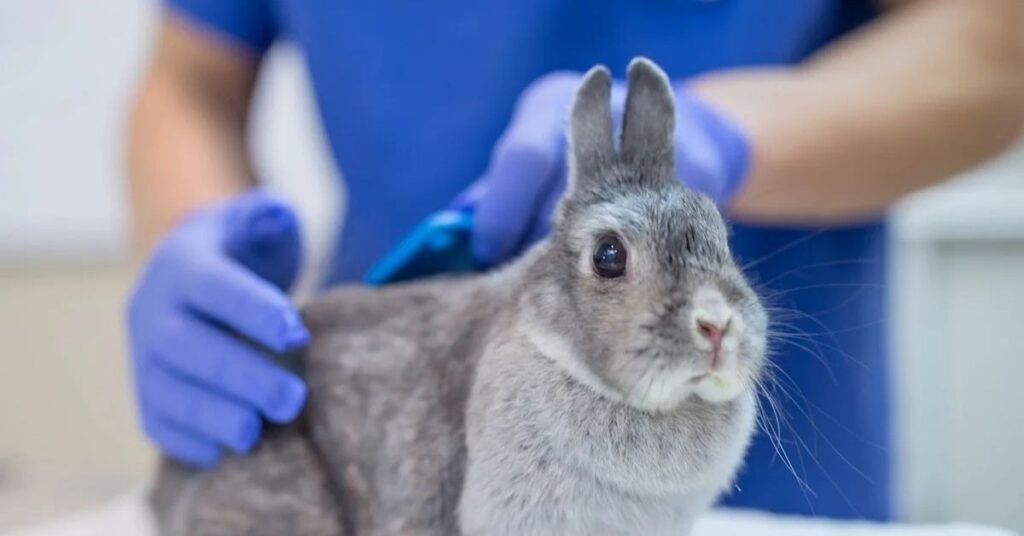
Prevention is always better than treatment. Many rabbit infections have no cure. Vaccination protects against serious diseases like Myxoma Virus and RHDV. Good hygiene helps prevent digestive illnesses. Controlling insects stops mosquitoes and fleas from spreading germs. These steps reduce the chance of outbreaks.
Clean cages and fresh water help keep rabbits healthy. Clean feeding tools prevent contamination. Avoiding overcrowding lowers stress. Stress makes rabbits weaker and more likely to get sick. Isolating sick rabbits protects healthy ones. Bringing in new rabbits from clean sources also helps. Many outbreaks start when new rabbits join a group. Quarantining new arrivals is important for safety.
Owners should also clean clothing and shoes after visiting outdoor areas. Germs hide in soil and grass. Insects can carry infections. Summer makes control harder because insects are more active. Awareness and knowledge protect rabbits. Without prevention, diseases can spread quickly and become deadly.
Supporting a Rabbit During Virus Infection
Supportive care helps rabbits fight any serious infection. Fluids prevent dehydration. Warmth prevents shock. Fresh hay supports digestion. Soft foods encourage eating. Many rabbits stop eating when they are sick. This can lead to digestive problems. Owners must encourage rabbits to eat. Recovery takes patience and time.
Some illnesses need special care. Myxoma Virus may require antibiotics for secondary infections. Rotavirus and Parvovirus often need fluid therapy. RHDV needs emergency care but can act very quickly. These infections stress rabbits. Reducing stress helps them recover faster. Quiet environments keep rabbits calm. Supportive care improves their chances of survival.
Impact of Rabbit Virus on Wild Populations
Many viral diseases harmed wild rabbit populations. RHDV and Myxoma Virus reshaped wildlife in Europe and Australia. These diseases lowered rabbit numbers. Some governments introduced viruses to control overpopulation. The result changed local ecosystems. Predators lost food sources. Plants grew without grazing. The balance shifted.
Wild rabbits cannot receive treatment. Their survival depends on natural immunity. Some developed resistance over time, which reduced death rates. However, new virus strains continue to appear. Each new strain brings new risks. This shows how powerful these diseases can become.
Impact of Rabbit Virus on Pet Rabbits

Pet rabbits face fewer disease threats but can still get sick. Many owners assume indoor rabbits are completely safe. Insects, contaminated clothing, and objects can bring infections inside. Many outbreaks happen without warning. Vaccination protects pet rabbits from serious illnesses. Good hygiene also keeps them safe. Pet rabbits recover better because they get proper care. However, many owners do not notice early signs, which delays treatment.
This shows why awareness is important. Owners need to learn the signs of illness. Watching rabbits closely helps detect problems early. Providing fluids and feeding support improves chances of survival. Some infections cannot always be cured. Supportive care and prevention make a big difference. Pet rabbits rely on owners for their safety and health.
Rabbit Virus Vaccination and Immunity
Vaccination is the best way to protect rabbits from serious diseases. It helps their body fight infections and reduces the risk of severe illness. Some vaccines protect against deadly viruses like RHDV and Myxoma Virus. Regular vaccination keeps rabbits safe, especially in areas where outbreaks are common.
Immunity also depends on age and health. Young rabbits need extra care because their immune system is weaker. Older rabbits may need boosters to stay protected. Healthy diet, clean environment, and reduced stress improve immunity. Together with vaccines, these steps help rabbits stay strong and healthy.
| Virus | Vaccine Available | Age for Vaccination | Effectiveness |
| RHDV | Yes | Young and Adult Rabbits | High |
| RHDV2 | Yes | Young Rabbits | High |
| Myxoma Virus | Yes | Young and Adult Rabbits | High |
| Rotavirus | No | Not Applied | Support Care Only |
| Coronavirus | No | Not Applied | Support Care Only |
| Parvovirus | No | Not Applied | Support Care Only |
Conclusion
Rabbits face many health threats from viruses. Some illnesses are mild, while others can be very serious. Understanding these diseases helps owners act fast. Early care can save lives.
Good hygiene is very important. Clean cages, fresh food, and clean water reduce the risk. Controlling insects and avoiding contact with sick animals also helps. Prevention is always better than treatment.
Vaccination is one of the most effective ways to protect rabbits. It strengthens their immunity and reduces the chance of severe illness. Regular check-ups with a vet help catch problems early.
Caring for rabbits means watching them closely. Any change in behavior, appetite, or stool can be a warning sign. With attention, care, and prevention, rabbits can live happy and healthy lives.
FAQs
What is the most dangerous virus for rabbits?
RHDV is considered the most dangerous. It can kill rabbits suddenly without clear signs. It spreads quickly and affects both wild and domestic rabbits.
Can pet rabbits catch viruses?
Yes. Domestic rabbits can get sick from insects, soil, contaminated clothing, or food. Vaccination protects them against major diseases like RHDV and Myxomatosis.
How do viruses spread between rabbits?
Viruses pass through insects, direct contact, contaminated surfaces, food, water, and even soil. Some types can also travel through the air.
Do all viruses kill rabbits?
No. Some cause only mild digestive or breathing problems. Others can be deadly. The impact depends on the type of virus and the rabbit’s age.
How can I protect my rabbit from infection?
Good hygiene, vaccination, controlling insects, and keeping sick rabbits isolated help prevent disease. Preventive care works better than treatment.
