

Introduction
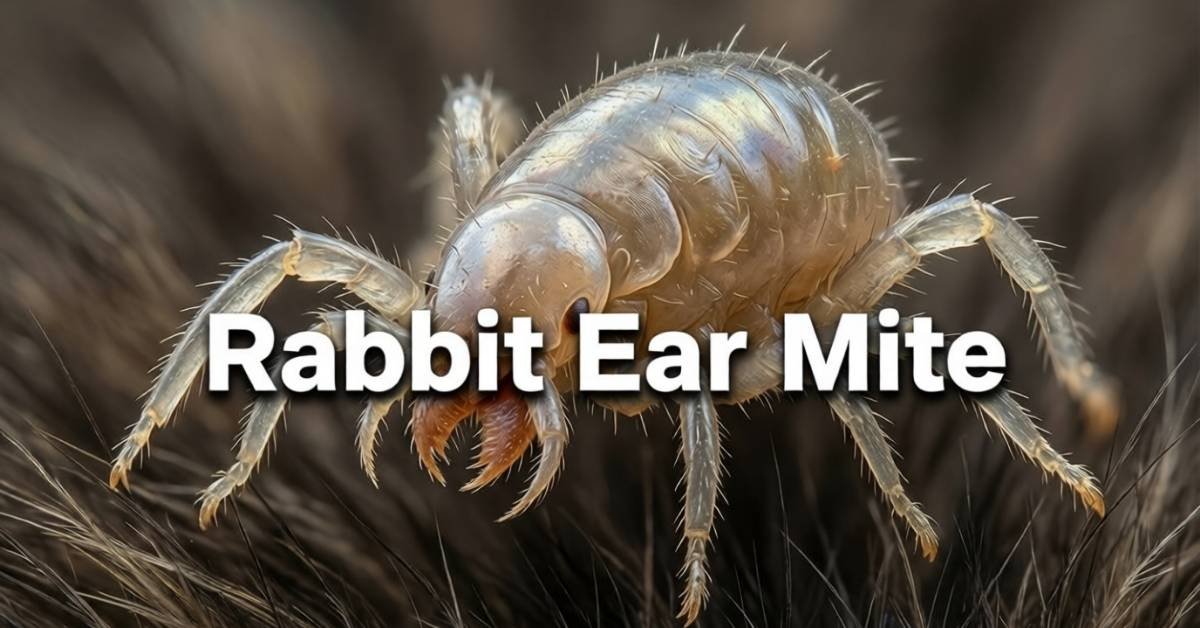
A rabbit ear mite is a tiny parasite that lives inside a rabbit’s ears. It causes itching, irritation, and crusty skin. Without proper treatment, a rabbit ear mite infestation can spread and cause pain. This condition needs quick attention and careful care.
Many rabbit owners miss the early signs of a rabbit ear mite. They often mistake it for dirt or allergies. Some try random home remedies that do not work. This leads to more discomfort for the rabbit and longer healing time. Understanding common mistakes is important for proper care.
Treating a rabbit ear mite can be simple if done correctly. Learning the signs, avoiding harmful mistakes, and choosing the right treatment makes a big difference. Proper care keeps the rabbit comfortable and prevents future problems.
What Are Ear Mites in Rabbits?
A rabbit ear mite is a small parasite that lives inside a rabbit’s ears. It feeds on skin and wax, causing itching, irritation, and dry flakes. Rabbits may shake their head or scratch their ears to relieve the discomfort. Over time, the ears can become crusty and inflamed. Without treatment, a rabbit ear mite infestation can spread and make the condition worse.
Rabbit ear mites are common in rabbits and can spread through contact with other animals. Even indoor rabbits can get them from contaminated bedding, grooming tools, or outdoor bugs. Early signs can be hard to notice, which is why awareness matters. When owners know what to look for, they can act fast and prevent serious pain.
How Rabbits Get Ear Mites
Rabbits can get ear mites through direct contact with infected animals. This includes other rabbits, pets, or wild animals. Mites can move easily from one ear to another. They can survive for short periods outside the body, waiting for a new host. This makes spreading very common in shared spaces.
Rabbits can also pick up mites from bedding, cages, grooming tools, or outdoor surfaces. Even indoor rabbits are not fully safe. Mites can come in through clothing, hands, or insects. Because of this, owners should keep habitats clean and check rabbits regularly. Early detection reduces stress and prevents severe infection.
Common Signs and Symptoms of Ear Mites in Rabbits
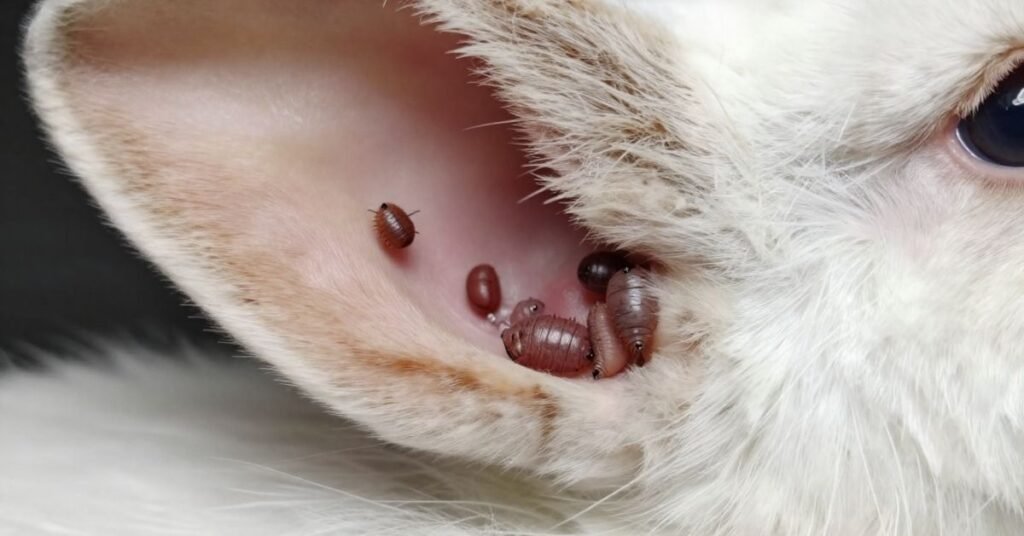
Ear mites cause irritation and discomfort. Rabbits may shake their head or scratch their ears often. The inner ear can become red, swollen, or crusty. Dry flakes and wax build up over time. Some rabbits stop eating because of pain. Symptoms may start mild and then become worse if ignored.
Owners should watch for both early and late signs. Early signs are easy to miss. Late signs can be painful and harder to treat. Checking the ears during grooming helps catch problems fast. Quick action protects the rabbit from stress and infection.
| Symptom | Description | What It Suggests |
| Head shaking | Rabbit shakes head repeatedly | Irritation or discomfort inside the ear |
| Ear scratching | Rabbit uses paws to scratch ears | Itching caused by mites |
| Crusty build-up | Thick crusts form around ear edges | Infection or advanced infestation |
| Red or swollen ear | Ear tissue becomes inflamed | Pain and irritation from mites |
| Dry flakes | White flakes around ear canal | Early signs of mite activity |
| Reduced appetite | Rabbit eats less or avoids food | Pain or stress from infection |
| Behavioral change | Rabbit becomes quiet or withdrawn | Discomfort or ongoing irritation |
| Waxy build-up | Yellow or brown wax increases | Mites feeding and multiplying |
| Hair loss around ears | Fur falls out near ears | Repeated scratching or infection |
| Sensitivity to touch | Rabbit pulls away when ears are touched | Ear pain or soreness |
Early Symptoms Rabbit Owners Often Miss
Early symptoms of ear mites are easy to overlook. They start small and do not always look serious. Many owners notice light scratching or minor flakes and assume it is normal. Some think it is dust, dandruff, or dry skin. Because of this, the problem grows without attention. Early spotting helps prevent pain and infection.
Rabbits may show mild changes in behavior or grooming. They may tilt their head slightly or avoid being touched. These signs are easy to miss if the rabbit is quiet or shy. Watching for small changes can make treatment easier and faster. Early action keeps the rabbit more comfortable and healthy.
Possible early signs include:
- Light scratching around the ears
- Small white flakes near the ear canal
- Mild head tilting
- Sensitivity to ear touch
- Slight wax build-up
Severe Symptoms That Need Immediate Care
Severe symptoms appear when the infestation is advanced. At this stage, the rabbit feels strong discomfort and pain. Crusts may form deep in the ear canal. The ears can become swollen and infected. If left untreated, the mites can spread to other parts of the body.
These symptoms require quick care from a veterinarian. Severe pain can affect eating, movement, and daily behavior. The rabbit may lose weight or become stressed. Early treatment reduces suffering and prevents long-term damage.
Severe signs may include:
- Thick crusts blocking the ear canal
- Strong swelling or redness
- Bleeding or open sores
- Sudden weight loss
- Refusal to eat or drink
- Extreme sensitivity to touch
- Severe head shaking or imbalance
How Ear Mites in Rabbits Are Diagnosed
Ear mites are diagnosed by checking inside the rabbit’s ears. A vet looks for mites, crusts, flakes, or wax build-up. Sometimes the mites can be seen with the eyes, but many are too small. A sample of debris may be taken from the ear and looked at under a microscope. This confirms the presence of mites and shows how bad the infestation is.
Diagnosis is important because other ear problems can look similar. Allergies, infections, and yeast can cause the same symptoms. A vet can tell the difference and choose the right treatment. Early diagnosis helps the rabbit heal faster and prevents stress or long-term damage.
Can You Identify Ear Mites at Home?
Some signs of ear mites can be noticed at home. Owners may see scratching, head shaking, flakes, or crusty skin. These clues suggest that something is bothering the ears. However, mites are tiny and cannot always be seen without tools. Because of this, home checks are not always accurate.
Home observation can help owners know when to seek care. But it cannot replace a proper veterinary diagnosis. Other ear problems can look the same and need different treatment. A vet can confirm the cause and choose the right solution. This prevents delays and keeps the rabbit more comfortable and healthy.
When a Veterinary Diagnosis Is Necessary
A veterinary diagnosis is necessary when symptoms are severe or persistent. Rabbits that show swelling, crusts, or strong pain need expert care. A vet can confirm if mites are the cause or if another condition is involved. This prevents wrong treatment and reduces suffering for the rabbit.
A vet visit is also needed when home checks are unclear. Some rabbits hide discomfort, making symptoms harder to spot. A vet has tools to look deep inside the ear and identify the problem. This leads to faster treatment and better recovery for the rabbit.
Best Treatment Options for Rabbit Ear Mites
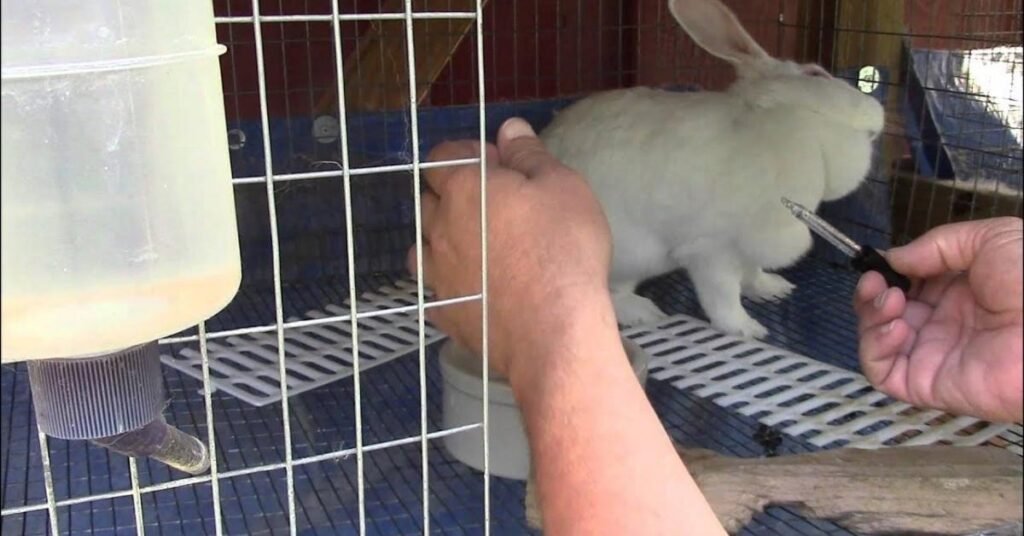
There are several effective ways to treat ear mites in rabbits. The right treatment depends on how severe the infestation is. Mild cases can sometimes be treated at home with proper medication. Severe cases always need veterinary care. Treatment focuses on killing the mites, cleaning the ears, and reducing pain or infection.
Common treatment options include:
- Topical medications : Drops or ointments applied directly to the ear to kill mites
- Oral medications : Pills given by a vet to treat severe infestations
- Ear cleaning : Gentle cleaning of crusts and wax to help medicine work better
- Anti-inflammatory care : Reduces pain, redness, and swelling
- Follow-up checks : Ensures the mites are gone and prevents re-infestation
Vet-Recommended Medications
Vets often prescribe specific medications to treat ear mites in rabbits. These medicines are strong enough to kill the mites quickly. They come in the form of drops, ointments, or pills. Some may also reduce swelling and discomfort in the ears. Using the right medication is important for safe and effective treatment.
It is important to follow the vet’s instructions carefully. Overuse or underuse can make the mites return. Some medications need repeated doses to fully clear the infestation. Vets may also suggest cleaning the ears before applying medicine. This ensures the treatment works faster and keeps the rabbit comfortable.
Is Home Treatment Safe for Rabbits?
Home treatment can help mild cases if done carefully. Gentle cleaning and vet-approved ear drops may be used. However, many over-the-counter remedies are not safe for rabbits. Strong chemicals or incorrect doses can harm their ears or health.
It is always best to consult a vet before trying home treatment. Rabbits are sensitive, and mistakes can make the problem worse. A vet can guide safe methods and the right medicines. Home care should only support professional treatment, not replace it.
Common Mistakes to Avoid During Ear Mite Treatment
Many rabbit owners make mistakes when treating ear mites. Using the wrong medicine or home remedy can harm the rabbit. Skipping cleaning or follow-up checks can let the mites return. Treating too late or ignoring symptoms may cause serious infection. Knowing what not to do helps rabbits heal faster.
Common mistakes to avoid include:
- Using human or dog ear drops without vet advice
- Skipping ear cleaning before applying medicine
- Stopping treatment too early
- Ignoring mild symptoms or early signs
- Not checking other rabbits or pets for mites
- Over-cleaning and hurting the ear canal
Using Cat or Dog Medicine on Rabbits
Some owners use cat or dog ear medicines on rabbits. This is dangerous because rabbits are very sensitive. Medicines safe for cats or dogs can harm a rabbit’s ears or even be toxic. Using the wrong medicine can cause pain, irritation, or serious health problems. Always check with a vet before giving any medicine.
It is important to understand which medicines are safe. The wrong choice can delay recovery or worsen the infection. Rabbits need products specifically approved for their species. The table below shows common risks of using cat or dog medicine on rabbits:
| Medicine Type | Risk for Rabbits | Possible Outcome | Safe Alternative |
| Cat ear drops | Contains chemicals not tested on rabbits | Ear irritation, toxicity | Vet-prescribed rabbit drops |
| Dog ear ointment | Strong dosage or chemicals | Pain, swelling, infection | Rabbit-safe ointment recommended by vet |
| Flea/tick spot-on | Highly toxic to rabbits | Seizures, organ failure, death | Only rabbit-approved parasite treatments |
| Over-the-counter ear cleaner | Ingredients may dry out ear canal | Pain, cracking, secondary infection | Vet-approved gentle ear cleaner |
| Antibiotic ear drops for dogs | Different bacteria targeted | May not treat mites, can irritate | Prescription ear mite medication for rabbits |
Stopping Treatment Too Early
Many owners stop treatment as soon as the rabbit seems better. This is a common mistake. Even if the itching and flakes disappear, some mites may still be alive. Stopping too early can let the mites return. This causes the rabbit to suffer again and may make the infestation worse.
It is important to complete the full course of treatment. Follow the vet’s instructions for duration and dosage. Check the ears regularly during treatment. Completing the full treatment ensures all mites are gone. This keeps the rabbit healthy and prevents future problems.
How to Prevent Ear Mites in Rabbits
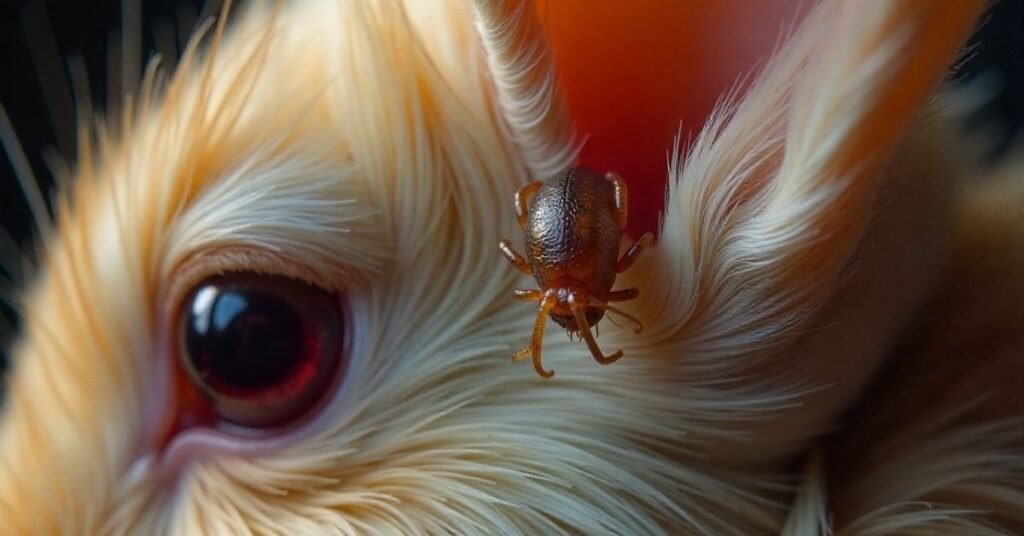
Preventing ear mites is easier than treating them. Keeping your rabbit’s cage and bedding clean reduces the risk. Wash hands before handling the rabbit. Avoid contact with infected animals. Regularly check your rabbit’s ears for flakes, crusts, or redness. Early detection prevents serious problems.
Good hygiene and care are key. Clean cages, bowls, and toys often. Separate new or sick rabbits until they are checked. Use vet-approved products for grooming and parasite control. Healthy rabbits with clean habitats are less likely to get mites. Prevention saves time, stress, and keeps your rabbit happy.
Cage Cleaning and Ongoing Ear Care Tips
Keeping the cage clean is important to prevent a rabbit ear mite infestation. Remove soiled bedding and wash the cage weekly. Clean food bowls, water bottles, and toys regularly. This reduces germs, parasites, and the risk of a rabbit ear mite spreading. Regular ear checks help catch problems early. Look for flakes, redness, or crusts inside the ears, which may indicate a rabbit ear mite.
Ongoing care keeps rabbits healthy and comfortable. Gentle cleaning and routine checks prevent infections and help spot early signs of a rabbit ear mite. The table below shows practical tips for cage cleaning and ear care:
| Task | How Often | Tips |
| Remove soiled bedding | Daily | Replace with fresh, dry bedding |
| Wash cage | Weekly | Use mild, rabbit-safe disinfectant |
| Clean food & water bowls | Every 2-3 days | Rinse thoroughly to remove residue |
| Check ears | Weekly | Look for flakes, redness, or swelling |
| Groom rabbit | Weekly | Brush fur and check for skin issues |
| Clean toys | Weekly | Wash plastic or chewable toys with mild soap |
| Isolate new rabbits | Until checked by vet | Prevent spread of mites or infections |
| Monitor behavior | Daily | Watch for scratching, head tilting, or discomfort |
Conclusion
Ear mites are common in rabbits but can be treated effectively. Early detection and proper care make a big difference. Owners who check ears regularly can prevent serious problems. Small signs like scratching or flakes should never be ignored.
Using the right treatment is very important. Home remedies or medicines for other animals can be dangerous. Following a vet’s instructions ensures the rabbit recovers safely. Completing the full course of treatment prevents mites from returning.
Prevention is better than cure. Keeping cages clean and checking ears often reduces the risk of infestation. Avoiding contact with infected animals and maintaining good hygiene protects rabbits. Routine care keeps them happy and healthy.
With careful observation, proper treatment, and preventive care, rabbits can stay free from ear mites. Owners who act quickly and follow safe practices make life easier for their pets. Healthy ears mean a happier, more comfortable rabbit.
FAQs
1. What are ear mites in rabbits?
Ear mites are tiny parasites that live in a rabbit’s ears. They cause itching, crusts, and irritation. If untreated, they can lead to infection and discomfort. Early detection makes treatment easier.
2. How can I tell if my rabbit has ear mites?
Common signs include head shaking, scratching ears, flakes, or crusty skin. Red or swollen ears may also appear. Regular ear checks help catch mites early.
3. Can I treat ear mites at home?
Mild cases may be treated at home with vet-approved medications. Avoid using cat or dog medicines, which can be dangerous. Always consult a vet before starting treatment.
4. How long does ear mite treatment take?
Treatment usually takes a few weeks, depending on severity. Following the full course of medicine is important. Stopping early can let mites return.
5. How can I prevent ear mites in my rabbit?
Keep the cage and bedding clean. Wash food bowls and toys regularly. Check your rabbit’s ears often and avoid contact with infected animals. Prevention is easier than treatment.
