

Introduction
Rabbits are small mammals. They are known for their soft fur, long ears, and quiet behavior. Like other mammals, rabbits do not lay eggs. They give birth to live young called kits.
Many people still wonder if rabbits lay eggs. This question often appears during Easter, when rabbits are linked with colorful eggs. This creates confusion and makes people curious about how rabbit reproduction works. The idea sounds fun, but the truth is very different.
Rabbits breed in a natural way. Female rabbits become pregnant after mating and carry their babies inside their bodies. After a short pregnancy, they give birth to their kits. This simple process shows that rabbits are mammals, not egg-laying animals.
Do Rabbits Lay Eggs or Give Birth?
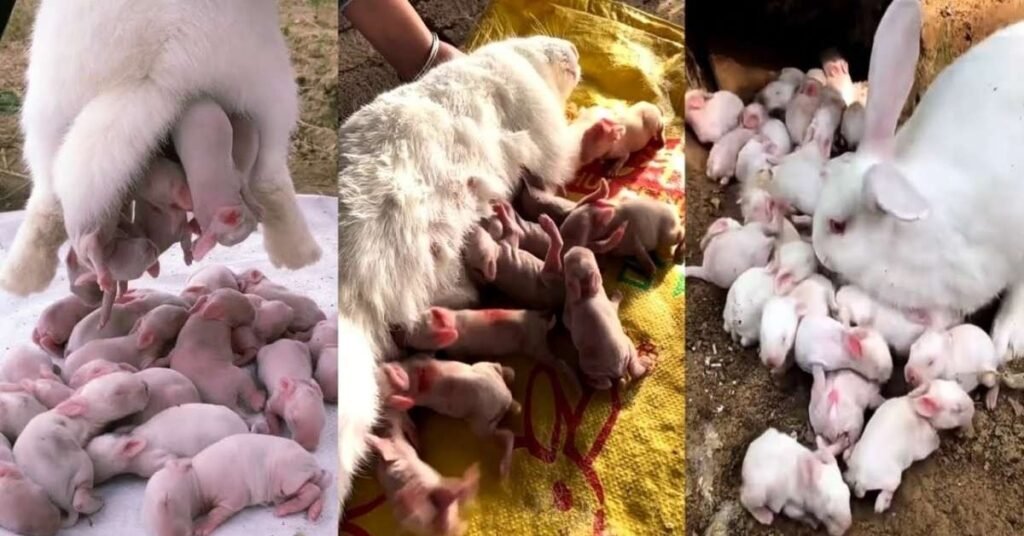
Rabbits give birth to live babies. They do not lay eggs. Rabbits are mammals, and all mammals give birth to their young. A mother rabbit carries her babies inside her body during pregnancy. After a short time, she delivers small, blind, and hairless kits. This is a normal part of the rabbit life cycle.
Many people still get confused because rabbits are often linked with Easter eggs. This connection is only symbolic and cultural. It has nothing to do with biology. Rabbits reproduce through mating and pregnancy. Their bodies are designed to nurture growing babies. This is why rabbits give birth instead of laying eggs.
Below is a simple table to make the difference clear:
| Feature | Rabbits | Egg-Laying Animals |
| Reproduction Type | Give birth | Lay eggs |
| Animal Category | Mammals | Birds, reptiles, some fish |
| Babies at Birth | Kits (live young) | Eggs hatch into young |
| Pregnancy | Yes | No pregnancy |
| Example Species | Rabbits, cats, dogs | Chickens, turtles, snakes |
| Care of Young | Mother feeds with milk | Often hatch and survive independently |
| Body Adaptation | Milk glands and womb | Shell-producing egg glands |
| Cultural Confusion | Easter eggs myth | None |
Scientific Answer for Confused Pet Owners
The scientific answer is simple. Rabbits are mammals. Mammals do not lay eggs. Their bodies are designed for pregnancy, birth, and milk production. A female rabbit, called a doe, carries her babies in her womb. After about a month, she gives birth to live young called kits.
Some pet owners get confused because of cultural myths. The Easter Bunny tradition makes people think rabbits and eggs go together. But this idea is only symbolic. It has nothing to do with real biology or animal care. Knowing how rabbits reproduce helps owners care for them better and avoid misunderstandings.
Helpful facts for clarity:
- Rabbits are mammals, not birds or reptiles
- Mammals give birth to live young
- Kits drink milk from their mother
- No rabbit species lays eggs
Why Do Some People Think Rabbits Lay Eggs?
The belief that rabbits might lay eggs mostly comes from old customs and storytelling. During Easter, rabbits are shown carrying or hiding bright eggs. This mix of symbols creates a fun fantasy that blends two different things into one idea. It feels magical, so people repeat it. However, rabbits are mammals and mammals never lay eggs.
There is also confusion caused by childhood media. Books, cartoons, and festivals often show rabbits with eggs for humor and decoration. Over time, these playful images turn into assumptions. Families pass the idea along without thinking about biology. This is how a harmless tradition turns into a widespread myth about rabbit reproduction.
Easter Myths, Cartoons, and Childhood Misconceptions
Easter plays a big role in the confusion about rabbits and eggs. The Easter Bunny delivers eggs in stories, games, and decorations. Children see rabbits and eggs together every spring. This creates a myth that mixes imagination with real animal behavior. It becomes fun, colorful, and easy to believe, even if it is not true.
Cartoons and picture books add to this belief. They show rabbits acting like magical creatures. Some lay eggs, some carry baskets, and some paint eggs. Kids learn through visuals, so these playful ideas stick in their minds. Over time, fantasy turns into misunderstanding. This makes many children think rabbits can actually lay eggs.
Below is a simple table showing how myths form and spread:
| Source | What Children See | Real Meaning | Effect on Belief |
| Easter Traditions | Rabbits with colorful eggs | Holiday symbol, not biology | Creates fun myths |
| Cartoons | Rabbits laying or decorating eggs | Fantasy for entertainment | Blends fiction with facts |
| Storybooks | Talking rabbits and egg hunts | Imagination for kids | Strengthens confusion |
| Holiday Decorations | Egg baskets with rabbit figures | Seasonal art | Connects eggs to rabbits |
| School Activities | Painting and hiding eggs | Craft and play | Spreads playful ideas |
| Family Celebrations | Egg hunts and treats | Cultural practice | Passes myth to next generation |
| Social Media | Pictures and short videos | Holiday content | Makes myths feel widespread |
| Children’s Assumptions | Rabbits + eggs = same thing | No science included | Forms childhood misconceptions |
Are Rabbits Mammals or Egg-Laying Animals?
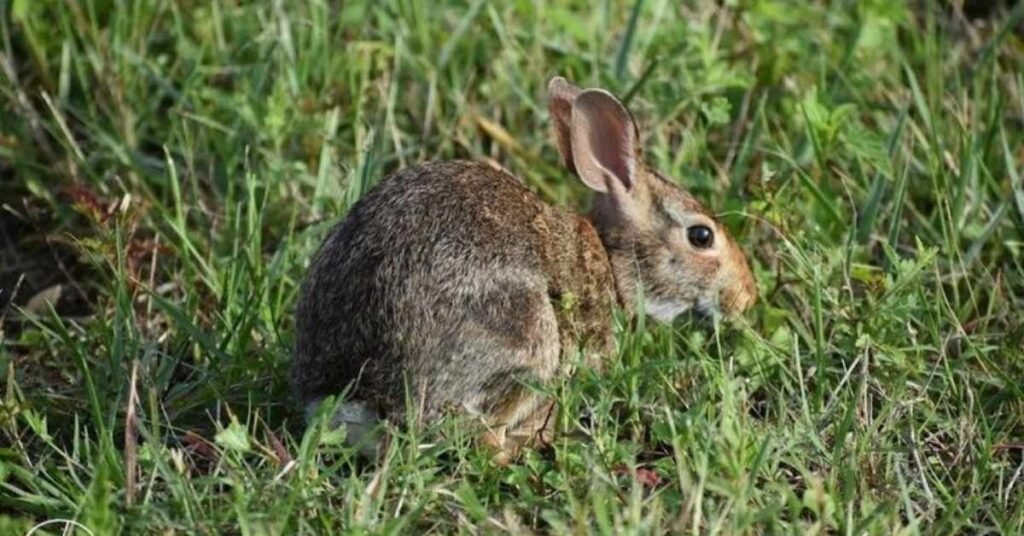
Rabbits are mammals. Animals give birth to live babies and feed them with milk. Rabbits have fur, warm bodies, and strong maternal instincts. They do not produce eggs. Their reproduction relies on pregnancy and birth, just like cats, dogs, and humans.
Egg-laying animals belong to a different group. Birds, reptiles, and some fish lay eggs and wait for them to hatch. These animals do not produce milk for their young. Their babies develop inside an egg instead of a womb. This difference shows why rabbits cannot be egg-laying animals.
Below is a clear comparison:
| Feature | Rabbits | Egg-Laying Animals |
| Animal Category | Mammals | Birds, reptiles, fish, insects |
| Reproduction Method | Live birth | Lays eggs |
| Babies | Kits (live young) | Hatchlings |
| Nutrition for Young | Mother’s milk | No milk; rely on yolk or parents |
| Body Temperature | Warm-blooded | Varies by species |
| Pregnancy | Yes | No pregnancy; eggs develop outside |
| Development Location | Inside womb | Inside egg |
| Womb or Egg? | Womb | Egg shell |
| Parental Care | Mother nurses | Varies, some none |
| Examples | Rabbits, cats, dogs | Chickens, turtles, snakes |
| Cultural Confusion | Easter Bunny myths | None |
| Biological Truth | Mammals cannot lay eggs | True egg-layers only |
Key Differences Between Mammals and Animals That Lay Eggs
Mammals give birth to live babies. They feed their young with milk from the mother. Their bodies are built for pregnancy and care. Rabbits, cats, dogs, and humans all follow this pattern. This is why rabbits cannot lay eggs.
Egg-laying animals work differently. They form eggs with shells or soft casings. The babies grow inside the eggs until they hatch. Birds, reptiles, and many fish use this method. Their young do not drink milk and must survive in a different way.
Below is a long table showing clear differences:
| Category | Mammals | Egg-Laying Animals |
| Primary Reproduction | Live birth | Lays eggs |
| Baby Development | Inside womb | Inside egg |
| Nourishment for Young | Mother’s milk | Egg yolk or parental feeding |
| Pregnancy | Yes | No pregnancy |
| Body Temperature | Mostly warm-blooded | Varies by group |
| Shell Formation | None | Eggs with shells or casings |
| Birth Stage | Kits, pups, or babies | Hatchlings |
| Early Care | Nursing from mother | Varies; some species offer none |
| Anatomy Adaptation | Milk glands and womb | Egg glands and nesting behavior |
| Examples | Rabbits, cats, humans | Chickens, turtles, snakes |
| Survival Method | Protected inside mother | Protected inside shell |
| Cultural Confusion | Rare | Linked to Easter symbols |
| Scientific Group | Mammalia | Birds, reptiles, fish, insects |
| Milk Production | Yes | No |
| Typical Fragility | Babies born weak but protected | Eggs fragile but insulated |
| Heat Source | Mother’s body | Incubation, environment, or parents |
| Evolution Benefit | Direct care of young | Allows many eggs and high numbers |
How Do Rabbits Reproduce?
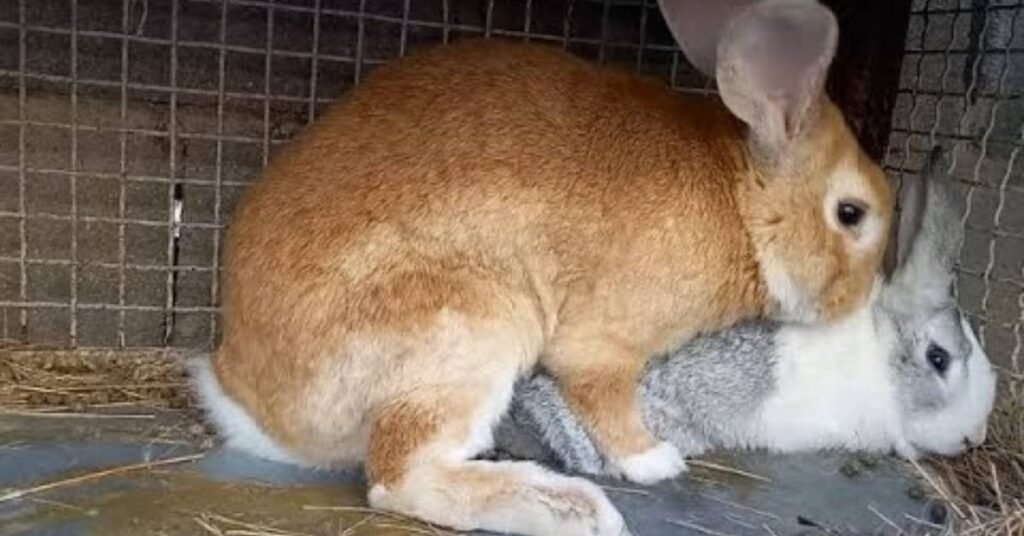
Rabbits reproduce through mating. A male rabbit, called a buck, mates with a female rabbit, called a doe. After mating, the female becomes pregnant. The pregnancy usually lasts about 28 to 31 days.
When the time comes, the doe gives birth to live babies called kits. The kits are born blind, hairless, and very small. The mother nurses them with milk for several weeks. This process shows that rabbits are mammals, not egg-laying animals.
Mating, Pregnancy, and Birth Explained Simply
Rabbits reproduce through natural mating. The male rabbit, called a buck, approaches the female, called a doe, to mate. After mating, the female becomes pregnant. Rabbit pregnancy is short, usually around 28 to 31 days.
When the pregnancy ends, the doe gives birth to live young called kits. The kits are born blind, hairless, and very small. The mother feeds them milk for several weeks. This entire process is natural and shows that rabbits are mammals.
Here’s a simple table to explain the stages clearly:
| Stage | Description | Duration | Key Facts |
| Mating | Buck mates with doe | Few minutes | Fertilization occurs internally |
| Pregnancy | Doe carries kits in womb | 28–31 days | Number of kits can range from 1 to 12 |
| Birth | Doe delivers kits | Few hours | Kits are blind, hairless, and tiny |
| Nursing | Kits feed from mother’s milk | 3–4 weeks | Essential for growth and survival |
| Weaning | Kits start eating solid food | 4–6 weeks | Slowly transition from milk to hay and pellets |
| Independence | Kits explore and eat independently | 6–8 weeks | Fully independent by 8 weeks |
| Adult Maturity | Kits reach sexual maturity | 3–6 months | Can start reproducing themselves |
How Long Is a Rabbit’s Pregnancy?
A rabbit’s pregnancy is short. Most rabbits carry their babies for about 28 to 31 days. This is less than one month. The exact length can vary depending on the breed and age of the doe.
During pregnancy, the female rabbit’s body changes to support the growing kits. She may eat more and build a small nest for them. At the end of the pregnancy, she gives birth to live kits. This short gestation period is normal for rabbits and shows how quickly they can reproduce.
Gestation Period and Signs Before Birth
A rabbit’s gestation period lasts about 28 to 31 days. During this time, the female, called a doe, carries her kits in her womb. She eats more food to stay healthy and provide nutrition for her babies. As the birth approaches, she starts showing signs that labor is near.
Common signs before birth include nest building, restlessness, and pulling fur to line the nest. The doe may become quieter or more protective of her space. These behaviors help prepare for the safe arrival of her kits.
Here’s a table showing the gestation period and signs clearly:
| Stage | Duration | Signs & Behaviors | Notes |
| Early Pregnancy | 1–10 days | Slight changes in appetite | Hard to notice externally |
| Mid Pregnancy | 11–20 days | Increased appetite, slight weight gain | Kits start developing inside womb |
| Late Pregnancy | 21–28/31 days | Nest building, restlessness, fur pulling | Mother prepares for birth |
| Pre-Birth | Last 1–2 days | Hiding, protective behavior, frequent nest checks | Birth is imminent |
| Birth | Few hours | Kits are born blind, hairless | Mother nurses immediately after birth |
| Post-Birth | 1–2 weeks | Nursing, grooming kits | Kits rely completely on mother’s milk |
| Weaning | 4–6 weeks | Kits start eating solid food | Gradual transition from milk |
How Many Babies Can a Rabbit Have at One Time?
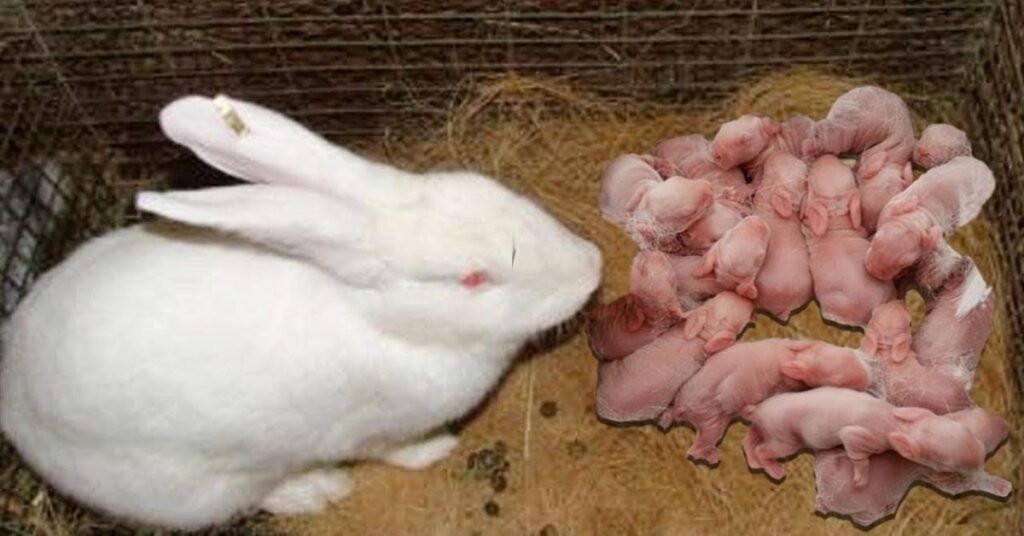
Rabbits can have several babies in one litter. The number usually ranges from 1 to 12 kits. The exact number depends on the rabbit’s breed, age, and health. Some breeds, like larger rabbits, often have bigger litters.
The mother rabbit, called a doe, takes care of all the kits at once. She nurses them and keeps them warm in the nest. Even though kits are small and fragile at birth, most survive if the mother is healthy. This shows how rabbits reproduce quickly and efficiently.
What Do Baby Rabbits Look Like at Birth?
Baby rabbits are called kits. They are born very small and fragile. Kits are blind, hairless, and completely helpless. Their skin is soft and pink, and they cannot move far on their own.
Even though they look weak, kits grow quickly. The mother feeds them with her milk for several weeks. After a few days, tiny fur starts to appear. Within a short time, they open their eyes and begin exploring their nest.
Litter Size, Survival Rate, and Care Facts
Rabbits can have different litter sizes depending on breed and health. Most litters have 4 to 8 kits, but some can have up to 12. The mother takes care of her babies by feeding and keeping them warm. Healthy kits have a high chance of survival, but small or weak kits may need extra care.
Caring for kits is important for their growth. The nest should be safe, dry, and quiet. The mother nurses them once or twice a day, and kits start growing fur quickly. After a few weeks, they open their eyes and begin exploring. Proper nutrition and a stress-free environment help all the kits thrive.
Here’s a detailed table about litter size, survival, and care:
| Factor | Details | Notes |
| Average Litter Size | 4–8 kits | Can vary by breed and age |
| Maximum Litter Size | Up to 12 kits | Larger breeds tend to have more |
| Survival Rate | 80–95% with good care | Smaller or weak kits may need attention |
| Birth Weight | 30–60 grams | Depends on breed |
| Appearance at Birth | Hairless, blind, pink skin | Kits are completely dependent on mother |
| Nursing Frequency | 1–2 times per day | Mother provides all nutrition |
| Fur Growth | Starts in 3–5 days | Fully covered in 10–12 days |
| Eye Opening | Around 10 days | Kits begin to explore nest |
| Weaning Age | 4–6 weeks | Kits gradually eat solid food |
| Nest Care | Safe, dry, quiet | Protects kits from cold and stress |
| Mother’s Role | Feeds, grooms, protects | Essential for kit survival |
| Kit Growth | Rapid in first weeks | Nutrition and warmth are key |
| Handling | Minimal in first 2 weeks | Avoids stress and harm |
Conclusion
Rabbits are amazing animals. They are mammals, so they do not lay eggs. They give birth to live babies called kits. Understanding this helps clear up common myths.
Rabbit reproduction is fast. A doe can have several kits in one litter. She takes care of them by feeding and keeping them warm. Healthy kits grow quickly with proper care.
Many myths about rabbits come from Easter traditions, cartoons, and stories. These make people think rabbits lay eggs. But in reality, rabbits reproduce like all mammals. Knowing the truth helps pet owners care for them better.
Caring for baby rabbits takes attention and patience. Providing a safe nest, proper nutrition, and a quiet environment is key. With the right care, kits grow into healthy adult rabbits. Learning these facts makes owning rabbits easier and more enjoyable.
FAQs
1. Do rabbits lay eggs?
No, rabbits do not lay eggs. They are mammals, so they give birth to live babies called kits. The idea that they lay eggs comes from Easter myths and stories.
2. How long is a rabbit’s pregnancy?
A rabbit’s pregnancy usually lasts 28 to 31 days. During this time, the female carries her kits in her womb. At the end, she gives birth to live, hairless, and blind babies.
3. How many babies can a rabbit have at once?
Rabbits can have 4 to 8 babies in one litter, but some breeds may have up to 12. The mother cares for all the kits by feeding them and keeping them warm.
4. What do baby rabbits look like at birth?
Kits are very small, blind, and hairless when born. Their skin is soft and pink. They are completely dependent on their mother for warmth and milk.
5. Why do people think rabbits lay eggs?
This comes from Easter traditions, cartoons, and childhood stories. Rabbits are shown carrying or hiding eggs, which is symbolic. In reality, rabbits are mammals and do not lay eggs.
