


Introduction
Baby rabbits are small, delicate, and curious. They depend on adults for warmth and food. A rabbit baby is often called a “kit.” Kits grow fast and need gentle care.
Many people fall in love with rabbit babies. They look cute and friendly. But caring for them is not always easy. New owners must learn the basics to avoid mistakes.
Rabbit babies need proper feeding, a safe home, and routine care. They also need patience and attention. Understanding their needs helps them grow into healthy adult rabbits.
What Is a Baby Rabbit Called?
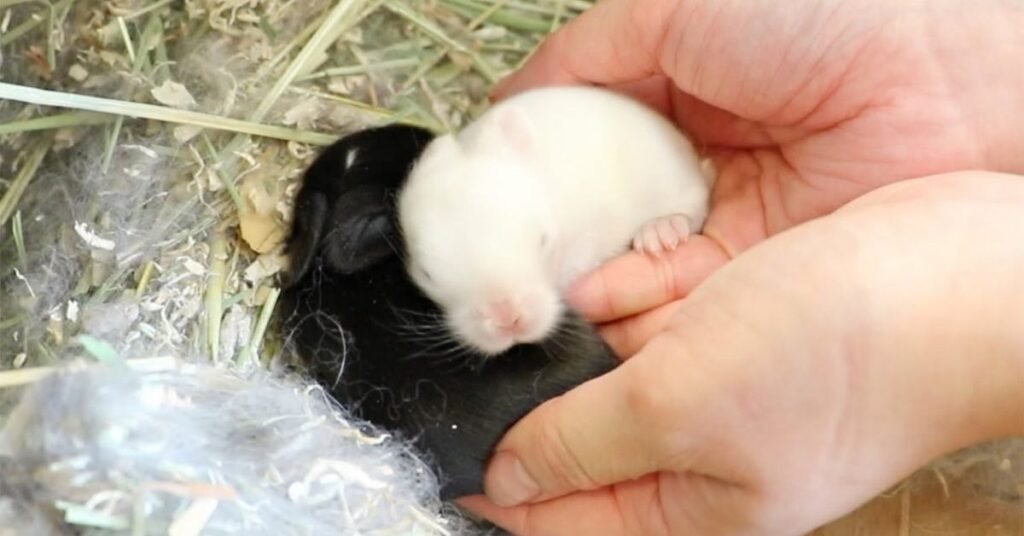
A baby rabbit is called a “kit.” Some people also say “kitten,” but “kit” is more common. Kits are born small, blind, and without fur. They rely completely on their mother for warmth and milk.
As kits grow, they develop fur and open their eyes. They soon begin to explore and learn to eat solid food. Knowing the correct name helps new owners understand basic rabbit terms and care.
Baby Rabbit vs Bunny
Many people use the words “baby rabbit” and “bunny” as if they mean the same thing. But they are not always used the same way. “Baby rabbit” describes a young rabbit at an early life stage. It is more exact and used for care, feeding, and growth information.
“Bunny” is a cute and friendly word. People use it for rabbits of any age. It does not mean the rabbit is young. Understanding the difference helps new owners speak clearly and learn proper rabbit care term.
| Feature | Baby Rabbit (Kit) | Bunny |
| Meaning | A young rabbit, usually newborn to juvenile | A cute/friendly term for rabbits, not a life stage |
| Physical Stage | Small, delicate, and still growing | Can be young or adult |
| Common Usage | Used in care guides, vet info, and breeding | Used in casual talk, pet names, and marketing |
| Dependence | Needs more care, milk, warmth, and monitoring | Not tied to care level; can be fully grown |
| Age Range | Specific age range (kit to young) | No specific age range |
| Food Needs | Milk or soft foods at first, then gradual solids | Depends on age; could be hay, greens, pellets |
| Behavior | Curious, fragile, learning basic skills | Can be playful, calm, or active at any age |
| Size | Very small, light, and fragile | Size varies based on breed and age |
| Fur | Born without fur, grows over weeks | Full fur coat at most ages |
| Eyes | Eyes closed at birth, open later | Eyes open at all typical ages (except kits) |
| Use in Education | Helps explain growth and care stages | Used for storytelling, toys, and pet phrases |
Understanding Newborn Baby Rabbit Behavior
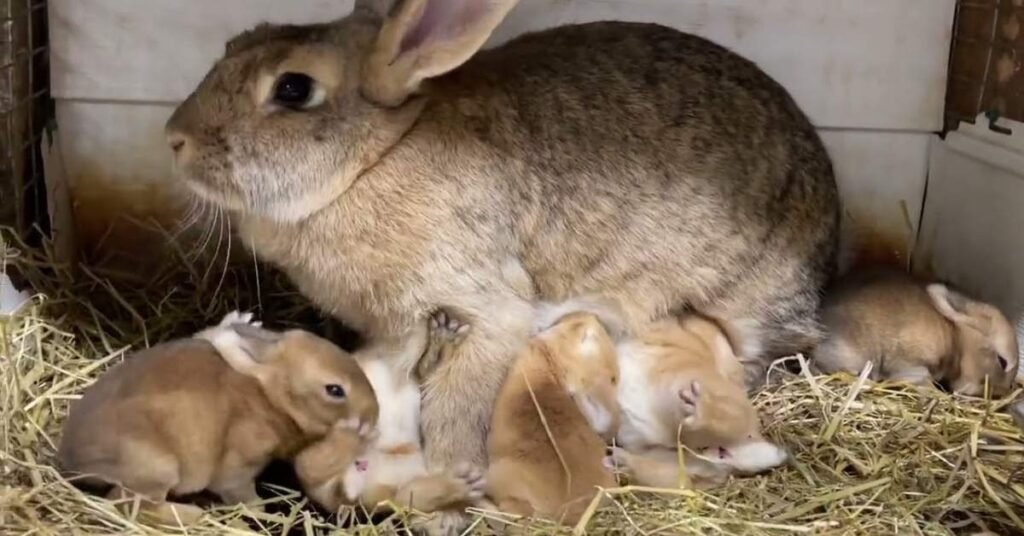
Newborn rabbit babies are quiet and fragile. They cannot see or hear at first. For warmth and safety, they stay near the nest. They move very little because they are still developing. Their main focus is to rest and drink milk from their mother.
As days pass, they become more active. They start to sense their surroundings. They learn to crawl, then hop. Their behavior changes fast during the first few weeks. Understanding this helps new owners support healthy growth and avoid stress.
Why Mother Rabbits Leave Their Babies Alone
Mother rabbits often leave their babies alone for many hours. This may seem strange, but it is normal behavior.They do this to keep predators away from their nests.Their babies stay safe and hidden.
Mother rabbits return to feed their babies once or twice a day. They do not sit in the nest all the time. This behavior helps the babies survive in nature.
Common reasons include:
- To avoid attracting predators
- To let babies stay hidden and quiet
- To follow natural survival instincts
- To prevent stress in the nest
What Do Baby Rabbits Eat? Feeding Guide by Age
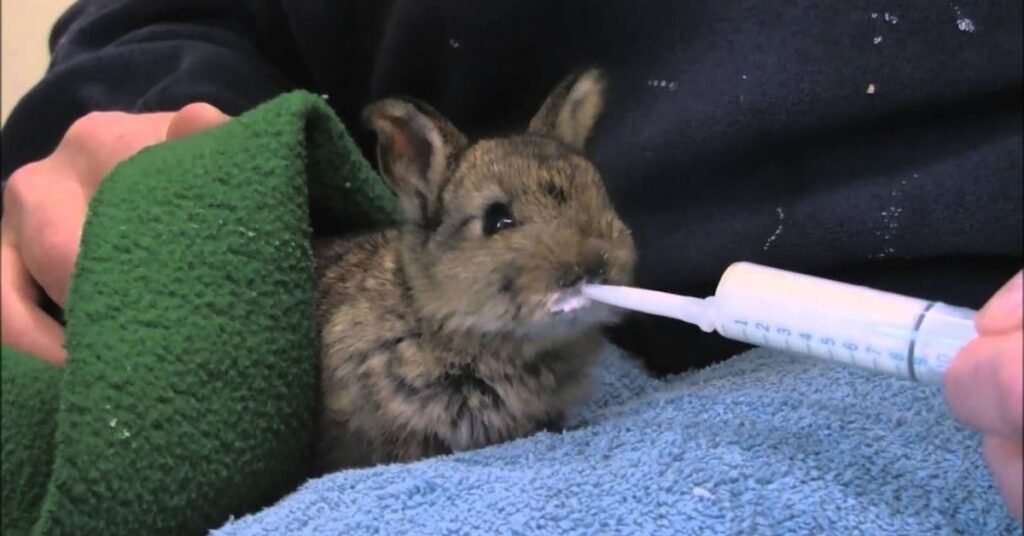
Baby rabbits have different food needs at different ages. Very young kits drink only their mother’s milk. They cannot digest solid food at first. As they grow, they slowly start to nibble soft solids and hay.
Feeding must be done carefully. Sudden diet changes can upset their stomach. Baby rabbits need time to adjust to new foods. A slow and gentle feeding plan keeps them healthy and strong.
| Age of Baby Rabbit | Main Food Source | Secondary Food | Notes |
| 0–1 Week | Mother’s milk | None | Kits are born without fur and can’t digest solids |
| 1–2 Weeks | Mother’s milk | None | Eyes begin to open, still no solids |
| 2–3 Weeks | Mother’s milk | Tiny nibbles of soft hay | Start exploring nest and tasting food |
| 3–4 Weeks | Mother’s milk + soft hay | Very small pellets | Stomach still sensitive; changes must be slow |
| 4–6 Weeks | Milk + hay + pellets | Small greens (optional) | Monitor droppings to avoid digestive issues |
| 6–8 Weeks | Hay + pellets | Limited greens | Greens added gradually |
| 8+ Weeks | Hay + pellets + greens | Treats occasionally | Normal young rabbit diet begins |
Mother’s Milk, Formula, and When Solid Food Starts
Baby rabbits depend on mother’s milk in the first weeks. It is rich, warm, and full of nutrients. Some orphaned babies may need special formula. Kits cannot handle regular cow milk or random substitutes.
Solid food begins slowly. First, the babies nibble hay. Later, they try pellets and soft greens. The change must be gradual to protect their stomach. Good feeding support helps them grow strong.
| Feeding Type | When It Is Used | Key Benefits | Notes |
| Mother’s Milk | Birth to 6–8 weeks | Natural nutrients, antibodies, warmth | Best option for growth and survival |
| Special Kit Formula | For orphaned kits or weak babies | Replaces milk when mother can’t feed | Must use rabbit-safe formula, not cow milk |
| Soft Hay | Starts around week 3 | Helps digestion and chewing skill | Timothy or meadow hay is common |
| Pellets | Added around week 4–6 | Adds balanced nutrients | Must be high-quality and fresh |
| Greens | Around 6–8 weeks (slowly) | Provides vitamins and fiber | Introduce small amounts only |
| Water | After solid food starts | Hydration as kits grow | Always clean and easy to access |
| Treats | After 8 weeks or older | Reward and enrichment | Only small, healthy treats |
How to Care for a Baby Rabbit at Home
Baby rabbits need gentle and careful handling. They are small, fragile, and get stressed easily. Their home must be warm, clean, and quiet. New owners should avoid loud sounds, rough play, and sudden changes.
Baby rabbits also need proper feeding and hygiene. Their bedding should stay dry and fresh. Clean water and safe hay help them grow strong. Regular checks help spot problems early.
Basic care tips include:
- Keep the nest area warm and dry
- Use soft bedding and avoid strong smells
- Offer safe hay and fresh water as they grow
- Handle slowly and gently to avoid stress
- Keep away from predators and loud noises
Warmth, Nesting Area, and Daily Care Essentials
Baby rabbits need warmth to survive. They cannot control their body temperature in the early weeks. A soft nesting area keeps them safe and relaxed. It also protects their skin and tiny bodies.
Daily care must be gentle. Baby rabbits get stressed very easily. They need clean bedding, fresh air, and quiet surroundings. Small routines help them grow healthy and strong.
| Care Category | What It Means | Why It Matters | Tips for New Owners |
| Warmth | Keeping the baby rabbit cozy and heated | Prevents cold stress and weakness | Use soft towels, nesting fur, or low heat sources (never too hot) |
| Nesting Area | A small space for resting and feeding | Gives safety, comfort, and protection | Keep bedding clean, dry, and lightly packed |
| Bedding Type | Material used inside the nest | Helps regulate warmth and prevent injury | Use soft hay, paper bedding, or fur; avoid strong scents |
| Hygiene | Clean surroundings and fresh supplies | Stops bacteria and reduces sickness | Change bedding often and remove wet spots |
| Feeding Support | Milk or solid food based on age | Ensures proper growth and digestion | Follow age-based feeding rules and avoid fast changes |
| Water Access | Fresh drinking water as they grow | Hydration for older babies | Use shallow bowls or safe bottles |
| Quiet Space | Low noise and low stress environment | Reduces fear and stress reactions | Avoid loud voices, kids rough play, or pets |
| Handling | How humans touch and lift the baby | Prevents shock, injury, and panic | Handle slowly, with warm hands, and only when needed |
| Monitoring | Watching behavior, weight, and droppings | Helps detect problems early | Check daily but avoid over-handling |
How Long Do Baby Rabbits Need Their Mother?
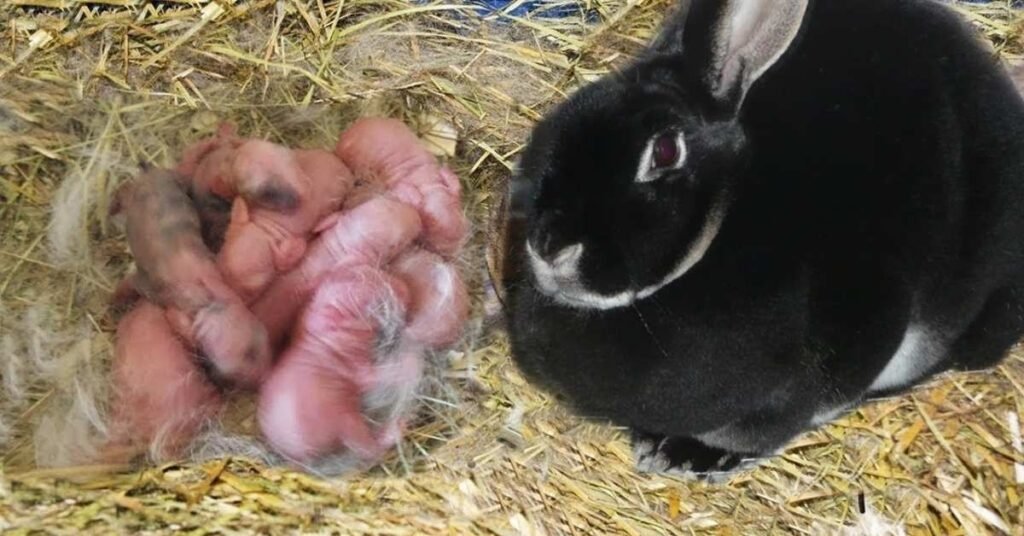
Baby rabbits rely on their mother for a good amount of time. She keeps them warm, feeds them milk, and protects them from danger. In the beginning, they have no fur and cannot survive alone. Their mother’s care is the key to their early life.
After a few weeks, baby rabbits begin to nibble hay and pellets. But they still need milk and guidance. Most kits stay with their mother for about 6–8 weeks. This time helps them grow stronger, learn natural habits, and prepare for life on their own.
Common Baby Rabbit Health Problems and Warning Signs
Baby rabbits are fragile and can get sick easily. Their immune system is still developing. Some health problems appear quickly and need attention. New owners must watch for unusual behavior, changes in eating, or droppings. Early detection can save their life.
Knowing warning signs helps prevent serious illness. Small issues like diarrhea or lethargy can become serious fast. Regular checks of weight, eyes, ears, and fur are important. Clean living conditions also reduce risks.
| Health Problem | Warning Signs | Causes | What to Do |
| Digestive Issues (Diarrhea/Constipation) | Loose stools, not eating, bloating | Improper diet, sudden food change, stress | Remove problem foods, provide hay, consult vet if persists |
| Dehydration | Sunken eyes, dry nose, lethargy | Not drinking enough water, heat stress | Offer fresh water, check temperature, seek vet help |
| Respiratory Infections | Sneezing, runny nose, labored breathing | Cold, damp environment, bacteria | Keep area dry, clean bedding, vet care |
| Eye Problems | Discharge, swelling, redness | Infection, irritation, dust | Clean gently, consult vet if persists |
| Skin Parasites (Mites/Fleas) | Scratching, flaky skin, redness | Contact with other animals, dirty bedding | Clean environment, vet-recommended treatment |
| Lethargy | Weakness, low movement, unresponsive | Illness, cold, poor feeding | Keep warm, monitor feeding, seek vet help |
| Poor Growth | Small size, weight loss, weak hopping | Malnutrition, illness | Check diet, consult vet, ensure milk or formula intake |
| Digestive Blockages | Refusing food, pain, swelling | Hairballs, improper pellets | Gentle massage, hydration, vet help immediately |
| Diaper Rash or Soiled Fur | Red, irritated skin | Wet or dirty bedding | Clean daily, provide dry bedding, monitor for infection |
Can You Hold or Touch a Baby Rabbit Safely?
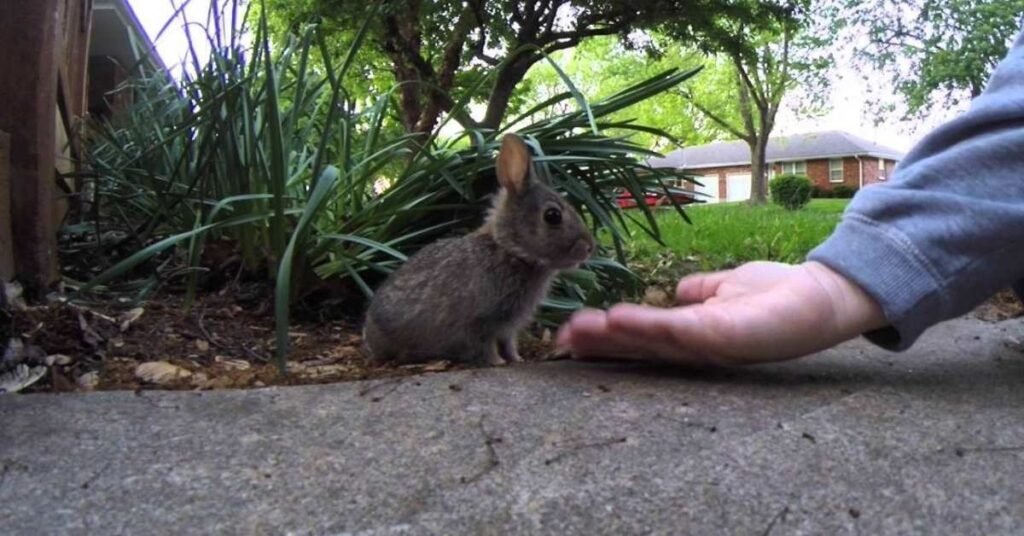
Baby rabbits are very fragile. Their bones and bodies are small and easy to injure. Handling them too much or roughly can cause stress or harm. New owners must be gentle and careful when touching or picking them up.
It is usually safe to hold a baby rabbit for a short time. Wash your hands first and support their body fully. Avoid loud noises or sudden movements. Limit handling during the first weeks to let them rest and grow safely.
Safe Handling Tips Most New Owners Miss
Many new owners handle baby rabbits incorrectly without realizing it. This can cause stress or even injury. Supporting the baby’s body properly is very important. Always be calm and move slowly around them.
Other key tips include:
- Wash your hands before touching the baby rabbit
- Use both hands to support chest and hind legs
- Avoid holding them too high or over hard surfaces
- Keep handling short, especially in the first few weeks
- Speak softly and stay quiet to prevent fear
- Never force interaction if the baby seems scared
When Do Baby Rabbits Grow Up? Growth and Weaning Timeline
Baby rabbits grow very fast. In the first few weeks, they rely entirely on their mother’s milk. By around 3–4 weeks, they start nibbling hay and soft pellets. Their eyes open, fur grows, and they begin exploring the nest.
Weaning usually happens between 6–8 weeks. By this time, most kits can eat solid food on their own. They also learn important behaviors from their mother. Full growth into an adult rabbit takes a few more months, depending on the breed and health.
Conclusion
Caring for a baby rabbit is a big responsibility. They are small, fragile, and need constant attention. Understanding their needs is the first step to keeping them healthy and happy.
Feeding, warmth, and a safe nesting area are very important. Baby rabbits rely on their mother at first. If the mother is not available, proper formula and careful feeding are essential.
Handling and interaction must be gentle. Too much stress or rough handling can harm them. Short, calm, and careful contact helps them trust humans and grow strong.
Watching for health problems is also important. Early detection can prevent serious illness. Clean living space, proper food, and regular checks make baby rabbits thrive. With love and care, they will grow into healthy, happy adult rabbits.
FAQs
1. What is a baby rabbit called?
A baby rabbit is called a “kit.” Some people also say “kitten,” but “kit” is the most common term. Kits are born small, blind, and without fur. They rely on their mother for warmth and milk.
2. How long do baby rabbits stay with their mother?
Most baby rabbits stay with their mother for about 6–8 weeks. During this time, they drink milk, stay warm, and learn basic behaviors. Staying longer helps them grow healthy and strong.
3. Can I hold a baby rabbit safely?
Yes, but carefully. Baby rabbits are fragile, so always support their body fully. Handle them gently and keep sessions short. Avoid loud noises and sudden movements to prevent stress.
4. When do baby rabbits start eating solid food?
Baby rabbits usually start nibbling hay and soft pellets around 3–4 weeks old. They still drink milk from their mother or formula until about 6–8 weeks. Introduce solid food slowly to avoid stomach problems.
5. What are common health problems in baby rabbits?
Baby rabbits can get digestive issues, dehydration, respiratory infections, or skin parasites. Watch for signs like lethargy, diarrhea, or unusual behavior. Early detection and a clean environment help prevent serious problems.
