

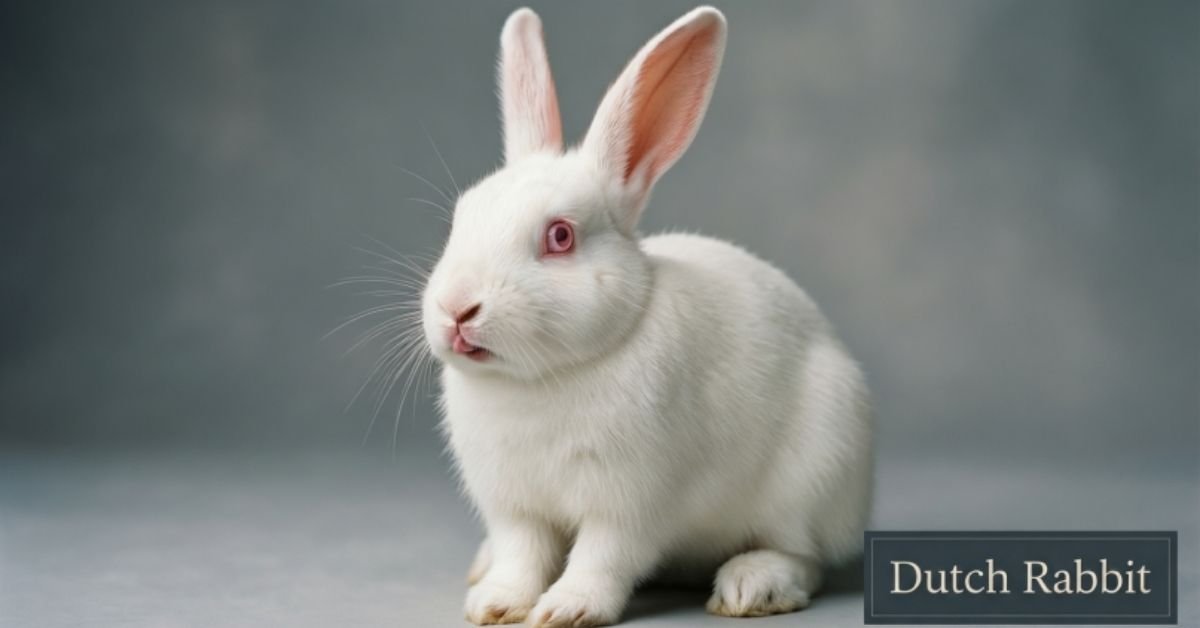
Introduction
The Rabbit Dutch breed is a small to medium-sized rabbit known for its clear color markings. It has a white face, chest, and front legs. The back half of the body is usually black, blue, or brown. This breed is popular as a pet because it looks neat and balanced. Many owners love it for its calm nature.
Thinking about getting a rabbit that is friendly and easy to care for? The Rabbit Dutch breed is a great choice for both new and experienced owners. It enjoys human attention and learns routines quickly. Its gentle behavior makes it good for families and first-time rabbit keepers.
In this guide, you will learn basic care tips for the Rabbit Dutch breed. We will talk about its personality, diet, and living needs. You will also find helpful advice to keep your rabbit healthy and happy.
What Is a Dutch Rabbit?
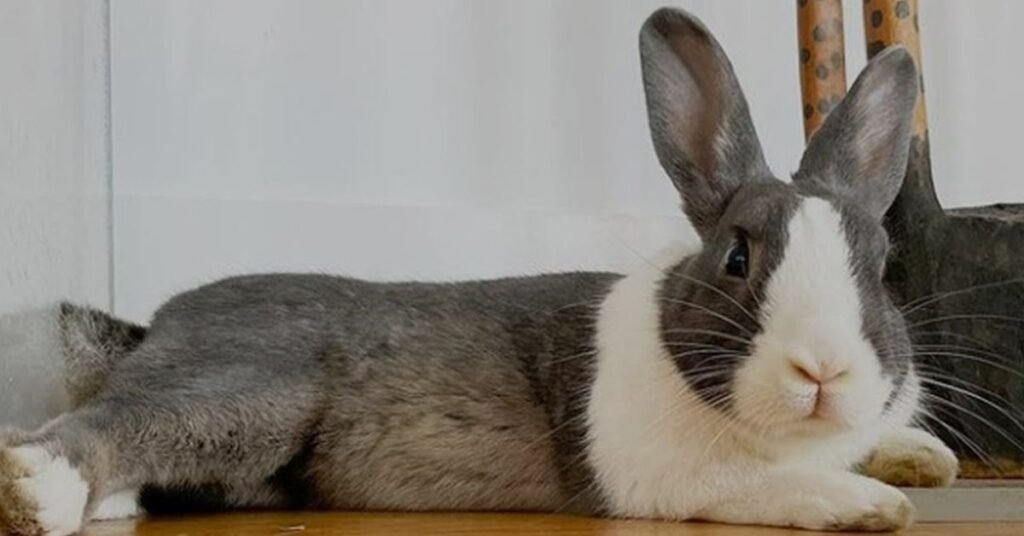
A Dutch rabbit is a popular pet rabbit with a unique color pattern. It has a white face, chest, and front feet. The back part of the body is dark in color. This clean and balanced look makes it easy to recognize. The Dutch rabbit is small to medium in size.
This breed is known for its friendly and calm nature. Dutch rabbits enjoy human attention and gentle handling. They are smart and can learn daily routines. Because of this, they are a good choice for both new and experienced rabbit owners.
Dutch Rabbit Origin, History, and Size
The Dutch Rabbit is one of the oldest rabbit breeds. It was first developed in the Netherlands. Later, it became popular in England and other countries. People loved its clear color pattern and small body. Over time, breeders improved its look and size. Today, the Dutch Rabbit is common in homes and shows.
The Dutch Rabbit is small to medium in size. It has a compact and well-balanced body. Most adults are easy to handle and not too heavy. This makes them good pets for families. Their size also makes them suitable for indoor living. With proper care, they stay active and healthy.
| Feature | Details | Extra Information | Why It Matters |
| Breed Name | Dutch Rabbit | Also called Hollander | Easy to recognize worldwide |
| Place of Origin | Netherlands | Developed in the 19th century | Shows strong European roots |
| Early Development | Bred for color pattern | Later refined in England | Improved appearance and size |
| Popularity Growth | Spread across Europe | Later reached the USA | Became a show and pet rabbit |
| Adult Size | Small to medium | Compact body structure | Easy to manage and handle |
| Average Weight | 4–5.5 pounds | Healthy adult range | Suitable for indoor homes |
| Body Shape | Rounded and balanced | Short neck and legs | Gives a neat appearance |
| Lifespan | 5–8 years | With good care | Long-term pet commitment |
| Pet Suitability | Very good | Calm and friendly | Ideal for families and beginners |
Dutch Rabbit Appearance and Personality

Dutch Rabbits are easy to recognize. They have a clean and neat color pattern. The body is mostly white with dark markings. These markings appear on the ears, face, and back. The face shows a clear white blaze. Their body is compact and well balanced. The ears are short and stand upright. Overall, they look cute and well shaped.
Dutch Rabbits are known for a friendly personality. They are calm and gentle by nature. Most enjoy human attention. They can be playful when comfortable. They are also curious and alert. With regular handling, they become very social. This makes them a good choice for families and first-time owners.
| Feature | Description | Common Traits | What Owners Should Know |
| Body Size | Small to medium | Compact and rounded | Easy to handle |
| Coat Type | Short and smooth | Soft and glossy | Low grooming needs |
| Color Pattern | White with dark markings | Black, blue, brown, gray | Very easy to identify |
| Facial Marking | White blaze on face | Clean and even lines | Breed standard feature |
| Ear Shape | Upright and short | Firm and alert | Shows good health |
| Temperament | Calm and friendly | Gentle nature | Good for children |
| Playfulness | Moderate | Enjoys light play | Needs toys and space |
| Social Behavior | Likes interaction | Bonds with owners | Regular handling helps |
| Intelligence | Fairly smart | Learns routines | Can be litter trained |
| Activity Level | Medium | Active but not hyper | Suitable for indoor homes |
Color Patterns, Temperament, and Behavior
Rabbits come in many beautiful color patterns. Some have solid colors like white, black, or brown. Others show mixed shades, spots, or soft gradients. These patterns do not change how smart or friendly a rabbit is. Color is mostly about looks, not personality. Still, many owners choose rabbits based on color because it feels special and unique.
A rabbit’s temperament depends on breed, care, and daily handling. Some rabbits are calm and gentle. Others are active and playful. Most rabbits are quiet but very curious. They like to explore their space and observe sounds. With kind handling and time, rabbits become social and trusting pets.
| Feature | Description | Common Examples | What It Means for Owners |
| Solid Colors | One single color over the whole body | White, black, gray | Easy to identify and photograph |
| Spotted Patterns | White base with dark spots | English Spot, Checkered Giant | Very eye-catching appearance |
| Agouti Pattern | Mixed bands of color on each hair | Wild-type brown, chestnut | Looks natural and earthy |
| Broken Pattern | White mixed with another color | Broken black, broken brown | Each rabbit looks unique |
| Calm Temperament | Relaxed and quiet nature | Lop breeds, senior rabbits | Good for families and beginners |
| Playful Behavior | Active and energetic | Young rabbits, Netherland Dwarf | Needs toys and space to move |
| Curious Nature | Likes exploring new areas | Most healthy rabbits | Requires safe, bunny-proof space |
| Social Behavior | Enjoys gentle human contact | Hand-raised rabbits | Builds strong bonding over time |
Is a Dutch Rabbit a Good Pet?
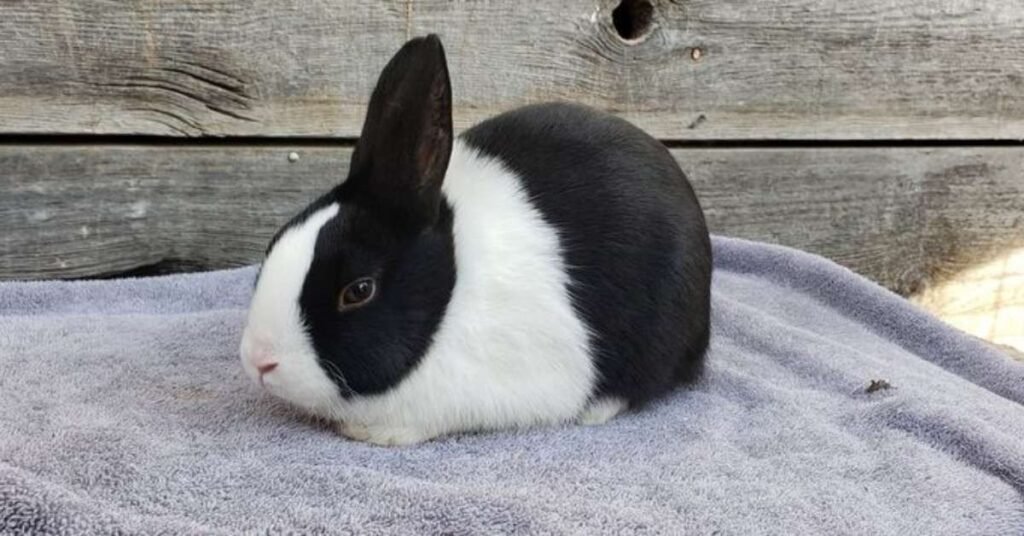
A Dutch rabbit is a great pet for many people. It has a friendly and gentle nature. This breed enjoys human attention and calm handling. It is easy to manage because of its small to medium size. New rabbit owners often find it simple to care for.
Dutch rabbits also fit well into family life. They can bond closely with their owners over time. This breed is smart and learns daily routines quickly. With proper care and love, a Dutch rabbit can become a happy and loyal pet.
Are Dutch Rabbits Friendly, Cuddly, and Easy to Train?
Dutch Rabbits are known for their friendly nature. They enjoy calm human company. Most are gentle and relaxed. With daily handling, they become trusting pets. Some Dutch Rabbits like to be cuddled. Others prefer sitting close instead. Each rabbit has its own comfort level. Patience helps build a strong bond.
Dutch Rabbits are also easy to train. They are smart and alert. Many learn litter box habits quickly. They can recognize feeding times and routines. Some even respond to their name. Training works best with kindness and treats. Short sessions keep them happy and stress-free.
| Trait | Level | Description | Helpful Tips for Owners |
| Friendliness | High | Enjoys human presence | Spend time daily |
| Cuddliness | Medium | Likes gentle handling | Let the rabbit decide |
| Trust Building | Gradual | Improves with care | Be calm and patient |
| Intelligence | Good | Learns routines fast | Use positive methods |
| Litter Training | Easy | Most learn quickly | Keep box clean |
| Name Recognition | Possible | Responds to voice | Use same tone |
| Social Behavior | Calm | Not aggressive | Ideal for families |
| Handling Tolerance | Good | Accepts gentle touch | Support body properly |
| Stress Level | Low | Relaxed temperament | Avoid loud noises |
| Trainability | High | Enjoys rewards | Use small treats |
Dutch Rabbit Care Requirements

Dutch rabbits need simple but regular care to stay healthy. They should have a clean and safe living space. Fresh hay must be available at all times. Clean water should always be provided. Gentle handling helps build trust and comfort.
Daily care routines are easy to follow. A balanced diet and light exercise are important. Regular checks help spot health problems early.
Basic care needs include:
- Fresh hay as the main food
- Clean water changed daily
- A clean cage or indoor pen
- Safe chew toys for teeth care
- Gentle grooming once a week
- Daily time outside the cage for exercise
Housing, Exercise, and Indoor vs Outdoor Living
Rabbits need a safe and clean home. The space should be dry and well-ventilated. A large cage or indoor pen works well. The floor should be soft and not slippery. Rabbits also need a quiet place to rest. Fresh water and hay must be available all day. Clean the living area often to keep them healthy.
Rabbits need daily exercise to stay fit. They should have time outside the cage every day. Indoor living is safer from weather and predators. Outdoor living gives more space but needs strong protection. Both options can work if done correctly. The key is comfort, safety, and regular care.
| Category | Indoor Living | Outdoor Living | Important Notes |
| Safety | Very high | Medium | Indoor is safer from predators |
| Weather Protection | Excellent | Needs shelter | Outdoor rabbits need shade |
| Space Needed | Pen or room area | Hutch with run | Bigger space is always better |
| Exercise | Daily free roam | Run or garden time | Exercise is a must |
| Cleaning Ease | Easy | Moderate | Clean often in both |
| Noise Control | Quiet | Can be loud | Rabbits prefer calm areas |
| Temperature Control | Stable | Weather dependent | Heat and cold are risky |
| Social Interaction | High | Limited | Indoor rabbits bond more |
| Predator Risk | None | High | Secure outdoor setups |
| Recommended Option | Best choice | Only if secure | Indoor is ideal for most homes |
What Do Dutch Rabbits Eat?
Dutch rabbits need a healthy and balanced diet. Hay should be the main part of their food. It helps with digestion and keeps their teeth healthy. Fresh water must always be available. Pellets can be given, but only in small amounts.
Fresh vegetables are also important for Dutch rabbits. New foods should be added slowly. This helps avoid stomach problems.
Safe foods for Dutch rabbits include:
- Timothy or meadow hay
- High-quality rabbit pellets
- Leafy greens like romaine lettuce and cilantro
- Small pieces of carrot or bell pepper
- Clean, fresh water at all times
Diet, Feeding Schedule, and Foods to Avoid
Rabbits need a healthy and balanced diet. Hay should be the main food every day. It helps digestion and keeps teeth healthy. Fresh vegetables should be added daily. Pellets can be given in small amounts. Clean water must always be available. A steady feeding routine keeps rabbits happy and active.
Rabbits should eat at the same times each day. Sudden food changes can upset their stomach. Some foods are unsafe for rabbits. Sugary and processed foods should be avoided. Human snacks can cause serious health problems. Knowing what to feed and what to avoid is very important.
| Food Type | Safe or Unsafe | Examples | Feeding Tips |
| Hay | Safe | Timothy, orchard grass | Unlimited access |
| Fresh Vegetables | Safe | Romaine lettuce, cilantro | Wash before feeding |
| Pellets | Safe (limited) | Plain rabbit pellets | Small daily portion |
| Fresh Water | Safe | Clean drinking water | Change daily |
| Fruits | Safe (rare treat) | Apple, banana | Very small amounts |
| Leafy Greens | Safe | Kale, spinach | Rotate varieties |
| Sugary Foods | Unsafe | Candy, chocolate | Never feed |
| Processed Foods | Unsafe | Bread, crackers | Harmful to digestion |
| Dairy Products | Unsafe | Milk, cheese | Rabbits cannot digest |
| Iceberg Lettuce | Unsafe | Watery lettuce | Can cause diarrhea |
| Seeds & Nuts | Unsafe | Almonds, sunflower seeds | High fat, dangerous |
Common Dutch Rabbit Health Problems
Dutch rabbits are generally healthy, but they can face some common health issues. Dental problems happen if their teeth grow too long. Digestive problems can occur with a poor diet. Dirty living areas may also cause skin or ear issues. Regular care helps prevent most problems.
Watching your rabbit daily is very important. Early signs include low appetite or unusual behavior.
Common health problems in Dutch rabbits include:
- Overgrown teeth
- Digestive issues like bloating
- Ear mites or ear infections
- Fur mites or skin irritation
- Obesity from too many pellets
- Respiratory infections
GI Stasis, Dental Issues, Parasites, and Lifespan
GI stasis is one of the most dangerous health issues in rabbits. It occurs when the gut stops moving properly. A rabbit may refuse food and seem very quiet. Dental problems are also common in rabbits. Their teeth never stop growing. If teeth are not worn down, eating becomes painful. Feeding plenty of hay helps avoid this issue.
Parasites can weaken a rabbit over time. Fur mites, fleas, and internal worms are the main risks. A clean cage and regular grooming lower the chances. Vet checkups help catch problems early. With the right care, rabbits can live many years. Most healthy rabbits live around 8 to 12 years. Good food and low stress improve lifespan.
| Topic | What It Means | Warning Signs | How to Reduce Risk |
| GI Stasis | Digestive slowdown | Loss of appetite | Unlimited hay |
| Gut Health | Needs constant movement | Few droppings | Fresh water daily |
| Dental Problems | Teeth grow nonstop | Drooling, pain | Chewing materials |
| Tooth Overgrowth | Poor wear of teeth | Weight loss | High-fiber diet |
| External Parasites | Mites and fleas | Scratching | Clean bedding |
| Internal Parasites | Worm infections | Low energy | Vet treatment |
| Clean Environment | Reduces illness | Healthier coat | Regular cleaning |
| Stress Levels | Affects immunity | Hiding behavior | Quiet living space |
| Typical Lifespan | Average life span | 8–12 years | Proper care |
| Long Life Factors | Diet and housing | Active behavior | Routine health care |
Dutch Rabbit Grooming and Hygiene
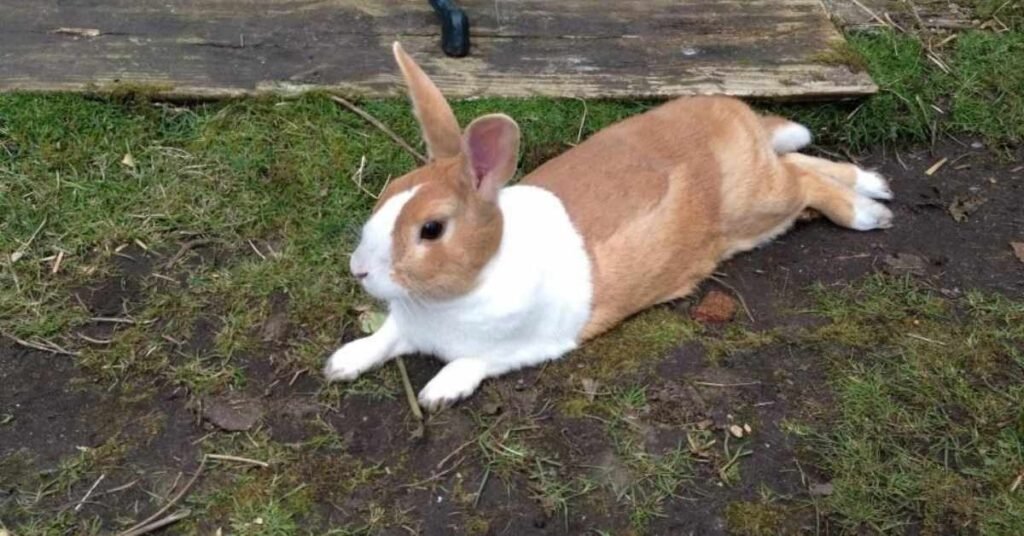
Dutch Rabbits have a fine and short coat. Their fur stays neat with light care. Weekly brushing is usually enough. During molting, extra brushing helps a lot. It removes loose hair and keeps the skin healthy. Always brush gently to avoid stress. Calm grooming builds trust over time.
Good hygiene keeps Dutch Rabbits healthy. Their home should be cleaned regularly. Wet or dirty bedding can cause skin problems. Nails grow fast and need trimming. Ears should be checked for dirt or redness. Never give a full bath. Use a damp cloth for small messes. Clean habits help prevent disease.
| Care Area | Frequency | Simple Method | Health Benefit |
| Coat Brushing | Once weekly | Soft hand brush | Reduces loose fur |
| Molting Care | 3 times weekly | Gentle brushing | Prevents fur buildup |
| Nail Care | Every month | Small clippers | Avoids foot injury |
| Ear Check | Weekly | Visual check | Stops infections early |
| Eye Area | As needed | Damp cotton | Keeps eyes clear |
| Spot Cleaning | When dirty | Moist cloth | Low stress cleaning |
| Living Space | Weekly | Clean bedding | Healthy skin |
| Litter Area | Several times weekly | Safe cleaner | Controls bacteria |
| Fur Check | Weekly | Hand inspection | Finds parasites |
| Hygiene Routine | Ongoing | Daily observation | Supports long life |
Brushing, Nail Trimming, and Coat Care Tips
Rabbits need regular brushing to stay clean. Brushing removes loose fur and dirt. It also helps prevent hairballs. Short-haired rabbits need brushing once a week. During shedding, brush more often. Always brush gently and slowly. This keeps the rabbit calm and relaxed.
Nail trimming is also important for rabbits. Long nails can cause pain while walking. Trim nails every few weeks. Use small animal nail clippers. Coat care is simple with routine checks. Look for dirt, mats, or parasites. Good grooming keeps rabbits healthy and comfortable.
| Grooming Task | How Often | Tools Needed | Helpful Care Tips |
| Brushing | Once weekly | Soft brush | Be gentle and slow |
| Shedding Care | 3–4 times weekly | Grooming brush | Remove loose fur |
| Fur Check | Weekly | Hands | Check for mats |
| Nail Trimming | Every 4–6 weeks | Nail clippers | Avoid quick area |
| Paw Check | Weekly | Visual check | Look for soreness |
| Coat Cleanliness | As needed | Damp cloth | Spot clean only |
| Parasite Check | Weekly | Hand inspection | Look for itching |
| Grooming Time | Short sessions | Calm space | Reduce stress |
| Handling Support | Each session | Towel if needed | Prevent slipping |
| Overall Coat Health | Ongoing | Routine care | Keeps skin healthy |
Things to Know Before Getting a Dutch Rabbit
A Dutch rabbit needs time, care, and daily attention. It is not a low-effort pet. Rabbits need space to move and exercise. They also need fresh food every day. Cleaning and feeding must be done on time.
Dutch rabbits live for many years with proper care. They need gentle handling and patience. Loud noise and stress can scare them. Vet visits are important for long-term health. Knowing these things helps you become a responsible rabbit owner.
Conclusion
Dutch rabbits are friendly and easy to love. They have a calm nature and a neat appearance. Many owners enjoy their gentle behavior. With proper care, they become great companions.
This breed is suitable for new and experienced owners. They adapt well to indoor living. Daily routines help them feel safe and happy. Gentle handling builds a strong bond.
Good food and a clean home are very important. Fresh hay, water, and exercise keep them healthy. Regular health checks prevent serious problems. Small efforts make a big difference.
If you are ready to give time and care, a Dutch rabbit is a good choice. They offer quiet company and trust. With love and patience, they can be a joyful part of your life.
FAQs
1. Are Dutch rabbits easy to handle?
Yes, they are calm and gentle by nature. They enjoy soft handling and quiet environments. With regular interaction, they become comfortable with people.
2. Can this rabbit live indoors?
Yes, indoor living is very suitable. A safe space with room to move is important. Indoor care also helps protect them from extreme weather.
3. How long do these rabbits usually live?
They often live between 5 to 8 years. Good food, clean housing, and vet care can help them live longer. Proper attention improves quality of life.
4. Do they need daily exercise?
Yes, daily movement is important for health. Time outside the cage helps prevent weight gain. It also keeps them active and happy.
5. Are they good pets for families?
They can be great family pets. Gentle supervision is needed around children. Calm handling helps build trust and prevents stress.
