

Introduction
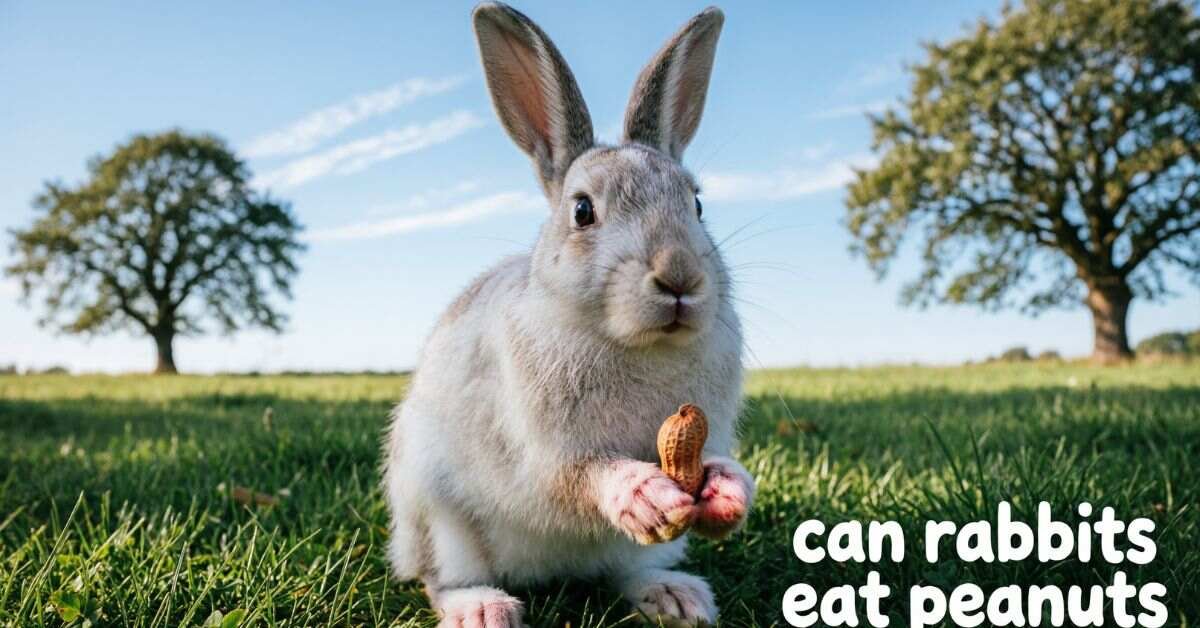
Rabbits have a very sensitive digestive system. Many owners ask, can rabbits eat peanuts as a snack or treat. Rabbits need a diet that is high in fiber and low in fat. Most of their food should be hay, with some fresh vegetables and small safe treats. Peanuts are not a natural food for rabbits, and this raises the question, can rabbits eat peanuts without harm.
Some people think peanuts are safe because other pets eat them. This can make owners wonder, can rabbits eat peanuts like hamsters or birds. But rabbits are very different animals. The wrong food can upset their stomach and cause health problems.
In this guide, you will learn the real answer to can rabbits eat peanuts. We will explain the risks, the nutrition facts, and safer treats you can give instead. This will help you keep your rabbit healthy and safe.
Can Rabbits Eat Peanuts Safely?
Rabbits should not eat peanuts. Peanuts are very high in fat and low in fiber. Rabbits need a high-fiber diet to keep their digestion healthy. Too much fat can upset their stomach and slow down their gut. This can lead to serious problems like weight gain or digestive blockage.
Peanuts are also hard for rabbits to chew and digest. They can become a choking risk, especially for small rabbits. Some peanuts also contain salt or added flavors that are unsafe for pets. It is much safer to give your rabbit hay, leafy greens, and small pieces of safe fruits instead.
Are Peanuts Toxic or Harmful for Rabbits?
Peanuts are not toxic to rabbits, but they are still harmful. They contain a lot of fat and very little fiber. Rabbits need fiber to keep their digestive system working properly. Too much fat can cause stomach upset, weight gain, and other health problems. This is why peanuts are not recommended for rabbits.
Peanuts can also be hard and dry. They may cause choking, especially if the rabbit eats them too fast. Salted or flavored peanuts are even more dangerous. They can lead to dehydration and kidney problems. It is always safer to avoid peanuts and choose healthy, rabbit-safe foods.
| Factor | Peanuts for Rabbits | Why It Matters |
| Toxicity | Not toxic | They won’t poison rabbits, but still not safe |
| Fat Content | Very high | Can cause obesity and digestive issues |
| Fiber Content | Very low | Rabbits need high-fiber foods for gut health |
| Sugar Level | Low | Not a major issue, but fat is the main concern |
| Choking Risk | Medium to high | Hard texture can be difficult to chew |
| Salted Peanuts | Unsafe | Too much salt harms kidneys and causes dehydration |
| Flavored Peanuts | Unsafe | Additives and spices can upset the stomach |
| Natural Diet Fit | Not suitable | Rabbits do not eat nuts in the wild |
| Recommended for Rabbits | No | Better to avoid completely |
| Safer Alternatives | Yes | Hay, leafy greens, and small fruit treats |
Why Peanuts Are Not Recommended for Rabbits
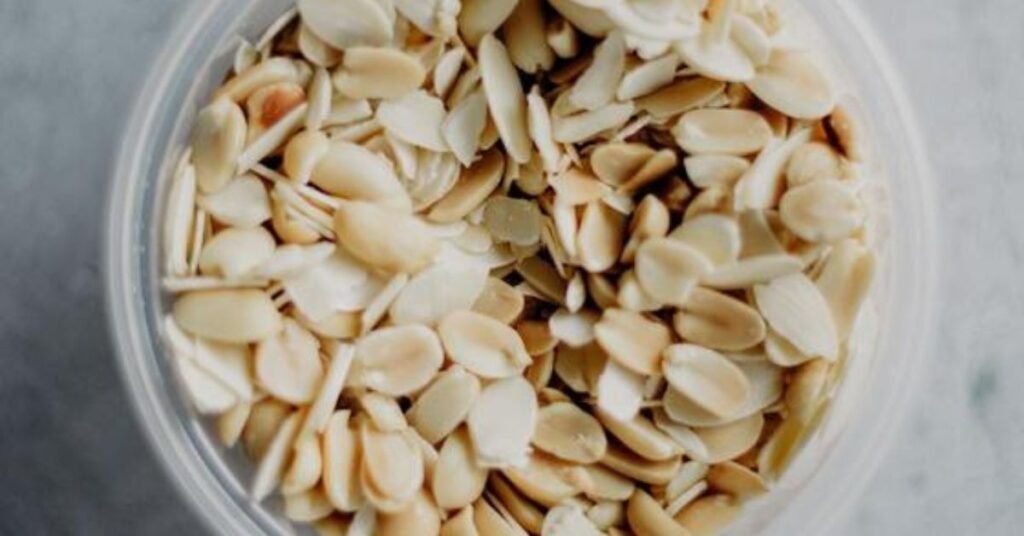
Peanuts are not a natural food for rabbits. Rabbits are herbivores and need a high-fiber, low-fat diet. Peanuts contain a lot of fat and very little fiber. This can upset a rabbit’s stomach and slow down digestion. Over time, it may lead to weight gain and other health problems.
Peanuts can also be hard and dry. They may cause choking or dental issues. Salted or flavored peanuts are even worse. The added salt and spices can harm a rabbit’s kidneys and digestive system. It is always safer to give foods that match a rabbit’s natural diet.
Reasons to avoid peanuts for rabbits:
- High fat content can cause obesity
- Very low fiber, which harms digestion
- Risk of choking due to hard texture
- Salted peanuts can damage kidneys
- Flavored peanuts may upset the stomach
- Not part of a rabbit’s natural diet
High Fat Content and Digestive System Risks
High-fat foods are harmful to rabbits. Rabbits are built to eat fiber, not fat. Fat slows down their digestion. This can cause gas and bloating. Rabbits may stop eating when they feel pain. Even small amounts of fatty food can cause trouble.
Digestive problems can become serious fast. A slow gut can lead to GI stasis. This condition is dangerous for rabbits. Signs include small droppings and low energy. Long-term fat intake can cause weight gain. Healthy diets should always be low in fat.
| Risk Factor | High-Fat Food Source | Effect on Digestion | Common Symptoms | Severity Level | Safe Alternative |
| Slow digestion | Fatty fruits | Gut slowdown | Small droppings | High | Timothy hay |
| Gas buildup | Oily foods | Trapped gas | Bloating | High | Leafy greens |
| Appetite loss | Rich treats | Pain response | Refusing food | High | Fresh grass |
| GI stasis | Long-term fat intake | Digestive shutdown | No droppings | Very high | Hay-based diet |
| Weight gain | Calorie-dense foods | Reduced movement | Obesity | Medium | Vegetables |
| Liver stress | Excess fat | Organ strain | Lethargy | High | Low-fat greens |
| Poor gut bacteria | Unnatural foods | Imbalance | Soft stools | Medium | High-fiber foods |
| Dehydration | Digestive stress | Less water intake | Dry mouth | Medium | Fresh water |
What Happens If a Rabbit Eats Peanuts Accidentally?
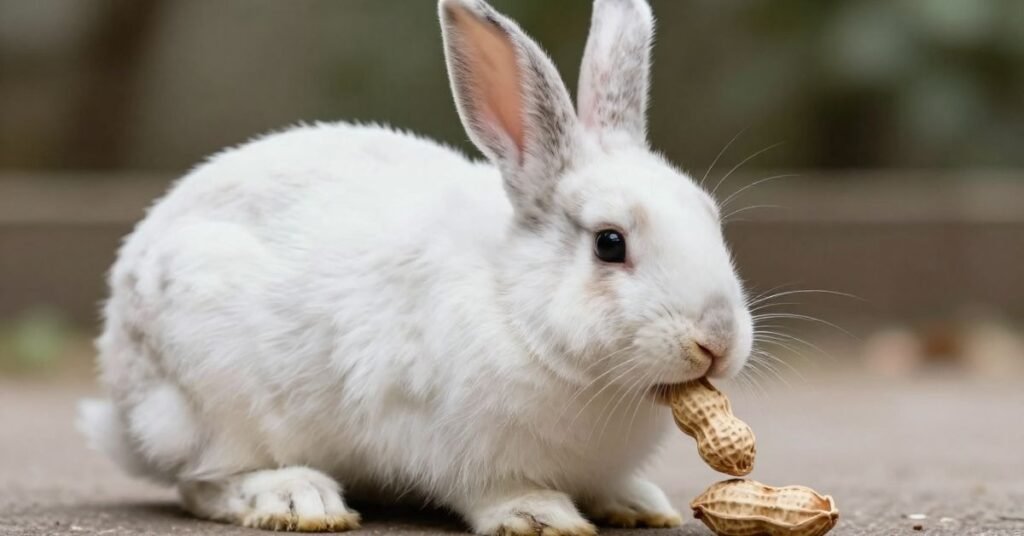
If a rabbit eats a small piece of peanut by accident, it may not cause immediate harm. Many rabbits will seem normal after eating a tiny amount. However, peanuts are high in fat and hard to digest. This can upset the rabbit’s stomach, especially if it eats more than a small bite.
You should watch your rabbit closely after it eats peanuts. Look for signs like loss of appetite, small or no droppings, bloating, or low energy. These can be signs of digestive trouble. If you notice any of these symptoms, contact a rabbit-savvy vet as soon as possible. Giving plenty of hay and fresh water can help support healthy digestion.
Warning Signs, Symptoms, and When to Call a Vet
Rabbits often hide pain. Small changes can be serious. Loss of appetite is a major warning sign. Fewer droppings are also dangerous. A rabbit may sit still and look hunched. Low energy can mean discomfort or illness.
Some symptoms need quick action. Trouble breathing is an emergency. Severe bloating is also serious. Having diarrhea for more than a few hours is not normal. If your rabbit stops eating, call a vet right away. Fast care can save a rabbit’s life.
| Warning Sign | What You May See | Possible Cause | Severity Level | When to Call a Vet |
| Loss of appetite | Refuses food | Digestive pain | High | Immediately |
| Fewer droppings | Small or no poop | Gut slowdown | Very high | Immediately |
| Hunched posture | Sitting still | Abdominal pain | High | Same day |
| Low energy | Not moving much | Illness or pain | Medium | Monitor closely |
| Bloating | Swollen stomach | Gas buildup | Very high | Emergency |
| Diarrhea | Watery stools | Infection or toxins | High | Same day |
| Teeth grinding | Loud grinding | Severe pain | High | Immediately |
| Breathing trouble | Fast or heavy breathing | Stress or toxicity | Extreme | Emergency |
| Sudden hiding | Avoids contact | Pain or fear | Medium | Monitor closely |
| Weight loss | Visible thinness | Long-term illness | Medium | Vet visit soon |
Can Rabbits Eat Peanut Butter?
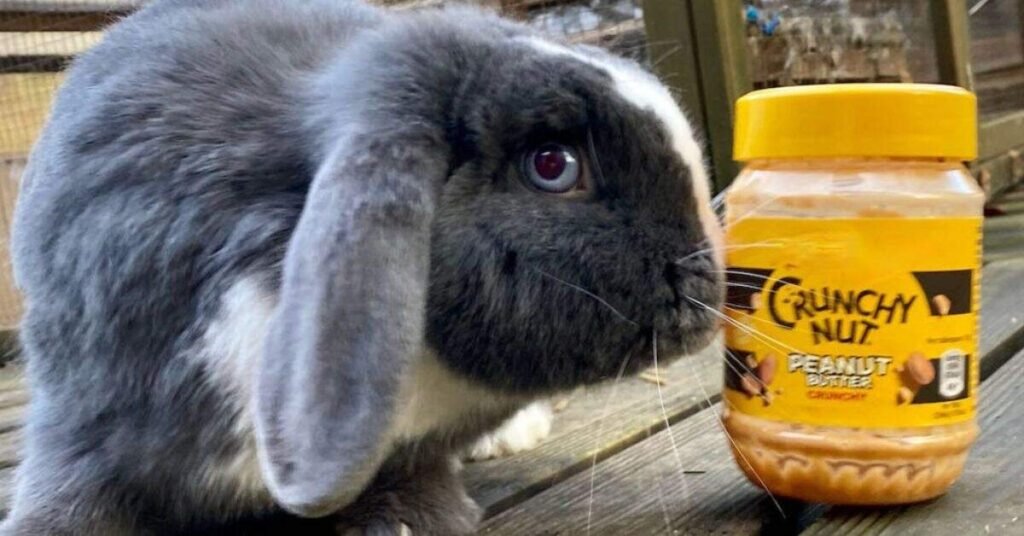
Rabbits should not eat peanut butter. It is very high in fat and has almost no fiber. Rabbits need fiber to keep their digestion working well. Peanut butter is also thick and sticky. It can be hard for rabbits to swallow and may cause choking.
Peanut butter often contains added sugar, salt, or oils. These ingredients are not safe for rabbits. They can lead to weight gain, stomach problems, and other health issues. It is much safer to give your rabbit hay, leafy greens, and small pieces of rabbit-safe fruits instead.
Added Sugar, Salt, and Choking Hazards Explained
Added sugar and salt are unsafe for rabbits. Sugar upsets their digestion. It can cause diarrhea and weight gain. Salt stresses the kidneys. Rabbits do not need extra salt in food. Processed snacks are especially risky.
Choking hazards are also a concern. Rabbits chew food quickly. Hard or sticky foods can get stuck. Large pieces are hard to swallow. Nuts, seeds, and candy are dangerous. Safe foods should be soft and cut small.
| Risk Type | Common Source | Why It Is Dangerous | Possible Symptoms | Risk Level | Safe Alternative |
| Added sugar | Candy | Digestive upset | Diarrhea | High | Fresh greens |
| Added sugar | Sweet treats | Weight gain | Obesity | Medium | Herbs |
| Salt | Chips | Kidney stress | Dehydration | High | Plain vegetables |
| Salt | Processed snacks | Water imbalance | Lethargy | High | Fresh hay |
| Choking hazard | Nuts | Hard texture | Choking | Very high | Leafy greens |
| Choking hazard | Seeds | Small and hard | Blockage | High | Soft veggies |
| Choking hazard | Sticky foods | Clings to mouth | Breathing risk | High | Fresh grass |
| Large pieces | Whole chunks | Hard to swallow | Gagging | Medium | Cut food small |
| Processed food | Packaged snacks | Multiple risks | Illness | High | Natural foods |
| Human snacks | Baked goods | Sugar and salt | Digestive pain | High | Rabbit-safe treats |
Vet Opinions on Feeding Peanuts to Rabbits
Most veterinarians do not recommend feeding peanuts to rabbits. Rabbits require a diet high in fiber and low in fat, according to vets. Peanuts do not match these needs. They can slow down digestion and cause weight gain. This can lead to serious health problems over time.
Vets usually suggest sticking to natural, safe foods. Hay should make up most of a rabbit’s diet. Fresh leafy greens and small fruit treats are better choices. These foods support healthy teeth and digestion.
What vets commonly recommend:
- Give unlimited hay every day
- Offer fresh leafy greens in small portions
- Use fruits only as occasional treats
- Avoid high-fat foods like nuts and seeds
- Keep the diet simple and natural
How Often Should Treats Be Given to Rabbits?
Rabbits should eat treats very rarely. Most of their diet must be hay every day. Fresh vegetables can be added in small portions. Treats, like tiny bits of fruit, should only be given once or twice a week. Giving treats too often can cause stomach problems and weight gain.
Treats should always be small and safe. A piece no bigger than a fingertip is enough. Avoid sugary, fatty, or processed snacks. Stick to natural, rabbit-friendly foods. This keeps your rabbit happy, healthy, and full of energy.
Healthy Alternatives to Peanuts for Rabbits
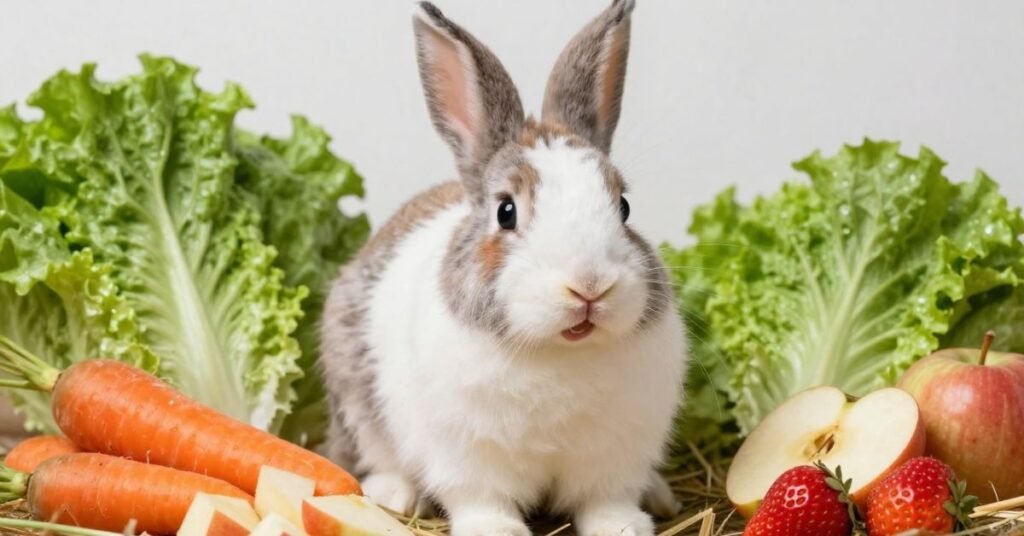
Rabbits need treats that are safe and easy to digest. Instead of peanuts, you can give small pieces of fresh vegetables or fruits. These provide nutrients without harming their digestive system. Hay should still be their main food every day. Treats should only be a tiny part of their diet.
Some healthy alternatives include:
- Leafy greens like romaine lettuce, kale, and spinach
- Small pieces of carrot or bell pepper
- Safe fruits like apple slices or strawberries (in very small amounts)
- Fresh herbs like parsley, cilantro, or basil
- Timothy hay or alfalfa for variety
Safe Fruits and Vegetables Rabbits Can Eat
Rabbits enjoy a variety of fruits and vegetables. These foods provide vitamins and fiber. They are much safer than nuts or processed snacks. You should always wash fruits and vegetables before giving them to your rabbit.You should introduce new foods slowly to prevent upset stomachs.
Some safe options include:
- Leafy greens: romaine lettuce, kale, spinach, and parsley
- Vegetables: carrots, bell peppers, cucumber, and zucchini
- Fruits (small amounts): apple slices, strawberries, blueberries, and pear
- Herbs: cilantro, basil, and mint
Best Rabbit Feed Options for a Balanced Diet
Rabbits stay healthy and energetic with a well-balanced diet. Hay should make up most of their meals every day. It helps their digestive system work properly and naturally wears down their teeth. Fresh vegetables provide important vitamins and extra hydration. Always make sure your rabbit has access to clean water. Pellets can be offered, but only in small, measured amounts.
Not every food is safe for rabbits. Treats should be given sparingly. Foods high in sugar or fat can cause health issues. Keeping their diet simple and consistent works best. Adding variety is good, but introduce new foods slowly. Following these feeding habits can prevent many common health problems and keep your rabbit happy.
Best feed options for rabbits include:
- Unlimited timothy or grass hay
- Fresh leafy greens every day
- Small portions of high-quality rabbit pellets
- Clean, fresh water at all times
- Occasional fruit as a treat only
Conclusion
Feeding rabbits the right foods is very important. Hay should always be their main food. Fresh vegetables give them vitamins and water. Many owners wonder, can rabbits eat peanuts, but peanuts are not safe and should be avoided.
Peanuts and peanut butter are high in fat and low in fiber. Too much can upset a rabbit’s stomach or cause weight gain. Understanding can rabbits eat peanuts helps you make better feeding choices. Safe alternatives are always a smarter option.
Leafy greens, carrots, and small fruit pieces are much better treats. Hay and high-quality pellets provide a balanced diet. Fresh water should always be available. Remember, can rabbits eat peanuts? The answer is no—they are not suitable for rabbits.
Watching your rabbit’s diet closely prevents many health problems. Introduce new foods slowly and in small amounts. Keep meals simple, natural, and consistent. Knowing can rabbits eat peanuts keeps your rabbit happy, healthy, and active for years.
FAQs
1. Can rabbits eat peanuts safely?
No, rabbits should not eat peanuts. They are high in fat and low in fiber, which can cause digestive problems and weight gain.
2. What happens if a rabbit eats peanuts accidentally?
If a rabbit eats a small piece of peanut by accident, it might be fine, but too much can upset their stomach. Always watch for bloating or changes in droppings.
3. Are peanut butter or peanuts good treats for rabbits?
No, peanut butter and peanuts are not recommended. They are too fatty and sticky, which can harm digestion and even cause choking.
4. What are safe alternatives to peanuts for rabbits?
Safe treats include leafy greens, small carrot pieces, cucumber, and occasional fruit like apple slices or strawberries. Hay should remain the main food.
5. Why do vets warn against feeding peanuts to rabbits?
Vets warn that peanuts can cause obesity, digestive issues, and kidney problems if salted or flavored. Rabbits need high-fiber, low-fat foods instead.
