


Introduction
Rabbits are small plant-eating animals. They like soft leaves, tender stems, and fresh flowers. Many gardens give them easy food. Marigolds are bright, common flowers in home gardens. Gardeners often grow them to add color and to keep pests away. But some people wonder, will rabbits eat marigolds?
You may plant marigolds to protect your garden. You expect them to stay safe from animals. Then one morning, you see chewed leaves or missing flowers. This can be frustrating. It makes you ask an important question: will rabbits eat marigolds in your yard?
The answer is not always simple. Some rabbits ignore marigolds, while others may nibble them. It often depends on the season, the rabbit’s hunger, and what other food is nearby. In this article, you will learn if rabbits eat marigolds and how to keep your plants safe.
Will Rabbits Eat Marigolds?
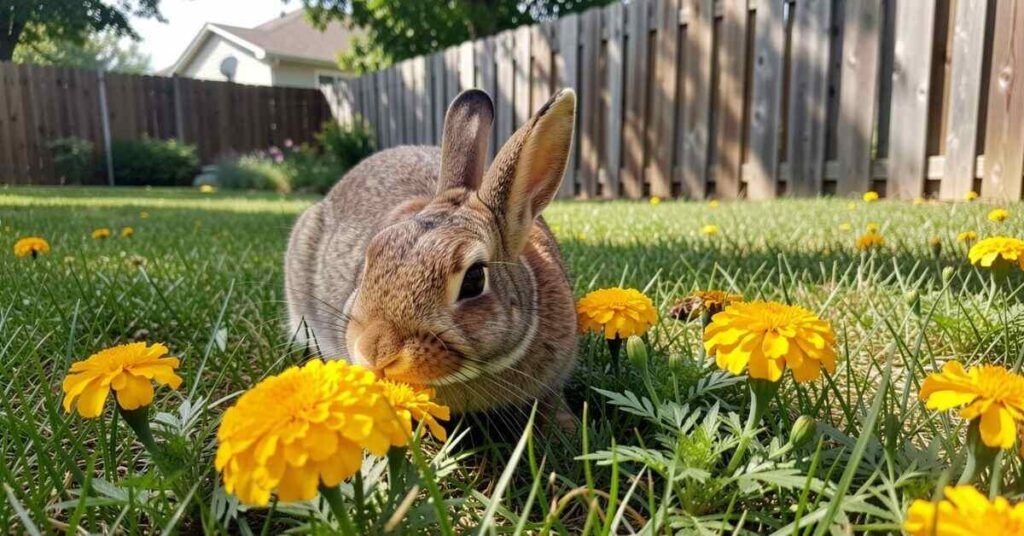
Rabbits can eat marigolds, but they do not always choose them first. These flowers have a strong smell and a slightly bitter taste. Many rabbits avoid plants with strong scents. If they have other soft greens nearby, they may ignore marigolds. But hungry rabbits may still nibble the leaves or petals.
Food choices often depend on the season and the rabbit’s hunger. In early spring, when fresh plants are limited, rabbits may try almost anything. Young marigold plants are more at risk because they are soft and tender. Older plants are tougher and less appealing. So, while marigolds are not a favorite food, they are not fully safe from rabbits either.
Do Wild Rabbits Eat Marigolds in Gardens?
Wild rabbits sometimes eat marigolds, but they usually look for easier food first. They prefer soft grass, clover, and tender vegetable leaves. Marigolds have a strong smell that many rabbits do not like. Because of this, some rabbits will pass by them and choose other plants instead.
However, wild rabbits can still nibble marigolds when food is scarce. This often happens in early spring or dry seasons. Young marigold plants are more at risk because they are soft and easy to chew. If rabbits visit your garden often, they may sample the flowers and leaves. This is why it is important to watch for signs of rabbit damage.
Do Domestic Rabbits Like the Taste of Marigolds?
Domestic rabbits may taste marigolds, but they do not always enjoy them. Marigolds have a strong smell and a slightly bitter flavor. Many pet rabbits prefer sweeter and softer greens. They often choose leafy vegetables over flowers. Because of this, some rabbits may sniff marigolds and walk away.
Still, every rabbit has its own taste. Some curious rabbits may nibble a petal or leaf. If they are hungry or bored, they might try new plants. This does not mean marigolds should be a regular treat. It is always safer to offer hay and known rabbit-safe vegetables instead.
Are Marigolds Safe or Toxic for Rabbits?
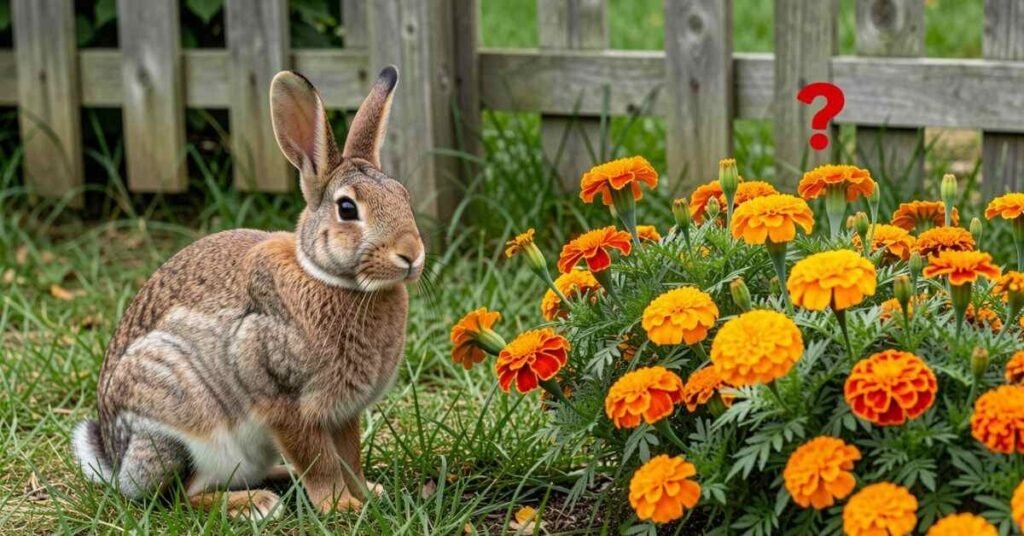
Marigolds are generally not toxic to rabbits. Most rabbits can nibble small amounts without serious harm. However, they are not a good regular food. The strong smell and taste can upset a rabbit’s stomach if eaten in large amounts. It is always safer to offer hay, leafy greens, and rabbit-safe vegetables.
Not all marigold types are the same. Some are safer than others. Also, garden plants may have pesticides or chemicals on them. These can be dangerous for rabbits. If your rabbit eats marigolds, watch for signs of stomach upset. Always choose clean, safe plants when feeding your pet.
| Marigold Type | Common Name | Safety for Rabbits | Taste/Smell | Feeding Advice |
| Tagetes patula | French marigold | Generally safe in small amounts | Strong smell, slightly bitter | Offer only as an occasional nibble |
| Tagetes erecta | African marigold | Generally safe in small amounts | Strong scent, thick petals | Not for regular feeding |
| Calendula officinalis | Pot marigold | Considered safe and sometimes used in herbal mixes | Mild scent, softer petals | Can be given rarely in small pieces |
| Mixed garden marigolds | Various hybrids | Usually non-toxic, but depends on type | Strong odor | Avoid if plant type is unknown |
| Store-bought marigolds | Any variety | May be harmful due to pesticides | Chemical smell possible | Do not feed to rabbits |
Quick safety tips:
- Always wash any plant before offering it to a rabbit.
- Avoid plants treated with pesticides or chemicals.
- Give only small amounts as an occasional treat.
- Watch for signs of stomach upset after new foods.
Are French Marigolds Safe for Rabbits?
French marigolds are generally not toxic to rabbits. Most rabbits can nibble a small amount without serious harm. However, they are not a natural part of a rabbit’s diet. The strong smell and slightly bitter taste may stop some rabbits from eating them. Others may still take a few bites out of curiosity.
It is best to treat French marigolds as an occasional snack, not daily food. Always make sure the plant is clean and free from chemicals.
Keep these simple tips in mind:
- Offer only a small piece at a time.
- Make sure the plant has no pesticides.
- Watch your rabbit for any signs of stomach upset.
- Focus mainly on hay and leafy greens for daily feeding.
Are African Marigolds Harmful to Rabbits?
African marigolds are usually not harmful to rabbits in small amounts. They are not known to be toxic. However, they are not a natural or necessary part of a rabbit’s diet. The strong smell and thick petals may stop some rabbits from eating them. Others may still nibble the leaves or flowers if they are curious or hungry.
It is best to avoid feeding African marigolds often. Rabbits do better with hay, fresh greens, and safe vegetables. If your rabbit eats a small piece, just watch for any stomach upset.
Use these simple tips:
- Do not offer African marigolds as a regular treat.
- Make sure the plant is free from pesticides.
- Give only a small amount if you choose to offer it.
- Watch for signs like soft stools or loss of appetite.
Why Do Rabbits Avoid Marigolds
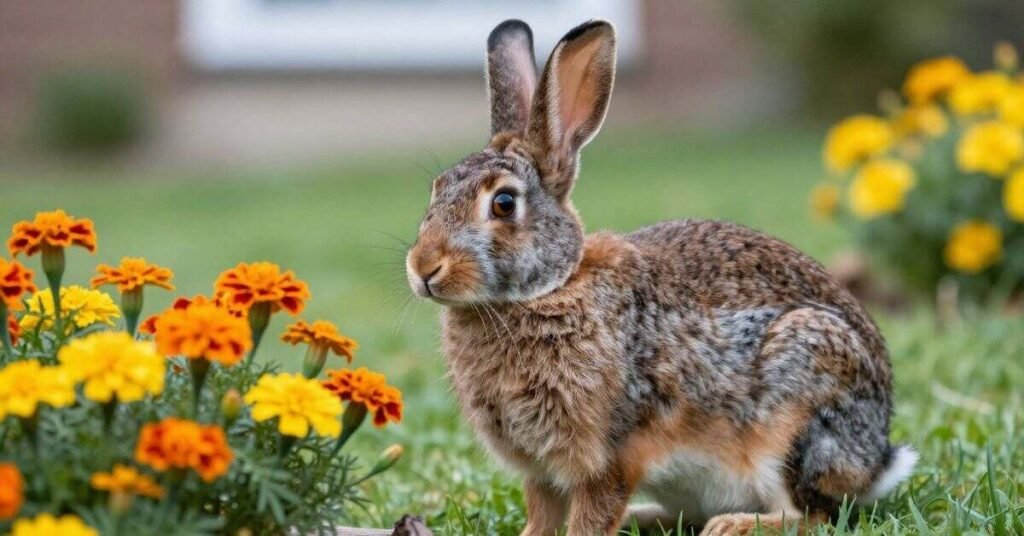
Rabbits often avoid marigolds because of their strong smell. The scent is sharp and not very pleasant to them. Rabbits usually prefer mild and fresh-smelling plants. Marigolds also have a slightly bitter taste. This makes them less attractive compared to soft greens and sweet leaves.
Another reason is texture. Marigold leaves and petals can feel thick or rough. Rabbits like tender and juicy plants. If there is plenty of grass or vegetables nearby, they will choose those first. Marigolds are usually not their favorite choice unless food is limited.
When Hungry Rabbits Ignore Plant Resistance
Rabbits usually avoid plants with strong smells or bitter tastes. Marigolds often fall into this group. But hunger can change a rabbit’s behavior. When food is hard to find, rabbits may eat plants they normally ignore. They will focus more on filling their stomach than on taste or smell.
This often happens in early spring, winter, or dry seasons. Young rabbits may also try more plants because they are still learning what to eat. If your garden has little food, rabbits may nibble marigolds. Even plants known to resist rabbits are not fully safe when animals are very hungry.
How to Keep Rabbits From Eating Marigolds
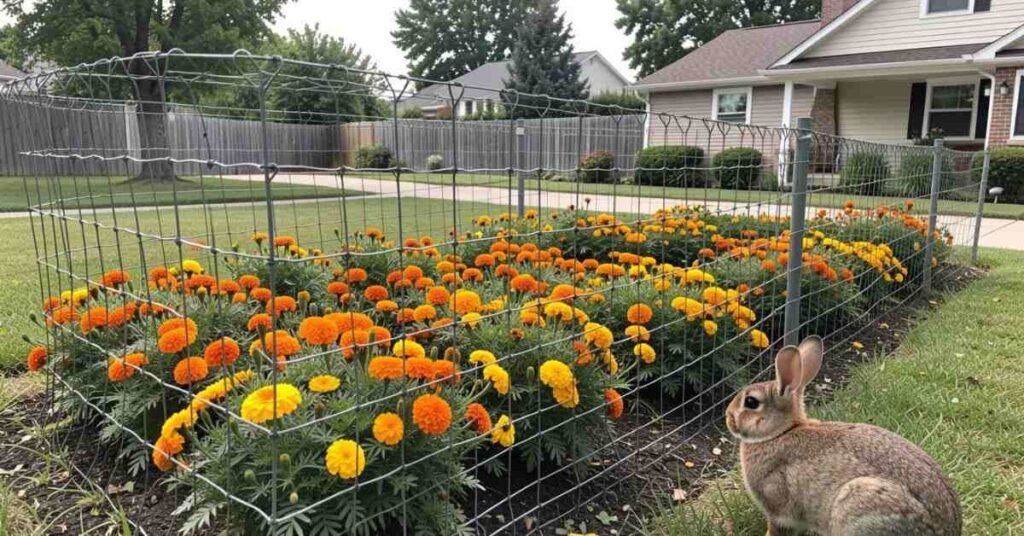
You can protect your marigolds with simple steps. The best method is to block rabbits from reaching the plants. A small fence around the flower bed works well. Use wire mesh with small holes. Make sure the fence is at least one foot high and a few inches deep in the soil. This stops rabbits from jumping over or digging under it.
You can also use natural repellents to keep rabbits away. Strong smells often make them stay back. Spray safe, rabbit-friendly repellents around the garden. You can also plant herbs that rabbits dislike near your marigolds. Check your garden often for signs of chewing. Quick action can help save your flowers.
Fencing and Garden Protection Tips
Fencing is one of the best ways to protect your marigolds. A strong barrier keeps rabbits out of your garden. Use wire mesh with small openings. Make sure the fence is tall enough and buried a few inches into the soil. This stops rabbits from jumping over or digging under it. Check the fence often for holes or gaps.
You can also add extra protection to make your garden safer. Cover young plants with netting if needed. Remove tall grass where rabbits may hide. Keep the area clean and well maintained. Small changes can make a big difference in keeping rabbits away.
| Protection Method | How It Works | Recommended Size/Type | Benefits | Extra Tips |
| Wire Mesh Fence | Blocks rabbits from entering | 1–2 feet high, small holes (1 inch or less) | Strong and long-lasting | Bury 3–6 inches into soil |
| Chicken Wire | Creates a light barrier | Thin metal wire | Easy to install | Check often for rust or damage |
| Garden Netting | Covers plants directly | Fine mesh net | Protects young plants | Secure edges tightly |
| Raised Beds | Lifts plants above ground | At least 12 inches high | Harder for rabbits to reach | Add fencing around bed for more safety |
| Plant Covers (Cloches) | Shields single plants | Plastic or mesh dome | Good for small gardens | Remove during strong heat |
| Motion Sprinklers | Sprays water when movement is detected | Automatic sprinkler system | Scares rabbits away | Place near entry points |
| Natural Repellents | Uses strong smell to deter rabbits | Store-bought or homemade spray | Easy to apply | Reapply after rain |
| Clean Garden Edges | Removes hiding spots | Trim grass and bushes | Reduces rabbit visits | Keep area tidy regularly |
What Happens If a Rabbit Eats Marigolds?
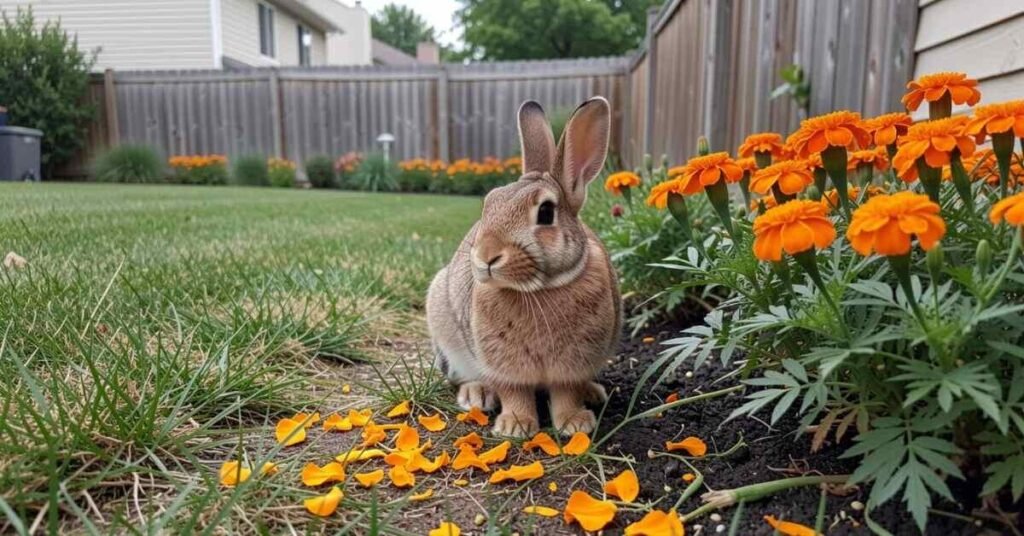
If a rabbit eats a small amount of marigolds, it is usually not serious. Most marigolds are not toxic to rabbits. The strong taste may stop the rabbit from eating too much. In many cases, the rabbit will be fine and show no signs of trouble. Still, it is best not to let them eat these flowers often.
If a rabbit eats a large amount, it may have stomach upset. You might notice soft stools, low appetite, or less energy. These signs usually pass with time if the rabbit returns to a normal diet. Always watch your rabbit after it eats a new plant. If symptoms continue, it is safer to contact a vet.
Signs of Digestive Upset in Rabbits
Rabbits have very sensitive stomachs. Even small changes in diet can cause problems. If a rabbit eats too many marigolds or any new plant, you may notice changes in behavior. The rabbit may seem quiet or less active. It may also stop eating its usual food.
Watch your rabbit closely for these common signs:
- Soft or watery stools
- Very small or no droppings
- Loss of appetite
- Bloated or hard belly
- Sitting in a hunched position
- Low energy or hiding more than usual
Rabbit-Resistant Flowers for Your Garden
Some flowers rabbits do not like are perfect for your garden. These plants usually have strong smells, tough leaves, or bitter tastes. Planting them can help protect your garden from hungry rabbits. Examples include lavender, rosemary, and snapdragons. These flowers add beauty and color while staying mostly safe from nibbling.
Using rabbit-resistant flowers also helps young plants grow without damage. You can mix them with marigolds for extra protection. Other good options include daisies, salvia, and foxglove. Choosing the right flowers makes your garden easier to maintain and keeps rabbits away naturally.
Plants That Attract Rabbits Instead
Some plants are very tempting for rabbits. They love soft, tender leaves and sweet vegetables. Lettuce, clover, and carrots are top favorites. Young flowers with soft petals can also attract them. These plants may make rabbits visit your garden often.
If you want to protect other plants, keep these rabbit favorites in a separate area. Herbs like basil and parsley can attract them too. By knowing which plants rabbits like, you can plan your garden better. This helps keep your marigolds and other flowers safe.
Conclusion
Rabbits may nibble on marigolds, but they usually do not eat them first. The strong smell and bitter taste often keep them away. Young or hungry rabbits may try a few bites, but serious harm is rare. Marigolds are mostly safe as an occasional snack, not daily food.
It is important to protect your garden. Fencing, netting, and clean garden areas work well. You can also use natural repellents and plant rabbit-resistant flowers. Small steps help keep rabbits from damaging your marigolds and other plants.
Watch your rabbits closely if they eat marigolds. Look for signs of digestive upset like soft stools or loss of appetite. Most rabbits recover quickly if given hay and water. Contact a vet if any symptoms continue or worsen.
Planning your garden wisely makes a big difference. Use a mix of rabbit-resistant flowers and safe vegetables. Keep tempting plants in separate areas to manage rabbit visits. With careful care, your garden can stay colorful and healthy while keeping rabbits happy and safe too.
FAQs
1. Will rabbits eat marigolds?
Rabbits may nibble on marigolds, but they usually avoid them. The strong smell and bitter taste make these flowers less appealing. Hungry or young rabbits may try a few bites, but marigolds are generally safe in small amounts.
2. Are marigolds toxic to rabbits?
Most marigolds are not toxic. Eating a small amount usually does not harm rabbits. However, large quantities may cause mild stomach upset. Always monitor your rabbit after trying a new plant.
3. Can domestic rabbits like marigolds?
Some domestic rabbits may taste marigolds out of curiosity. Many ignore them due to the bitter flavor. It is best to offer them as an occasional snack and not as a regular food.
4. How can I protect marigolds from rabbits?
You can use fencing, garden netting, or natural repellents. Planting rabbit-resistant flowers nearby also helps. Keeping the garden clean and removing hiding spots reduces rabbit visits.
5. What are rabbit-safe alternatives to marigolds?
Safe alternatives include leafy greens like lettuce, kale, and herbs like parsley. Hay should remain the main part of a rabbit’s diet. These foods are healthier and more appealing than marigolds.
