

Introduction
Rabbits are small herbivores that eat mostly hay, grass, and fresh leafy greens. Their digestive system is delicate and needs high-fiber foods to stay healthy. Onions are strong vegetables from the allium family. Many people cook with them every day, but that does not mean they are safe for pets. This makes many owners ask, can rabbits eat onions or not.
New rabbit owners often wonder, can rabbits eat onions in small amounts. You may think a tiny piece will not cause harm. But rabbits have sensitive stomachs and special diet needs. Some human foods can make them sick very quickly. Knowing what is safe and what is not is very important.
The truth is that onions can be dangerous for rabbits. They may upset the stomach and even harm the blood. Because of this, many people search, can rabbits eat onions before feeding them. In this article, you will learn the risks and important health facts every rabbit owner should know.
Can Rabbits Eat Onions?
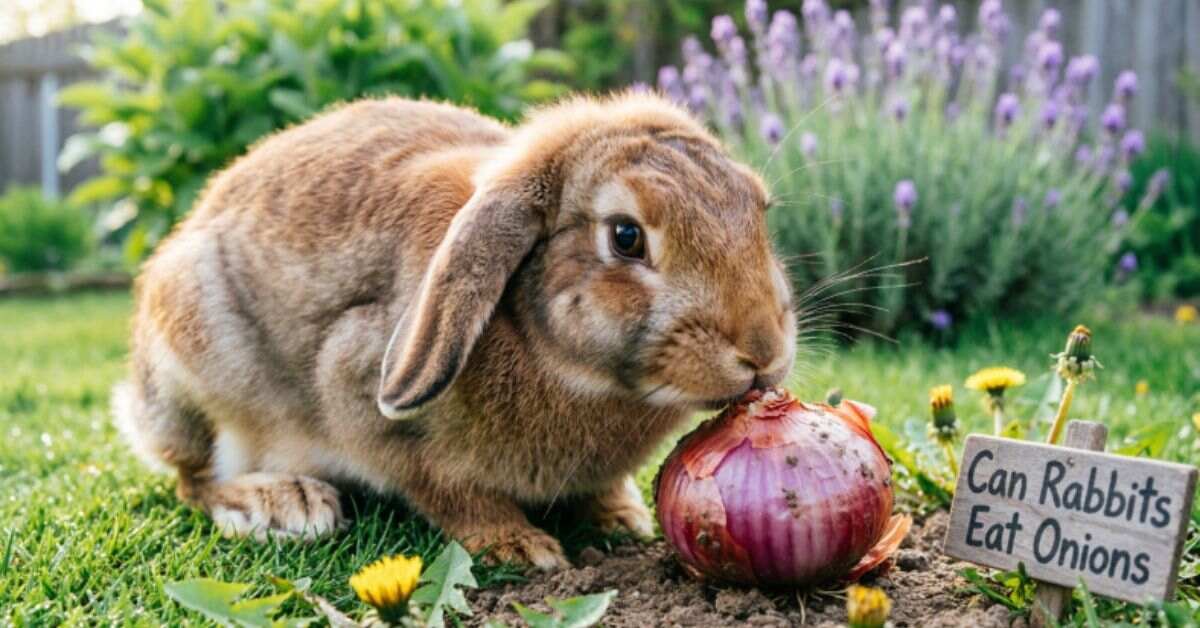
Rabbits should not eat onions at all. Onions are part of the allium family, which is toxic to rabbits. They can upset the stomach and damage red blood cells. Even a small piece can cause serious health problems. This is why onions are not safe for rabbits in any form.
A rabbit’s diet should be simple and natural. Hay should be the main food, along with fresh leafy greens. Safe vegetables can be given in small amounts as treats. Onions do not fit into a healthy rabbit diet. It is best to keep them completely out of your rabbit’s food.
Are Onions Toxic to Rabbits?
Yes, onions are toxic to rabbits. They contain compounds that can harm a rabbit’s body. These substances can damage red blood cells and cause weakness. A rabbit’s digestive system is very sensitive. Even a small amount of onion can lead to serious problems.
Onions can cause many health issues in rabbits, such as:
- Stomach pain and bloating
- Loss of appetite
- Diarrhea or soft stools
- Weakness and tiredness
- Changes in blood health
What Happens If a Rabbit Eats Onion?
When a rabbit eats onion, the body may not handle it well. Onions contain strong natural chemicals that do not suit a rabbit’s diet. The rabbit may start to feel discomfort in the stomach. It might stop eating, sit quietly in a corner, or act differently than usual. Soft droppings or gas can also appear.
Over time, onion can affect the rabbit’s blood health. It may damage red blood cells and lead to weakness. The rabbit could look tired, lose interest in food, or move less. These signs should never be ignored. If your rabbit eats onion, it is best to speak to a vet as soon as possible.
Why Onions Are Dangerous for Rabbits
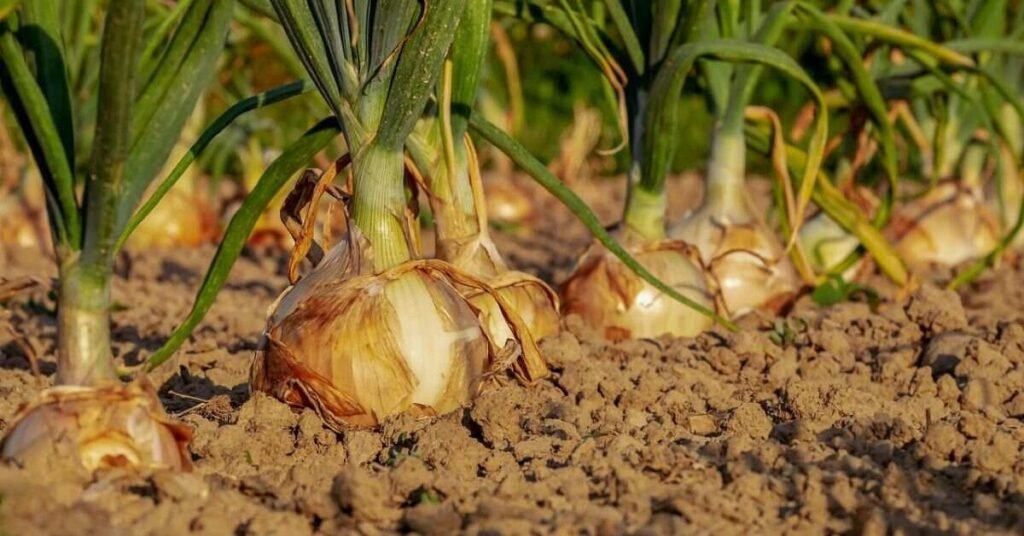
Onions are harmful to rabbits because of the natural chemicals they contain. These chemicals can upset the digestive system. Rabbits have very sensitive stomachs and need simple, high-fiber foods. Strong vegetables like onions can cause pain, gas, and loss of appetite. Even a small amount can create problems.
Onions can also affect the blood and overall health of a rabbit. They may damage red blood cells and cause weakness. This can lead to serious health issues if not treated in time.
Some common risks include:
- Stomach upset and bloating
- Loss of appetite
- Soft stools or diarrhea
- Weakness and low energy
- Blood-related health problems
Symptoms of Onion Poisoning in Rabbits
Onion poisoning can make a rabbit feel very unwell. The signs may start with small changes in behavior. A rabbit may stop eating or seem less active than normal. The stomach can become upset, leading to pain or soft stools. These early symptoms should not be ignored.
As the condition gets worse, more serious signs can appear. The rabbit may become weak and tired. In some cases, blood problems can develop.
Watch for these common symptoms:
- Loss of appetite
- Diarrhea or soft droppings
- Bloating or stomach pain
- Weakness and low energy
- Pale gums or unusual tiredness
Severe Symptoms That Require Immediate Vet Care
Some symptoms are very serious and need quick action. A rabbit may become extremely weak or unable to stand. It may stop eating or drinking completely. Fast breathing or very pale gums are also warning signs. These symptoms can mean the body is in danger.
If you notice any of the signs below, call a vet right away:
- Very low energy or collapse
- No eating or drinking for many hours
- Trouble breathing
- Very pale or white gums
- Severe diarrhea or bloating
What to Do If Your Rabbit Eats Onion
If your rabbit eats onion, stay calm and act quickly. Remove any onion pieces from the cage or floor. Do not give more food right away, except fresh hay and clean water. Watch your rabbit closely for any changes in behavior. Look for signs like weakness, no appetite, or soft stools.
Call a vet as soon as possible for advice. Tell the vet how much onion your rabbit may have eaten. Follow their instructions carefully. Do not try home remedies without professional help. Quick action can protect your rabbit and prevent serious problems.
Veterinary Treatment and Recovery Process?
If a rabbit is taken to the vet after eating onion, the vet will first check its overall condition. They may examine the gums, breathing, and heart rate. Blood tests can be done to see if red blood cells are damaged. The vet may give fluids to prevent dehydration and support the body. In serious cases, extra treatment is needed to stabilize the rabbit.
Recovery depends on how much onion was eaten and how fast treatment started. Some rabbits recover quickly with proper care. Others may need a few days of close monitoring. Below is a simple table to explain the treatment and recovery process:
| Stage | What the Vet Does | Why It Is Important | Recovery Time |
| Initial Check | Physical exam and health review | To assess severity of poisoning | Same day |
| Blood Test | Check red blood cells | Detect blood damage | Same day results |
| Fluid Therapy | Give IV or subcutaneous fluids | Prevent dehydration and support organs | 1–2 days |
| Medications | Provide supportive medicines | Reduce pain and protect stomach | 1–3 days |
| Monitoring | Observe eating, droppings, energy | Ensure safe recovery | Several days |
| Follow-Up Visit | Recheck blood and health | Confirm full recovery | 3–7 days later |
Can Rabbits Eat Green Onions, Onion Leaves, or Cooked Onions?
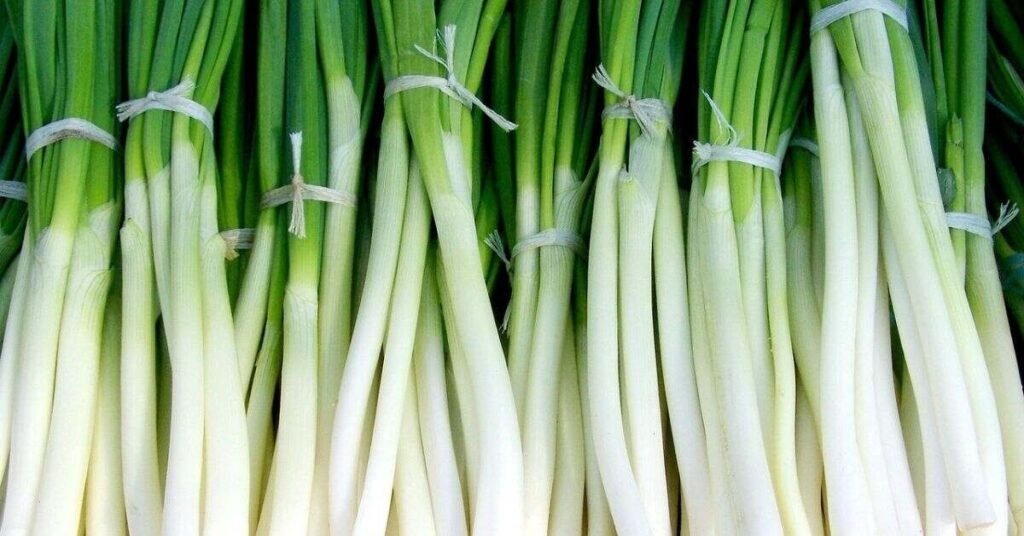
Rabbits should not eat green onions. They should not eat onion leaves either. All parts of the onion plant are unsafe. Onions can harm a rabbit’s blood. Even a small amount can be dangerous. Rabbits have very sensitive stomachs. Foods that are safe for people can be harmful to them.
Cooked onions are also unsafe for rabbits. Cooking does not remove the harmful compounds. Raw, cooked, dried, or powdered onions are all bad choices. If a rabbit eats onions, it may feel weak or sick. Always choose safe vegetables instead. Leafy greens like romaine lettuce or cilantro are much better.
| Onion Type | Raw or Cooked | Safe for Rabbits | Why It Is Unsafe | Possible Health Effects |
| Green onions (scallions) | Raw | No | Contains toxic sulfur compounds | Weakness, stomach pain |
| Green onions (scallions) | Cooked | No | Toxins remain after cooking | Digestive upset |
| Onion leaves | Raw | No | Same toxins as bulb | Damage to red blood cells |
| Onion bulb (white/yellow) | Raw | No | High toxicity for rabbits | Lethargy, anemia |
| Onion bulb (white/yellow) | Cooked | No | Cooking does not make it safe | Loss of appetite |
| Red onions | Raw | No | Strong sulfur compounds | Blood-related issues |
| Red onions | Cooked | No | Still toxic | Long-term health problems |
| Dried onions | Dried | No | Concentrated toxins | Higher risk even in small amounts |
| Onion powder | Processed | No | Very concentrated | Serious poisoning risk |
| Onion scraps | Any form | No | Unsafe regardless of amount | Emergency health issues |
Are Green Onions (Scallions) Safe?
Green onions, also called scallions, are not safe for rabbits. They belong to the same allium family as regular onions. Even though they look lighter and softer, they contain similar harmful compounds. A rabbit’s body cannot handle these chemicals. Feeding green onions can upset the stomach and harm the blood.
Some people think the green tops are harmless. This is not true. All parts of green onions can be risky for rabbits. It is best to avoid them completely. Stick to safe leafy greens that are made for a rabbit’s sensitive diet.
Are Cooked or Dried Onions Any Safer?
Cooked or dried onions are not safe for rabbits. Cooking does not remove the harmful compounds. Drying onions can even make those compounds more concentrated. This means the risk can stay the same or become worse. A rabbit’s digestive system cannot handle onions in any form.
Some people think a small cooked piece is harmless. This is not true. All forms of onion can cause health problems for rabbits. The table below explains the risks clearly:
| Type of Onion | Is It Safe for Rabbits? | Why It Is Dangerous | Risk Level |
| Raw Onion | No | Contains toxic compounds that damage red blood cells | High |
| Cooked Onion | No | Heat does not remove harmful chemicals | High |
| Fried Onion | No | Still toxic and also high in fat | Very High |
| Dried Onion | No | Harmful compounds become more concentrated | Very High |
| Onion Powder | No | Highly concentrated and easy to consume by mistake | Extremely High |
| Onion in Mixed Food | No | Even small hidden amounts can cause harm | High |
Why Rabbits Should Avoid Allium Vegetables
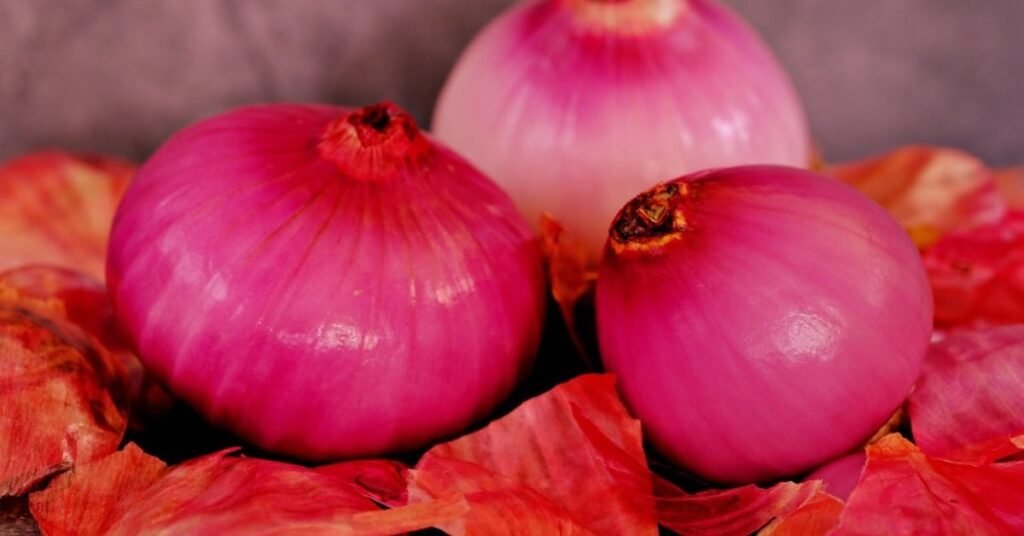
Rabbits should not eat allium vegetables at all. This group includes onions, garlic, leeks, and chives. These plants contain strong natural chemicals. A rabbit’s body cannot process these chemicals safely. Eating them can upset the stomach and harm the blood.
Rabbits have delicate digestive systems. They need high-fiber foods like hay and leafy greens. Allium vegetables are too harsh for their bodies. Even a small amount can cause health problems. It is always safer to keep these vegetables away from your rabbit.
Are Garlic, Leeks, and Chives Safe for Rabbits?
Garlic, leeks, and chives may look like simple kitchen vegetables, but they are unsafe for rabbits. They are part of the allium family, just like onions. These plants contain natural substances that can harm a rabbit’s body. A rabbit cannot digest them properly. Even a small bite can lead to stomach trouble or blood-related issues.
Some owners believe small herbs like chives are mild and safe. This is a mistake. All parts of these vegetables can be risky, whether fresh, cooked, or dried. The table below shows why they should always be avoided:
| Vegetable | Can Rabbits Eat It? | Why It Is Harmful | Common Effects on Rabbits | Danger Level |
| Garlic | No | Strong toxic compounds | Weakness, blood damage, stomach pain | Very High |
| Leeks | No | Harmful plant chemicals | Gas, diarrhea, low appetite | High |
| Chives | No | Same toxic family as onions | Digestive upset, tiredness | High |
| Dried Forms | No | More concentrated toxins | Faster and stronger reaction | Very High |
| Foods Containing Them | No | Hidden harmful ingredients | Sudden illness symptoms | High |
Understanding the Risks of the Allium Family
The allium family includes onions, garlic, leeks, and chives. These plants contain strong natural compounds. While they are safe for humans, they are harmful to rabbits. A rabbit’s body cannot break down these substances properly. This can lead to stomach problems and blood damage.
Rabbits have sensitive digestive systems. They need simple, high-fiber foods like hay and leafy greens. Allium vegetables are too harsh for them. Even a small amount can cause weakness or loss of appetite. To protect your rabbit’s health, it is best to avoid all foods from the allium family.
Safe Vegetables Rabbits Can Eat Instead
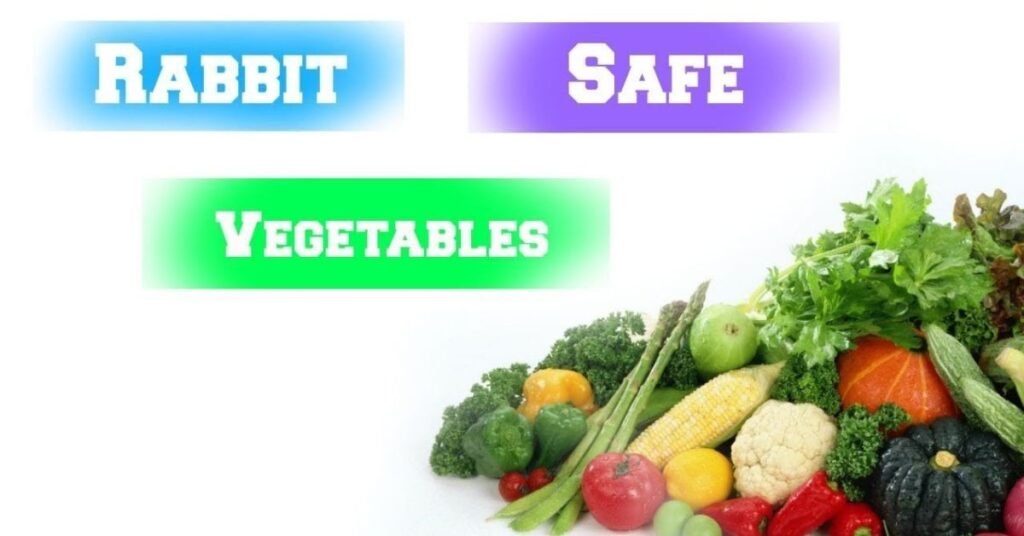
Rabbits need vegetables that are gentle on their stomachs. Safe vegetables provide fiber, vitamins, and minerals. They help keep rabbits healthy and active. Instead of onions or other allium vegetables, choose foods that support a rabbit’s diet.
Some of the best vegetables for rabbits include:
- Romaine lettuce
- Carrots (in small amounts)
- Bell peppers
- Spinach (in moderation)
- Kale
- Cucumber
- Zucchini
- Fresh herbs like parsley and cilantro
Best Leafy Greens for Rabbits
Leafy greens are very good for rabbits. They help with digestion. They also give important vitamins. Fresh greens should be clean and washed. Always serve them raw. Give a small amount at first. This helps avoid stomach problems.
Some leafy greens are safer than others. Romaine lettuce is a good choice. Cilantro and parsley are also safe. Bok choy and arugula can be given too. Mix different greens for variety. Do not feed iceberg lettuce. It has little nutrition and can cause diarrhea.
Vegetables to Avoid Completely
Some vegetables are very dangerous for rabbits. They can upset the stomach or damage the blood. These vegetables should never be given, even in small amounts. Allium vegetables like onions, garlic, leeks, and chives are the most harmful.
Other unsafe vegetables include certain raw beans and nightshades. The table below shows vegetables rabbits should avoid completely:
| Vegetable | Reason to Avoid | Possible Health Problems | Risk Level |
| Onion | Contains toxic compounds | Stomach upset, blood damage | Very High |
| Garlic | Toxic to rabbits | Weakness, red blood cell damage | Very High |
| Leeks | Harmful allium compounds | Digestive upset, low appetite | High |
| Chives | Same family as onions | Tiredness, bloating | High |
| Raw Kidney Beans | Contain lectins | Severe stomach pain, diarrhea | Very High |
| Raw Potato | Contains solanine | Vomiting, stomach pain | High |
| Rhubarb Leaves | Contains oxalates | Kidney damage, weakness | Very High |
| Tomato Leaves | Toxic parts | Digestive upset, lethargy | High |
| Nightshade Vegetables (raw) | Contains solanine | Weakness, stomach upset | High |
Conclusion
Rabbits have very sensitive bodies. Their diet should be simple and natural. Foods like hay, fresh water, and safe leafy greens keep them healthy. Dangerous vegetables, especially onions and allium plants, should always be avoided.
Onions, garlic, leeks, and chives can harm rabbits quickly. Even small amounts can upset the stomach or damage blood. Cooked, dried, or raw forms are all unsafe. Knowing these risks helps owners protect their pets.
If a rabbit eats something harmful, quick action is very important. Watch for signs like weakness, loss of appetite, or soft stools. Contact a vet immediately for guidance. Early treatment can prevent serious health problems.
Providing safe alternatives is the best choice. Leafy greens, carrots, bell peppers, and fresh herbs are excellent options. Slowly introduce new foods and always wash them first. A careful diet keeps rabbits happy, active, and healthy.
FAQs
1. Can rabbits eat onions safely?
No, rabbits should never eat onions. Onions contain toxic compounds that can harm their stomach and blood. Even a small amount can cause serious health problems.
2. Are green onions or scallions safe for rabbits?
No, green onions (scallions) are also part of the allium family. They contain the same harmful compounds as regular onions. Feeding them can upset your rabbit’s digestion and cause weakness.
3. What happens if a rabbit eats onion?
If a rabbit eats onion, it may get stomach upset, soft stools, or lose appetite. In serious cases, red blood cells can be damaged, leading to weakness and low energy. A vet should be contacted immediately.
4. Are cooked or dried onions safer for rabbits?
No, cooking or drying onions does not remove the toxic compounds. All forms—raw, cooked, or dried—are dangerous for rabbits. They should be avoided completely.
5. What vegetables are safe for rabbits instead of onions?
Safe alternatives include leafy greens like romaine lettuce, kale, parsley, spinach (in moderation), and fresh herbs like cilantro. Carrots, bell peppers, and cucumber are also good options. Always introduce new vegetables slowly.
