

Introduction
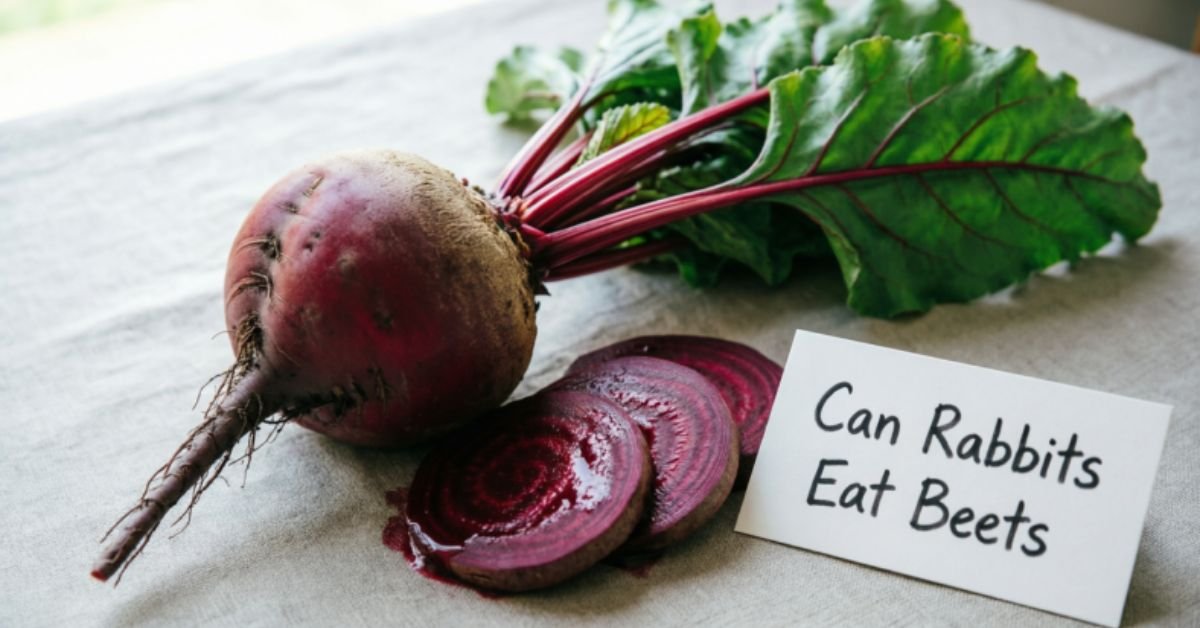
Rabbits eat mostly hay, fresh grass, and leafy greens. Their bodies need high fiber and low sugar foods. Beets are root vegetables that grow under the ground. Sugar is naturally present in them, so they are sweet. Many owners wonder if this sweet vegetable is safe for their rabbits.
You may have beets in your kitchen and think about sharing a small piece. Rabbits often look curious when they see new food. But just because a food is healthy for humans does not mean it is safe for rabbits. Feeding the wrong food can upset their stomach and cause health problems.
So, can rabbits eat beets? The answer is yes, but only in small amounts. Beets are not toxic, but they are high in sugar. Too much can lead to weight gain or digestive issues. It is important to know how much is safe before adding beets to your rabbit’s diet.
Can Rabbits Eat Beets?
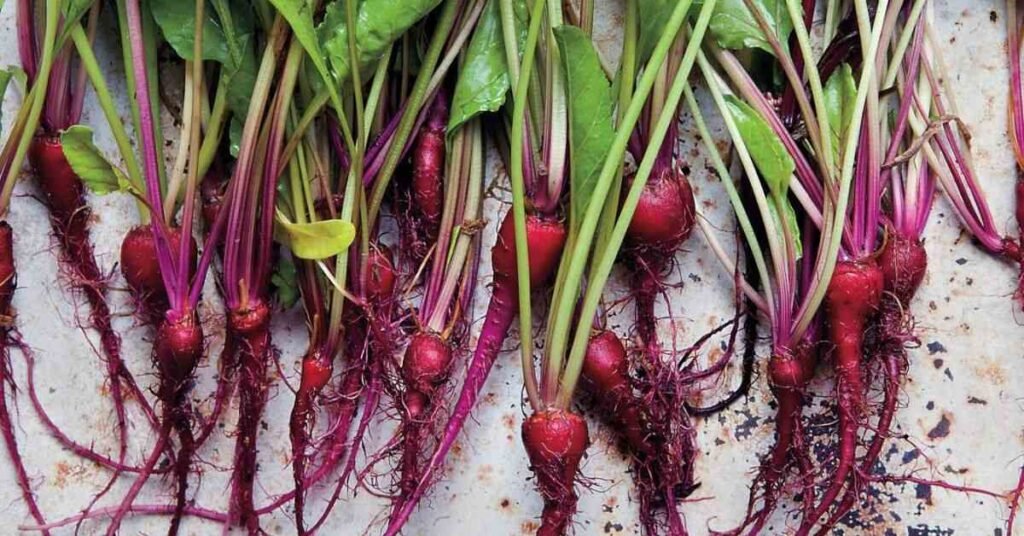
Rabbits can eat beets, but only as an occasional treat. Beets are safe, yet they contain a lot of natural sugar. A rabbit’s digestive system works best with high-fiber foods like hay. Sweet vegetables can disturb that balance if given too often. Small portions are the key.
Hay should always be the main part of your rabbit’s diet. Fresh greens come next. Beets should only be offered once in a while. Give a thin slice and see how your rabbit reacts. If their droppings change or become soft, stop feeding it. Keeping treats limited helps your rabbit stay healthy and active.
Are Beets Safe or Harmful for Rabbits?
Beets are not poisonous for rabbits. So, they are generally safe in small amounts. But they are high in sugar. Too much sugar is harmful for a rabbit’s stomach. It can cause diarrhea, gas, or weight gain. Rabbits have sensitive digestive systems. That is why sweet foods must stay limited.
If you give beets as a rare treat, most rabbits will be fine. A small, thin slice is enough. Never feed large pieces or daily portions. Always watch for changes in droppings or behavior. If you notice soft stools, stop giving beets right away.
| Factor | Safe or Harmful? | Explanation | Recommendation |
| Beet Root (Raw) | Safe in small amounts | Contains natural sugar | Give a thin slice occasionally |
| Beet Root (Cooked) | Not recommended | Cooking removes nutrients and adds softness | Avoid feeding cooked beets |
| Beet Greens (Leaves) | Safer than root | Lower sugar, higher fiber | Can give in small portions |
| Sugar Content | Harmful in excess | High sugar can upset digestion | Limit strictly |
| Fiber Content | Low in root | Rabbits need high fiber daily | Do not replace hay |
| Daily Feeding | Harmful | Can cause obesity and gut issues | Feed only once in a while |
| Baby Rabbits | Not safe | Sensitive stomach | Avoid completely |
| Large Portions | Harmful | May cause diarrhea and bloating | Always give small pieces |
| Mixing with Hay | Safe practice | Helps balance digestion | Offer after hay meal |
| First-Time Feeding | Caution needed | Each rabbit reacts differently | Monitor for 24 hours |
What Veterinarians Recommend
Most veterinarians say that hay should be the main food for rabbits. Hay keeps their teeth healthy and their stomach working well. Fresh leafy greens are also important every day. Sweet vegetables like beets should only be small treats. Vets often warn that too much sugar can cause stomach problems and weight gain.
They also suggest introducing new foods slowly. Give a tiny piece first and watch your rabbit for 24 hours. If droppings stay normal, it is usually fine as an occasional treat. If you notice soft stools or low energy, stop right away.
Veterinarians usually recommend:
- Unlimited fresh hay every day
- A variety of safe leafy greens
- Very small portions of sugary vegetables
- No treats for baby rabbits
- Monitoring your rabbit after any new food
Nutritional Value of Beets for Rabbits
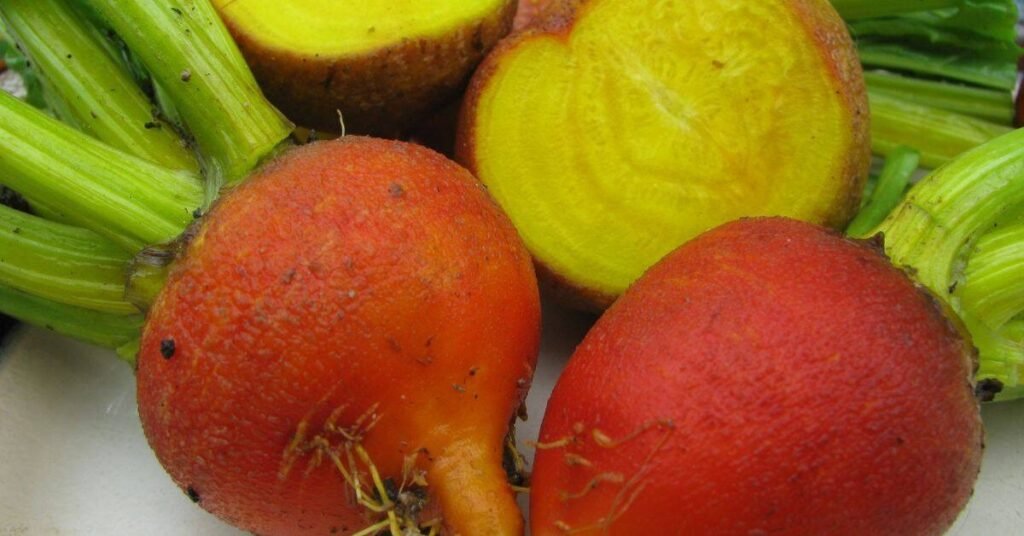
Beets contain some vitamins and minerals. They have vitamin C, potassium, and small amounts of fiber. The beet greens have more nutrients than the root. The leaves contain more fiber and are lower in sugar. This makes the greens a slightly better choice than the red root.
However, beets also contain a high amount of natural sugar. Rabbits do not need sugary foods in their daily diet. Too much sugar can upset their digestion. That is why beets should only be a rare treat, not a regular food.
Main nutrients found in beets:
- Natural sugars (high in the root)
- Fiber (more in the greens)
- Vitamin C
- Potassium
- Folate
Key Vitamins and Minerals in Beets
Beets contain several vitamins and minerals that can support health. They have vitamin C, folate, and small amounts of vitamin B6. They also provide minerals like potassium, magnesium, and iron. The beet greens usually have more nutrients than the root. Still, rabbits only need a small amount because their main nutrition should come from hay and leafy greens.
Even though these nutrients sound healthy, beets also contain a lot of natural sugar. Rabbits do not need extra sugar in their diet. Too much can upset their stomach and cause weight gain. That is why beets should only be offered in tiny portions as an occasional treat.
| Nutrient | Found in Beet Root | Found in Beet Greens | Benefit for Rabbits | Feeding Note |
| Vitamin C | Small amount | Moderate amount | Supports immune health | Not essential daily |
| Folate (Vitamin B9) | Present | Present | Helps cell growth | Small treat only |
| Vitamin B6 | Small amount | Small amount | Supports metabolism | Limited need |
| Vitamin A | Very low | Higher amount | Supports eye health | Greens are better |
| Vitamin K | Low | Higher amount | Helps blood clotting | Offer in moderation |
| Potassium | Moderate | Moderate | Supports muscle function | Too much not needed |
| Magnesium | Small amount | Small amount | Supports bones | Safe in small amounts |
| Iron | Small amount | Small amount | Supports blood health | Do not overfeed |
| Calcium | Low | Higher amount | Bone support | Balance with other greens |
| Fiber | Low | Higher | Supports digestion | Hay is still best source |
| Natural Sugar | High | Low | No real benefit | Limit root strictly |
Are Beets Safe for a Rabbit’s Digestive System?
Beets are not toxic to rabbits. So, they are generally safe in small amounts. But a rabbit’s digestive system is very sensitive. It works best with high-fiber foods like hay. Beets are low in fiber and high in sugar. Too much can upset the balance in their gut.
If a rabbit eats a large piece of beet, it may get gas or soft stools. Some rabbits may also gain weight over time. That is why beets should only be given as an occasional treat. Always start with a tiny slice. Watch your rabbit closely for any changes in droppings or behavior.
Risk of Diarrhea, Gas, and Digestive Upset
Beets are sweet and tasty, but they can cause problems for rabbits if given in large amounts. Too much sugar can upset their stomach. Rabbits may develop diarrhea, gas, or bloating. Their digestive system is very sensitive. That is why treats like beets should be very limited.
Even a small piece is usually fine, but every rabbit is different. Some may tolerate beets better than others. Always introduce new foods slowly. Watch for soft stools, changes in droppings, or signs of discomfort. Stop feeding beets if any problems appear.
| Risk | Cause | Symptoms | Severity | Feeding Advice |
| Diarrhea | High sugar content | Soft, watery stools | Moderate to High | Feed very small portions |
| Gas | Sugar and low fiber | Bloating, discomfort | Moderate | Give only occasionally |
| Bloating | Overfeeding root | Stomach looks swollen | High | Avoid large pieces |
| Digestive Upset | Rapid introduction | Loss of appetite, droppings change | Moderate | Introduce slowly |
| Obesity | Regular feeding of sugary root | Weight gain over time | High | Limit root treats |
| Tooth Issues | Not enough fiber | Overgrown teeth | Indirect | Keep hay as main diet |
| Behavioral Changes | Stomach discomfort | Less active, grumpy | Low to Moderate | Monitor after first feeding |
| Sensitivity in Babies | Immature gut | Severe diarrhea, dehydration | Very High | Avoid completely |
How Much Beet Can a Rabbit Eat?
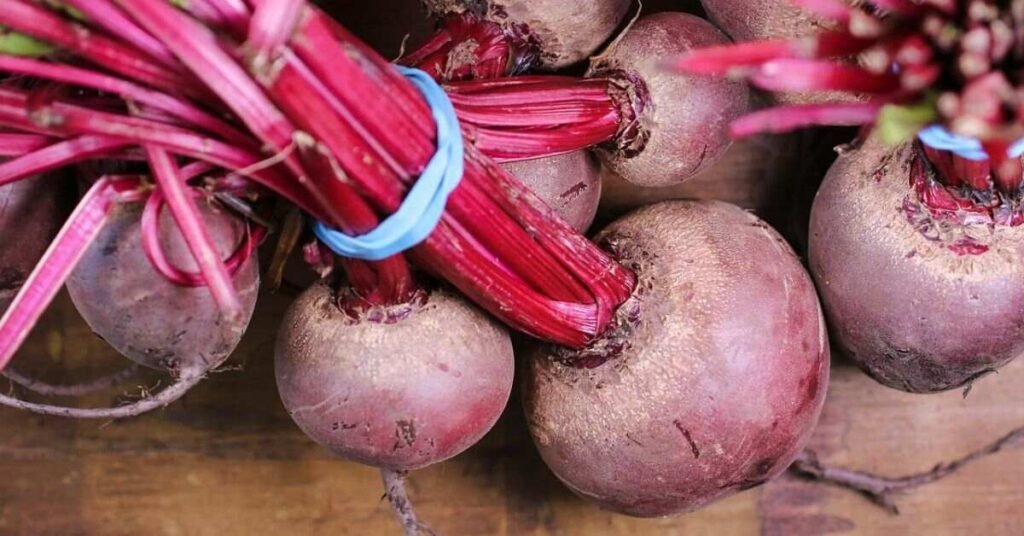
Rabbits should only get a tiny piece of beet at a time. A thin slice or a small cube is enough as an occasional treat. Feeding too much can upset their stomach or cause diarrhea. The natural sugar in beets can also make rabbits gain weight. Beets should never replace their main diet of hay and leafy greens.
It’s safest to offer beet only once or twice a week. Start with a very small piece and watch how your rabbit reacts. If droppings stay normal, it is fine. If you notice soft stools, bloating, or discomfort, stop feeding it. Giving small amounts carefully keeps your rabbit healthy and happy.
How Often Can Beets Be Given as a Treat?
Rabbits should only have beets as a rare snack. A tiny piece once a week, or at most twice, is plenty. Their bodies are built for fiber, not sugar, so too much beet can cause stomach issues or weight gain. Hay and leafy greens must stay the main part of their meals. Beets are just a little bonus, not a regular treat.
Always start with a very small bite and watch your rabbit’s reaction. Some rabbits may handle it better than others, while some may get upset easily. If their droppings stay normal and they act lively, it’s okay. But if you see soft stools, gas, or bloating, stop immediately. Rare, tiny portions keep your rabbit healthy, happy, and safe.
Can Baby Rabbits Eat Beets?
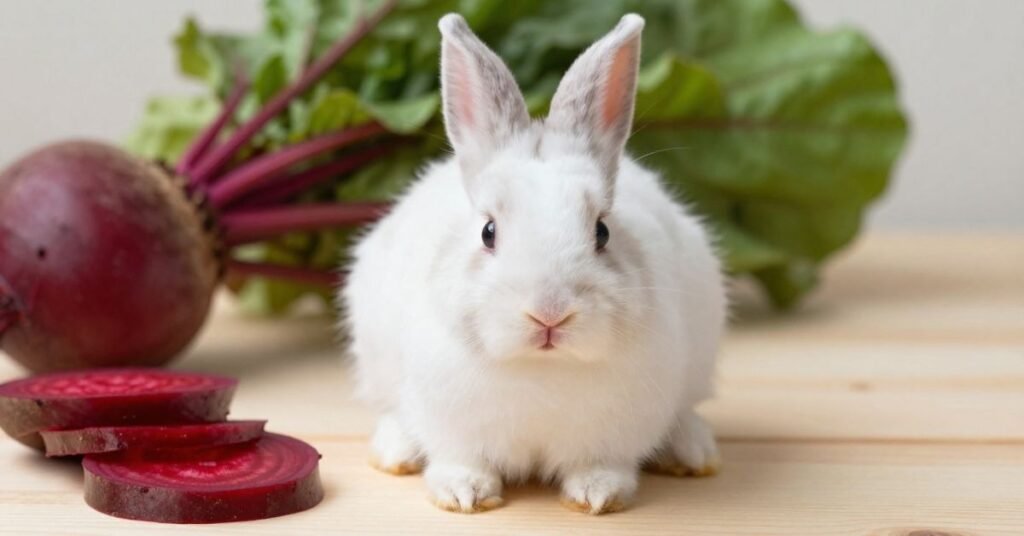
Baby rabbits should never eat beets. Their stomachs are very sensitive and cannot handle sugary foods. Even a small piece can cause diarrhea, bloating, or other digestive problems. At this stage, they should only eat hay, safe leafy greens, and mother’s milk if very young. Beets are far too strong for their delicate system.
It’s best to wait until a rabbit is fully grown before introducing beet as a treat. Even then, only a tiny slice should be given occasionally. Always watch for any changes in droppings or behavior. Keeping beets away from baby rabbits helps them grow healthy, strong, and safe.
Why Young Rabbits Should Avoid Sugary Vegetables
Young rabbits have very delicate stomachs. Foods high in sugar, like beets, can upset their digestion quickly. Diarrhea, bloating, and soft stools are common problems. Their bodies are not ready to handle extra sugar. Hay and safe leafy greens are the best foods for them.
Sugar can also cause long-term health issues in young rabbits. Too much can lead to weight gain and gut problems later. Introducing sugary vegetables too early can make them sick. It’s safer to wait until they are older before offering treats. Limiting sugar keeps young rabbits healthy and growing strong.
Safe Diet for Growing Rabbits
Growing rabbits need foods that support healthy digestion and strong bones. Hay should be their main food every day. It provides fiber to keep their gut moving properly. Fresh leafy greens are also important. They give vitamins and minerals needed for growth. Sugary vegetables, like beets, should be avoided until the rabbit is older. Treats should be rare and very small.
A safe diet helps young rabbits develop properly. Clean water should always be available. Gradually introducing new foods is important to avoid digestive problems. Observing droppings and behavior ensures they are healthy.
| Food Type | Examples | Benefits | Feeding Notes |
| Hay | Timothy, Orchard, Meadow | High fiber, supports digestion | Unlimited daily |
| Leafy Greens | Romaine, Kale, Spinach (small amounts) | Vitamins and minerals | Introduce gradually |
| Fresh Herbs | Parsley, Cilantro, Basil | Extra nutrients, safe treat | Small portions |
| Pellets | High-fiber rabbit pellets | Balanced nutrition | Feed according to age and weight |
| Water | Fresh, clean water | Hydration | Always available |
| Treats | Tiny pieces of carrot, apple (rare) | Occasional enjoyment | Limit to very small portions |
| Sugary Veggies | Beets, sweet potato | Can upset stomach | Avoid until fully grown |
| Flowers | Dandelion, Clover | Safe and nutritious | Moderate amounts |
What Happens If a Rabbit Eats Too Many Beets?
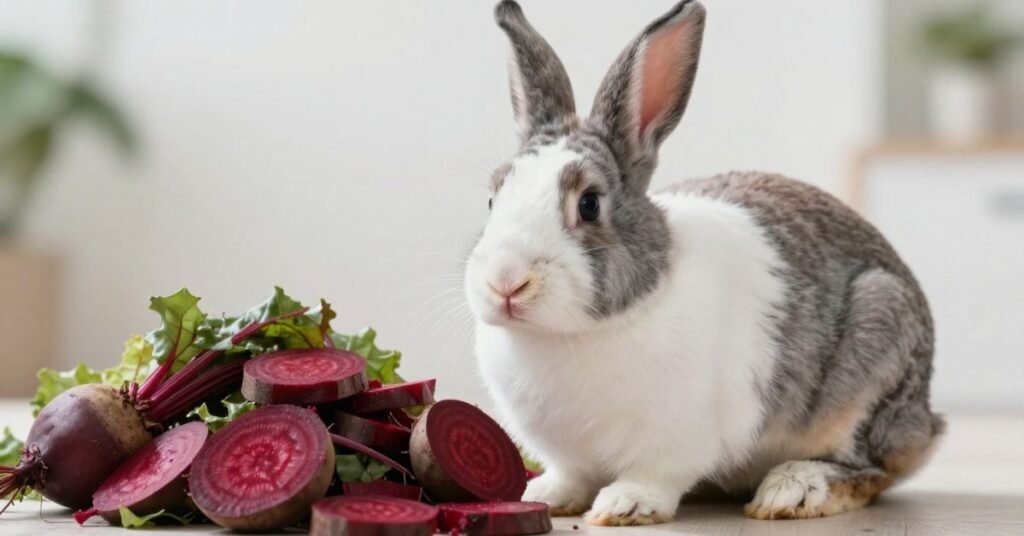
Eating too many beets can upset a rabbit’s stomach. The high sugar content can cause diarrhea, gas, and bloating. Their digestive system is sensitive, and too much sugar can throw it off balance. Overfeeding beets can also lead to weight gain over time.
Rabbits may become less active if they eat too many beets. Soft or irregular droppings are a common sign of trouble. In severe cases, digestive upset can become serious. That is why beets should always be given in very small amounts. Moderation keeps rabbits healthy and happy.
Symptoms of Overfeeding
If a rabbit eats too many beets, it can show signs of digestive problems. Their stomach may become upset, causing soft or runny droppings. Gas and bloating are also common. Rabbits may seem less active or uncomfortable.
Other signs of overfeeding sugary foods include changes in appetite and behavior. It is important to notice these early.
Common symptoms of overfeeding beets:
- Soft or watery droppings
- Bloating or a swollen belly
- Gas or flatulence
- Reduced activity or lethargy
- Loss of appetite
- Irritability or unusual behavior
Healthier Alternatives to Beets for Rabbits
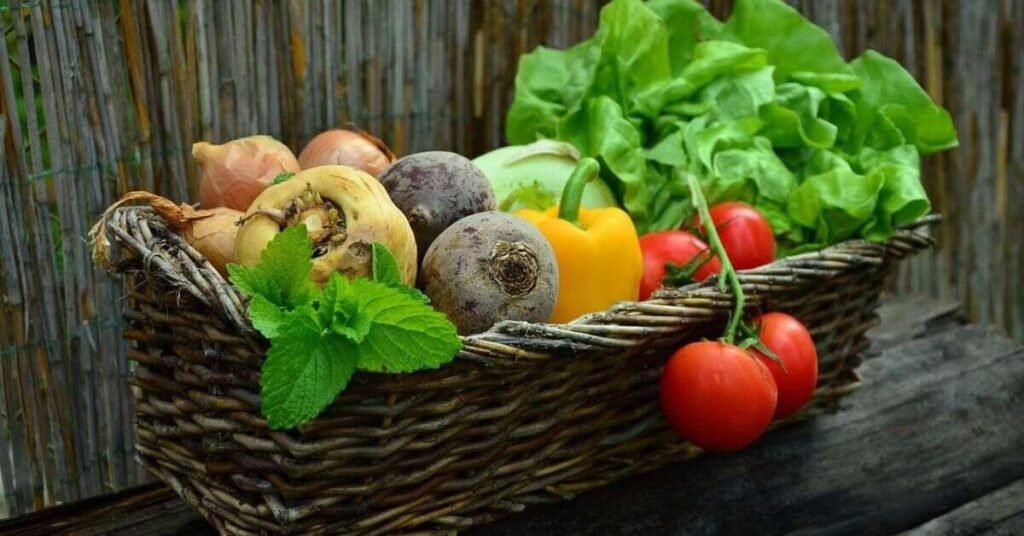
While beets can be given as a rare treat, there are safer options for rabbits. Leafy greens and herbs provide essential nutrients without the high sugar. These foods are easier on a rabbit’s digestive system. They also help maintain healthy teeth and gut function.
Giving a variety of safe vegetables ensures your rabbit stays healthy and happy. Treats should always be small and occasional.
Healthier alternatives to beets:
- Romaine lettuce
- Kale (in moderation)
- Spinach (small amounts)
- Parsley
- Cilantro
- Dandelion leaves
- Clover leaves
- Carrot tops
- Swiss chard (small portions)
Conclusion
Rabbits can eat beets, but only in very small amounts. Beets are safe, but they have a lot of natural sugar. Too much can upset their stomach or cause weight gain. Treats like beets should never replace hay or leafy greens.
Baby rabbits should avoid beets completely. Their digestive systems are very sensitive. Even a tiny piece can cause diarrhea or bloating. It’s better to wait until they are fully grown before offering any sugary vegetables.
Always introduce new foods slowly. Give a tiny slice first and watch your rabbit carefully. If their droppings stay normal and they act healthy, the portion is usually safe. If you see soft stools or bloating, stop feeding beets immediately.
There are safer alternatives to beets for rabbits. Leafy greens and herbs provide nutrients without high sugar. Treats should always be occasional and small. Following these tips keeps your rabbit happy, healthy, and safe.
FAQs
1. Can rabbits eat beet root?
Yes, rabbits can eat beet root, but only in very small amounts. The root is high in sugar, so too much can cause digestive problems or weight gain. Give it as a rare treat, not a regular food.
2. Are beet greens safe for rabbits?
Yes, beet greens are safer than the root. They contain more fiber and fewer sugars, which makes them easier on a rabbit’s stomach. Feed them in small portions alongside hay and leafy greens.
3. Can baby rabbits eat beets?
No, baby rabbits should avoid beets. Their digestive system is delicate, and even a small piece can cause diarrhea or bloating. Wait until they are fully grown before giving sugary vegetables.
4. How often can rabbits have beets?
Rabbits should only have beets once or twice a week at most. A tiny slice is enough as an occasional treat. Too much sugar can upset digestion or lead to weight gain.
5. What are healthier alternatives to beets?
Leafy greens and herbs are better options. Romaine lettuce, parsley, cilantro, dandelion leaves, and carrot tops are nutritious and low in sugar. These foods can be fed more safely and regularly.
