

Introduction
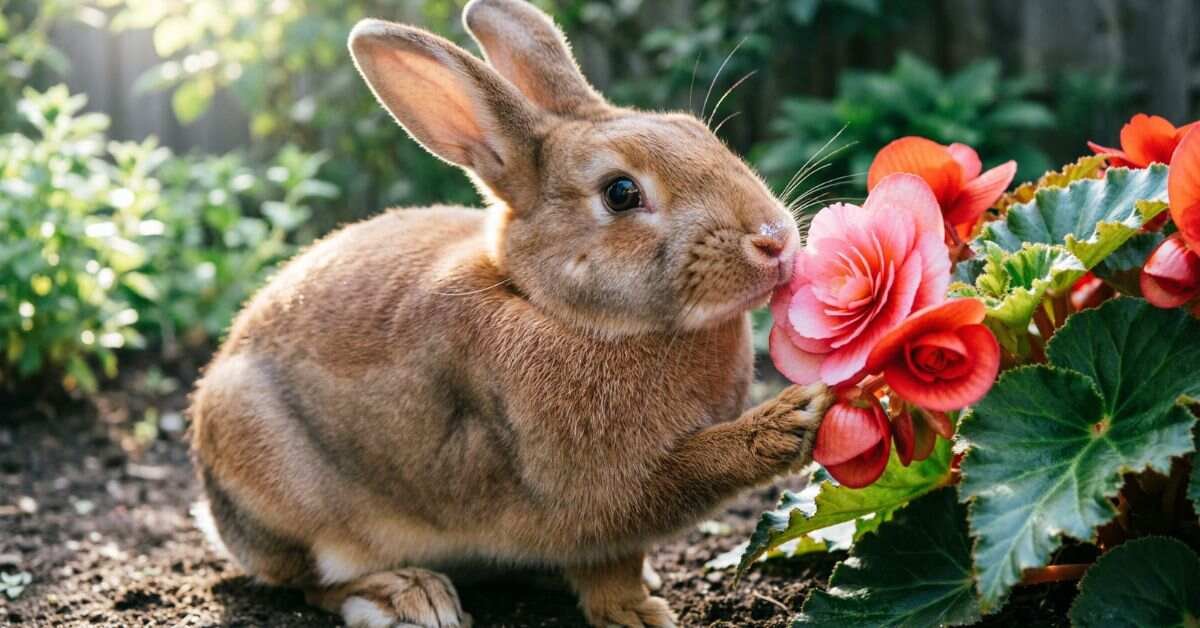
Begonias are colorful flowering plants that many people grow in gardens and pots. They are known for their bright blooms and soft leaves. Rabbits are small plant-eating animals that often visit yards looking for food. Many garden owners wonder, do rabbits eat begonias or leave them alone?
If you have seen bite marks on your flowers, you may already be worried. Rabbits can quietly enter a garden at night and chew on tender plants. It can be frustrating to wake up and find your hard work damaged. This makes the question do rabbits eat begonias even more important.
The truth is that rabbits may nibble on begonias, especially when food is limited. However, begonias are not always their first choice. In this guide, you will learn whether begonias attract rabbits and how to protect your plants from damage.
Do Rabbits Eat Begonias?
Rabbits eat many types of plants in gardens. They like soft leaves, fresh shoots, and young flowers. Because begonias have tender leaves, some rabbits may try to nibble on them. So the answer to do rabbits eat begonias is sometimes yes.
However, begonias are not usually a rabbit’s favorite food. Many rabbits avoid them because the plant has a slightly bitter taste. If there are tastier plants nearby, rabbits will often choose those instead. But when food is limited, rabbits may still eat begonias in your garden.
Why Rabbits Are Attracted to Garden Plants
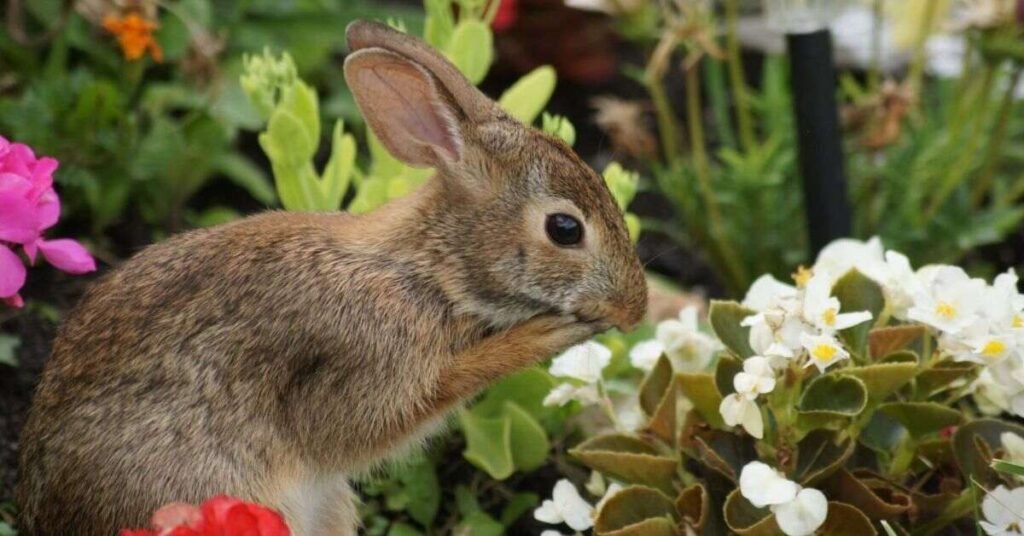
Rabbits often visit gardens because they are looking for food. Garden plants are fresh, soft, and easy to eat. Many plants have tender leaves and young shoots that rabbits enjoy. This makes a garden a perfect feeding place for them.
Gardens also give rabbits a safe place to hide. Bushes, flowers, and tall plants provide cover from predators. If food and shelter are both available, rabbits will keep coming back. This is why they are often seen eating different plants in home gardens.
Are Begonias Safe or Toxic for Rabbits?
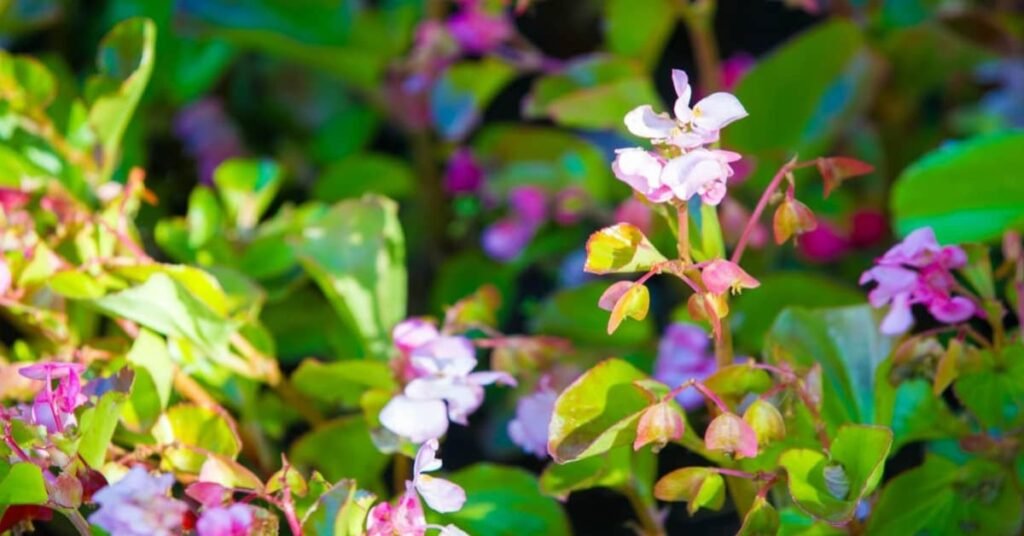
Begonias are not safe for rabbits to eat. These plants contain natural chemicals that can be harmful to small animals. The highest level of these substances is found in the roots and tubers. If a rabbit eats a large amount, it may cause health problems.
In many cases, rabbits avoid begonias because of their bitter taste. However, a curious rabbit may still nibble on the leaves or flowers. Eating a small bite may cause mild stomach upset. Larger amounts can lead to vomiting, drooling, or weakness. This is why garden owners should be careful if rabbits visit their yard.
| Plant Part | Is It Safe for Rabbits? | Possible Risk Level | What Can Happen if Eaten | Notes for Garden Owners |
| Begonia Leaves | Not fully safe | Mild to Moderate | Stomach upset, drooling, loss of appetite | Rabbits may nibble soft leaves |
| Begonia Flowers | Not recommended | Mild | Digestive discomfort in some rabbits | Bright flowers may attract curious rabbits |
| Begonia Stems | Not safe | Moderate | Irritation in the mouth and stomach | Some rabbits chew stems while feeding |
| Begonia Roots / Tubers | Toxic | High | Vomiting, weakness, serious digestive issues | This part contains the highest toxin level |
| Whole Begonia Plant | Unsafe for regular eating | Moderate to High | Health problems if large amounts are eaten | Best to keep rabbits away from these plants |
| Begonias in Garden Beds | Risky if rabbits roam | Moderate | Rabbits may chew parts of the plant | Use fencing or garden protection |
| Begonias in Pots | Slightly safer | Low to Moderate | Rabbits may still reach low pots | Keep pots on higher surfaces if rabbits are nearby |
Toxic Compounds Found in Begonia Plant
Begonia plants contain natural chemicals that can be harmful to rabbits. These substances help protect the plant from animals and insects. The highest amount is usually found in the roots and tubers. If a rabbit eats these parts, it may feel sick.
Most rabbits avoid begonias because of their taste. Still, a curious rabbit may take a small bite. Even a small amount can irritate the mouth or stomach. That is why garden owners should know about the toxic compounds in this plant.
Common harmful compounds in begonia plants include:
- Calcium oxalates : Tiny crystals that can irritate the mouth and throat
- Soluble oxalates : Can upset the stomach if eaten in large amounts
- Natural plant acids : May cause mild digestive discomfort in rabbits
- Higher toxin levels in roots : The tubers contain the strongest concentration
What Happens If a Rabbit Eats Begonias?
If a rabbit eats begonias, it may feel sick. Begonia plants contain substances that can irritate a rabbit’s mouth and stomach. A small bite may only cause mild discomfort. However, eating larger amounts can lead to more noticeable problems.
A rabbit that eats begonias may show some warning signs. These symptoms can appear within a short time after eating the plant. Garden owners and pet owners should watch for changes in the rabbit’s behavior.
Common Symptoms of Begonia Poisoning in Rabbits
If a rabbit eats begonias, it may start to show some signs of discomfort. The plant contains compounds that can irritate the mouth and stomach. Symptoms can appear soon after the rabbit eats the plant. In mild cases, the rabbit may only feel a little sick.
More serious symptoms can appear if the rabbit eats a larger amount. The roots and tubers contain stronger toxins than the leaves or flowers. Pet owners should watch their rabbits closely if begonias are nearby. Quick attention can help prevent bigger health problems.
Common symptoms of begonia poisoning in rabbits include:
- Drooling or excessive saliva
- Loss of appetite
- Mouth irritation or chewing discomfort
- Stomach pain or digestive upset
- Weakness or low energy
- Swelling around the mouth in rare cases
Which Parts of the Begonia Plant Are Dangerous?
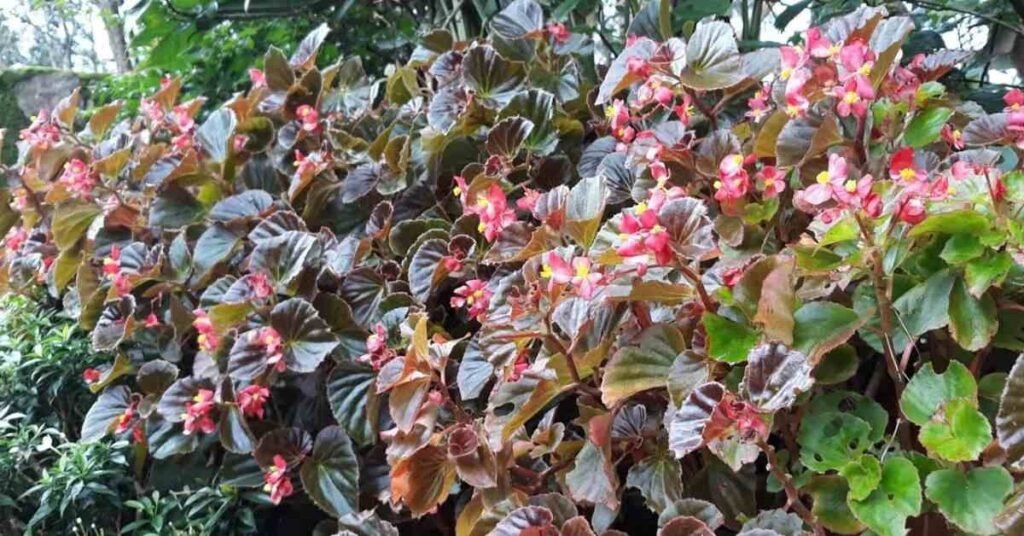
Not all parts of the begonia plant have the same level of danger. Some parts contain more harmful compounds than others. Rabbits may nibble on leaves or flowers because they are soft. However, these parts can still cause stomach upset.
The most dangerous part of the begonia plant is the root or tuber. This area contains the highest level of toxic compounds. If a rabbit digs into the soil and eats the roots, the risk becomes much higher. For this reason, it is best to keep rabbits away from the entire plant.
Leaves, Flowers, and Roots Explained
Begonia plants have different parts such as leaves, flowers, stems, and roots. Each part can affect rabbits in a different way. Rabbits may nibble on leaves or flowers because they look soft and fresh. Even though these parts are not the most toxic, they can still upset a rabbit’s stomach.
The roots are the most dangerous part of the begonia plant. They contain higher levels of harmful compounds than other parts. If a rabbit digs in the soil and eats the roots, it may become sick. For this reason, it is safer to keep rabbits away from the entire plant.
| Begonia Plant Part | Risk Level for Rabbits | Why It Can Be Harmful | Possible Effects on Rabbits | Extra Notes |
| Leaves | Low to Moderate | Contain small amounts of irritating compounds | Mild stomach upset, drooling | Rabbits may nibble tender leaves |
| Flowers | Low | Soft petals may still contain mild toxins | Digestive discomfort if eaten | Bright flowers can attract curious rabbits |
| Stems | Low to Moderate | Plant juices may irritate the mouth | Mouth irritation, mild stomach issues | Some rabbits chew stems while feeding |
| Roots | High | Highest level of toxic compounds | Vomiting, weakness, stomach pain | Most dangerous part of the plant |
| Tubers | High | Rich in calcium oxalates | Strong digestive upset | Should be kept away from rabbits |
| Whole Plant | Moderate | Different parts contain harmful substances | Various mild to serious symptoms | Best to prevent rabbits from eating any part |
How to Keep Rabbits Away From Begonias
Rabbits often visit gardens in search of fresh plants. If begonias are easy to reach, rabbits may try to nibble on them. Protecting your plants can help prevent damage. Simple garden methods can keep rabbits away from your begonias.
One good way is to place a small fence around the plants. Rabbits usually avoid areas that are hard to enter. You can also remove hiding spots like tall grass or thick bushes near the garden. Keeping the garden clean and protected makes it less attractive to rabbits.
Simple Garden Protection Tips
Protecting your begonias from rabbits does not have to be difficult. A few simple steps can help keep rabbits away from your garden. Rabbits usually look for easy food and safe hiding places. If your garden feels unsafe, they will often move somewhere else.
Small changes in your garden can make a big difference. Barriers and natural smells can help stop rabbits from coming close. Regular garden care also reduces the chance of plant damage.
Simple tips to protect your begonias:
- Use a small wire fence around your flower bed
- Place plant pots on higher stands or shelves
- Remove tall grass and thick bushes near the garden
- Use natural rabbit repellents like garlic or strong-smelling sprays
- Cover young plants with garden netting
- Check your garden often for rabbit bite marks or tracks
Rabbit-Safe Plants You Can Grow Instead
Some plants are less attractive to rabbits and can be safer for your garden. Rabbits usually avoid plants with strong smells or rough leaves. Choosing these plants can help reduce the chance of rabbits eating your flowers. Many of these plants also add color and beauty to your garden.
Growing rabbit-resistant plants is a smart way to protect your garden. While no plant is completely rabbit-proof, some are rarely eaten by rabbits. These plants make it harder for rabbits to find food in your yard. As a result, they may visit your garden less often.
Vegetables and Flowers That Are Safe for Rabbits
Some vegetables and flowers are safe for rabbits to eat. These plants do not contain harmful chemicals. Many rabbit owners grow them in gardens for both beauty and food. They can be a better choice than plants that may be toxic.
Rabbits enjoy fresh, leafy plants with natural nutrients. However, even safe plants should be given in small amounts. A balanced diet with hay and grass is still very important for rabbits. Growing safe plants can help keep rabbits healthy and your garden useful.
| Plant Name | Plant Type | Safe for Rabbits | Nutritional Benefit | Feeding Notes |
| Carrot Tops | Vegetable | Yes | Rich in vitamins and fiber | Feed in small portions |
| Lettuce (Romaine) | Vegetable | Yes | Contains water and nutrients | Avoid iceberg lettuce |
| Basil | Herb | Yes | Contains antioxidants | Offer as a treat |
| Cilantro | Herb | Yes | Supports digestion | Rabbits often enjoy the taste |
| Parsley | Herb | Yes | High in vitamins A and C | Feed in moderation |
| Spinach | Leafy Vegetable | Yes (limited) | Contains iron and nutrients | Too much may upset digestion |
| Marigold | Flower | Generally safe | Natural plant nutrients | Some rabbits may nibble petals |
| Dandelion | Wild Flower | Yes | Very nutritious and high in fiber | A common natural rabbit food |
| Clover | Ground Plant | Yes | Good natural forage plant | Often eaten by wild rabbits |
| Mint | Herb | Yes | Fresh smell and mild nutrients | Rabbits may enjoy the flavor |
| Thyme | Herb | Yes | Contains natural plant oils | Feed occasionally |
| Dill | Herb | Yes | Supports healthy digestion | Offer as a small treat |
What to Do If Your Rabbit Eats Begonias
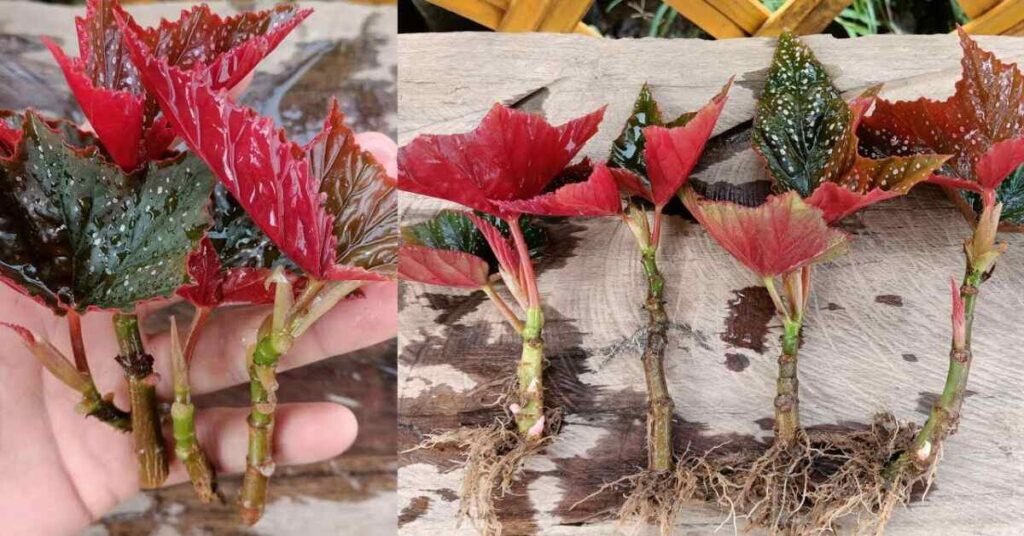
If your rabbit eats begonias, try to stay calm and check your pet right away. Look for signs like drooling, loss of appetite, or unusual behavior. Sometimes a small bite may only cause mild discomfort. However, it is still important to watch your rabbit closely.
You should remove any begonia plants from your rabbit’s reach. Make sure your rabbit has fresh water and plenty of hay to eat. If symptoms appear or your rabbit looks weak, contact a veterinarian as soon as possible. Quick care can help keep your rabbit safe.
Steps you can take:
- Remove the begonia plant from the area
- Check your rabbit for unusual symptoms
- Provide fresh water and hay
- Keep your rabbit calm and comfortable
- Call a veterinarian if symptoms appear or worsen
When to Contact a Veterinarian
If your rabbit has eaten begonias, watch your pet carefully for any unusual behavior. Some rabbits may start to drool or refuse food. Others may look tired or sit quietly for a long time. These small changes can be early warning signs that something is wrong.
You should contact a veterinarian if the symptoms do not improve or start getting worse. Quick medical advice can help protect your rabbit’s health. A vet can examine your rabbit and suggest the right care. Getting help early is always the safest choice for your pet.
Conclusion
Begonias are beautiful plants that many people grow in their gardens. However, they are not a safe food for rabbits. These plants contain compounds that can irritate a rabbit’s mouth and stomach. Because of this, rabbits should not eat begonias.
Some rabbits may still nibble on begonias if they find them in the garden. A small bite may cause mild discomfort, but larger amounts can be harmful. The roots are the most dangerous part of the plant. Garden owners should try to keep rabbits away from begonias.
Protecting your garden is important if rabbits visit your yard. Simple steps like fences, garden netting, and removing hiding spots can help. You can also grow plants that are safer and less attractive to rabbits. This helps keep both your plants and rabbits safe.
If your rabbit eats begonias, watch for any unusual symptoms. Contact a veterinarian if your rabbit shows signs of illness. Quick action can prevent serious problems. With the right care and awareness, you can keep your rabbit healthy and your garden protected.
FAQs
1. Do rabbits eat begonias in the garden?
Rabbits may nibble on begonias if they find them in the garden. However, begonias are not their favorite food. The plant has a bitter taste that many rabbits avoid. Still, hungry rabbits might eat small parts of the plant.
2. Are begonias poisonous to rabbits?
Yes, begonias can be harmful to rabbits. The plant contains compounds that may irritate a rabbit’s mouth and stomach. The roots and tubers are the most toxic parts. It is best to keep rabbits away from these plants.
3. What happens if a rabbit eats begonia leaves?
If a rabbit eats begonia leaves, it may feel mild stomach discomfort. Some rabbits may drool or lose their appetite. In small amounts, symptoms are usually mild. However, eating larger amounts can cause more serious problems.
4. How can I stop rabbits from eating my begonias?
You can protect begonias by using small garden fences or netting. Removing hiding places like tall grass also helps. Some gardeners use natural rabbit repellents. These steps make your garden less attractive to rabbits.
5. Are there plants safer than begonias for rabbits?
Yes, many plants are safer for rabbits. Herbs like basil, cilantro, and parsley are commonly eaten by rabbits. Dandelion and clover are also natural foods for them. These plants are better choices if rabbits visit your garden.
