


Introduction
Bears are large wild animals. They are known as omnivores. This means they eat both plants and meat. Rabbits are small herbivores. They eat grass, leaves, and vegetables. In nature, animals often hunt or get hunted. So, it is natural to ask if bears eat rabbits.
You might think bears only eat fish or berries. But their diet is more flexible than that. Bears will eat what they can find easily. This can include small animals. So, could a rabbit become a quick meal for a bear? The answer might surprise you.
In this article, we will explore if bears really eat rabbits. We will look at how bears hunt and what they prefer to eat. You will also learn how rabbits fit into the wild food chain. This will help you understand nature in a simple way.
Do Bears Eat Rabbits?
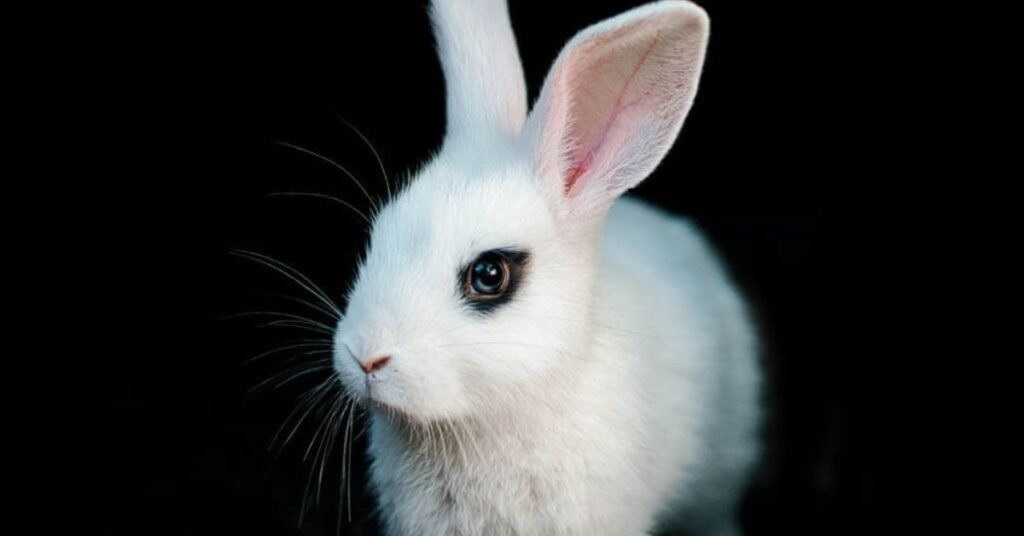
Yes, bears can eat rabbits. Bears are opportunistic feeders. This means they eat what is easy to catch. Rabbits are small and fast, but they can still become prey. If a bear finds a rabbit and gets the chance, it may eat it. However, rabbits are not a main food source for bears.
Bears usually prefer easier foods. They often eat berries, fish, insects, and plants. Hunting rabbits takes effort and speed. So, bears do not chase them often. Still, in the wild, anything can happen. If food is scarce, a bear may hunt small animals like rabbits.
Are Rabbits Part of a Bear’s Natural Diet?
Rabbits are not a main part of a bear’s natural diet. Bears mostly eat plants, fruits, and insects. They also eat fish when it is easy to catch. Small animals like rabbits are only eaten sometimes. This usually happens when other food is hard to find.
Bears prefer foods that need less effort. Rabbits are fast and alert. So, they are not an easy meal. Still, rabbits can be part of a bear’s diet in some situations:
- When food is scarce in the wild
- When a bear finds a weak or injured rabbit
- When a rabbit is easy to catch by chance
- When young bears are learning to hunt
Which Types of Bears Are Most Likely to Eat Rabbits?
Not all bears eat the same food. Some bears are more likely to eat rabbits than others. Bears that live in forests or grasslands may see rabbits more often. These bears have more chances to catch small animals. Still, rabbits are not their main food.
Black bears are the most likely to eat rabbits. They are very adaptable and eat many things. Brown bears may also eat rabbits, but they prefer fish and larger prey. Polar bears almost never eat rabbits because they live in icy areas where rabbits are rare. Here is a simple table to understand better:
| Bear Type | Habitat | Likelihood of Eating Rabbits | Main Diet | Notes |
| Black Bear | Forests, mountains | High | Fruits, insects, small animals | Most flexible diet |
| Brown Bear | Forests, rivers | Medium | Fish, plants, large animals | Eats rabbits if available |
| Grizzly Bear | North America | Medium | Fish, berries, meat | Similar to brown bears |
| Polar Bear | Arctic regions | Very Low | Seals, marine animals | Rabbits rarely found in habitat |
| Asian Black Bear | Forests in Asia | Medium | Fruits, insects, small animals | May eat rabbits sometimes |
What Do Bears Usually Eat in the Wild?
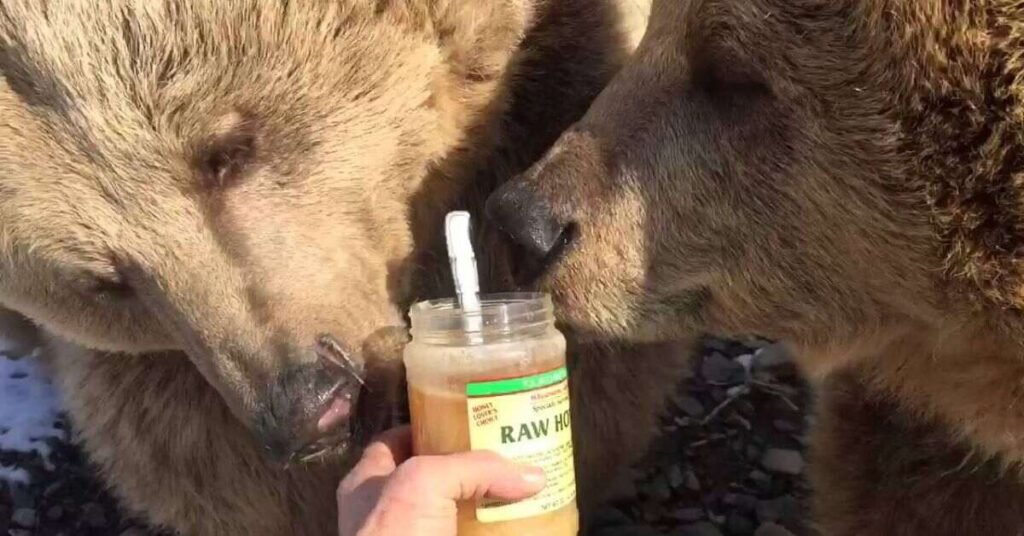
Bears eat many kinds of food in the wild. They are omnivores, so they eat both plants and animals. Most of their diet comes from plants. They like berries, grass, roots, and nuts. These foods are easy to find and give them energy.
Bears also eat animal food when they can. They catch fish like salmon and eat insects such as ants. Sometimes, they eat small animals or dead animals. Bigger bears may hunt larger prey if needed. Their diet changes with the season and what food is available.
Omnivore Diet of Bears Explained
Bears are called omnivores. This means they eat both plants and animals. Most of the time, they choose plant foods. They eat berries, leaves, roots, and nuts. These foods are easy to find in their habitat. Plants also give them energy for daily life.
Bears also eat animal food when they can. They catch fish, eat insects, and sometimes hunt small animals. This gives them protein and strength. They do not hunt all the time because it takes effort. So, they eat what is easy and available. This flexible diet helps bears survive in the wild.
How Bears Hunt Small Animals Like Rabbits
Bears do not rely on speed to catch small animals. Instead, they depend on patience and timing. A bear may move slowly and stay quiet in its area. It watches for any movement in the grass or bushes. When a rabbit comes close, the bear may make a sudden and powerful grab. This quick action can sometimes catch the rabbit off guard.
Bears also use their strong nose to track animals. They can smell rabbits even when they are hidden. If a rabbit is injured or not paying attention, it becomes an easier target. Bears do not chase for long distances. They prefer short and easy chances. This is why catching rabbits happens only once in a while.
Do Bears Actively Hunt or Eat Rabbits Opportunistically?
Bears usually do not actively hunt rabbits. They are not built for chasing fast animals. Instead, they prefer slow and easy food. Most of the time, bears eat rabbits only when they get a good chance. This is called opportunistic feeding. It means they take advantage of what is available.
If a rabbit comes too close or is weak, a bear may catch it. Bears save their energy and avoid long chases. They focus on food that is easier to find. Rabbits become a meal only in certain situations. The table below shows the difference clearly:
| Behavior Type | What It Means | Bear’s Approach | Effort Level | Chance of Eating Rabbits | Example Situation |
| Active Hunting | Chasing and searching for prey | Rare for bears | High | Low | Bear running after fast animals |
| Opportunistic Feeding | Eating what is easily available | Common for bears | Low | Medium | Rabbit comes close to the bear |
| Scavenging | Eating already dead animals | Very common | Very Low | Low | Finding a dead rabbit in the wild |
| Seasonal Feeding | Eating based on food availability | Changes with seasons | Medium | Low to Medium | Less plant food, more animal intake |
Do All Bear Species Eat Rabbits?
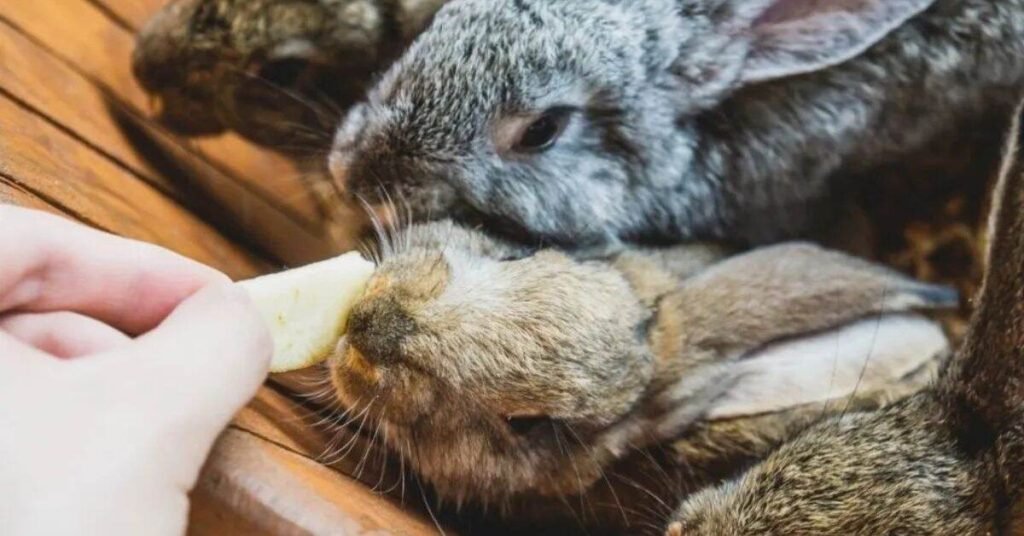
Not all bear species eat rabbits. It depends on where they live and what food is around. Bears in forests or grasslands may see rabbits more often. These bears might eat rabbits if the chance comes. But bears in icy or desert areas rarely encounter rabbits.
Some bears, like black bears, are more flexible in their diet. They can eat plants, insects, fish, and small animals like rabbits. Polar bears, on the other hand, mostly eat seals and rarely eat land animals. So, whether a bear eats rabbits depends on its species and habitat.
Black Bears vs Brown Bears Diet
Black bears and brown bears eat many similar foods. Both are omnivores, so they eat plants and animals. Black bears mostly eat fruits, nuts, and insects. They may also eat small animals like rabbits if they find them. Brown bears eat more fish and larger prey. They also eat berries and plants but hunt more actively than black bears.
Here is a table comparing their diets clearly:
| Bear Type | Habitat | Main Plant Foods | Main Animal Foods | Likelihood of Eating Rabbits | Notes |
| Black Bear | Forests, mountains | Berries, nuts, roots, grass | Insects, small animals | Medium | Very flexible diet, adapts to available food |
| Brown Bear | Forests, rivers | Berries, roots, herbs | Fish, small to large prey | Low to Medium | Prefers larger prey and fish; rabbits eaten occasionally |
| Grizzly Bear | North America | Berries, plants | Fish, large mammals | Low | Similar to brown bears, hunts more actively |
| Polar Bear | Arctic | Very few plants | Seals, marine animals | Very Low | Rabbits rarely found in habitat |
Polar Bears and Small Prey
Polar bears mostly live in the Arctic. They eat seals and other marine animals. Land animals like rabbits are very rare in their habitat. So, polar bears almost never eat small prey. Their diet is mostly focused on high-fat animals to survive the cold.
Here is a table showing polar bears and small prey:
| Bear Type | Habitat | Main Foods | Small Prey Likelihood | Notes |
| Polar Bear | Arctic regions | Seals, fish, whales | Very Low | Rabbits and other land animals are rare |
| Brown Bear | Forests, rivers | Fish, berries, plants | Low | May eat small animals like rabbits |
| Black Bear | Forests, mountains | Berries, nuts, insects, plants | Medium | Opportunistic; may eat small animals |
| Grizzly Bear | North America | Fish, berries, large mammals | Low | Eats small prey occasionally |
When Are Rabbits Most at Risk From Bears?
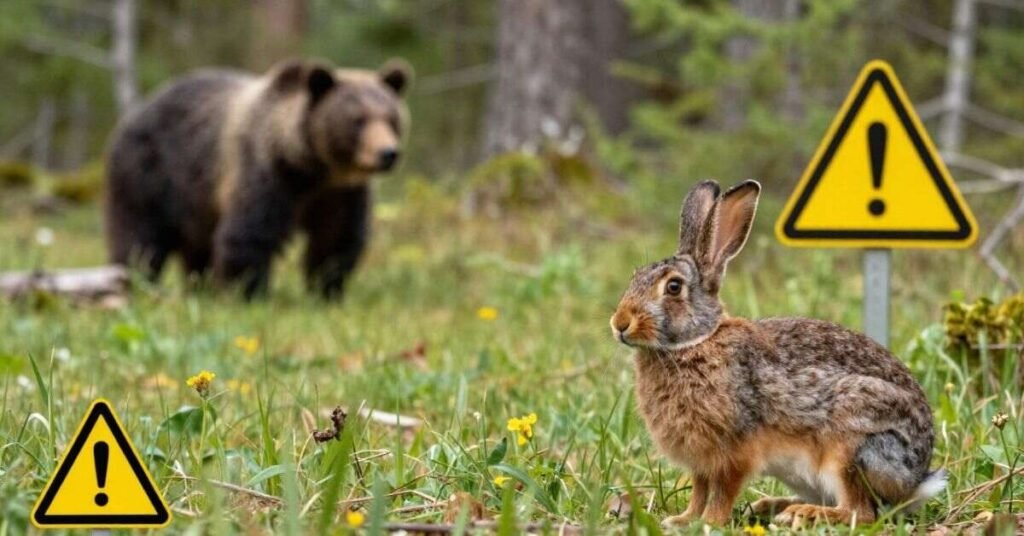
Rabbits are most at risk when bears are nearby and food is scarce. Bears may look for easy meals during these times. Young or weak rabbits are more likely to be caught. Rabbits that wander into open areas or near bear habitats face higher danger.
Other situations that increase risk include:
- When bears are learning to hunt and explore new foods
- During spring or fall, when natural food sources are limited
- When rabbits are injured, sick, or distracted
- Near rivers or streams where bears hunt for fish but may notice rabbits
Seasonal Hunting Patterns
Bears change their eating habits with the seasons. In spring, fresh plants are scarce. Bears may eat more small animals, including rabbits, if they get the chance. Summer and fall bring berries, nuts, and other plants. Bears focus more on these foods during this time.
Some key seasonal hunting patterns include:
- Spring: More opportunistic hunting of small animals like rabbits
- Summer: Mainly plant-based diet, less hunting of small prey
- Fall: Eating high-energy foods to prepare for winter, occasional small animals
- Winter (Hibernation): Minimal hunting, bears rely on stored fat
Habitat Overlap Between Bears and Rabbits
Bears and rabbits live in different types of habitats, but some areas overlap. Forests, grasslands, and river valleys are common places where both can be found. In these areas, bears may come across rabbits while searching for food. The overlap increases the chance of opportunistic hunting.
Here is a table showing habitat overlap:
| Bear Type | Common Habitat | Rabbit Presence | Overlap Likelihood | Notes |
| Black Bear | Forests, mountains | High | Medium-High | Rabbits often share forests and meadows |
| Brown Bear | Forests, rivers, grasslands | Medium | Medium | May encounter rabbits near rivers or fields |
| Grizzly Bear | North American forests | Medium | Medium | Overlap occurs in forested or meadow areas |
| Polar Bear | Arctic tundra, sea ice | Very Low | Very Low | Rabbits rarely found in Arctic regions |
| Asian Black Bear | Forests in Asia | Medium-High | Medium-High | Forest overlap with rabbits is possible |
Conclusion
Do bears eat rabbits? Bears are omnivores. They eat plants, fruits, insects, and sometimes animals. Rabbits are small and fast, so they are not a main food source. Bears eat rabbits only when it is easy or necessary.
Not all bears eat rabbits. Black bears are the most likely to eat them. Brown bears may eat rabbits occasionally. Polar bears almost never eat rabbits because of their icy habitat. Habitat and food availability affect what bears eat.
Rabbits are most at risk when food is scarce or when they are weak or young. Seasonal changes also affect bear hunting habits. In spring, bears may eat more small animals like rabbits. In summer and fall, they focus more on plants and berries.
Overall, do bears eat rabbits? Only sometimes. Bears mostly eat what is easy to find. Understanding bears’ diet helps us learn about wildlife. It also shows how animals survive in nature.
FAQs
1. Do bears eat rabbits often?
Bears usually do not eat rabbits often. Rabbits are small and fast, making them hard to catch. Bears prefer plants, berries, fish, and insects. Rabbits are only eaten when food is scarce or easy to catch.
2. Which bears are most likely to eat rabbits?
Black bears are the most likely to eat rabbits. Brown bears may eat them occasionally. Polar bears almost never eat rabbits because they live in icy areas without rabbits. Habitat and food availability affect this.
3. Are rabbits a natural part of a bear’s diet?
Rabbits are not a main part of a bear’s diet. Bears mostly eat plants and larger, easier-to-catch animals. Rabbits are eaten opportunistically, meaning only when the chance arises.
4. When are rabbits at risk from bears?
Rabbits are at risk when bears are nearby and other food is scarce. Young, weak, or injured rabbits face higher danger. Seasonal changes, like spring, can also increase risk when bears eat more small animals.
5. Do all bear species eat rabbits?
No, not all bear species eat rabbits. Black bears may eat them occasionally. Brown bears eat them rarely. Polar bears almost never eat rabbits because their icy habitat lacks them.
