

Introduction
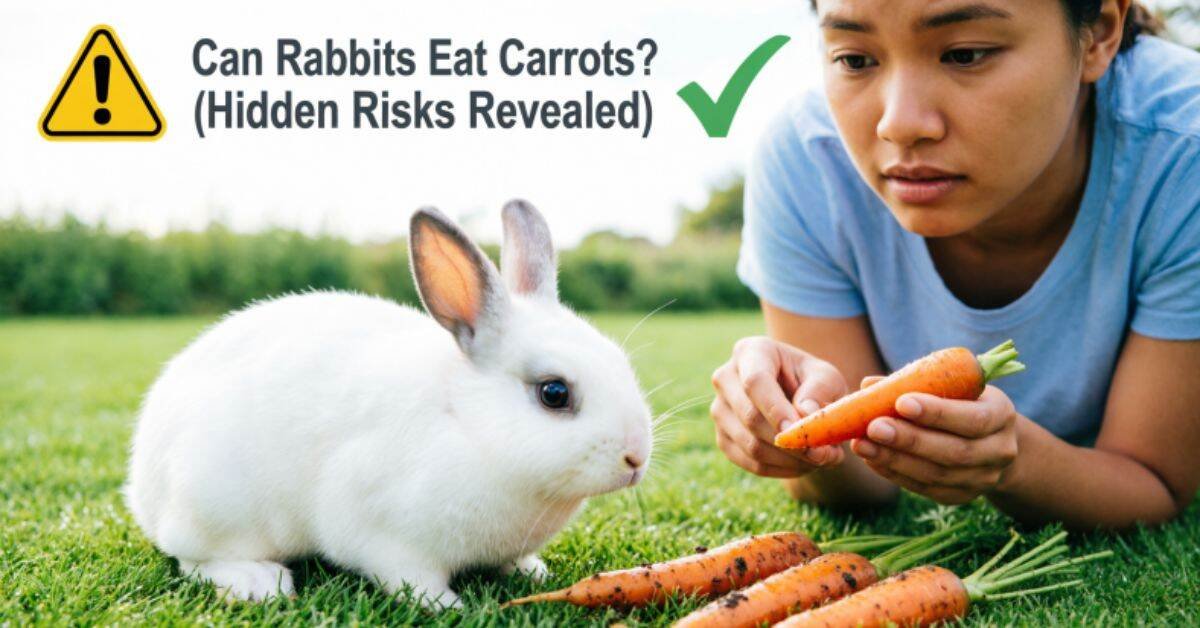
Rabbits are herbivores. They eat plants, hay, and fresh greens. Many people think carrots are a main food for rabbits. This idea comes from cartoons and common myths. In reality, carrots are not a daily food for rabbits.
You might be surprised to learn this. Carrots are actually high in sugar. Too much sugar can harm your rabbit’s health. So, can rabbits eat carrots safely? The answer is not as simple as yes or no.
Carrots can be given, but only in small amounts. They should be treated like a snack, not a regular meal. A balanced rabbit diet mostly includes hay, fresh grass, and leafy greens. Knowing the right way to feed carrots can help keep your rabbit healthy and happy.
Can Rabbits Eat Carrots Safely?
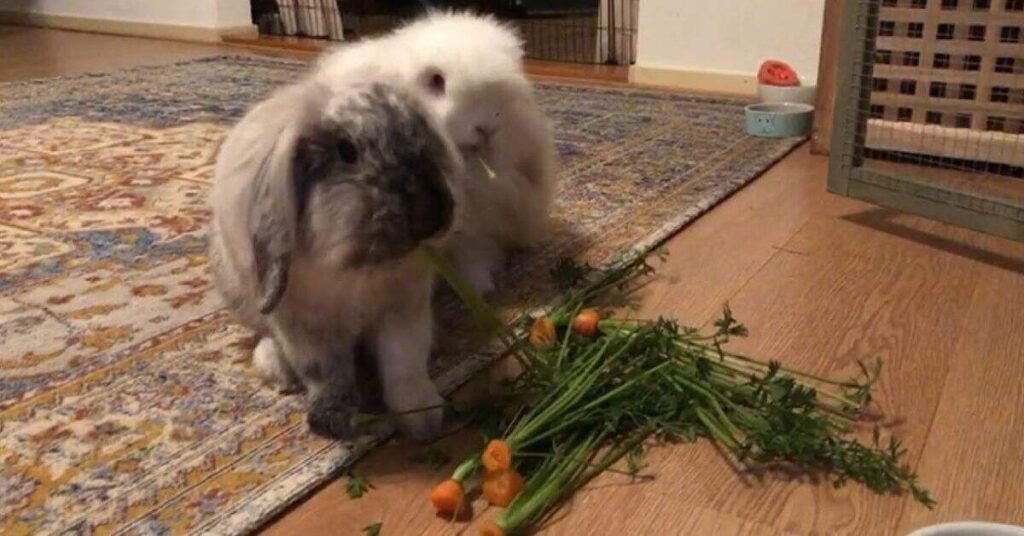
Rabbits can eat carrots, but they need to be careful with them. Carrots are safe, yet they contain a lot of natural sugar. Eating too many can cause stomach problems or make your rabbit gain weight. That is why carrots should not be part of their daily diet.
Give only a small piece as a treat once in a while. Make sure the carrot is clean and cut into tiny bites. This helps your rabbit eat it easily and safely. A healthy rabbit diet should always focus on hay, fresh greens, and clean water. Carrots are just a little extra, not the main food.
Are Carrots Good or Bad for Rabbits?
Carrots can be helpful, but only in small amounts. They have some vitamins that support your rabbit’s health. Many rabbits love the sweet flavor, so they get excited to eat them. But this sweetness is also the problem, because carrots contain a lot of natural sugar.
If rabbits eat too many carrots, it can lead to health issues. They may gain weight or have an upset stomach. That is why carrots should be given as a rare treat. The main diet should always be hay, fresh greens, and clean water to keep your rabbit strong and healthy.
| Factor | Good Side of Carrots | Bad Side of Carrots |
| Flavor | Very tasty and enjoyable for rabbits | Can make rabbits prefer sweet foods |
| Vitamins | Provides useful nutrients like vitamin A | Not enough to replace proper greens |
| Sugar Level | Fine in very small portions | High sugar can harm health |
| Digestion | Usually safe in limited amounts | Too much may cause stomach problems |
| Weight | No issue if fed rarely | Overfeeding may lead to obesity |
| Teeth Use | Slight crunch can help chewing | Not a substitute for hay chewing |
| Feeding Routine | Works as an occasional reward | Daily feeding is not safe |
| Quantity | Small bites are best | Large chunks can be harmful |
| Diet Balance | Adds variety to meals | Cannot replace main foods |
| Overall Effect | Safe treat when controlled | Risky if given too often |
Nutritional Value of Carrots for Rabbits
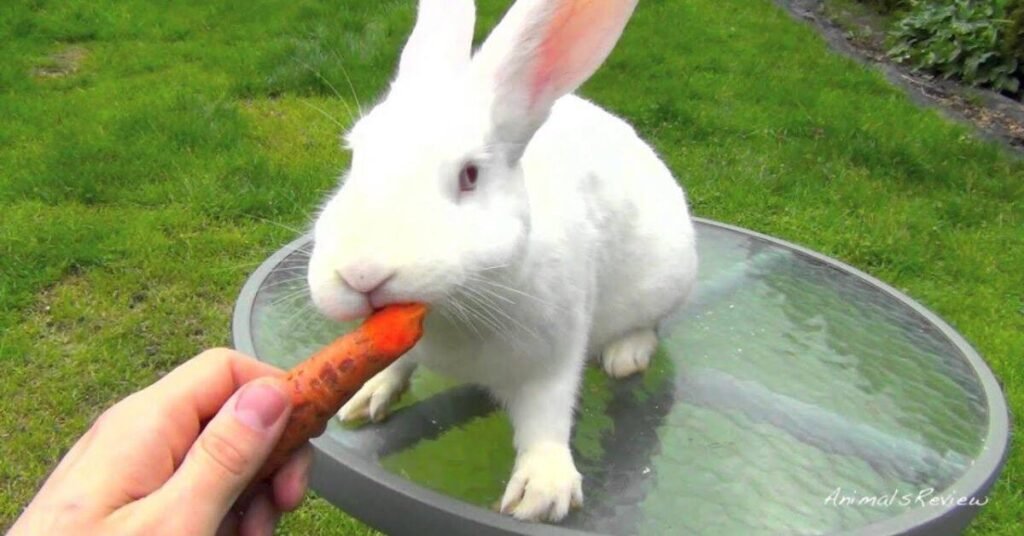
Carrots offer some useful nutrients for rabbits when given in small amounts. They are rich in vitamin A, which helps keep your rabbit’s eyes and immune system healthy. Carrots also have a bit of fiber, which supports digestion. Their crunchy texture can make them enjoyable for rabbits to chew.
But carrots are not a perfect food for daily feeding. They contain more natural sugar than most leafy greens. Too much sugar can affect your rabbit’s health over time. That is why carrots should only be a small part of the diet, while hay and fresh greens remain the main foods.
Nutrients found in carrots:
- Vitamin A for healthy eyes and immunity
- Small amount of fiber for digestion
- Natural sugars that give quick energy
- Antioxidants that support overall health
Sugar Content in Carrots and Why It Matters
Carrots contain a higher level of natural sugar compared to many other vegetables. This sweet taste is why rabbits enjoy eating them so much. However, rabbits have sensitive digestive systems. Too much sugar can disturb their gut health and lead to problems like soft stools or weight gain.
That is why sugar intake must be controlled. Carrots should only be given in small portions and not every day. A diet rich in hay and leafy greens is much safer. Keeping sugar low helps your rabbit stay healthy, active, and free from digestive issues.
| Food Type | Sugar Level | Safe for Daily Feeding | Feeding Role | Risk if Overfed |
| Hay | Very Low | Yes | Main diet | No major risk |
| Leafy Greens | Low | Yes | Daily fresh food | Minor issues if excessive |
| Carrots | Medium to High | No | Occasional treat | Weight gain, gut problems |
| Fruits (e.g. apple) | High | No | Rare treat | Digestive upset, obesity |
| Pellets (quality) | Moderate | Limited | Supplement | Weight gain if overfed |
| Carrot Tops | Low | Yes | Healthy greens option | Generally safe |
| Sugary Snacks | Very High | No | Should be avoided | Serious health risks |
| Fresh Grass | Very Low | Yes | Natural diet base | Very safe |
| Root Vegetables | Medium | Limited | Occasional variety | Digestive imbalance |
| Processed Foods | Very High | No | Not suitable | Severe health issues |
How Many Carrots Can a Rabbit Eat Per Day?
A rabbit’s body is built for simple, low-sugar foods. Carrots do not fit into their daily needs. Even though rabbits love the taste, their system cannot handle sugary foods often. The right way is to give only a very tiny portion. Just a small bite is enough to satisfy them without causing harm.
Instead of giving carrots regularly, treat them like a surprise snack. Offer a small piece once in a while, not as a habit. This keeps your rabbit excited without affecting its health. The real focus should always stay on hay, fresh leafy greens, and clean water. That is what keeps a rabbit strong and balanced.
Safe Portion Size for Baby Rabbits vs Adult Rabbits
Baby rabbits have very sensitive stomachs. Their digestive system is still growing and learning to handle food. Because of this, carrots are not a good choice for them. It is best to avoid giving carrots to baby rabbits completely. They should eat mostly mother’s milk, hay, and a small amount of pellets.
Adult rabbits can handle carrots a little better, but still in very small amounts. A thin slice once in a while is enough for them. Too much can still cause problems like weight gain or stomach upset. Keeping portions small and occasional is the safest way to feed carrots.
| Rabbit Type | Age Range | Can Eat Carrots? | Portion Size | Feeding Frequency | Main Diet Focus | Risk Level if Overfed |
| Baby Rabbits | 0–3 months | No | None | Never | Milk, hay | Very High |
| Young Rabbits | 3–6 months | Rarely | Tiny nibble | Very rare | Hay, pellets | High |
| Teen Rabbits | 6–12 months | Limited | Very small slice | Once in a while | Hay, greens | Moderate |
| Adult Rabbits | 1–5 years | Yes | 1–2 thin slices | 1–2 times per week | Hay, leafy greens | Moderate if overfed |
| Senior Rabbits | 5+ years | Yes (carefully) | Small slice | Occasionally | Soft hay, greens | Moderate to High |
| Small Breeds | Any age adult | Yes | Extra small portion | Rare | Hay, greens | Higher due to size |
| Large Breeds | Any age adult | Yes | Slightly larger slice | Rare | Hay, greens | Moderate |
| Sensitive Rabbits | Any age | Limited/No | Very tiny or none | Rare or avoid | Hay, simple greens | High |
| Overweight Rabbits | Any age | Avoid | None or very minimal | Very rare | Hay, low-calorie greens | Very High |
| Active Rabbits | Any age adult | Yes | Small controlled piece | Occasional | Hay, balanced greens | Lower if controlled |
Benefits of Feeding Carrots to Rabbits
Carrots can be a nice treat for rabbits when given in small amounts. They contain helpful nutrients like vitamin A, which supports good vision and overall health. The crunchy texture also gives rabbits something fun to chew. Many rabbits enjoy the sweet taste, which can make feeding time more exciting.
Carrots can also be useful as a reward during bonding or training. Giving a tiny piece can help build trust between you and your rabbit. But remember, carrots are not a main food. They should only be a small extra along with hay and fresh greens.
Benefits of carrots for rabbits:
- Provide vitamin A for eye and immune health
- Add variety to the diet
- Crunchy texture supports natural chewing
- Can be used as a reward or treat
- Encourage bonding with your rabbit
Vitamins and Minerals Found in Carrots
Carrots contain several important vitamins and minerals. One of the main nutrients is vitamin A, which helps keep a rabbit’s eyes healthy. They also have small amounts of vitamin K and potassium. These nutrients support body functions and overall health when given in small amounts.
Even though carrots have useful nutrients, they should not replace healthier foods like leafy greens. Rabbits need a balanced diet to stay strong. Carrots can only add a little extra nutrition as a treat. Feeding them in moderation is the best way to get benefits without risks.
| Nutrient | Found in Carrots | Benefit for Rabbits | Importance Level | Notes |
| Vitamin A | High | Supports vision and immunity | High | Main nutrient in carrots |
| Vitamin K | Moderate | Helps with blood health | Medium | Also found in leafy greens |
| Potassium | Moderate | Supports muscle and nerve function | Medium | Needed in small amounts |
| Fiber | Low to Moderate | Helps digestion | Medium | Less than hay or greens |
| Vitamin C | Low | Minor support for health | Low | Not essential for rabbits |
| Calcium | Low | Supports bone health | Low | Too much calcium not needed |
| Magnesium | Low | Helps body functions | Low | Present in small amounts |
| Antioxidants | Present | Protects cells | Medium | Supports overall wellness |
| Natural Sugars | High | Provides quick energy | Low | Should be limited |
| Water Content | Moderate | Helps hydration | Medium | Not a main water source |
Risks of Feeding Too Many Carrots to Rabbits
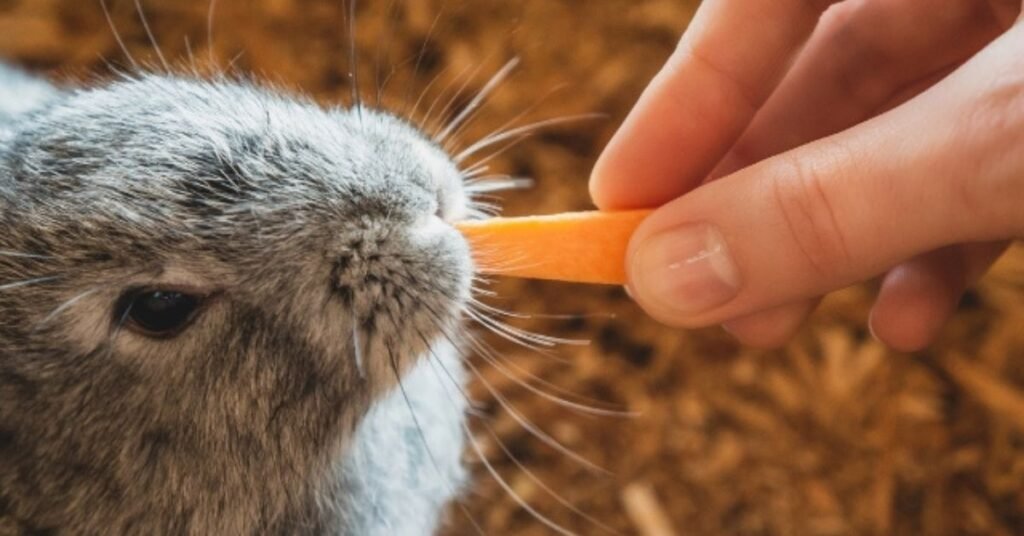
Feeding too many carrots can cause problems for rabbits. Carrots are sweet and high in natural sugar. A rabbit’s digestive system is not made for sugary foods. Eating too many can upset the stomach and lead to soft stools or gas. Over time, it can also cause weight gain.
Too many carrots can also reduce a rabbit’s interest in healthy foods. Rabbits may start refusing hay and greens because they prefer sweet treats. This can affect their teeth and overall health. A balanced diet is very important for rabbits to stay active and strong.
Risks of overfeeding carrots:
- Digestive issues like soft stools or gas
- Weight gain and possible obesity
- Less interest in hay and leafy greens
- Increased sugar intake
- Poor dental health due to less hay chewing
Can Carrots Cause Digestive Problems in Rabbits?
Yes, carrots can cause digestive problems if fed in large amounts. Rabbits have delicate stomachs and need a diet high in fiber. Too much sugar from carrots can upset their digestion. It may lead to soft stools, diarrhea, or gas. Young and sensitive rabbits are more likely to get sick from overeating carrots.
To avoid problems, feed carrots only in small portions. Always give plenty of hay and leafy greens alongside treats. Watch your rabbit after feeding to see how it reacts. Feeding in moderation keeps their gut healthy and digestion normal.
Digestive risks of carrots:
- Soft stools or diarrhea
- Gas and bloating
- Loss of appetite for hay and greens
- Stomach discomfort or pain
- Increased risk for young or sensitive rabbits
Can Rabbits Eat Carrot Tops and Leaves?
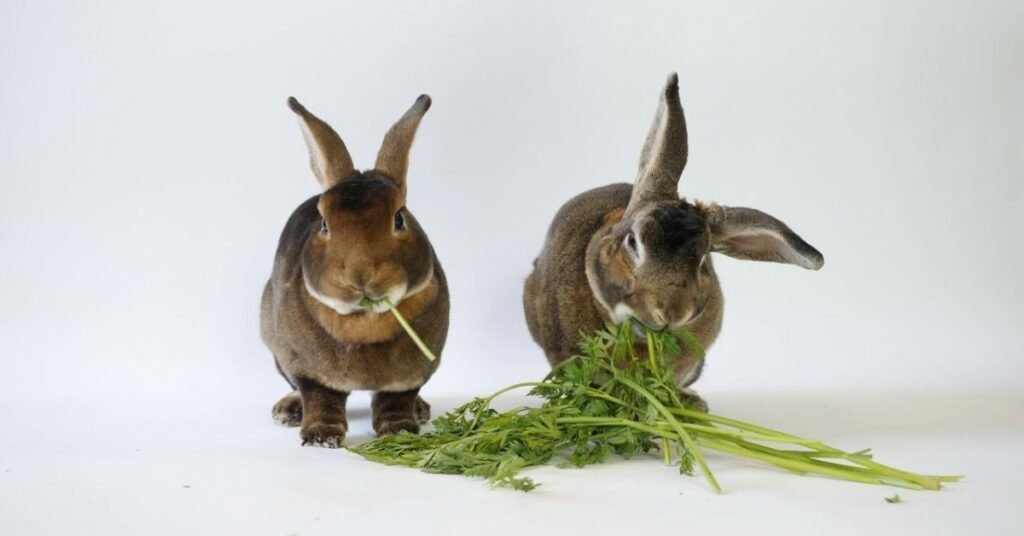
Yes, rabbits can eat carrot tops and leaves safely. They are lower in sugar than the carrot root. This makes them a healthier option for rabbits. Carrot greens contain fiber and some vitamins that support digestion and overall health. Many rabbits enjoy nibbling on the fresh, leafy tops.
However, carrot tops should still be fed in moderation. Too much of any leafy treat can cause stomach upset. Always wash the greens thoroughly to remove dirt or pesticides. Feeding carrot tops along with hay and fresh greens gives a balanced diet.
| Part of Carrot | Safe for Rabbits? | Sugar Level | Nutrients Present | Feeding Tips | Risks if Overfed |
| Carrot Root | Yes, in small amounts | High | Vitamin A, fiber, antioxidants | Give as occasional treat | Digestive issues, weight gain |
| Carrot Tops/Leaves | Yes | Low | Fiber, vitamin K, vitamin A | Feed in moderation, wash first | Stomach upset if too much |
| Carrot Stems | Yes | Low | Fiber, small vitamins | Cut into small pieces | May cause minor digestive issues |
| Wilted Greens | No | Varies | Nutrients lost | Avoid feeding | Can upset stomach, spoil easily |
| Organic vs Non-organic | Yes, but wash thoroughly | Varies | Depends on part | Wash to remove pesticides | Pesticide contamination risk |
Are Carrot Greens Healthier Than Carrots?
Carrot greens are often healthier for rabbits than the carrot root. They contain less sugar, which is easier on a rabbit’s digestive system. Greens also provide more fiber and some important vitamins like vitamin K. This helps support digestion, strong bones, and overall health.
While carrot roots are tasty, they should only be a small treat. Carrot greens can be fed more often, but still in moderation. Always wash the greens before giving them to your rabbit. Combining carrot greens with hay and leafy vegetables makes a balanced and safe diet.
Best Vegetables Rabbits Can Eat Instead of Carrots
Rabbits need vegetables that are low in sugar and high in fiber. These help keep their digestion healthy and their teeth strong. While carrots are sweet, there are many better options for daily feeding. Leafy greens and other crunchy vegetables are safer and more nutritious.
Introducing a variety of vegetables keeps your rabbit happy and healthy. Always wash vegetables thoroughly and feed them in small portions at first. A balanced diet should focus on hay, leafy greens, and fresh vegetables as treats.
| Vegetable | Sugar Level | Fiber Content | Key Nutrients | Feeding Tips | Benefits for Rabbits |
| Romaine Lettuce | Very Low | High | Vitamins A, K, C | Wash well, feed daily | Supports digestion, hydration |
| Kale | Low | High | Vitamins A, C, K, Calcium | Feed in small amounts | Strong bones, healthy immune system |
| Spinach | Low | Moderate | Vitamins A, C, Iron | Feed occasionally, not daily | Healthy blood and eyes |
| Celery | Very Low | Moderate | Vitamins A, K, C | Cut into small sticks | Crunchy, helps teeth |
| Bell Peppers | Low | Moderate | Vitamins A, C | Remove seeds, feed in small pieces | Adds variety, rich in antioxidants |
| Cucumber | Very Low | Low | Vitamin K, Water | Slice thin, feed occasionally | Hydrating, low-calorie treat |
| Zucchini | Low | Moderate | Vitamins C, A | Wash and cut into small pieces | Easy to digest, safe snack |
| Parsley | Very Low | Moderate | Vitamins A, C, Iron | Feed small amounts daily | Supports digestion and immunity |
| Broccoli Leaves | Low | High | Vitamins A, C, K | Feed leaves only, avoid stalks too much | Supports bones, digestion |
| Swiss Chard | Low | High | Vitamins A, K, C, Magnesium | Feed in moderation | Helps digestion and overall health |
Conclusion
Carrots can be a tasty treat for rabbits. But they are high in sugar, so they should only be given in small amounts. Knowing can rabbits eat carrots helps you feed them safely. Treat carrots as a reward, not a main food.
Hay and leafy greens should always be the main part of a rabbit’s diet. Carrots cannot replace these healthy foods. Giving too many carrots can cause stomach problems or weight gain. Moderation is the key.
Carrot tops and leaves are healthier than the root. They contain less sugar and more fiber. You can give these more often, but still in limited amounts. They are a good way to add variety to your rabbit’s meals.
Always watch your rabbit after feeding any new food. Introduce carrots slowly and in tiny portions. Learning can rabbits eat carrots ensures your rabbit stays happy and healthy. A balanced diet with hay, greens, and occasional treats is the safest way.
FAQs
1. Can rabbits eat carrots every day?
No, rabbits should not eat carrots every day. Carrots are high in natural sugar, which can upset their stomach and cause weight gain. They should only be given as an occasional treat.
2. Are carrot tops safer than the carrot root for rabbits?
Yes, carrot tops and leaves are healthier for rabbits. They have less sugar and more fiber, which supports digestion. You can give them more often, but still in moderation.
3. How much carrot can an adult rabbit eat?
An adult rabbit only needs a very small portion, about a thin slice or two. This should be offered once or twice a week. Too much can cause digestive problems and obesity.
4. Can baby rabbits eat carrots?
No, baby rabbits should not eat carrots. Their stomachs are sensitive, and they need milk, hay, and small amounts of pellets. Carrots can be introduced later in tiny amounts.
5. What are the risks of feeding too many carrots to rabbits?
Feeding too many carrots can cause stomach upset, diarrhea, weight gain, and reduced interest in hay or leafy greens. Always feed carrots in small portions and as a rare treat.
