

Introduction
Rabbits are often confused with rodents because they look similar, have sharp front teeth, and are small mammals. But in reality, rabbits belong to a different group called lagomorphs, not rodents. This classification is based on their bone structure, teeth pattern, and biology.
Many people still mix them up, and that confusion creates an interesting question: what truly separates a rabbit from a rodent? This is where things get surprising, because the differences are hidden in small details most people never notice.
In this topic, you will learn how rabbits are classified, what makes them unique, and why they cannot be placed in the rodent family. This basic understanding helps clear up a myth that has lasted for years.
Are Rabbits Rodents or Something Else?
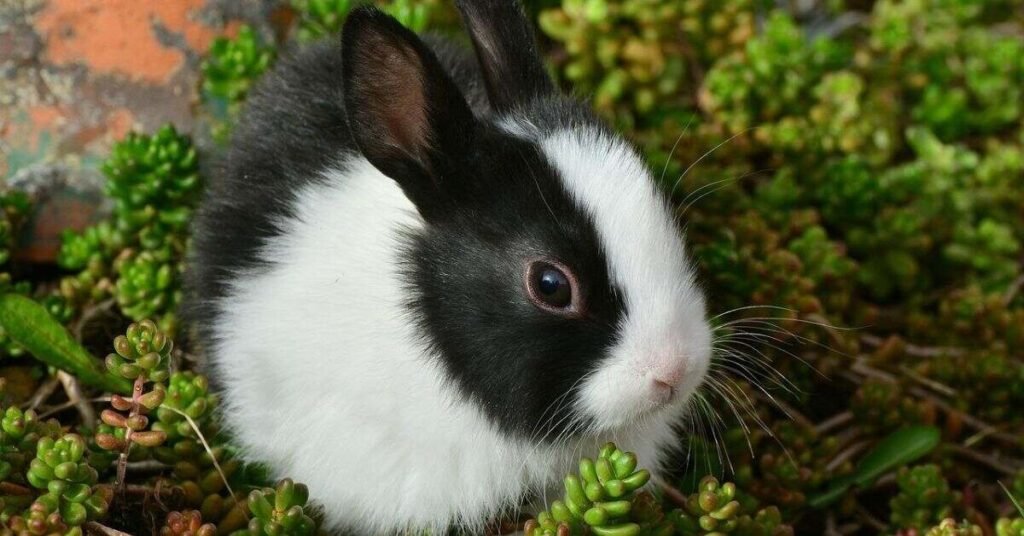
Rabbits may look like rodents at first glance, but they actually belong to a different animal group. They are classified as lagomorphs, a group that includes rabbits, hares, and pikas. This separate classification exists because rabbits have unique traits, such as an extra pair of upper front teeth, which rodents do not have.
Even though rabbits share some similarities with rodents, their diet, teeth structure, and body features show clear differences. Understanding these differences helps explain why rabbits cannot be placed in the rodent family and why they stand in their own category in the animal world.
Key Differences Between Rabbits and Rodents Explained
Rabbits and rodents may appear similar, but their bodies work in different ways. Rabbits have an extra pair of upper front teeth, while rodents have only one pair. Rabbits also have a more complex digestive system that helps them break down tough plant materials. These differences show that rabbits belong to the lagomorph family, not the rodent family.
Rodents, on the other hand, have a simpler digestive system and different eating habits. Their teeth grow continuously, but their dental pattern is not the same as rabbits. When you compare both groups closely, you can clearly see they are built for different lifestyles, diets, and environments.
| Feature | Rabbits | Rodents |
| Scientific Group | Lagomorphs | Rodentia |
| Number of Upper Incisors | Two pairs | One pair |
| Digestive System | Complex; includes cecotrophy (re-eating nutrient pellets) | Simpler; no cecotrophy |
| Diet | Mostly herbivores | Varies (herbivores, omnivores) |
| Jaw Movement | More side-to-side chewing | Limited side movement |
| Teeth Growth | Constant growth | Constant growth |
| Body Structure | Longer hind legs, strong back legs | Shorter legs, varied body shapes |
| Lifespan | 8–12 years (domestic) | 1–3 years for many species |
| Examples | Rabbits, hares, pikas | Mice, rats, squirrels, beavers |
| Domestication | Common as pets | Some species kept as pets |
| Breeding Pattern | Larger litters; rapid reproduction | Very rapid reproduction; varies widely |
| Habitat | Burrows, fields, forests | Wide range: forests, cities, underground |
| Tail Type | Short and fluffy | Long, thin, or bushy depending on species |
| Social Behavior | Often social, live in groups | Depends on species; many are solitary |
| Sound/Communication | Soft grunts, thumps, quiet signals | Wide range: squeaks, chirps, chatter |
What Exactly Makes a Rabbit a Mammal?
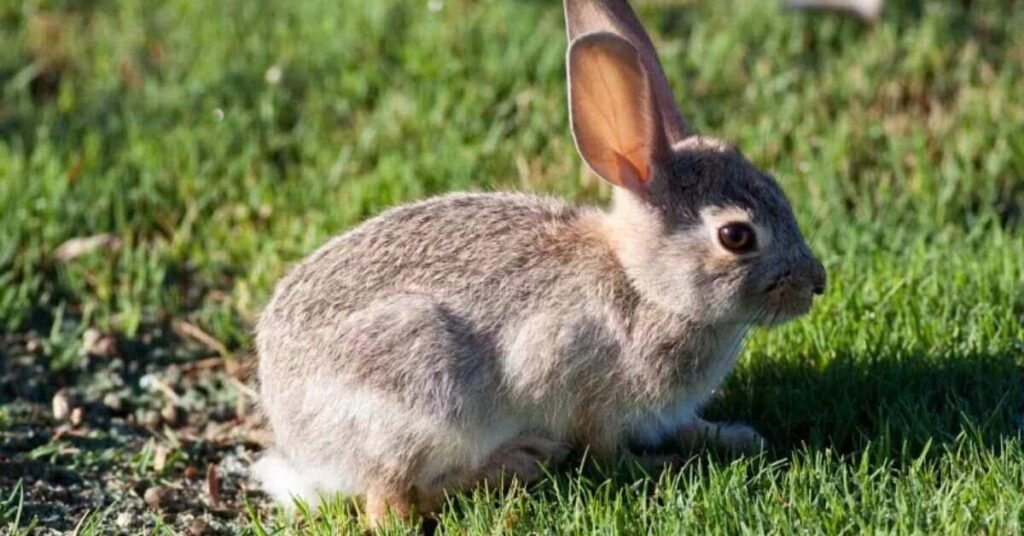
Rabbits are mammals because they share the key traits that all mammals have. They are warm-blooded, grow fur on their bodies, and breathe air through lungs. Female rabbits also produce milk to feed their babies, which is one of the main features that defines a mammal.
Another reason rabbits are mammals is the way they give birth and care for their young. Baby rabbits are born alive, not hatched from eggs, and they depend on their mothers for warmth and feeding. These simple but clear characteristics place rabbits firmly in the mammal family.
Understanding Their Unique Digestive System
Rabbits have a special digestive system that helps them break down tough plant foods. Their stomach and intestines work together to digest fiber slowly and efficiently. One unique part of their system is the cecum, a large pouch that holds bacteria to help break down food that other animals cannot digest easily.
Rabbits also practice a behavior called cecotrophy, where they eat soft nutrient-rich droppings produced by their cecum. This might sound strange, but it allows them to absorb vitamins and nutrients they missed the first time. Their digestive system is built to keep them healthy, active, and able to survive on a plant-based diet.
Safe Foods to Include and What to Avoid
Rabbits thrive when they eat natural, fiber-rich foods that support their digestion and dental health. Fresh hay should always be the main part of their diet because it keeps their stomach working properly and helps wear down their teeth. You can also add fresh vegetables and leafy greens in small amounts to give them extra nutrients and variety.
However, not every food is safe for rabbits. Some foods can cause stomach problems, while others may be toxic. It is important to know which items are safe and which ones you should never offer. The table below gives a clear and simple breakdown to help you choose the right foods for your rabbit.
| Category | Safe Foods | Caution Foods | Unsafe Foods |
| Hay | Timothy hay, orchard grass, meadow hay | Alfalfa hay (only for young rabbits) | Moldy or dusty hay |
| Leafy Greens | Romaine lettuce, kale, spinach, cilantro, parsley, basil | Swiss chard (can cause gas), mustard greens | Iceberg lettuce (low nutrients, can cause diarrhea) |
| Vegetables | Carrots (small amounts), bell peppers, broccoli leaves, zucchini | Cabbage (may cause gas), cauliflower | Potatoes, onions, garlic, leeks |
| Herbs | Mint, dill, thyme | Strong herbs in large amounts | Toxic plants like foxglove or nightshade |
| Fruits | Apples (no seeds), strawberries, blueberries, bananas (small amounts) | Grapes (high sugar), pears | Avocado (toxic), fruit seeds and pits |
| Pellets | High-fiber, plain pellets (limited amount) | Pellets with dried fruit or seeds | Pellets with additives, colorings, or sugars |
| Treats | Small fruit pieces, natural rabbit treats | Dried fruit (very sugary) | Chocolate, cookies, chips, bread, pasta |
| Plants/Grass | Fresh grass, dandelion leaves | Lawn grass treated with chemicals | Houseplants, toxic weeds |
| Water | Fresh clean water daily | — | Flavored or sugary water |
Keeping Your Rabbit Happy & Healthy
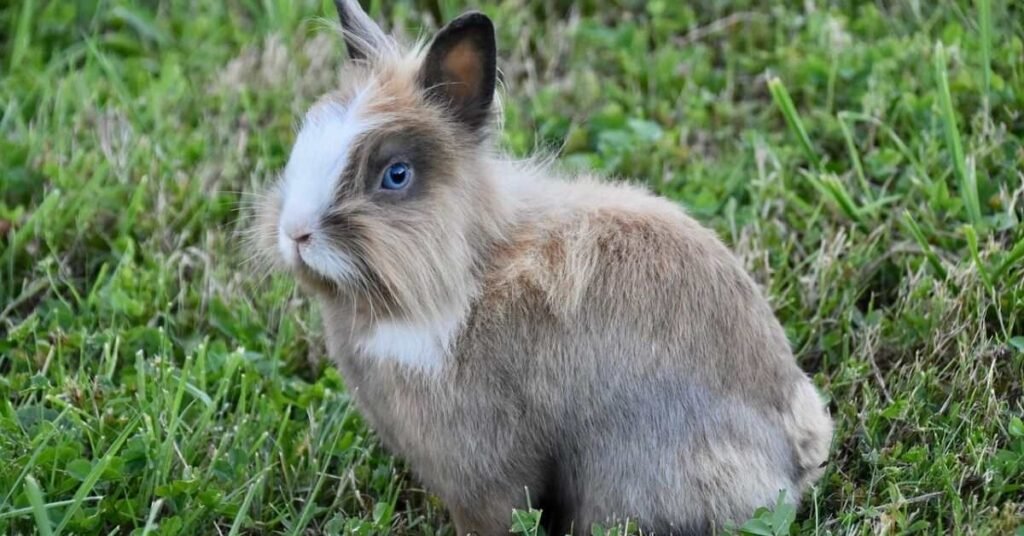
Rabbits need more than food to stay healthy. They need exercise, love, and a safe space to live. A happy rabbit hops, explores, and plays often. Regular check-ups with a vet keep them in good shape.
Here are some tips to keep your rabbit happy and healthy:
- Provide fresh hay daily.
- Give clean water all the time.
- Offer safe vegetables and occasional fruits.
- Make space for running and jumping.
- Give gentle attention and social interaction.
- Keep their living area clean and cozy.
Conclusion
Rabbits are unique animals with special needs. They are not rodents, but mammals with distinct traits. Understanding their diet, teeth, and digestive system is very important.
Feeding them safely keeps them healthy and happy. Learning the differences between rabbits and other small animals helps you care for them better. A little knowledge goes a long way in ensuring a happy rabbit life.
FAQs
1. Are rabbits rodents?
No, rabbits are not rodents. They belong to the order Lagomorpha, which is different from rodents.
2. Can rabbits eat the same food as rodents?
Not exactly. Rabbits have special digestive needs and should eat mainly hay, vegetables, and some fruits.
3. How many teeth do rabbits have?
Rabbits have 28 teeth, including four sharp front incisors for cutting food.
4. Are all vegetables safe for rabbits?
No, some vegetables like onions or potatoes can be harmful. Stick to leafy greens and safe vegetables.
5. How long do rabbits usually live?
Rabbits can live 8–12 years with proper care and a good diet.
