


Introduction
A blue eyed rabbit is a rabbit that has bright blue eyes instead of the common brown color. These rabbits can belong to different breeds. Their eye color is usually caused by genetics. Many people love them because their eyes look soft and unique.
Have you ever seen a rabbit with clear blue eyes staring back at you? It feels special and rare. A blue eyed rabbit often stands out in a group. Their eye color makes them look gentle and calm. This is why many rabbit lovers search for them.
In this guide, you will learn about the traits, personality, and basic care of a blue eyed rabbit. We will talk about their diet, housing, and health needs. This will help you decide if a blue eyed rabbit is the right pet for you.
What Is a Blue Eyed Rabbit?
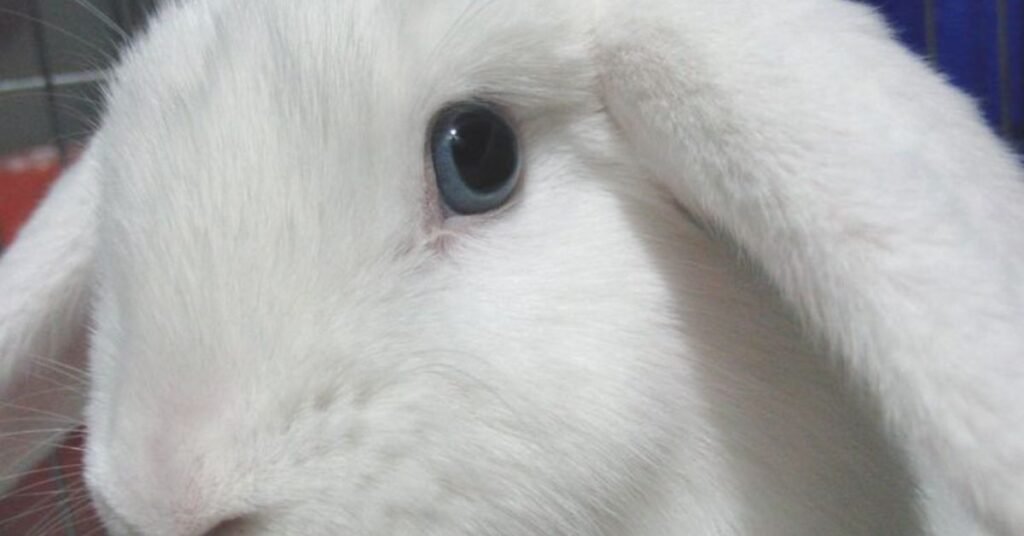
A blue eyed rabbit is simply a rabbit with light blue eyes instead of the common dark ones. This eye color comes from certain genetic traits. It is not always linked to one specific breed. Different rabbit breeds can have blue eyes if they carry the right color pattern.
Many people notice these rabbits right away because their eyes look soft and bright. The blue color gives them a gentle and calm appearance. Even though they look special, their needs are the same as other rabbits. They still require fresh hay, clean water, a safe home, and daily care.
Are Blue Eyes Common in Rabbits?
Blue eyes are not very common in rabbits. Most rabbits have brown or dark eyes. Blue eyes appear because of special color genes. These genes are not present in every rabbit breed. That is why a blue eyed rabbit may look rare or unique.
Some rabbits are more likely to have blue eyes than others. It usually depends on their breed and color pattern. Breeders may select these traits on purpose.
- Some white rabbits can have blue eyes.
- Certain patterned rabbits may also have blue eyes.
- Blue eyes are linked to specific genetic traits.
- Not every rabbit with light fur will have blue eyes.
How Rare Is a Blue Eyed Rabbit?
Rabbits with bright blue eyes are not seen as often as those with dark eyes. Most rabbits are born with brown or black eyes. This eye color only appears when a rabbit carries certain genetic traits. Because of this, many people find them unusual or eye-catching.
How rare they are can vary from one breed to another. Some breeds show this eye color more often, while others almost never have it. Breeding and color patterns also play a big role. So, while they may seem special, they can still be found with the right breeder or source.
Rabbit Breeds That Have Blue Eyes
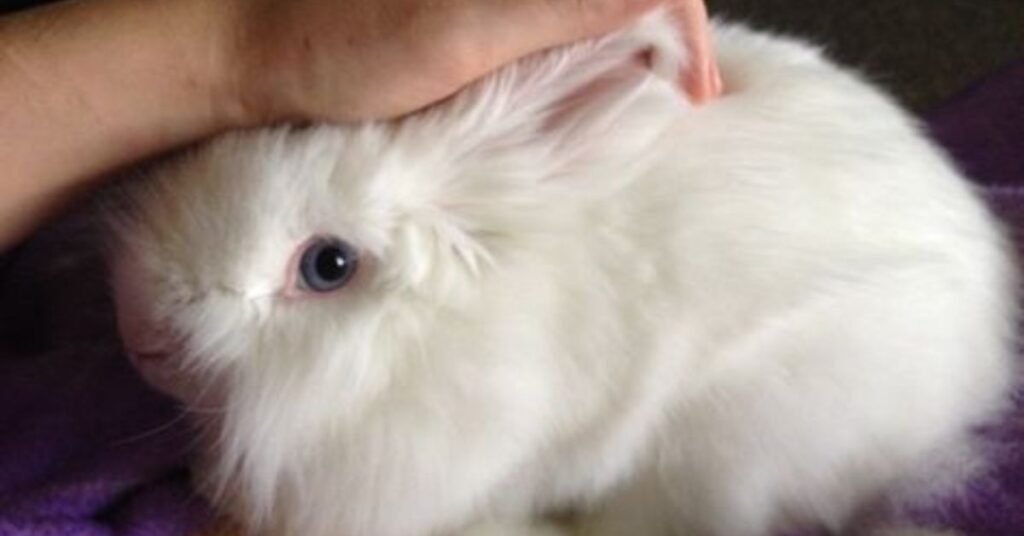
Some rabbit breeds are known for having blue eyes. This usually happens because of certain color patterns or special genes. Not every rabbit in these breeds will have blue eyes, but it is more common in them. These rabbits are often loved for their soft and unique look.
Breeds like the Vienna-marked rabbits, some white rabbits, and certain mixed breeds can have blue eyes. The eye color depends on their genetics. A blue eyed rabbit from these breeds still needs the same care as any other rabbit. Proper food, a clean home, and regular attention are always important.
Vienna Marked Rabbits
Vienna marked rabbits are rabbits that carry the Vienna gene. This gene can cause blue eyes and special white markings on the fur. The markings may appear on the nose, feet, or chest. Each rabbit can look different, even if they come from the same parents.
Some Vienna marked rabbits have full blue eyes, while others may have one blue eye and one brown eye. Their patterns can be very unique and attractive. Many people like them because of their soft colors and bright eyes. Even with their special look, they still need the same care as other rabbits.
Netherland Dwarf with Blue Eyes
The Netherland Dwarf is a very small and cute rabbit breed. It is known for its round face, short ears, and compact body. Most Netherland Dwarfs have dark eyes. However, some can have blue eyes because of special color genes.
A Netherland Dwarf with blue eyes looks very unique and eye-catching. The bright eye color makes their tiny face look even softer. These rabbits are active and curious by nature. They still need gentle handling, proper food, and a safe, clean living space.
Himalayan Rabbits and Eye Color
Himalayan rabbits are known for their soft white fur and dark points on their nose, ears, feet, and tail. Most Himalayan rabbits have dark eyes, usually red or brown. But sometimes, they can have blue eyes due to special genetic traits. Blue eyes make them look even more striking and unique.
These rabbits are gentle and calm. Their eye color does not change how they behave or their care needs. They still need fresh food, clean water, and a safe space to live.
Here is a simple table showing Himalayan rabbit eye colors and rarity:
| Eye Color | Commonality | Notes |
| Dark Brown | Very Common | Most Himalayan rabbits have this color. |
| Red | Common | Often seen in albino or lighter rabbits. |
| Blue | Rare | Appears due to special genetic traits. |
| Hazel | Very Rare | Only in some unique genetic combinations. |
What Causes Blue Eyes in Rabbits?
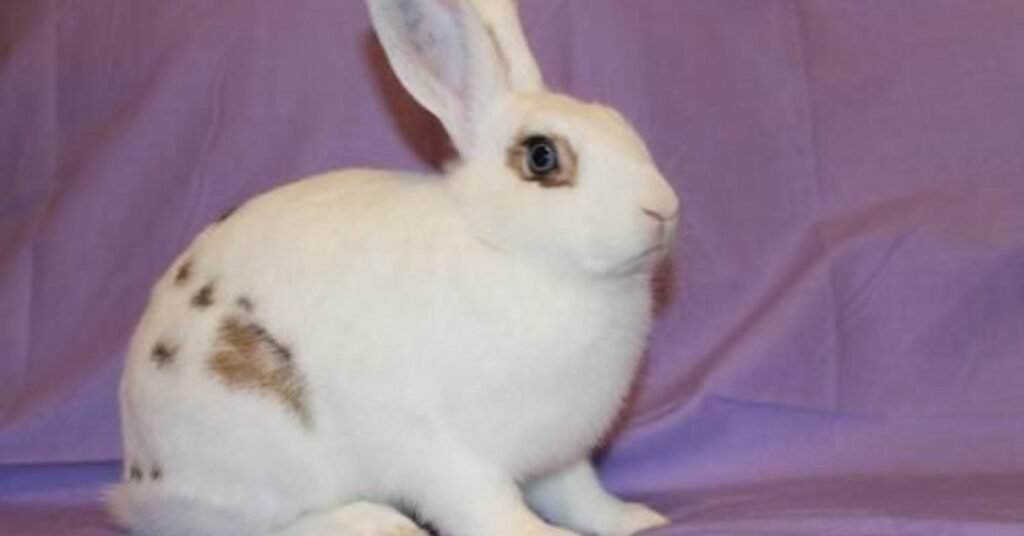
Blue eyes in rabbits happen because of genetics. Certain genes affect the color of the iris. These genes can make the eyes blue instead of the usual brown or dark color. Not all rabbits carry these genes, which is why blue eyes are less common.
Other factors can influence eye color too. Sometimes, specific fur patterns or breed traits are linked to blue eyes.
Here are some main causes:
- Special color genes, like the Vienna gene.
- White or light-colored fur patterns.
- Crossbreeding that carries the blue eye trait.
- Rare genetic mutations in certain breeds.
Genetics Behind Rabbit Eye Color
Rabbit eye color is mostly determined by genes. Different genes control the pigments in the iris. Brown eyes are common because they are the dominant gene. Blue eyes appear when a rabbit inherits specific recessive genes.
Some breeds carry genes that make blue eyes more likely. The Vienna gene is one example. It can also cause white markings on the rabbit’s fur. Even if a rabbit has blue eyes, its care and diet stay the same. Genetics only affect the look, not the health.
Are Blue Eyed Rabbits Rare?
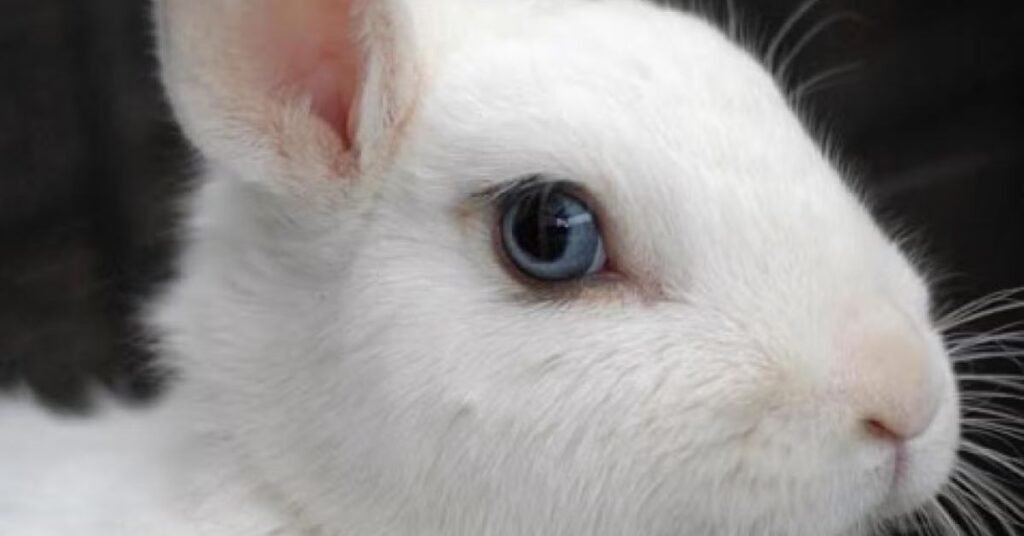
Yes, blue eyed rabbits are less common than rabbits with dark eyes. Most rabbits naturally have brown or black eyes. Blue eyes only appear when certain genetic traits are present. This makes them look special and unique.
The rarity also depends on the breed. Some breeds, like Vienna marked or Himalayan rabbits, are more likely to have blue eyes. In other breeds, blue eyes are very rare. Even though they are uncommon, blue eyed rabbits can still be found through careful breeding.
Solid Blue Eyes vs. Marbled Eyes
Blue eyed rabbits can have different types of eye color. Some have solid blue eyes, where the entire iris is one clear blue color. Others have marbled eyes, which mix blue with brown or gray. Both types are beautiful and rare in their own way.The type of eye color does not affect the rabbit’s health. It is mostly a visual trait caused by genetics.
Here is a simple comparison table:
| Eye Type | Appearance | Common Breeds | Notes |
| Solid Blue | Entire iris is uniform blue | Vienna Marked, Netherland Dwarf | Very striking and rare in most breeds |
| Marbled Blue | Blue mixed with brown or gray | Himalayan, Mixed Breeds | Gives a unique pattern, each eye looks different |
| Half Blue | One eye blue, one eye brown | Vienna Marked, Mixed Breeds | Known as “odd-eyed,” very rare |
| Speckled Blue | Blue with tiny flecks of other colors | Rare Crossbreeds | Each rabbit has a unique speckled pattern |
Temperament and Personality of Blue Eyed Rabbits
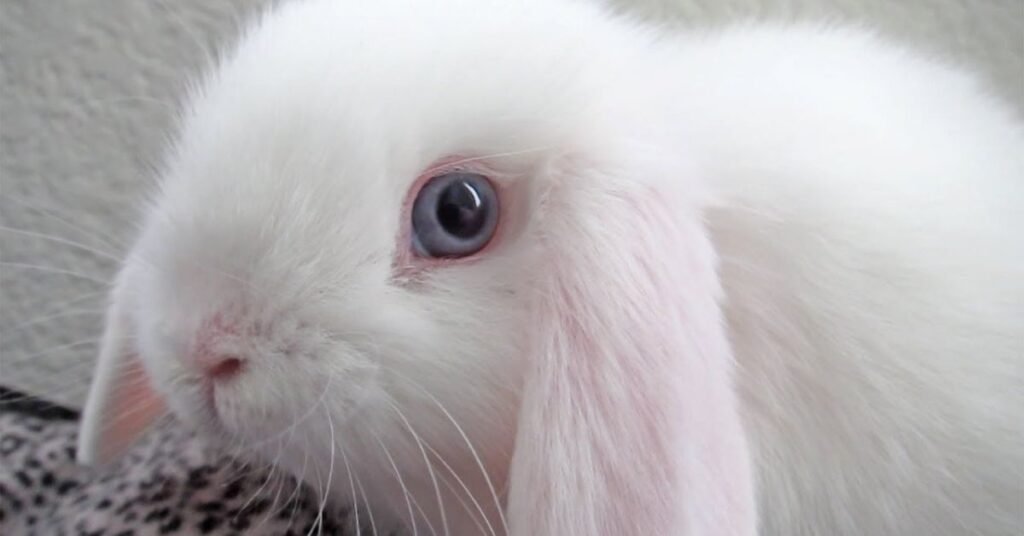
Blue eyed rabbits are known for being gentle and calm. They are usually friendly with people and other pets. Their bright eyes make them look soft and approachable. Most blue eyed rabbits enjoy attention and can bond closely with their owners.
Their personality can also depend on the breed and upbringing. Some are active and playful, while others are quiet and relaxed. Here is a simple table showing typical traits of blue eyed rabbits:
| Trait | Description | Notes |
| Friendly | Enjoys human interaction and pets | Easy to socialize with proper handling |
| Calm | Relaxed and gentle behavior | Often comfortable in a quiet home |
| Playful | Likes toys, running, and exploring | Needs safe space for exercise |
| Curious | Interested in surroundings | Can be trained with treats or simple games |
| Social | Bonds with other rabbits or animals | Best kept with friends or regular attention |
| Intelligent | Learns routines and simple tricks easily | Can recognize owner and respond to cues |
Are Blue Eyed Rabbits Good Pets?
Yes, these rabbits make excellent pets. They are gentle, friendly, and enjoy human company. Their calm nature makes them easy to handle. Many owners love their bright, unique eyes, which give them a special charm.
Like all rabbits, they need proper care to stay healthy. This includes fresh hay, clean water, safe housing, and daily attention. They can be playful and curious, but also enjoy quiet time. With the right care, they can be a loyal and loving companion.
How to Care for a Blue Eyed Rabbit
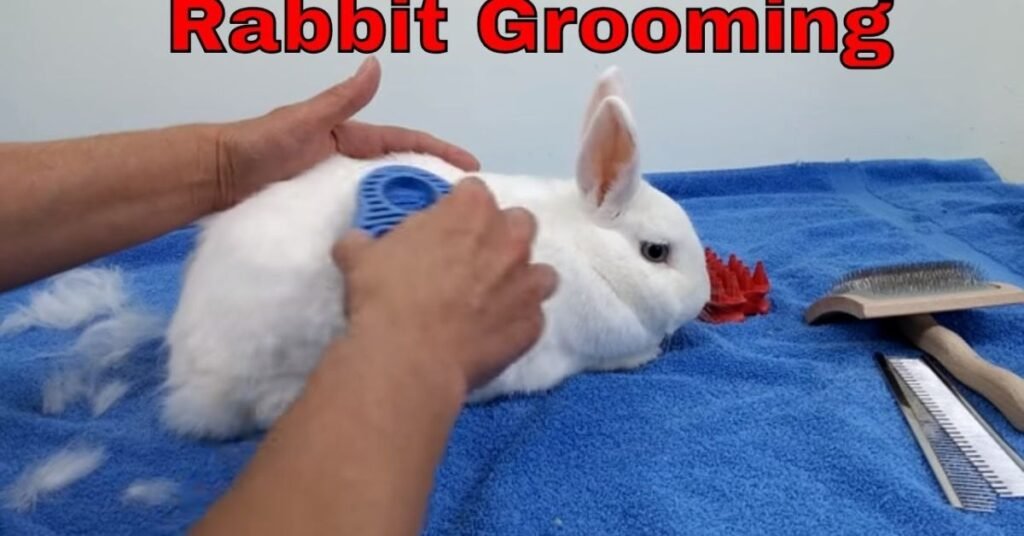
Caring for a blue eyed rabbit is similar to caring for any other rabbit. They need fresh hay every day. Clean water should always be available. A safe and comfortable living space is very important. Regular cleaning helps prevent illness.
Blue eyed rabbits also need attention and social time. They enjoy gentle petting and play. Healthy food, like fresh vegetables and pellets, keeps them strong. Regular check-ups with a vet help them stay healthy. Proper care ensures your blue eyed rabbit stays happy and safe.
Diet and Nutrition Needs
Blue eyed rabbits need a healthy and balanced diet to stay strong. The main part of their diet should be fresh hay. Hay helps their digestion and keeps their teeth healthy. They also need fresh vegetables and a small amount of rabbit pellets every day.
It is important to avoid giving them sugary or processed foods. Fresh water should always be available. Here is a simple table showing what blue eyed rabbits can eat:
| Food Type | Examples | Notes |
| Hay | Timothy, Orchard, Meadow | Main food, should be available all day |
| Fresh Vegetables | Carrot tops, spinach, lettuce | Feed in small amounts daily |
| Pellets | High-quality rabbit pellets | Feed in moderation, avoid low-quality brands |
| Fruits (Treats) | Apple slices, berries | Give only occasionally, small portions |
| Water | Fresh, clean water | Must always be available |
| Foods to Avoid | Chocolate, avocado, sugary snacks | Can be toxic and harmful |
Housing and Grooming Tips
Blue eyed rabbits need a safe and comfortable home. Their cage or hutch should be spacious and clean. Soft bedding, like hay or straw, keeps them cozy. They also need a quiet area to rest and feel secure. Daily cleaning helps prevent sickness and keeps them happy.
Grooming is important for their health. Brushing removes loose fur and prevents matting. Check their nails and trim if needed. Here is a simple table with housing and grooming tips:
| Category | Tips | Notes |
| Cage Size | Large enough to hop and stretch | Minimum 4-6 sq ft per rabbit |
| Bedding | Hay, straw, or soft material | Change regularly to keep clean |
| Temperature | Keep cool, avoid direct sun or drafts | Ideal 60–70°F (15–21°C) |
| Grooming Tools | Soft brush, nail clippers | Brush daily during shedding season |
| Hygiene | Clean cage, water bottles, and food bowls | Prevents infections |
| Play Area | Safe enclosed space outside cage | Allows exercise and mental stimulation |
| Social Time | Daily interaction with humans or other rabbits | Helps bonding and reduces stress |
Common Health Issues in Blue Eyed Rabbits
Blue eyed rabbits are generally healthy, but they can face some common health problems. Like all rabbits, they are sensitive to diet and living conditions. Poor care can lead to digestive issues, dental problems, and infections. Regular check-ups with a vet help catch problems early.
Some health issues to watch for include:
- Dental Problems: Overgrown teeth can cause pain and eating difficulties.
- Digestive Issues: Lack of hay or sudden diet changes can lead to GI stasis.
- Respiratory Infections: Dusty bedding or poor ventilation can trigger infections.
- Parasites: Mites or fleas may affect their skin and fur.
- Obesity: Too many pellets or treats can cause weight problems.
Vision Problems and Sensitivity
Blue eyed rabbits may have more sensitive eyes than other rabbits. Their bright eye color can make them sensitive to strong light. Some may be prone to minor vision problems or discomfort in direct sunlight. Gentle lighting and a calm environment help protect their eyes.
It is important to watch for signs of eye issues. Here is a table showing common vision problems and tips to manage them:
| Issue | Signs | Tips for Care |
| Light Sensitivity | Squinting, avoiding bright areas | Provide shaded or dim areas |
| Eye Infection | Redness, discharge, swelling | Clean gently, visit a vet if persistent |
| Cataracts | Cloudy or blurry eyes | Regular vet check-ups |
| Tear Duct Problems | Watery eyes, staining around eyes | Wipe gently, consult a vet if frequent |
| Scratches or Injuries | Rubbing eyes, redness, swelling | Keep environment safe, see vet if needed |
Conclusion
Rabbits with bright eyes are special and beautiful pets. Their striking eyes make them stand out. Many people love them for their gentle and calm personality. They can be a great companion for families and animal lovers.
Even though they look unique, their care is similar to other rabbits. They need fresh hay, clean water, and healthy food. A safe home and daily attention are very important. Grooming and regular vet visits keep them healthy.
These rabbits can face some health issues, like dental problems or sensitive eyes. Watching their behavior and keeping their environment clean helps prevent problems. With proper care, they can live a long and happy life.
Overall, they are loving and charming pets. They bring joy and companionship. By understanding their needs and personality, you can enjoy many happy years with them.
FAQs
1. Are blue eyed rabbits rare?
Yes, blue eyed rabbits are less common than brown-eyed rabbits. Their eye color appears due to special genetic traits. Some breeds, like Vienna marked or Himalayan rabbits, are more likely to have blue eyes.
2. Do blue eyed rabbits have special care needs?
Not really. Their care is similar to other rabbits. They need fresh hay, clean water, healthy vegetables, and safe housing. Grooming and regular vet visits are important too.
3. Can all rabbit breeds have blue eyes?
No, not all breeds can have blue eyes. Some breeds like Vienna marked, Netherland Dwarf, or Himalayan rabbits are more likely. Eye color depends on genetics and fur patterns.
4. Are blue eyed rabbits more sensitive to light?
Yes, some blue eyed rabbits can be more sensitive to bright light. Providing shaded or calm areas helps protect their eyes. Regular check-ups can prevent eye problems.
5. Are blue eyed rabbits good pets?
Absolutely. They are gentle, friendly, and calm. With proper care and attention, they make loyal and loving companions. Their unique eyes make them even more special.
