

Introduction
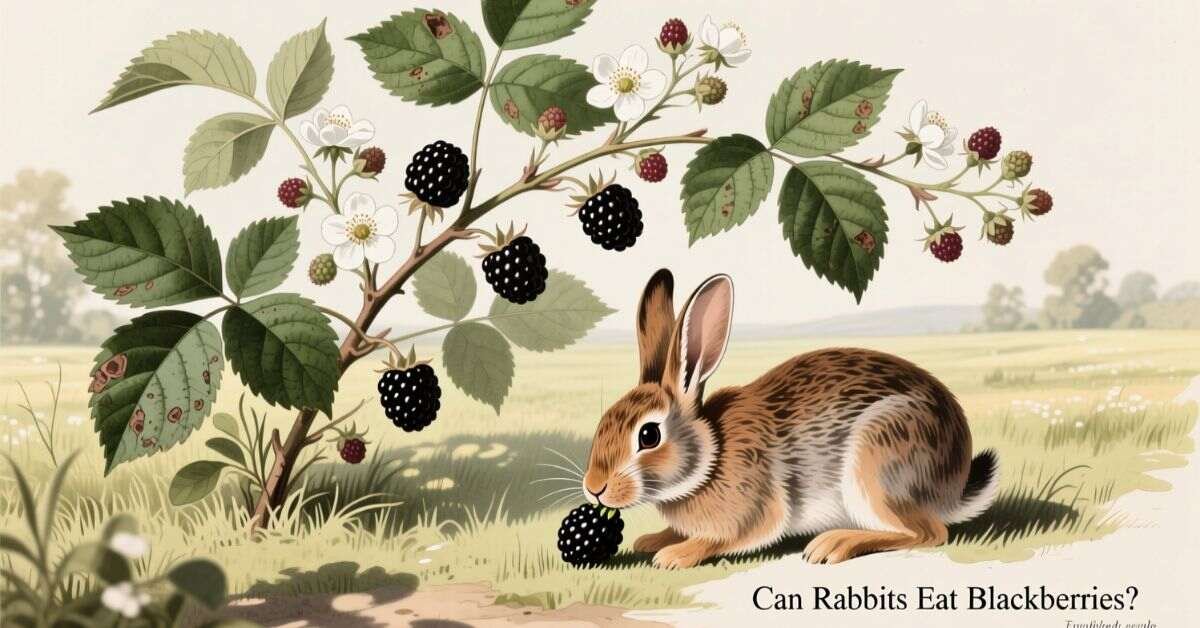
Blackberries are small, juicy fruits that many people enjoy. Rabbits can eat blackberries, but only in small amounts. They are safe as a treat because they contain vitamins and fiber, but they also have natural sugar.
Many rabbit owners wonder if blackberries are a healthy choice. The sweet taste makes rabbits excited, but too much fruit can cause stomach problems. Knowing the right way to feed blackberries helps keep your rabbit safe and healthy.
This guide explains how often rabbits can eat blackberries and how much is safe. You will also learn about the benefits and possible risks. With the right information, you can feed blackberries without harming your rabbit.
Nutritional Value of Blackberries

Blackberries are small, dark fruits that are rich in nutrients.Vitamins, fiber, and antioxidants support overall health.Because they are low in fat and mostly made of water, blackberries can be a light and refreshing treat.
Many rabbit owners wonder if these juicy berries are a healthy choice. The deep color and natural sweetness make blackberries appealing, but not all fruits are safe in large amounts. Knowing what nutrients they offer helps you decide if they belong in your rabbit’s diet.
In this section, you will learn what nutrients blackberries contain and how they may benefit rabbits. You will also understand why blackberries should be fed in moderation. This helps you make smart and safe feeding choices for your rabbit.
Vitamins & Antioxidants
Blackberries are rich in vitamins that support overall health. They contain vitamin C, vitamin K, and small amounts of other nutrients. These vitamins help support the immune system and normal body functions. Blackberries also contain antioxidants that protect cells from damage.
Antioxidants help fight stress inside the body. For rabbits, this can support general health when blackberries are fed in very small amounts. Even though they are nutritious, blackberries should stay an occasional treat. Hay and leafy greens are still the most important foods.
| Nutrient | Amount | Benefit for Rabbits |
| Vitamin C | ~21 mg | Supports immune health |
| Vitamin K | ~19 µg | Helps with blood and bone health |
| Vitamin A | Small amount | Supports eye and skin health |
| Manganese | ~0.6 mg | Supports metabolism and digestion |
| Antioxidants | High | Helps protect cells from damage |
| Water | ~88% | Supports hydration |
| Natural Sugars | Moderate | Should be limited to small servings |
Benefits of Blackberries for Rabbits
Blackberries can offer small health benefits when fed in moderation. They contain vitamins, fiber, and water, which can support your rabbit’s overall health. The fiber helps digestion, while the water content supports hydration. Because blackberries are low in fat, they can be a light treat.
These berries also add variety to a rabbit’s diet, which can help prevent boredom. Rabbits enjoy the natural taste, and this can be useful during training or bonding. Still, blackberries should never replace hay or vegetables. Treats like these should only be given occasionally.
Possible Benefits Include:
- Provides vitamin C to support the immune system
- Contains antioxidants that help protect cells
- Adds hydration due to high water content
- Offers light fiber support for digestion
- Makes a healthy treat when fed in small amounts
Risks of Feeding Blackberries
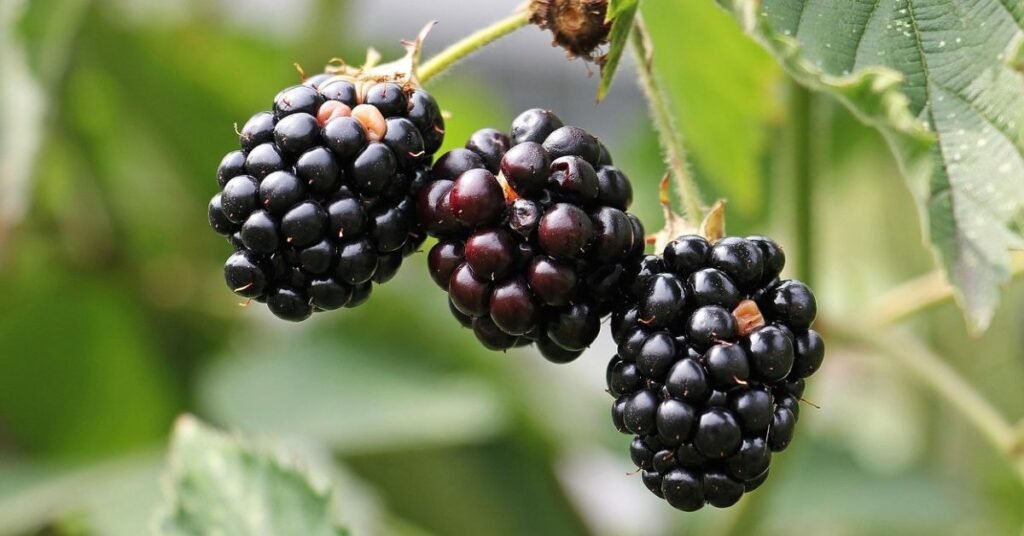
Blackberries contain natural sugar, which can be harmful if fed too often. Too much sugar may cause weight gain and upset a rabbit’s sensitive stomach. Some rabbits may develop diarrhea or soft droppings after eating too much fruit. This is why blackberries should only be given in small amounts.
Feeding large portions can also reduce a rabbit’s appetite for hay, which is essential for digestion and dental health. A sudden change in diet may cause gas or bloating. Always introduce blackberries slowly and watch your rabbit for any signs of discomfort. If problems appear, stop feeding them right away.
Digestive Upset
Rabbits have very sensitive digestive systems. Eating too many blackberries can upset their stomach because of the natural sugar. This may lead to soft droppings, diarrhea, or gas. Some rabbits may also feel bloated or uncomfortable after eating fruit.
Digestive problems can start quickly if fruit is given in large amounts. A rabbit may stop eating hay or act less active than usual. If you notice these signs, remove blackberries from the diet and offer only hay and fresh water. This helps the stomach settle and return to normal.
How Many Blackberries Can a Rabbit Eat?
Rabbits should eat blackberries only in small amounts. A safe portion is one or two small blackberries at a time. This helps limit sugar intake and protects their digestive system. Blackberries should never be a daily food.
It is best to offer blackberries once or twice a week as a treat. Always introduce them slowly and watch your rabbit afterward. If your rabbit shows any signs of stomach upset, stop feeding blackberries and return to a hay-based diet.
How to Introduce Blackberries Safely
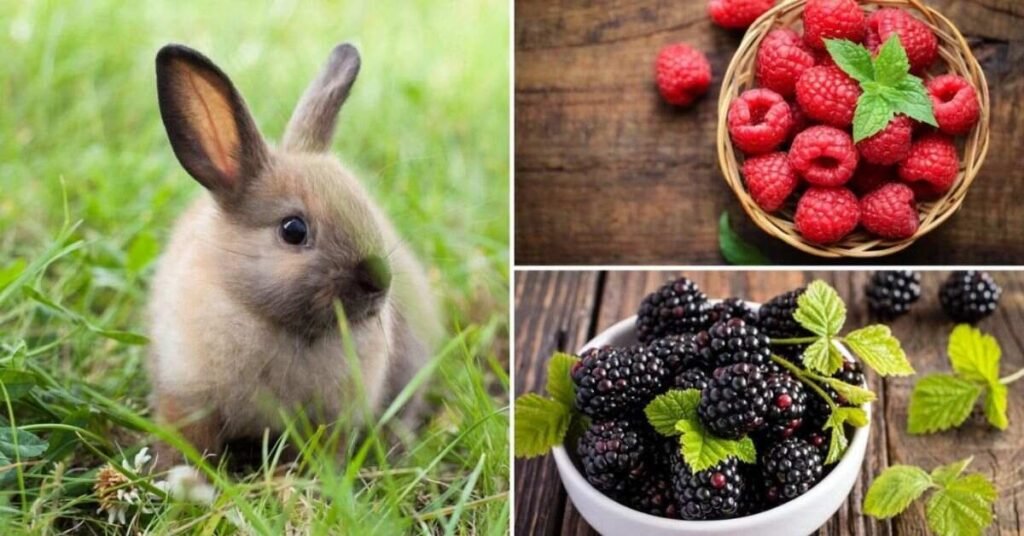
Start by offering your rabbit a very small piece of blackberry. Make sure the fruit is fresh and washed properly. This helps remove dirt and chemicals. Giving a tiny amount first lets you see how your rabbit reacts.
Watch your rabbit closely for the next 24 hours. Look for soft droppings, gas, or changes in behavior. If everything seems normal, you can offer blackberries again after a few days. Always keep treats limited and make hay the main part of their diet.
Step-by-Step Feeding Method
Feeding blackberries to your rabbit should be done slowly and carefully. Always choose fresh, ripe blackberries with no mold. Wash them well under clean water to remove dirt and chemicals. Start with a very small piece to test your rabbit’s reaction.
Follow a simple routine to keep feeding safe. Give blackberries only as an occasional treat and never in large amounts. Watch your rabbit after feeding to make sure they feel normal and active.
Safe Feeding Steps:
- Choose fresh, clean blackberries
- Wash the berries thoroughly
- Cut large berries into small pieces
- Offer one small piece at first
- Feed only once or twice a week
- Observe your rabbit for any digestive issues
Healthy Alternatives to Blackberries
If you want to give your rabbit a tasty treat, there are many safe alternatives to blackberries. These fruits and vegetables are lower in sugar and easier on their stomach. They still provide vitamins, fiber, and variety to keep your rabbit happy.
Some good options include apples, strawberries, blueberries, and leafy greens like spinach or romaine lettuce. New foods should always be introduced slowly and in small amounts.These alternatives help prevent digestive problems while keeping treats enjoyable.
Healthy Alternatives:
- Apples (seedless, small pieces)
- Strawberries
- Blueberries
- Raspberries
- Carrot slices
- Leafy greens like spinach and romaine lettuce
- Fresh herbs like parsley or cilantro
Conclusion
Blackberries can be a healthy treat for rabbits if fed in very small amounts. They provide vitamins, antioxidants, and fiber but should never replace hay or vegetables.Keeping your rabbit healthy requires moderation.
Always watch your rabbit for any signs of digestive upset after feeding blackberries. Introduce new foods slowly and maintain a balanced diet. With careful feeding, blackberries can be a safe and enjoyable treat for your rabbit.
FAQs
1. Can rabbits eat blackberries every day?
No, blackberries should only be given occasionally as a small treat.
2. How many blackberries can I feed my rabbit?
One or two small berries at a time, once or twice a week is enough.
3. Are blackberry leaves safe for rabbits?
Yes, fresh blackberry leaves are safe in small amounts and can be offered occasionally.
4. What should I do if my rabbit gets stomach upset from blackberries?
Stop feeding blackberries and offer only hay and water until they recover.
5. Can baby rabbits eat blackberries?
No, young rabbits have sensitive stomachs and should avoid fruits like blackberries.
