

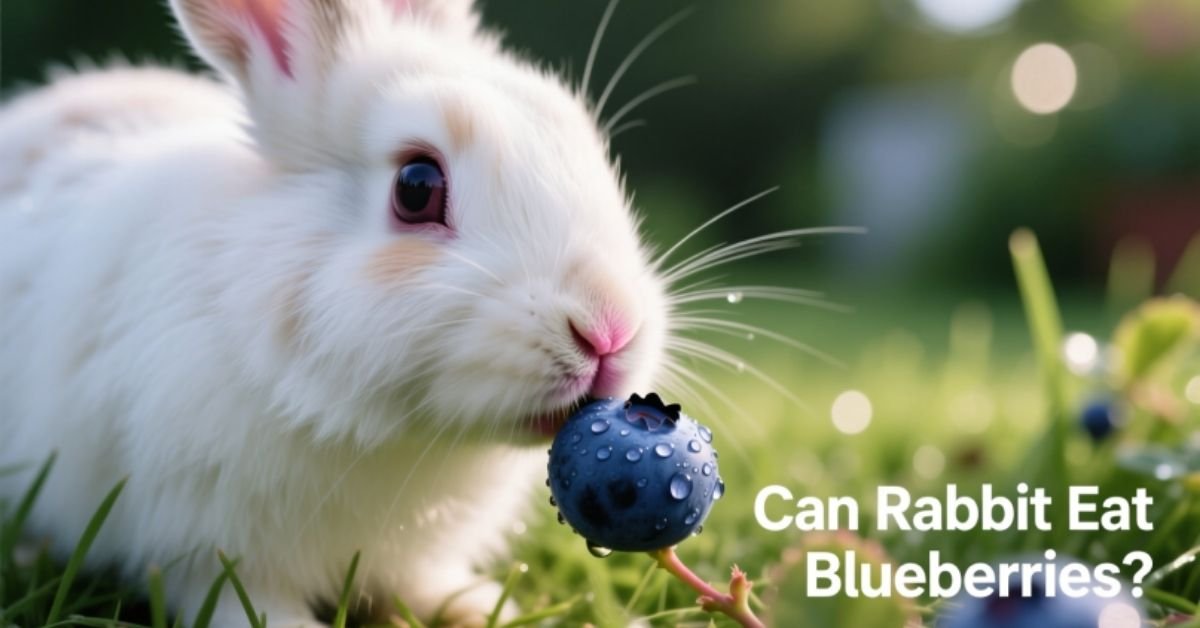
Yes, rabbits can eat blueberries, but only in small amounts. These tiny blue fruits make excellent occasional treats for your bunny. However, you need to be careful about how much and how often you offer them. Blueberries contain natural sugars that can upset your rabbit’s sensitive digestive system if given too frequently. The key to feeding blueberries to rabbits is moderation and proper portion control.
Your rabbit’s main diet should always consist of high-quality hay, fresh vegetables, and limited pellets. Blueberries should only be a special treat, not a regular food item. It’s like giving your bunny candy. While they taste delicious and provide some nutritional benefits, they should never replace the essential foods your rabbit needs daily. Most rabbits love the sweet taste of blueberries and will happily munch on them whenever offered.
When you give your rabbit blueberries for the first time, start with just one small berry. Watch your bunny carefully over the next day to ensure they handle it well. Keep an eye out for any changes in their droppings or behavior. If everything seems normal, you can continue offering blueberries as an occasional treat. Remember that every rabbit is different, and some may have more sensitive stomachs than others.
Health Benefits of Blueberries for Rabbits

Blueberries offer several valuable nutrients that can support your rabbit’s health when given properly. These berries are packed with antioxidants that help protect your bunny’s cells from damage. The antioxidants found in blueberries, particularly anthocyanins, give these fruits their deep blue color and provide important health-supporting properties. These compounds can help reduce inflammation and support your rabbit’s immune system.
The vitamin content in blueberries can be beneficial for rabbits too. Vitamins C and K found in blueberries support immune function, tissue repair, blood clotting, and bone health. While rabbits produce their own vitamin C naturally, a small boost from blueberries can still be helpful. Vitamin K plays an important role in keeping your rabbit’s blood healthy and their bones strong.
Blueberries also contain dietary fiber, though not as much as hay. This fiber helps support healthy digestion and keeps your rabbit’s gut moving properly. Good digestive function is crucial for rabbits, as they can develop serious conditions like GI stasis when their digestive system slows down. The water content in blueberries can also contribute to your rabbit’s overall hydration, especially during warm weather.
These berries are relatively low in calories compared to other fruit treats like bananas. This makes them a better choice when you want to give your rabbit something sweet without adding too many extra calories to their diet. The minerals found in blueberries, including potassium and folate, can also support various body functions in your bunny.
How Many Blueberries Can Rabbits Eat?
The right serving size depends on your rabbit’s body weight. The ideal serving is two to three fresh blueberries once or twice a week. Larger rabbits can handle slightly more, while smaller breeds need smaller portions. Never give your rabbit more than a few berries at one time, regardless of how much they beg for more.
Here’s a simple guide for feeding blueberries to rabbits:
| Rabbit Size | Maximum Per Week | Frequency |
| Small (under 5 lbs) | 1-2 blueberries | Once weekly |
| Medium (5-10 lbs) | 2-3 blueberries | 1-2 times weekly |
| Large (over 10 lbs) | 3-4 blueberries | 1-2 times weekly |
Remember that fruits should make up no more than five percent of your rabbit’s total diet. A maximum of only one to two tablespoons of fruit per day is recommended due to sugar content. This means you need to count all fruits together, not just blueberries. If you give your rabbit other fruit treats during the week, reduce the number of blueberries accordingly.
Baby rabbits under twelve weeks old should not receive any fruit at all, including blueberries. Baby rabbits’ digestive systems are still maturing and are best supported with unlimited hay and small amounts of leafy greens only. Wait until your rabbit is fully mature before introducing any sugary treats into their diet.
Risks of Feeding Too Many Blueberries
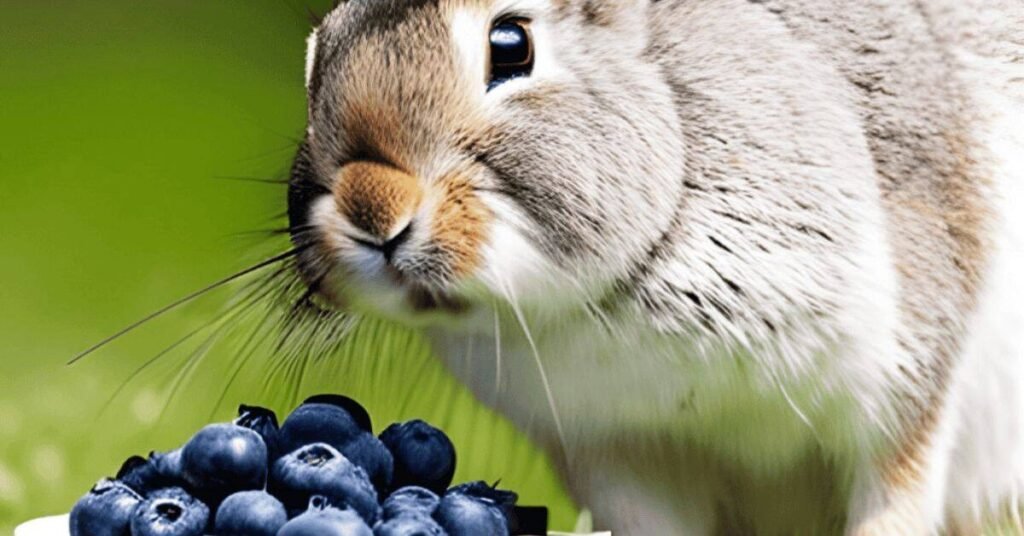
While blueberries are safe in small amounts, overfeeding can cause serious problems. The biggest concern is the high sugar content in these berries. Rabbits are not designed to process large amounts of sugar, even natural fruit sugars. Too much sugar can lead to digestive upset, including soft or runny droppings, gas, and stomach discomfort.
Weight gain is another significant risk when rabbits eat too many blueberries. Obesity in rabbits can cause various health problems, including heart disease, joint issues, and difficulty grooming. Overweight rabbits often have shorter lifespans and reduced quality of life. Since blueberries are so tasty, rabbits may also start refusing their regular hay and vegetables in favor of sweet treats.
Dental problems can develop from excessive fruit consumption too. The sugars in blueberries can contribute to tooth decay over time. Rabbits already have dental issues as a common health concern, so adding extra sugar to their diet only increases this risk. Keeping fruit treats minimal helps protect your bunny’s teeth.
Digestive issues can escalate quickly in rabbits. Overeating blueberries can lead to an upset stomach, and rabbits can be particularly sensitive to this. If your rabbit shows signs of digestive problems like reduced appetite, fewer droppings, or lethargy, stop all treats immediately and contact your veterinarian. These symptoms can indicate serious conditions that require prompt medical attention.
How to Feed Blueberries to Your Rabbit
Proper preparation is essential when giving blueberries to your rabbit. Always wash blueberries thoroughly before offering them to remove any pesticides, dirt, or chemicals. Fresh, organic blueberries are the best choice because they contain fewer harmful residues. Never give your rabbit unwashed berries, as the chemicals used in farming can be dangerous for their sensitive systems.
Choose fresh, raw blueberries whenever possible. Frozen blueberries can be offered but should be completely thawed first. Never give your rabbit frozen berries that are still icy cold, as the extreme temperature can damage their mouth and teeth. Cooked blueberries should never be fed to rabbits, as cooking changes their nutritional value and rabbits need raw foods for proper digestion.
The best time to offer blueberries is after your rabbit has eaten their hay and vegetables. This ensures they get their essential nutrition first before filling up on treats. Hand-feeding blueberries can help strengthen your bond with your bunny and makes the treat feel more special. Cut larger blueberries in half for smaller rabbits to make them easier to eat.
You don’t need to remove the skin or seeds from blueberries. Blueberry skins are completely safe and contain beneficial fiber. The tiny seeds inside blueberries are soft and small enough that they pose no choking risk. Just make sure to remove any stems before feeding, and check that the berries are fresh without any mold or soft spots.
Can Rabbits Eat Dried or Frozen Blueberries?
Dried blueberries should be avoided entirely. Dried blueberries contain highly concentrated sugar and lack the water content that makes fresh blueberries hydrating and easier to digest. Many store-bought dried blueberries also contain added sugars, preservatives, or other ingredients that are harmful to rabbits. The concentrated sugar in dried fruit can quickly cause digestive problems and weight gain.
Frozen blueberries are acceptable if properly prepared. They maintain most of their nutritional value after freezing, including their vitamin and antioxidant content. However, you must let them thaw completely before giving them to your rabbit. Room temperature or slightly cool blueberries are fine, but avoid giving your rabbit berries straight from the freezer.
Some rabbits enjoy frozen blueberries as a refreshing treat during hot weather. Just remember to account for thawing time so the berries reach a safe temperature. Never microwave blueberries to thaw them, as this can create hot spots that might burn your rabbit’s mouth. Simply let them sit at room temperature until they’re soft and cool to the touch.
Canned blueberries should never be given to rabbits. These products typically contain added sugars, syrups, or preservatives that are dangerous for your bunny. Stick with fresh or plain frozen blueberries without any additives. Reading labels carefully helps ensure you’re giving your rabbit only safe, natural foods.
What Other Fruits Can Rabbits Eat?
Rabbits can enjoy a variety of fruits as occasional treats beyond blueberries. Strawberries make excellent treats and are lower in sugar than many other fruits. Remove the green tops and offer just one or two small berries per week. Apples are safe when you remove all seeds and the core, as apple seeds contain compounds that can be harmful.
Bananas are safe for rabbits but should be given even more sparingly than blueberries due to their higher sugar content. A small slice once a week is plenty. Raspberries and blackberries can be offered in similar amounts to blueberries. These berries provide variety and different flavors for your rabbit to enjoy.
Watermelon (seedless) makes a hydrating summer treat, but limit portions to small cubes. Pears can be given without seeds or core. Grapes should be cut in half and offered sparingly due to high sugar content. Remember that all fruits combined should stay under that five percent limit of your rabbit’s total diet.
Some fruits to avoid include:
- Avocado (toxic to rabbits)
- Rhubarb (poisonous)
- Citrus fruits (too acidic)
- Dried fruits with added sugar
Always research any new food before offering it to your rabbit. When in doubt, stick with leafy greens and hay as the safest options.
Signs Your Rabbit Has Eaten Too Many Blueberries
Watch for these warning signs if you think your rabbit ate too many blueberries. Soft or runny droppings are often the first indicator of digestive upset. Normal rabbit droppings should be round, firm, and dry. If they become mushy or watery, your rabbit’s system is struggling to process what they’ve eaten.
Reduced appetite is another concerning sign. If your rabbit stops eating their hay or vegetables, this could indicate stomach discomfort. Rabbits need to eat constantly to keep their digestive system moving, so any decrease in appetite requires immediate attention. Watch for your rabbit spending less time at their hay rack or food bowl.
Lethargy or decreased activity suggests your rabbit isn’t feeling well. Healthy rabbits are alert and active, hopping around their space and investigating their environment. A rabbit that lies still for long periods or seems weak may be experiencing digestive problems. This is especially concerning since rabbits naturally hide illness.
Other symptoms include:
- Bloating or swollen stomach
- Grinding teeth (sign of pain)
- Hunched posture
- Producing very small or no droppings
- Loss of interest in favorite activities
If you notice any of these signs, remove all treats immediately and offer only hay and water. Contact your veterinarian right away if symptoms persist or worsen. Digestive issues can become life-threatening quickly in rabbits, so prompt action is crucial.
Building a Healthy Diet for Your Rabbit
The foundation of every rabbit’s diet should be unlimited fresh hay. Timothy hay, orchard grass, and other grass hays provide the fiber rabbits need for healthy digestion and dental wear. Your rabbit should have access to hay at all times, and it should make up about seventy to eighty percent of what they eat daily.
Fresh vegetables should be the second-largest portion of your rabbit’s diet. Leafy greens like romaine lettuce, cilantro, parsley, and basil provide important vitamins and minerals. Offer a variety of greens daily, about one cup per two pounds of body weight. Rotate different types to ensure your rabbit gets diverse nutrients.
Rabbit pellets should be given in limited amounts, typically one-quarter cup per day for an average-sized adult rabbit. Choose high-quality pellets without colorful pieces or added treats. Plain, hay-based pellets provide concentrated nutrition without unnecessary extras.
Treats, including blueberries and other fruits, should be the smallest part of your rabbit’s diet. Think of the proportions as a pyramid, with hay at the bottom, vegetables in the middle, pellets near the top, and treats at the very peak. This balance ensures your rabbit gets all necessary nutrients while avoiding health problems from too many sweets.
Fresh, clean water must always be available. Change your rabbit’s water daily and clean their bowl or bottle regularly. Proper hydration supports all body functions and helps prevent urinary problems. Some rabbits prefer bowls while others like bottles, so observe what works best for your bunny.
Conclusion
Blueberries can be a sweet treat for rabbits, but they must be given in very small amounts. Rabbits enjoy the taste, but too much sugar can upset their stomach. A couple of berries are more than enough.
As with any new food, it is important to watch your rabbit after feeding blueberries. If you notice soft stools or discomfort, stop giving the treat. Every rabbit reacts differently, so go slow.
FAQs
1. Can rabbits eat blueberries?
Yes, rabbits can eat blueberries. They are safe but should only be given in very small amounts because they contain a lot of natural sugar.
2. Are blueberries healthy for rabbits?
Blueberries offer antioxidants and vitamins, which can be good for rabbits. Still, they must be fed as an occasional treat, not a daily snack.
3. How many blueberries can a rabbit eat?
A rabbit should only have 1–2 small blueberries at a time. This amount is enough to enjoy the flavor without harming digestion.
4. Can baby rabbits eat blueberries?
No, baby rabbits should not eat blueberries. Their stomachs are sensitive, and they should only eat hay, pellets, and water until they are older.
5. Are blueberry leaves and branches safe for rabbits?
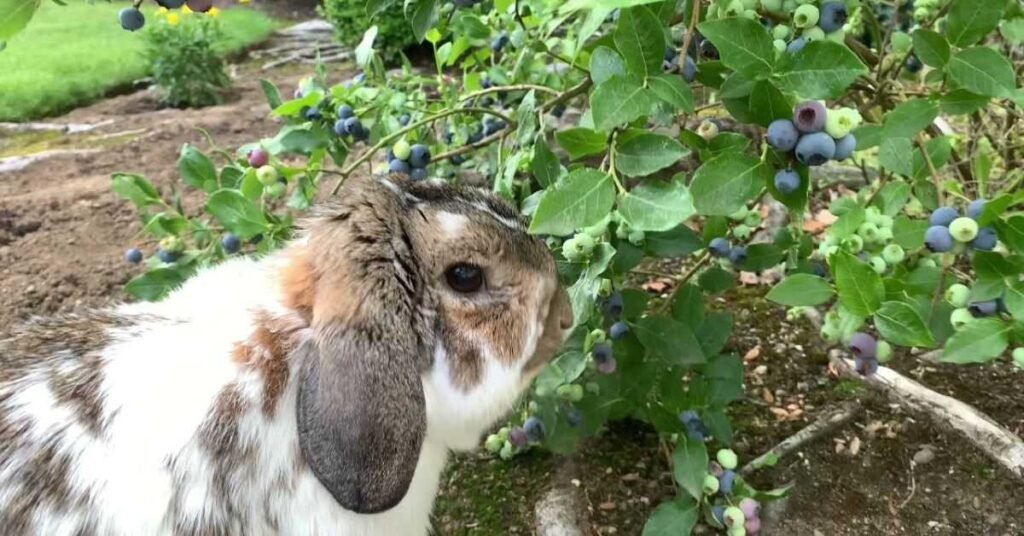
Yes, blueberry leaves and twigs are safe and much healthier than the fruit itself. They contain less sugar and are good for chewing.
