

Many rabbit owners wonder can rabbits eat cabbage when they see this crunchy vegetable in their kitchen. The good news is yes, rabbits can enjoy cabbage as part of their diet. However, you need to follow important safety rules. Cabbage provides excellent nutrients but can cause digestive problems if you give too much.
Your bunny needs the right amount at the right time. This guide will show you everything about feeding cabbage to your rabbit. You will learn which types are safest, how much to feed, and what problems to watch for. Understanding these facts helps keep your rabbit healthy and happy.
Understanding Can Rabbits Eat Cabbage
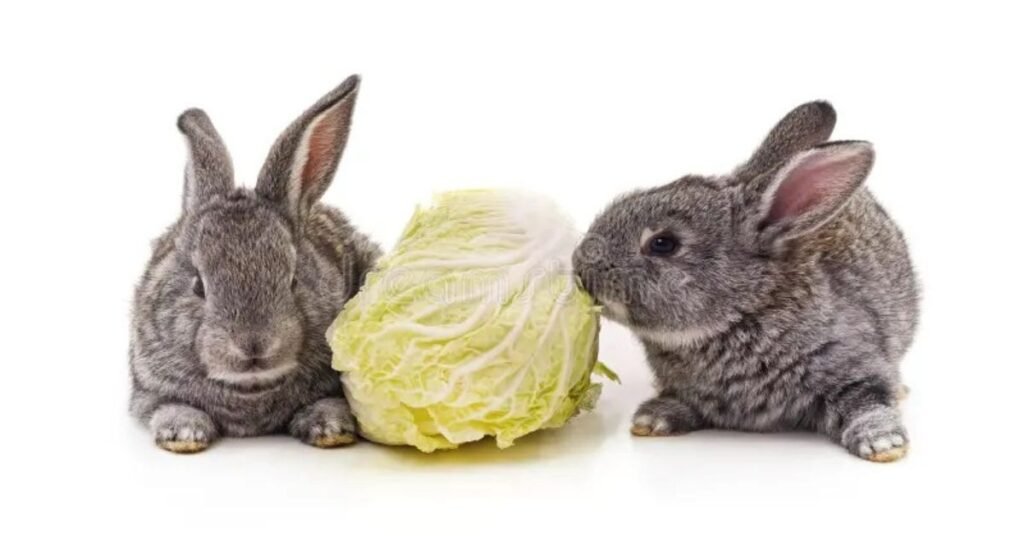
The question can rabbits eat cabbage has a simple answer with important details. Rabbits can eat cabbage, but only in small amounts. This vegetable belongs to the Brassica family along with broccoli and kale. These vegetables contain compounds that produce gas during digestion. Rabbits have very sensitive digestive systems that cannot handle too much gas. Too much cabbage leads to bloating, discomfort, and serious health problems. The key is feeding cabbage as an occasional treat, not a daily food.
Veterinarians confirm that cabbage offers valuable nutrients when given properly. It contains vitamins, minerals, and fiber that support rabbit health. The crunchy texture helps wear down rabbit teeth naturally. Rabbits enjoy the fresh taste and crisp bite. Many rabbits show excitement when they see cabbage leaves. However, each rabbit reacts differently to new foods. Some bunnies tolerate cabbage better than others. You must introduce it slowly and watch how your rabbit responds.
Types of Cabbage Rabbits Can Eat
When asking can rabbits eat cabbage, you should know about different cabbage varieties. Green cabbage is the most common and safest choice for rabbits. It has a mild flavor and causes less gas than other types. Feed green cabbage first when introducing this vegetable to your bunny. Start with small portions mixed with other leafy greens. Green cabbage provides good nutrition without overwhelming your rabbit’s stomach.
Red cabbage is also safe but needs more caution. This purple variety contains more sugar and causes more gas production. Feed red cabbage less often than green cabbage. Some rabbits develop red-colored urine after eating red cabbage. This looks alarming but is completely harmless. The red pigments pass through their system naturally. Savoy cabbage has curly, wrinkled leaves with a softer texture. Many rabbits find it easier to chew and digest. Napa cabbage is the mildest option with high water content. Some owners prefer this type for younger rabbits. Its gentle nature makes it easier on sensitive stomachs.
Nutritional Benefits of Cabbage
Understanding can rabbits eat cabbage means knowing what nutrients it provides. Cabbage delivers vitamin K which helps with blood clotting and bone health. It contains vitamin C that supports the immune system, though rabbits make their own vitamin C naturally. The fiber content aids healthy digestion and prevents gut problems. Cabbage provides important minerals like calcium, potassium, and manganese. These minerals support strong bones and proper body functions.
The high water content in cabbage helps keep rabbits hydrated. This is especially important since many rabbits do not drink enough water. Fresh vegetables add moisture to their diet naturally. Cabbage contains antioxidants that protect cells from damage. These compounds support overall health and longevity. The crunchy texture provides mental stimulation and dental benefits. Chewing cabbage helps prevent overgrown teeth, a common rabbit problem. All these nutrients work together to support your bunny’s wellbeing when fed in proper amounts.
Health Risks of Feeding Cabbage
Knowing can rabbits eat cabbage safely requires understanding the risks. The biggest problem is gas and bloating. Cabbage ferments in the digestive tract and produces gas bubbles. Rabbits cannot pass gas like humans do. The trapped gas causes painful bloating and discomfort. Severe cases can lead to gastrointestinal stasis, a life-threatening condition. Your rabbit may stop eating and become lethargic. This requires emergency veterinary care.
Too much cabbage can cause diarrhea and soft stools. The high water content overwhelms the digestive system. Loose droppings indicate your rabbit is getting too much cabbage. Calcium overload is another concern with excessive cabbage feeding. High calcium intake leads to bladder stones and urinary problems. These stones cause pain and require veterinary treatment. Some rabbits are simply more sensitive to cabbage than others. Young rabbits and those with existing digestive issues face higher risks. Always watch for warning signs when introducing cabbage to your bunny.
How Much Cabbage Can Rabbits Eat
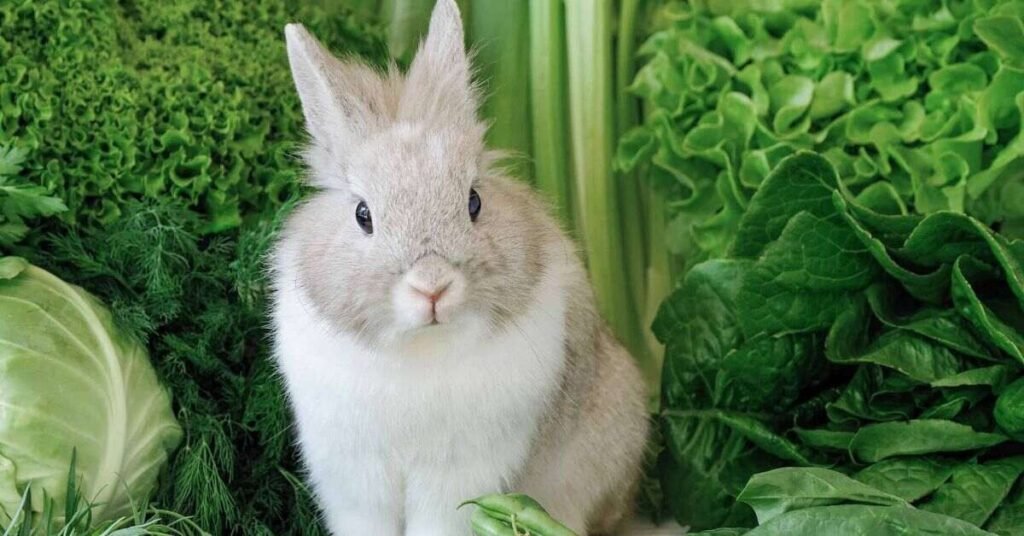
The answer to can rabbits eat cabbage includes proper portion sizes. Start with just one or two small leaves for the first feeding. Watch your rabbit closely for twenty-four hours. Look for any signs of gas, bloating, or soft droppings. If everything looks normal, you can gradually increase the amount. The recommended portion is one to two tablespoons per two pounds of body weight. This applies only two to three times per week.
Cabbage should never replace hay as the main diet component. Hay must make up at least seventy percent of what your rabbit eats. Fresh vegetables including cabbage should be only ten to fifteen percent of total food intake. Never feed cabbage on the same day as other gas-producing vegetables. Avoid serving broccoli, Brussels sprouts, or cauliflower with cabbage. Mix cabbage with safer greens like romaine lettuce or herbs. This reduces the risk of digestive upset while adding variety.
Preparing Cabbage for Your Rabbit
Before asking can rabbits eat cabbage, learn how to prepare it safely. Always wash cabbage thoroughly under cold running water. This removes dirt, pesticides, and chemical residues. Even organic cabbage needs washing before serving. Remove any damaged or wilted outer leaves. These parts may contain bacteria or mold. Cut cabbage into small, manageable pieces for easy eating. Large chunks are difficult for rabbits to handle.
Feed only raw cabbage, never cooked. Cooking changes the nutrient content and texture. It removes important vitamins and makes cabbage too soft. The altered structure is harder for rabbits to digest properly. Cooked vegetables may contain added oils, salt, or seasonings. These ingredients are harmful to rabbit health. Discard the tough stem portion as most rabbits refuse to eat it. The stem is too woody and fibrous for their preference. Focus on serving the leafy parts your bunny will enjoy.
Introducing Cabbage to Your Rabbit
Knowing can rabbits eat cabbage is different from actually feeding it. Introduce cabbage very slowly over seven to fourteen days. Start with a tiny piece the size of your thumbnail. Offer it alongside familiar foods your rabbit already eats. Watch your bunny’s behavior and droppings carefully. Normal droppings should be round, firm, and consistent. Any changes signal a problem with the new food.
If your rabbit shows interest and tolerates the first piece well, increase slightly. Add a bit more cabbage every few days. Never rush this process even if your rabbit seems eager. Their digestive system needs time to adjust. Some rabbits may refuse cabbage completely. This is perfectly normal and not a cause for concern. Never force your rabbit to eat cabbage. Offer other healthy vegetables they prefer instead. Each rabbit has unique tastes and tolerances.
Signs Your Rabbit Cannot Tolerate Cabbage
Understanding can rabbits eat cabbage includes recognizing problems. Watch for decreased appetite as the first warning sign. If your rabbit stops eating hay or pellets, remove cabbage immediately. Lethargy and weakness indicate digestive distress. A healthy rabbit should be active and alert. Bloating appears as a swollen, hard stomach area. Your rabbit may sit hunched and uncomfortable. Diarrhea or soft cecotropes show the digestive system is overwhelmed.
Reduced or no droppings signal a serious emergency. This could mean gastrointestinal stasis has developed. Rabbits should produce droppings constantly throughout the day. Grinding teeth indicates pain or discomfort. This sound is different from normal chewing. If you notice any of these symptoms, stop feeding cabbage completely. Return to a hay-based diet and provide fresh water. Contact your veterinarian if symptoms continue or worsen. Some rabbits simply cannot handle cabbage regardless of portion size.
Better Alternatives to Cabbage
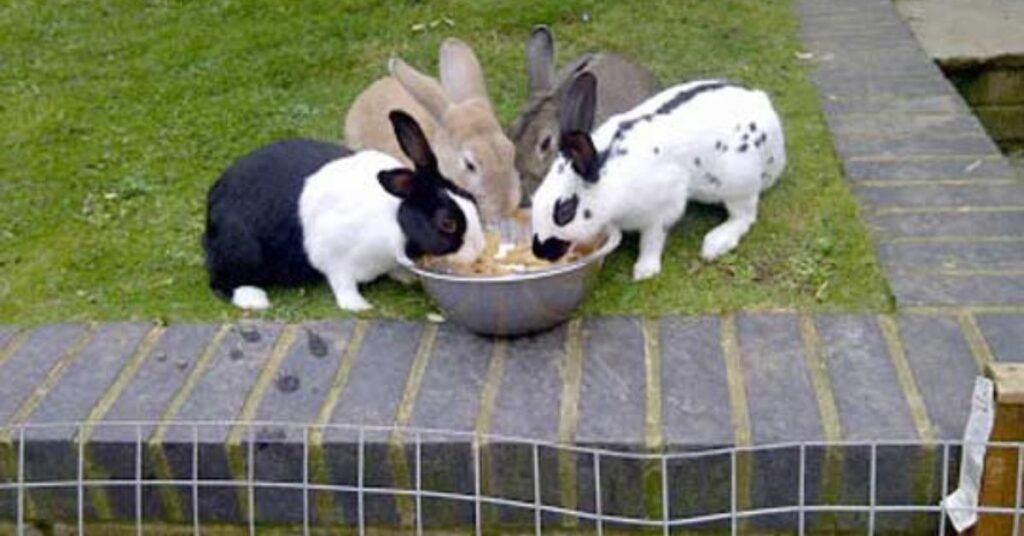
While can rabbits eat cabbage has a yes answer, better options exist. Romaine lettuce provides excellent nutrition with lower gas risk. It contains vitamins A and K without causing digestive upset. Feed romaine daily as a safe leafy green. Parsley offers high vitamin content and most rabbits love the taste. This herb is safe for regular feeding. Cilantro adds variety and provides good nutrition without gas concerns.
Basil is another herb that rabbits enjoy safely. It has a pleasant aroma and fresh flavor. Dandelion greens are highly nutritious and natural for rabbits. They contain more vitamins and minerals than cabbage. Carrot tops provide safe leafy greens with excellent nutrition. The greens are healthier than the carrot root itself. Bok choy offers a cabbage-like experience with less gas production. These alternatives give you many options for a varied, healthy diet.
Baby Rabbits and Cabbage
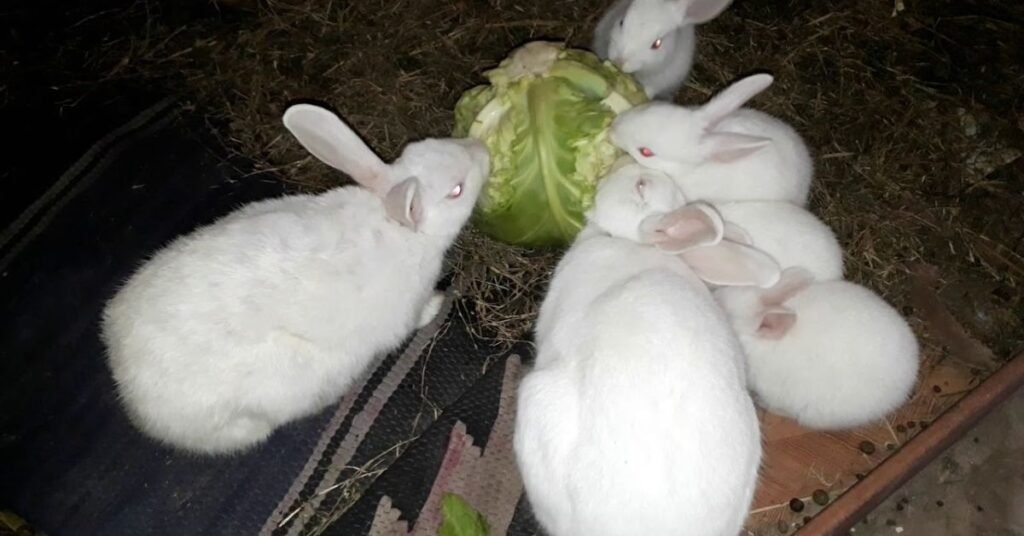
The question can rabbits eat cabbage has a firm no for baby rabbits. Young bunnies under twelve weeks old should never eat cabbage. Their digestive systems are still developing and extremely sensitive. Baby rabbits need only mother’s milk, hay, and gradually introduced pellets. Adding vegetables too early causes serious digestive problems. Even mild vegetables can trigger dangerous diarrhea in young rabbits.
Wait until your rabbit reaches at least three months old before offering any fresh vegetables. Start with gentle options like romaine lettuce and herbs. Only introduce cabbage after your rabbit handles other vegetables well. Even then, use extreme caution with very small amounts. Young rabbits face higher risks of bloating and gas complications. Their bodies cannot handle the compounds in cabbage effectively. Patience protects your baby rabbit from preventable health problems.
Creating a Balanced Rabbit Diet
Beyond asking can rabbits eat cabbage, focus on overall nutrition. Unlimited hay must always be available to your rabbit. Timothy hay is best for adult rabbits. This provides essential fiber for digestive health and dental care. Hay should make up the vast majority of what your rabbit consumes. Fresh water must be available at all times in a clean bowl or bottle. Change water daily to keep it fresh.
Rabbit pellets should be given in small amounts. Offer one-quarter to one-half cup daily based on rabbit size. Choose high-quality pellets formulated for rabbits. Fresh vegetables add variety and extra nutrients. Provide two to three cups of mixed vegetables daily. Include different types of leafy greens for balanced nutrition. Fruits are occasional treats only. Give tiny amounts once or twice weekly. This balanced approach keeps your rabbit healthy, active, and happy for years.
Conclusion
Cabbage can be a good treat for rabbits when served in small portions. It adds variety to their diet and offers helpful nutrients. Just make sure to introduce it slowly and watch for any signs of gas or discomfort.
A rabbit’s main food should always be hay, with vegetables like cabbage as extras. When served carefully, this leafy vegetable becomes a safe and enjoyable part of their weekly snacks. Your rabbit will stay happy and healthy with a balanced mix of foods.
FAQs
1. Can rabbits eat cabbage?
Yes, rabbits can eat cabbage, but it should be given in small amounts.
2. Is cabbage healthy for rabbits?
It has vitamins and fiber, but too much can cause gas or stomach discomfort.
3. How often should rabbits eat cabbage?
A small portion a few times a week is enough.
4. Which type of cabbage is safest?
Green, red, and savoy cabbage are all fine, but introduce them slowly.
5. Can baby rabbits eat cabbage?
No, young rabbits should avoid it until their stomachs are fully developed.
