

Introduction
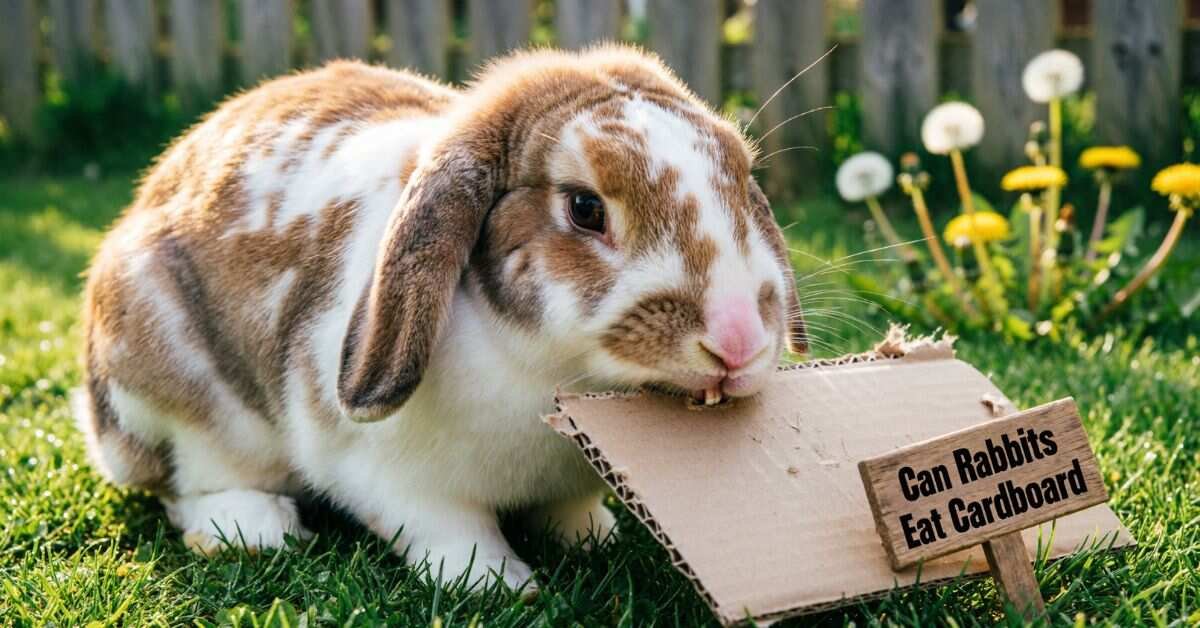
Many rabbit owners ask, can rabbits eat cardboard. Rabbits love to chew because their teeth grow all the time. They need safe items to keep their teeth short and healthy. Cardboard is easy to find in most homes. It may look harmless, but not every type is safe for rabbits.
You may see your rabbit nibbling on a box or a paper tube. It can look normal and even cute. Still, you might wonder again, can rabbits eat cardboard without getting sick. This is a common question for new rabbit owners. It is important to know the facts before giving cardboard to your pet.
So, can rabbits eat cardboard as part of their daily life? Cardboard can be a fun chewing toy. It may help with boredom and dental care. But it should never replace their main food. Rabbits still need hay, fresh water, and safe vegetables to stay healthy.
Can Rabbits Eat Cardboard Safely?
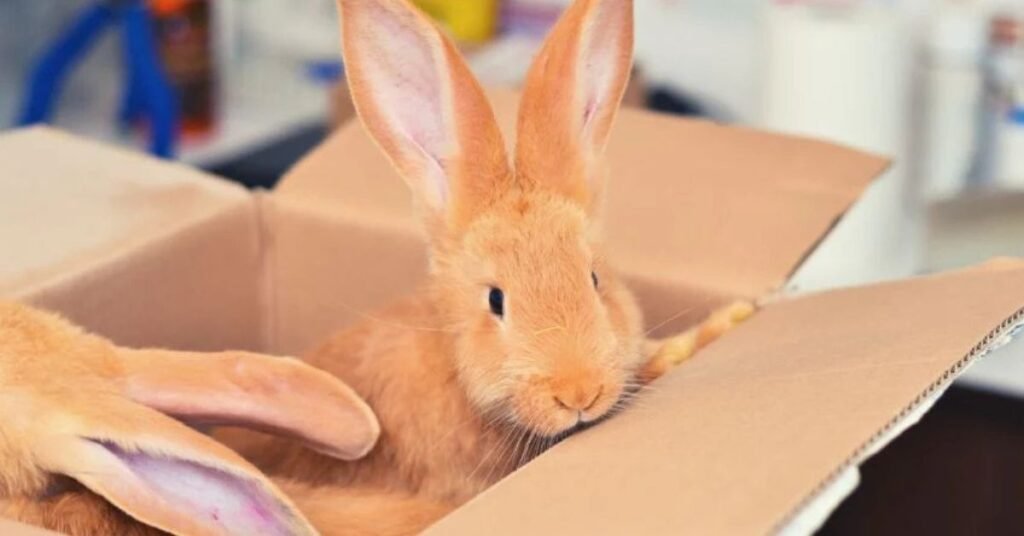
Many owners ask, can rabbits eat cardboard safely. Yes, but only in small amounts. Plain, clean cardboard is usually safe for chewing. It should not have ink, glue, tape, or labels on it. Too much cardboard can upset your rabbit’s stomach.
Cardboard should be a chew toy, not food. Rabbits may swallow small pieces while chewing. That is usually fine if they also eat plenty of hay. Hay helps their digestion work properly. Always watch your rabbit and remove any dirty or wet cardboard.
Is Cardboard Safe for Rabbits to Chew?
Cardboard can be a simple and safe chew toy for most rabbits. They love to rip and bite into it. This natural behavior keeps them busy and active. Plain brown cardboard is usually the best choice. Avoid shiny prints, strong inks, glue, or tape.
Even though it seems harmless, cardboard is not a snack. Rabbits may swallow tiny bits while chewing. Small pieces are often fine if they eat enough hay. But large amounts can slow down digestion. Always offer cardboard in moderation and focus on a healthy, hay-based diet.
Can Rabbits Digest Cardboard?
Rabbits can chew cardboard into small pieces. Some tiny bits may pass through their system. Their bodies are made to digest fiber from hay and grass. Cardboard is not the same as natural plant fiber. It does not give real nutrition to your rabbit.
If a rabbit swallows too much cardboard, it can cause problems. It may lead to a blocked stomach or slow digestion. This can be dangerous for rabbits. That is why cardboard should only be a chew toy. Fresh hay should always be the main part of their diet.
Why Do Rabbits Like to Chew Cardboard?
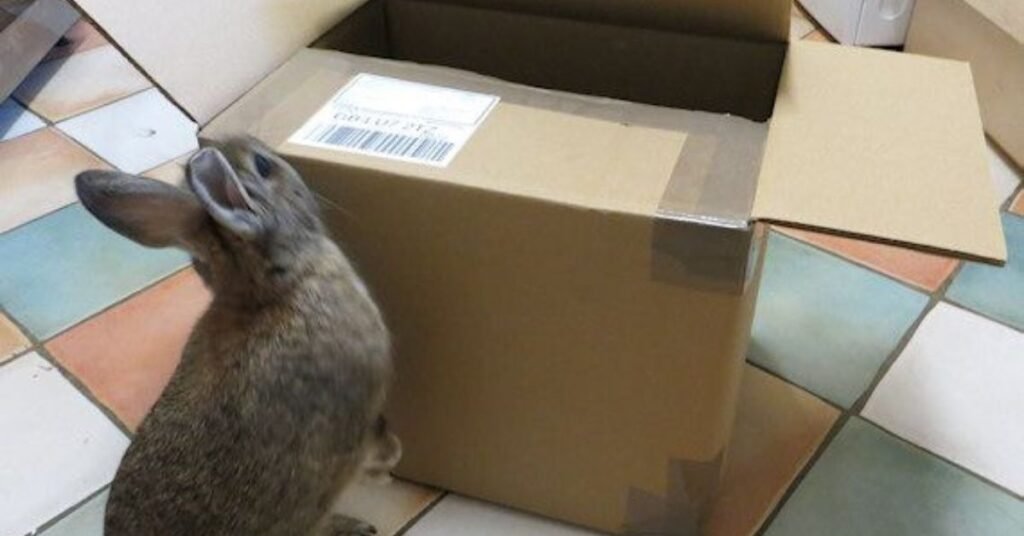
Rabbits have a natural need to chew every day. Their teeth keep growing throughout their life. Chewing helps wear them down in a healthy way. Cardboard has a texture that rabbits find satisfying. It is easy to grab, bite, and shred.
Rabbits also like cardboard because it gives them something to do. They enjoy digging, tearing, and making small messes. A cardboard box can feel like a small hideout or play area. It keeps their mind active and prevents boredom. This simple item can make them feel safe and entertained.
Natural Chewing Behavior in Rabbits
Rabbits are natural chewers. Their teeth grow all the time. They must chew to keep their teeth at the right length. In the wild, they chew grass, twigs, and bark. This is a normal and healthy habit.
Pet rabbits still have the same chewing needs. If they do not get safe items to chew, they may bite furniture or wires. Giving them the right materials keeps them safe and happy.
Common things rabbits like to chew:
- Fresh hay
- Untreated wooden sticks
- Cardboard boxes or tubes
- Safe chew toys made for rabbits
Does Cardboard Help With Rabbit Teeth?
Rabbits need to chew every day. Their teeth grow all the time. Chewing helps keep the teeth short and even. Cardboard gives them something safe to bite and tear. It can help a little with normal tooth wear.
Still, cardboard is not the best option for dental health. Hay is much better for their teeth. Rabbits should eat hay all day. The rough texture of hay wears down their teeth more effectively. Cardboard should only be a fun chew toy, not the main solution.
What Happens If a Rabbit Eats Cardboard?
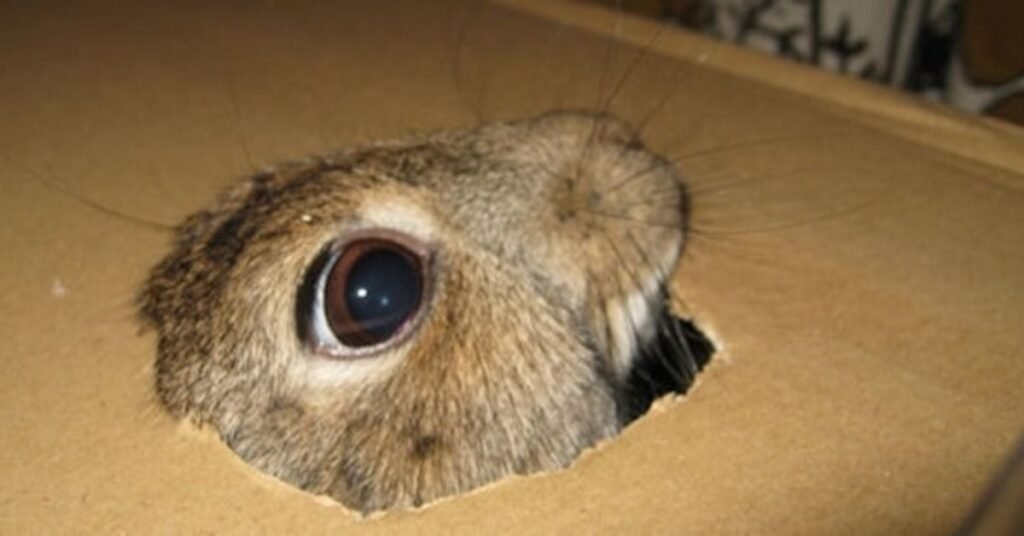
If a rabbit eats a small amount of plain cardboard, it is usually not harmful. Rabbits often swallow tiny pieces while chewing. These small bits may pass through the digestive system without trouble. This is more likely if the rabbit eats plenty of hay every day.
Problems can happen if a rabbit eats too much cardboard. Large amounts can slow down digestion. This may cause stomach pain or blockages. Rabbits have very sensitive stomachs. That is why cardboard should only be a chew toy, not a food.
Small Amount vs. Large Amount
A small amount of plain cardboard is usually not a problem. Rabbits may swallow tiny bits while chewing. These pieces often pass through the body without harm. This is safer when the rabbit eats a lot of hay. Hay helps keep the digestive system moving.
Eating a large amount of cardboard can be risky. It may slow down digestion or cause a blockage. Rabbits have sensitive stomachs and need a fiber-rich diet. Too much cardboard takes the place of healthy foods. This can lead to discomfort and serious health issues.
| Amount of Cardboard | What It Means | Possible Effect | Risk Level | What to Do |
| Very small pieces | Swallowed while chewing | Usually passes through digestion | Low | Keep giving hay and water |
| Small amount | Occasional nibbling | Minor or no issues | Low | Monitor rabbit and limit cardboard |
| Moderate amount | Regular eating of cardboard | Slower digestion possible | Medium | Reduce cardboard and increase hay |
| Large amount | Eating big chunks or daily intake | Stomach upset or blockage | High | Remove cardboard and watch for symptoms |
| Very large amount | Constant eating instead of hay | Serious digestive problems | Very high | Contact a vet immediately |
Is Cardboard Bad for Rabbits’ Health?
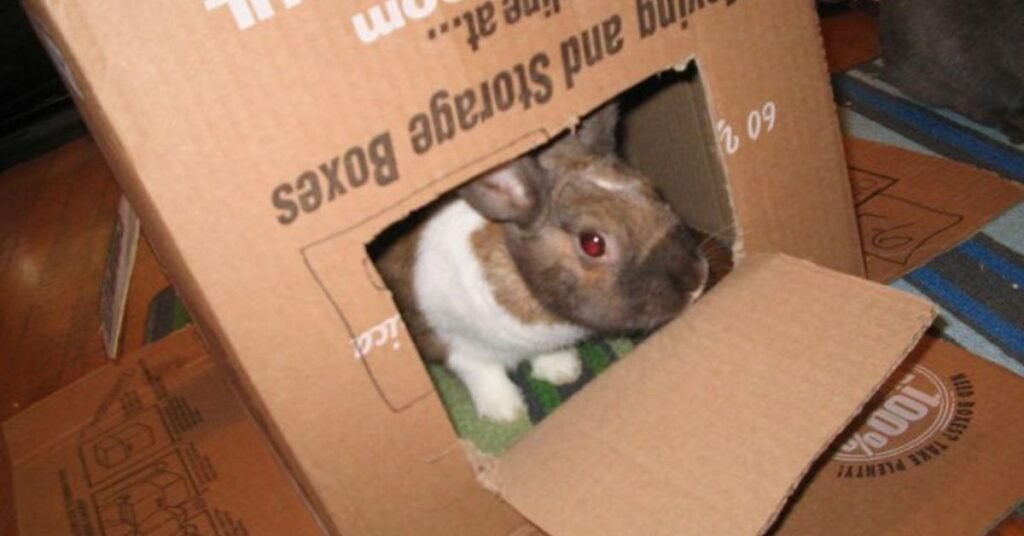
Cardboard is not always bad for rabbits. Plain and clean cardboard is usually safe in small amounts. Many rabbits chew it for fun. It can help with boredom and tooth wear. But it does not give any real nutrition.
Too much cardboard can cause health problems. It can slow down digestion or lead to blockages. Rabbits need a diet rich in fiber from hay. Cardboard should only be a chew toy, not a food source.
Possible problems from too much cardboard:
- Slow or blocked digestion
- Stomach discomfort
- Less interest in eating hay
- Risk of serious health issues
Risks of Ink, Glue, and Chemicals
Not all cardboard is safe for rabbits. Some boxes have colored ink on them. Others have glue, tape, or shiny coatings. These materials can contain harmful chemicals. Rabbits have very sensitive digestive systems.
If a rabbit chews cardboard with ink or glue, it can cause health problems. Chemicals may upset the stomach. They can also be toxic in large amounts. That is why plain, brown, untreated cardboard is the safest choice.
| Material on Cardboard | Where It Is Found | Possible Risk to Rabbits | Severity Level | Safe or Not? | What You Should Do |
| Plain brown cardboard | Shipping boxes without print | Very low risk in small amounts | Low | Safer option | Allow limited chewing |
| Colored ink | Printed logos and designs | Stomach upset or toxin exposure | Medium | Not recommended | Avoid printed areas |
| Glue | Box seams and layers | Digestive irritation | Medium | Risky | Remove glued parts |
| Tape (plastic) | Sealed box edges | Choking or blockage | High | Unsafe | Remove completely |
| Staples | Heavy packaging | Injury to mouth or stomach | Very high | Very unsafe | Never allow access |
| Shiny coating | Gift or food boxes | Chemical exposure | High | Unsafe | Do not give to rabbits |
| Labels and stickers | Shipping labels | Adhesive and ink risks | Medium to high | Unsafe | Peel off before use |
Can Cardboard Cause GI Stasis?
GI stasis is a serious digestive problem in rabbits. It happens when the stomach and intestines slow down or stop moving. Rabbits need a steady supply of fiber from hay to keep their gut active. Cardboard does not provide the right nutrients or moisture. Eating too much of it can upset the balance in their digestive system.
If a rabbit fills up on cardboard, it may ignore its hay. This can lead to fewer droppings and less appetite. The rabbit may also seem quiet or uncomfortable. These are early signs of GI stasis. To prevent this, cardboard should only be used as a small chew toy, while hay remains the main food every day.
How Much Cardboard Is Safe for Rabbits?
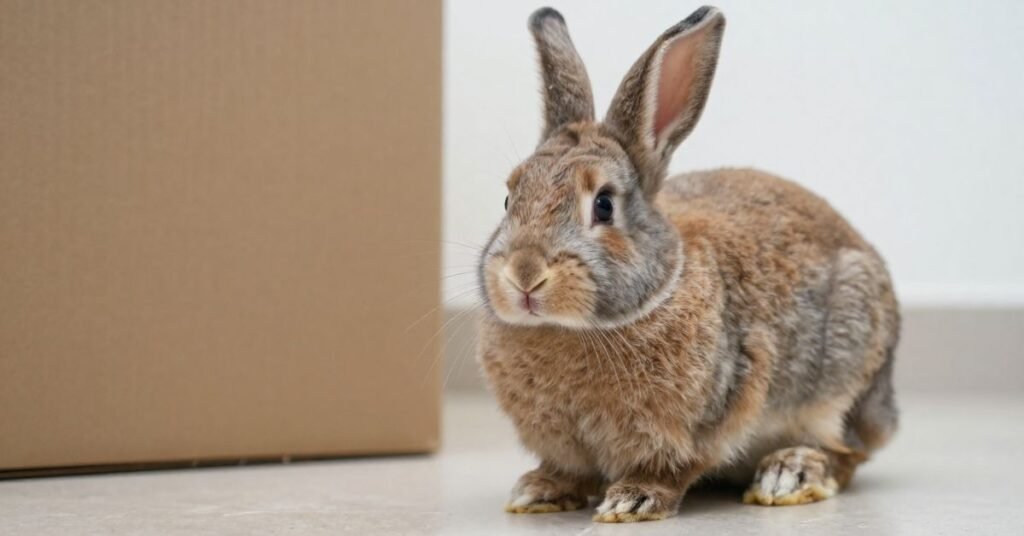
Rabbits should only have cardboard in small amounts. It is meant for chewing, not for eating as food. A small strip or a simple box to shred is enough. Most rabbits will nibble and tear it apart. That is normal behavior.
If your rabbit starts eating large pieces, remove it. Too much cardboard can take the place of healthy hay. Rabbits need hay all day to keep their stomach working well. Always choose plain, clean cardboard. Offer it sometimes, not all the time.
Plain Brown Cardboard vs. Printed Cardboard
Plain brown cardboard is the safest choice for rabbits. It usually has no heavy ink or shiny coating. Most shipping boxes are simple and untreated. Rabbits can chew small amounts of this type more safely. Still, it should only be a toy.
Printed cardboard is more risky. It often has colored ink, glue, or glossy layers. These materials may contain chemicals. Rabbits have delicate stomachs and can get sick easily. It is always better to choose plain, clean cardboard.
| Feature | Plain Brown Cardboard | Printed Cardboard | Risk Level | Safe for Rabbits? | Recommendation |
| Color | Natural brown | Colored or bright designs | Higher with prints | Plain is safer | Choose brown only |
| Ink | Little to none | Heavy ink and logos | Medium to High | Printed not recommended | Avoid printed areas |
| Coating | Usually none | May have glossy layer | High | Not safe | Do not use |
| Glue | Minimal (at seams) | Often more adhesive used | Medium | Risky | Remove glued parts |
| Chemicals | Very low | Possible chemical exposure | High | Unsafe in large amounts | Avoid completely |
| Best Use | Occasional chew toy | Should not be given | Low vs. High | Plain only | Offer in moderation |
When to Remove Cardboard Immediately
Remove the cardboard if it becomes wet or dirty. Damp cardboard can grow mold or bacteria. This can be harmful to your rabbit’s stomach. You should also remove it if it has ink, tape, or glue. Only plain, clean cardboard is safe for chewing.
Take the cardboard away if your rabbit starts eating large pieces. Chewing is normal, but swallowing big chunks is not safe. Watch for signs like less eating or fewer droppings. These can mean digestive trouble. In these cases, remove the cardboard and give more hay instead.
Safe Ways to Give Cardboard to Rabbits
Cardboard can be a fun and safe chew toy if given the right way. Always use plain, clean, and dry cardboard. Remove any tape, glue, or printed areas. Offer only small pieces at a time. This keeps your rabbit safe and prevents digestive problems.
You can also make cardboard more interesting for rabbits. Tear it into strips or small squares. Let them shred boxes or paper tubes. Always supervise if possible.
Tips for giving cardboard safely:
- Use plain brown cardboard only
- Remove all tape, staples, or glue
- Offer small pieces, not whole boxes
- Give cardboard occasionally, not every day
- Always provide plenty of fresh hay and water
Choosing Untreated, Ink-Free Cardboard
Not all cardboard is safe for rabbits. Printed or treated cardboard may have ink, glue, or chemicals. These can upset your rabbit’s stomach or be toxic. Always choose plain, brown cardboard. It is the safest option for chewing.
Check every piece before giving it to your rabbit. Make sure it is dry, clean, and free of stickers or tape. Even small amounts of harmful substances can be risky. Plain cardboard provides safe entertainment without affecting their health.
| Feature | Safe Cardboard | Unsafe Cardboard | Risk Level | Recommendation |
| Color | Natural brown | Colored, printed | Low vs. High | Choose brown only |
| Ink | None | Any printed logos or designs | Medium to High | Avoid all ink |
| Glue | Minimal or none | Heavy adhesive at seams | Medium | Remove glued parts |
| Coating | None | Shiny or glossy layer | High | Do not use |
| Stickers & Tape | None | Present | High | Peel off before giving |
| Cleanliness | Dry and clean | Dirty or damp | Medium to High | Always check before use |
| Purpose | Chewing toy | Food substitute | Low vs. High | Use as toy only |
DIY Cardboard Toys for Rabbits
You can make simple cardboard toys at home for your rabbit. Use plain, clean cardboard only. Cut boxes into small pieces or strips. Rabbits love to shred, chew, and toss them around. It keeps them busy and entertained.
You can also hide treats inside cardboard tubes or folded boxes. This makes chewing more fun and encourages natural digging behavior. Always supervise playtime to make sure they don’t eat too much. Remove any unsafe pieces like tape or glue.
What to Do If Your Rabbit Eats Too Much Cardboard
If your rabbit eats too much cardboard, act quickly. Remove any remaining cardboard immediately. Give your rabbit plenty of fresh hay and water. Hay helps the digestive system move and prevents blockages.
Watch your rabbit closely for signs of illness. Look for less eating, fewer droppings, or unusual behavior. These could mean stomach problems or GI stasis. If symptoms appear, contact a vet right away. Quick action can keep your rabbit safe and healthy.
Safe Alternatives to Cardboard for Rabbits
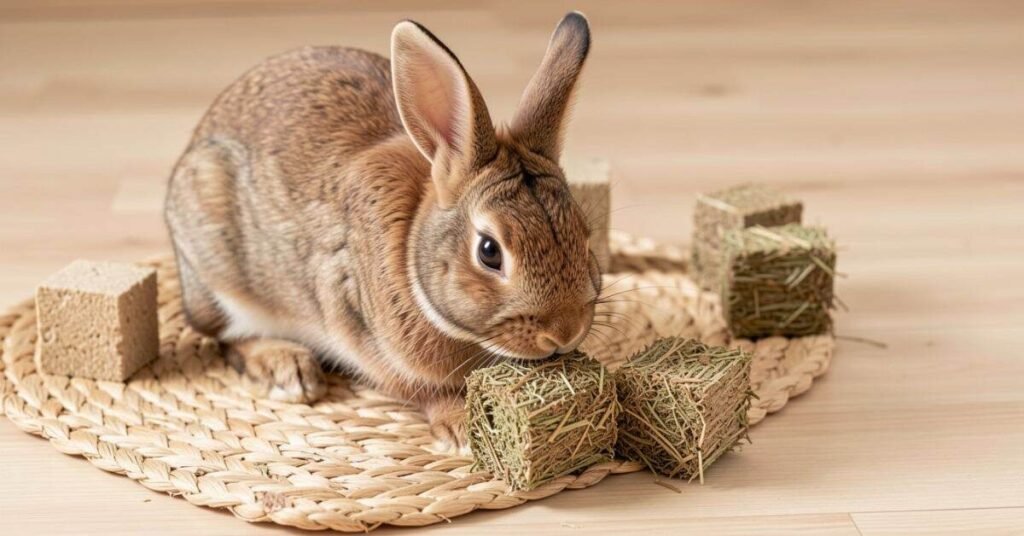
Cardboard is fun, but there are safer options for chewing. Rabbits need things that are natural and healthy for their teeth. Wood, hay, and paper toys can be great alternatives. These provide the same chewing satisfaction without the risks of ink or glue.
You can also use safe commercial toys made for rabbits. They are designed to be non-toxic and durable. Always check that the material is untreated and safe to eat a little.
Safe alternatives to cardboard:
- Untreated wooden sticks or blocks
- Fresh hay or hay cubes
- Paper towel or toilet paper tubes (plain and clean)
- Soft, chewable commercial rabbit toys
- Twigs from safe trees like apple or willow
Hay-Based Chew Toys
Hay-based chew toys are perfect for rabbits. They are made from compressed hay or hay strands. Rabbits can chew, nibble, and shred them safely. These toys also help wear down their teeth naturally.
Hay toys can be simple or shaped like balls, rings, or mats. You can even hide small treats inside to make playtime more fun. They are safe to eat and provide extra fiber. Hay-based toys keep rabbits busy and healthy at the same time.
Apple Wood and Other Safe Chews
Rabbits love chewing on natural wood. Apple wood is one of the safest options. It is untreated and non-toxic. Other safe woods include willow, pine (kiln-dried), and untreated fruit tree branches. Chewing wood helps rabbits wear down their teeth naturally.
Always check the wood before giving it to your rabbit. Remove any bark that has chemicals or mold. Avoid treated or painted wood. Offer wood sticks along with hay and toys for a balanced chewing routine.
| Wood Type | Safe for Rabbits? | Notes | Risk Level | Tips for Use |
| Apple Wood | Yes | Untreated, non-toxic | Low | Remove any pesticides, give small sticks |
| Willow | Yes | Soft, easy to chew | Low | Can be braided or left as branches |
| Kiln-Dried Pine | Yes | Must be kiln-dried | Low | Avoid fresh pine due to oils |
| Untreated Fruit Trees | Yes | Cherry, pear, plum, etc. | Low | Remove any leaves or bark with chemicals |
| Oak | No | Hard, may splinter | Medium | Avoid giving to rabbits |
| Treated or Painted Wood | No | Toxic chemicals | High | Never give to rabbits |
| Cedar | No | Aromatic oils are harmful | High | Avoid completely |
Conclusion
Rabbits can eat cardboard, but it must be plain and clean. Only small amounts should be given as a chew toy. Cardboard with ink, glue, or tape is not safe. Using cardboard correctly can keep your rabbit busy and happy.
If rabbits eat too much cardboard, it can cause digestive problems. Large pieces can slow down their stomach or even cause blockages. Always watch your rabbit when giving cardboard. Moderation is very important for safety.
There are safer options besides cardboard. Hay-based toys, untreated apple wood, and plain paper tubes are excellent alternatives. These items help wear down teeth and provide fiber. While cardboard is okay sometimes, these alternatives are better for daily chewing.
Always put your rabbit’s health first. Rabbits can eat cardboard occasionally, but hay and safe chew toys should be the main focus. Following these tips ensures your rabbit stays healthy, happy, and safe while enjoying safe chewing.
FAQs
1. Can rabbits eat cardboard safely?
Yes, rabbits can eat small amounts of plain, clean cardboard. It is safe as a chew toy but should never replace hay. Always avoid cardboard with ink, glue, or tape.
2. What happens if a rabbit eats too much cardboard?
Eating large amounts of cardboard can slow digestion and cause blockages. Rabbits may stop eating hay and show signs of stomach discomfort. If this happens, remove the cardboard and consult a vet.
3. Is printed or colored cardboard safe for rabbits?
No, printed or colored cardboard may contain harmful ink or chemicals. These can upset a rabbit’s stomach or be toxic. Always stick to plain brown, untreated cardboard.
4. How often can rabbits have cardboard?
Cardboard should only be given occasionally. Small pieces as a chewing toy are enough. Rabbits still need hay, fresh vegetables, and water as their main diet.
5. Are there safer alternatives to cardboard for chewing?
Yes, there are safer options. Hay-based toys, untreated apple wood, willow sticks, and plain paper tubes are excellent choices. They help wear down teeth and keep rabbits entertained safely.
