

Introduction
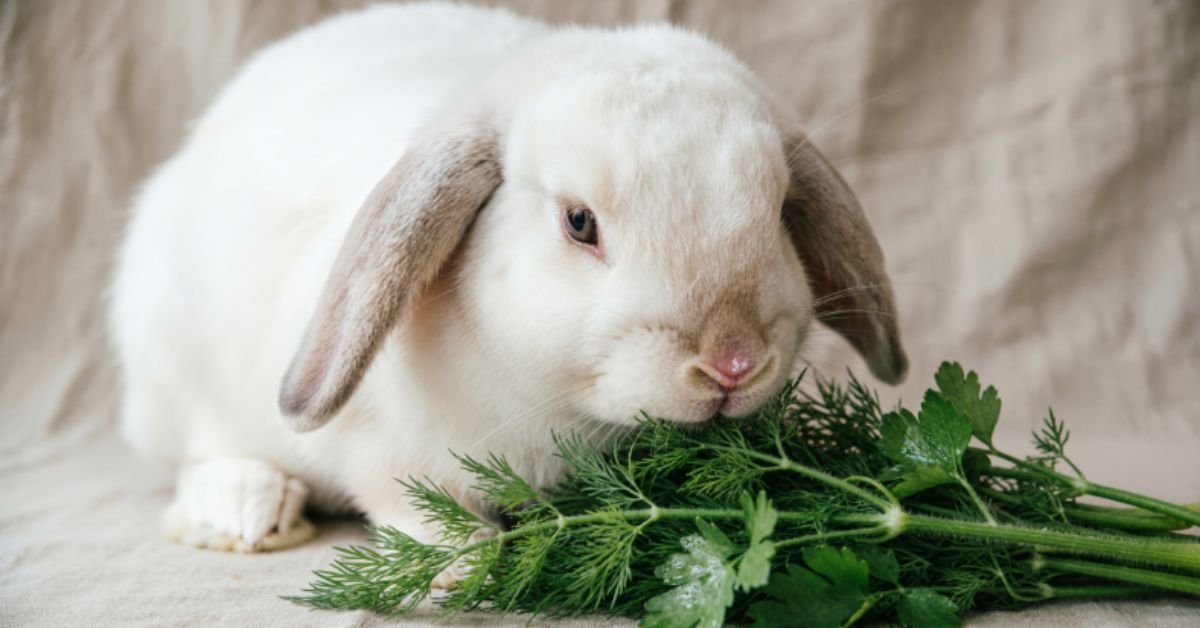
Rabbits are herbivores. They eat mostly hay, grass, and fresh leafy greens. Many herbs are safe for them in small amounts. Dill is a fragrant herb that people often use in cooking. Because it is a leafy plant, many rabbit owners wonder if rabbits can eat dill safely.
If you own a rabbit, you probably want to give it fresh and healthy foods. But not every plant or herb is safe for rabbits. Some foods can upset their stomach or cause health problems. This is why many owners ask an important question: can rabbits eat dill safely?
The good news is that dill can be a safe treat for rabbits when it is given in small amounts. It contains nutrients and has a fresh smell that many rabbits enjoy. In this article, we will explain can rabbits eat dill, whether it is safe, and how to feed it to your rabbit the right way.
Can Rabbits Eat Dill Safely?
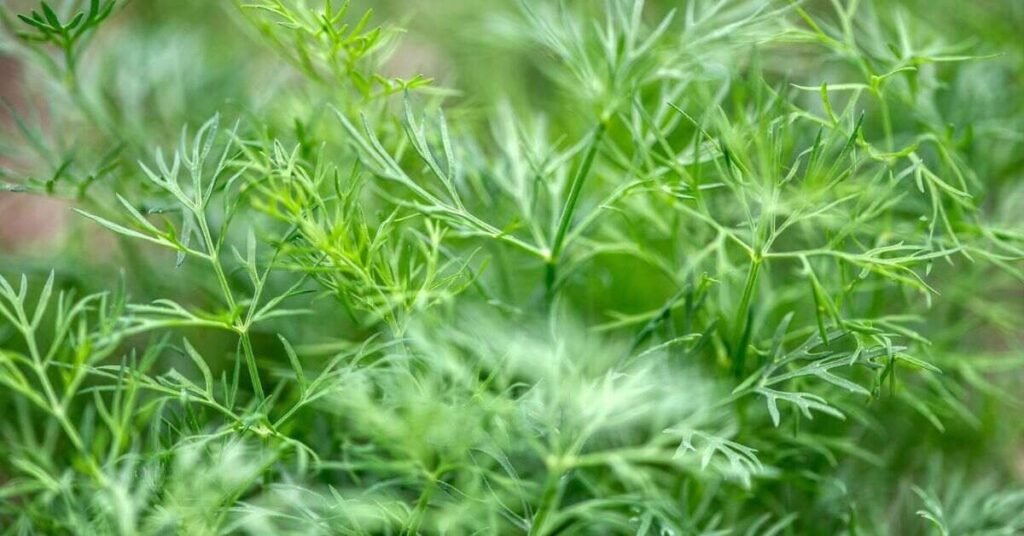
Yes, rabbits can eat dill safely. Dill is a fresh herb that many rabbits enjoy. It has a soft texture and a strong smell that attracts them. In small amounts, dill can be a healthy addition to a rabbit’s diet.
However, dill should only be given as a treat. Rabbits still need hay as their main food every day. Fresh herbs like dill should be offered in small portions along with other safe greens. Too much of any new food can upset a rabbit’s stomach, so it is best to introduce dill slowly.
Is Dill Safe or Toxic for Rabbits?
Dill is safe for rabbits to eat. It is a fresh herb with a strong smell. Many rabbits enjoy the taste. Dill contains helpful vitamins and minerals. It can support digestion and overall health. Rabbits can eat dill a few times a week in small amounts.
Even safe herbs should be fed carefully. Too much dill may upset a rabbit’s stomach. Always wash the herb before feeding. Fresh dill is better than dried dill. Introduce it slowly if your rabbit has never tried it before.
| Herb Name | Safe for Rabbits | Feeding Frequency | Portion Size | Health Benefit | Important Notes |
| Fresh dill | Yes | 3–4 times per week | Small handful | Supports digestion | Wash before feeding |
| Dill stems | Yes | Occasionally | Few pieces | Fiber support | Soft stems only |
| Dill leaves | Yes | 3–4 times per week | Small bunch | Vitamins and antioxidants | Fresh only |
| Dried dill | Limited | Rarely | Pinch amount | Mild flavor | Fresh is better |
| Organic dill | Yes | Regularly | Small handful | Chemical-free | Best option |
| Store-bought dill | Yes | Occasionally | Small bunch | Nutrients | Wash well |
| Baby rabbits | Limited | Rarely | Very small amount | Sensitive digestion | Introduce slowly |
| Overfeeding dill | No | Never large amounts | — | Digestive upset | Feed in moderation |
| Moldy dill | No | Never | None | Toxic risk | Always discard |
| Herb mix | Yes | Occasionally | Small portion | Variety | Mix with other greens |
Nutritional Benefits of Dill for Rabbits
Dill is a light and leafy herb that can offer small health benefits to rabbits. When given in small amounts, it adds extra nutrients to their diet. Rabbits often enjoy its fresh smell and soft leaves. This can make it a nice herb to mix with other safe greens.
Still, dill should only be a small part of a rabbit’s meals. The most important food for rabbits is hay, which keeps their digestion healthy. Fresh herbs like dill simply add variety. Feeding a little dill from time to time can make your rabbit’s diet more interesting.
Dill contains several useful nutrients, such as:
- Vitamin A : helps support good vision and healthy skin
- Vitamin C : supports the immune system
- Calcium : helps keep bones and teeth strong
- Iron : supports healthy blood circulation
- Natural plant fiber : helps support gentle digestion
Key Vitamins and Minerals in Dill
Dill is a fresh herb that can add small nutrients to a rabbit’s diet. It contains vitamin A, which helps keep a rabbit’s eyes and skin healthy. Rabbits also get a little vitamin C from dill. This vitamin supports the immune system and helps the body stay strong. Because dill is light and fresh, many rabbits enjoy eating it.
Dill also provides several minerals that support body functions. Calcium helps build strong bones and teeth. Potassium supports muscles and normal body movement. The herb also has small amounts of fiber and antioxidants. These nutrients help digestion and protect body cells. Still, dill should only be offered as a small herb treat.
| Nutrient | Presence in Dill | How It Helps Rabbits | Nutrient Strength | Feeding Tip |
| Vitamin A | Present | Supports vision and skin health | Moderate | Offer in small portions |
| Vitamin C | Present | Helps immune defense | Low | Give occasionally |
| Calcium | Present | Builds strong bones and teeth | Moderate | Do not overfeed |
| Potassium | Present | Helps muscle and nerve function | Moderate | Safe in moderation |
| Fiber | Small amount | Supports gut movement | Low | Hay remains the main fiber |
| Iron | Small amount | Helps healthy blood flow | Low | Minor nutrient source |
| Magnesium | Small amount | Supports nerve health | Low | Occasional benefit |
| Antioxidants | Present | Protect body cells | Moderate | Fresh herbs are best |
| Water content | High | Helps hydration | Moderate | Serve fresh only |
| Natural plant oils | Present | Adds smell and flavor | Low | Feed in small amounts |
How Much Dill Can Rabbits Eat?
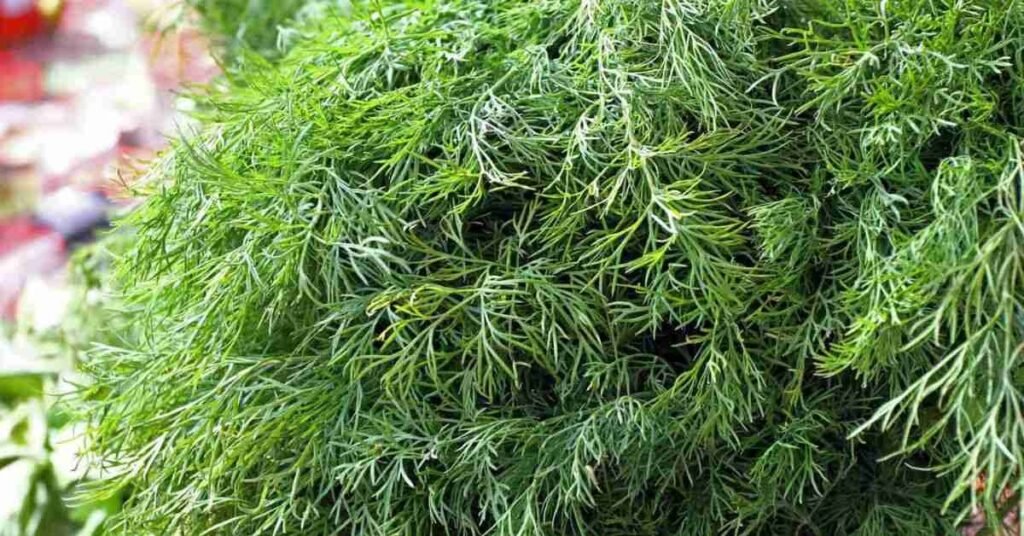
Rabbits can eat dill, but only in small amounts. A few fresh sprigs or a small handful of leaves is enough for one serving. Dill should be given as a treat, not as a main food. Too much dill may upset a rabbit’s stomach.
It is best to offer dill only a few times a week. You can mix it with other safe leafy greens to create a balanced meal. Always watch your rabbit after trying a new food. If there are no digestive problems, you can continue giving small portions of dill.
Recommended Serving Size for Rabbits
Rabbits can enjoy dill, but the portion should stay small. A little fresh dill is enough to give your rabbit a new taste. It should be treated like a light snack, not a daily meal. Giving too much at once may upset your rabbit’s digestion.
It is best to mix dill with other safe leafy greens. This keeps your rabbit’s diet balanced and healthy. Always start with a small amount when feeding dill for the first time. If your rabbit reacts well, you can offer it occasionally.
Simple serving tips for dill:
- Give 2–3 small sprigs at a time
- Offer dill 2–3 times per week
- Mix it with other leafy greens like romaine lettuce or cilantro
- Wash the dill well before feeding
- Always keep hay as the main food in your rabbit’s diet
How to Introduce Dill to a Rabbit’s Diet
When giving dill to your rabbit for the first time, start with a very small amount. A few fresh leaves are enough for the first try. This helps you see how your rabbit reacts to the new food. Rabbits have sensitive stomachs, so new foods should always be introduced slowly.
After feeding a small portion, watch your rabbit for any changes. Make sure its droppings stay normal and that it continues to eat and act normally. If everything looks fine, you can give dill again after a few days. Over time, dill can become a small and occasional treat in your rabbit’s diet.
Steps to Feed Dill Safely
Feeding dill to your rabbit is simple if you follow a few steps. First, always choose fresh and clean dill. Avoid wilted or spoiled leaves. Wash the dill thoroughly to remove any dirt or chemicals. Small, fresh portions are best for your rabbit’s health.
Next, introduce dill slowly into your rabbit’s diet. Start with just a few leaves and observe your rabbit. Mix dill with other safe leafy greens to keep the diet balanced. Never give too much at once, and always provide plenty of hay.
Steps to feed dill safely:
- Choose fresh dill : soft leaves and healthy stems
- Wash well : remove dirt and chemicals
- Start small : a few leaves for the first time
- Mix with other greens : keep meals balanced
- Monitor your rabbit : watch for digestive issues
- Feed occasionally : 2–3 times per week is enough
Health Benefits of Dill for Rabbits
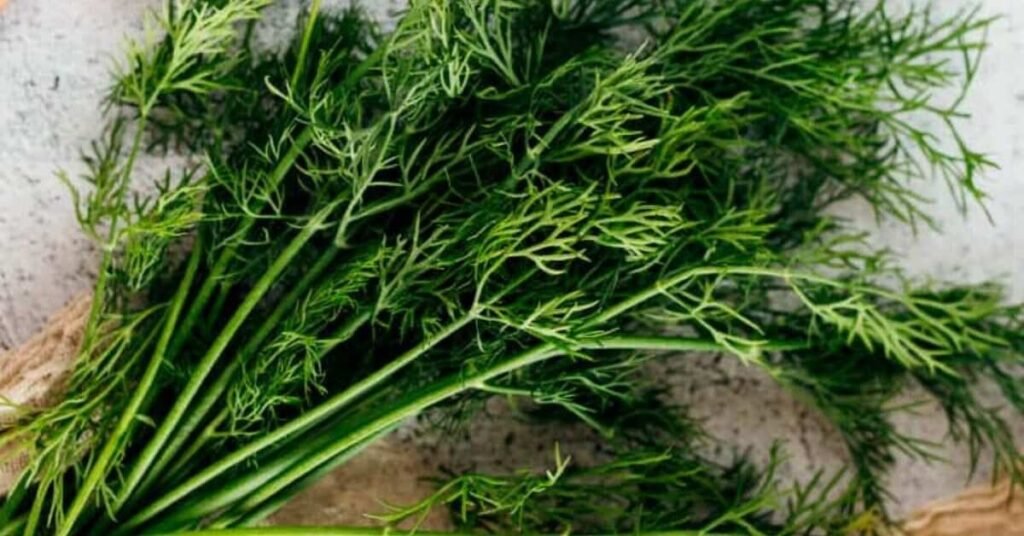
Dill can offer small health benefits to rabbits when fed in moderation. It is a natural herb with vitamins and minerals that support overall well-being. Rabbits enjoy its fresh taste, which can also encourage them to eat more greens. Adding dill occasionally can make their diet more interesting and nutritious.
Even though dill is beneficial, it should not replace hay or main leafy greens. It works best as a treat to complement a balanced diet. Feeding dill in small amounts can support digestion, immunity, and general health.
Health benefits of dill for rabbits:
- Supports digestion : gentle fiber helps stomach function
- Boosts immunity : contains vitamin C for overall health
- Promotes healthy bones : small amounts of calcium and minerals
- Encourages eating : fresh smell and taste can make rabbits eat more greens
- Adds variety : prevents boredom from eating the same foods every day
Digestive and Immune Support
Rabbits need strong digestion to stay healthy. Their stomach works best with high-fiber foods. Fresh herbs and leafy greens can help support this process. Fiber keeps the gut moving and prevents blockages. Clean water also helps digestion work smoothly. A healthy digestive system allows rabbits to absorb nutrients better.
The immune system protects rabbits from illness. Good nutrition plays an important role. Vitamins and minerals from fresh foods help the body stay strong. Clean housing and proper diet also reduce disease risk. When rabbits eat balanced food, they stay active and alert. Healthy digestion and strong immunity often work together.
| Support Type | Helpful Food Source | Key Nutrient | Benefit for Rabbits | Frequency | Important Note |
| Digestive support | Timothy hay | Fiber | Keeps gut moving | Daily | Main food source |
| Digestive support | Leafy greens | Fiber & water | Prevents constipation | Daily | Wash before feeding |
| Digestive support | Fresh herbs | Natural oils | Helps gut balance | Few times a week | Small portions |
| Digestive support | Cucumber | Water | Helps hydration | Occasionally | Low nutrition |
| Digestive support | Zucchini | Fiber | Gentle digestion | 2–3 times/week | Serve raw |
| Immune support | Parsley | Vitamin C | Supports body defense | Few times a week | Do not overfeed |
| Immune support | Basil | Antioxidants | Protects body cells | Occasionally | Fresh leaves only |
| Immune support | Bell pepper | Vitamin C | Strengthens immunity | Few times a week | Remove seeds |
| Immune support | Dandelion greens | Vitamins A & C | Boosts health | Weekly | Pesticide-free |
| Immune support | Clean water | Hydration | Supports body systems | Daily | Always available |
Potential Risks of Feeding Dill to Rabbits
Dill is safe for rabbits, but too much can cause problems. Rabbits have very sensitive stomachs. Large portions of dill may lead to digestive upset. Soft stools or gas can appear if a rabbit eats too much. This is why dill should only be given in small amounts.
Another risk is introducing dill too quickly. A sudden diet change can disturb gut bacteria. Some rabbits may also be sensitive to strong herbs. Always wash dill well to remove dirt or chemicals. Feed it slowly and watch your rabbit for any unusual signs.
| Risk Factor | Cause | Possible Symptoms | Severity Level | Prevention Tip |
| Overfeeding dill | Large portions | Soft stools | Medium | Give small amounts |
| Sudden diet change | Introducing dill quickly | Digestive upset | Medium | Add slowly |
| Sensitive digestion | Rabbit reacts to herbs | Gas or bloating | Medium | Monitor closely |
| Chemical exposure | Unwashed herbs | Illness | High | Wash before feeding |
| Pesticides | Treated dill plants | Toxic reaction | High | Use organic herbs |
| Moldy dill | Spoiled leaves | Poisoning risk | High | Discard old herbs |
| Wet herbs | Too much moisture | Stomach upset | Low | Dry after washing |
| Mixed herb overload | Too many herbs at once | Digestive imbalance | Medium | Feed variety slowly |
| Poor diet balance | Too many treats | Weight gain | Medium | Focus on hay |
| Ignoring symptoms | Delayed care | Health decline | High | Contact a vet |
Signs Your Rabbit Ate Too Much Dill
Rabbits can enjoy dill in small amounts. But eating too much dill may upset their stomach. Dill has strong flavor and oils that may not suit a rabbit if eaten in large quantities. When a rabbit eats too much, its digestion can slow down or become uncomfortable.
Rabbit owners should watch their pets after feeding herbs like dill. Some rabbits may show clear signs that their stomach is not feeling well. If you notice unusual behavior, reduce the amount of dill next time and offer more hay and water.
Common signs your rabbit ate too much dill:
- Soft or watery droppings
- Smaller or fewer droppings than usual
- Loss of appetite
- Bloated or uncomfortable stomach
- Lethargy or less movement
- Refusing other foods like hay or pellets
Other Safe Herbs Rabbits Can Eat
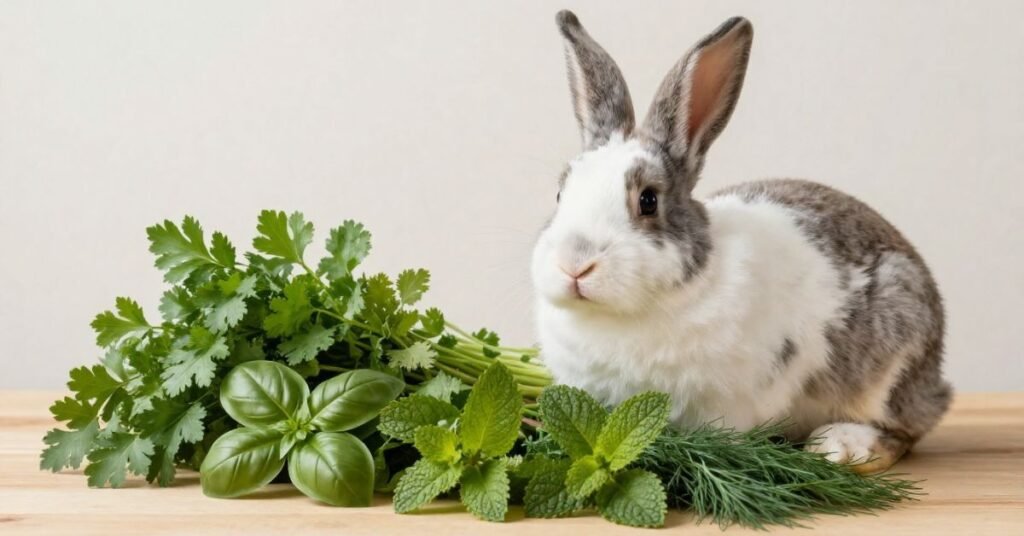
Rabbits can eat several fresh herbs along with dill. These herbs add flavor and variety to their meals. Most rabbits enjoy the smell and taste of fresh herbs. They also provide small amounts of vitamins and nutrients. Always wash herbs well before feeding them to your rabbit.
Herbs should be given as a small part of the diet. The main food for rabbits should always be hay. Fresh herbs can be mixed with leafy greens to make meals more interesting. Introduce one herb at a time so you can see how your rabbit reacts.
Some safe herbs for rabbits include:
- Basil
- Parsley
- Mint
- Cilantro (Coriander)
- Thyme
- Rosemary
- Oregano
- Sage
Healthy Herb Alternatives to Dill
If your rabbit does not like dill, there are many other herbs you can offer. Fresh herbs are a good way to add taste and variety to your rabbit’s meals. They also provide small nutrients that support overall health. Always give herbs in small amounts and mix them with other greens.
Introduce new herbs slowly. Rabbits have sensitive digestive systems, so sudden changes can cause stomach issues. Wash the herbs well and make sure they are fresh before feeding them. Watching your rabbit after trying a new herb is always a good idea.
Healthy herb alternatives to dill include:
- Basil
- Mint
- Parsley
- Cilantro (coriander leaves)
- Thyme
- Rosemary
Conclusion
In the end, dill can be a safe herb for rabbits when it is given in small amounts. Many rabbits enjoy its fresh smell and soft leaves. It can be a simple way to add variety to their meals. However, it should only be a small part of their diet.
Hay should always be the most important food for rabbits. Fresh greens and herbs like dill should only be extra treats. Feeding too much of any herb can upset a rabbit’s stomach. That is why moderation is very important.
If you want to give dill to your rabbit, start with a small portion. Watch your rabbit to make sure it reacts well. If there are no problems, you can offer dill occasionally with other safe greens.
A balanced diet keeps rabbits healthy and happy. Fresh water, good hay, and a mix of safe vegetables are the key parts of their diet. When fed the right way, dill can be a small but enjoyable treat for your pet rabbit.
FAQs
1. Can rabbits eat dill every day?
No, rabbits should not eat dill every day. It is safe only in small amounts as a treat. Daily feeding of dill may upset their stomach or cause digestive issues. Hay and other leafy greens should remain their main diet.
2. Is dill toxic to rabbits?
No, dill is not toxic for rabbits. It is a safe herb when given in moderation. Only spoiled or chemically treated dill can be harmful, so always use fresh, clean dill.
3. How much dill can I give my rabbit?
A few small sprigs or leaves are enough per serving. Dill should be given 2–3 times per week at most. Always start with a small portion to see how your rabbit reacts.
4. Can baby rabbits eat dill?
Very young rabbits under 12 weeks should avoid dill. Their digestive systems are delicate and not ready for herbs yet. You can introduce dill slowly once they are older and eating solid foods.
5. What are the benefits of feeding dill to rabbits?
Dill provides small amounts of vitamins, minerals, and fiber. It can support digestion, boost immunity, and encourage rabbits to eat more greens. It also adds variety to their diet in a tasty way.
