


Introduction
Kale is a leafy green vegetable that many people enjoy. It is packed with vitamins, minerals, and fiber. Many rabbit owners wonder if this healthy vegetable is safe for their pets.
This question matters because feeding the wrong foods can upset a rabbit’s stomach. Some greens are safe, while others should be limited. That’s why understanding kale’s benefits and risks helps you make better choices for your rabbit’s health.
Kale can be a nutritious treat for rabbits when served in the right amount. It offers important nutrients but should not be given too often. With the right portion and proper feeding approach, kale can be a safe addition to your rabbit’s diet.
Is Kale Safe for Rabbits to Eat?
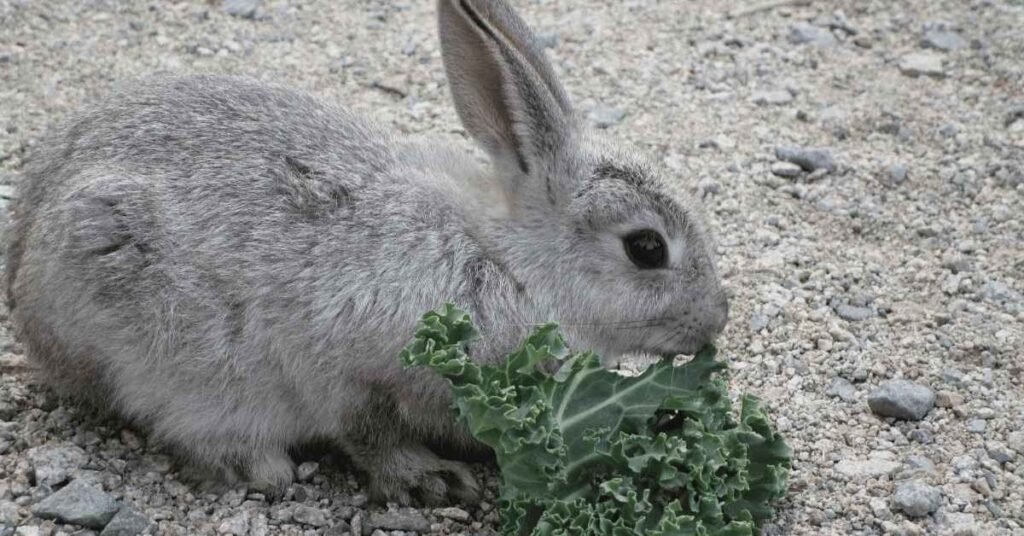
Kale is safe for rabbits when offered in small amounts. It contains vitamins and minerals that support their health. But it is also high in calcium, which can cause problems if rabbits eat too much. That is why moderation is very important.
Rabbits can enjoy kale as part of a balanced diet. It should be mixed with other leafy greens to avoid digestive issues. Always watch your rabbit after feeding new foods. If they show signs of discomfort, stop offering kale and choose a gentler vegetable.
Nutritional Benefits Rabbits Get from Kale
Kale gives rabbits a good boost of nutrients. It is rich in vitamins that support their eyes, immune system, and overall health. It also provides fiber, which helps keep their digestion steady. When given in small amounts, kale can be a healthy part of their weekly diet.
This leafy green also offers minerals that help rabbits stay active and strong. But because kale is powerful in nutrients, it should not be overfed. A small serving mixed with other greens works best.
Here are a few key benefits kale provides:
- Vitamin A for eye and skin health
- Vitamin C for immune support
- Vitamin K for healthy bones
- Fiber for better digestion
- Antioxidants for overall wellness
Common Misconceptions About Kale in a Rabbit’s Diet
Many people believe kale is harmful for rabbits, but this is not fully true. Kale is safe when served in small portions. The problem comes when rabbits eat it too often or in large amounts. Some owners avoid kale completely because they think it always causes digestive issues, but this usually happens only with overfeeding.
Another misconception is that kale should replace other greens. Rabbits need a mix of vegetables to stay healthy. Kale is just one option among many. When given carefully, it can be a helpful part of their diet. Here are a few common misunderstandings:
- “Kale is toxic for rabbits.” It is safe in moderation.
- “Kale causes instant stomach problems.” Issues appear only with excess.
- “Kale can be fed daily.” It should be rotated with other greens.
- “Baby rabbits can eat kale.” Young rabbits should have a gentler diet.
How Much Kale Can Rabbits Eat?
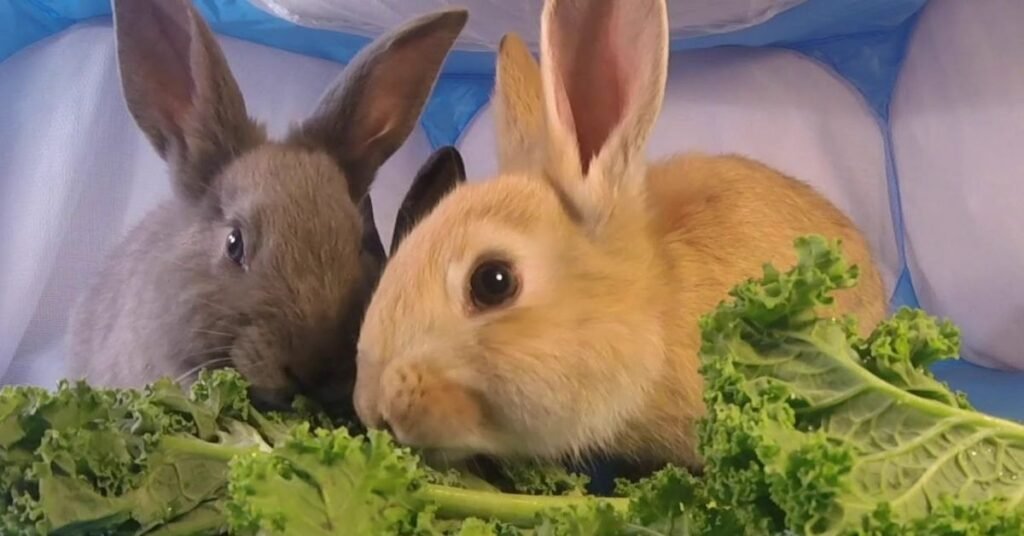
Rabbits should only eat a small amount of kale at a time. A few leaves or a small handful is enough for an adult rabbit. This helps them enjoy the nutrients without taking in too much calcium. It is best to serve kale only once or twice a week to avoid health problems.
Kale should also be mixed with other leafy greens. This gives your rabbit more variety and keeps their digestion balanced. Always watch how your rabbit reacts after eating kale. If they show signs of gas or soft stools, reduce the amount or remove it from their diet.
How to Prepare Kale for Your Rabbit
Preparing kale for your rabbit is simple. Start by washing it well to remove dirt and chemicals. Use fresh, crisp leaves instead of old or wilted ones. Remove the thick stems because they can be harder to digest. Cutting the leaves into small pieces also makes them easier for your rabbit to eat.
After preparing the kale, serve only a small portion. Mix it with other safe greens to balance the meal. Offer it slowly if your rabbit is trying it for the first time. Always watch your rabbit after feeding new foods to make sure they handle it well.
Choosing Fresh, Safe Kale Varieties
Picking the right kale is important for your rabbit’s health. Fresh kale should look bright, crisp, and green. Avoid leaves that are yellow, soft, or have dark spots. Organic kale is a better choice because it usually has fewer chemicals. Always choose clean, healthy-looking leaves to keep your rabbit safe.
Different types of kale offer slightly different textures and flavors. Some are softer, while others are more fibrous. Most varieties are safe as long as they are fed in small amounts. The table below can help you choose the best kale for your rabbit.
| Kale Variety | Safety Level for Rabbits | Texture & Taste | Notes for Feeding |
| Curly Kale | Safe in moderation | Crunchy, strong taste | Most common; serve small portions. |
| Lacinato (Dino) Kale | Safe in moderation | Softer, mild flavor | Easier to chew; good for sensitive rabbits. |
| Red Russian Kale | Safe in moderation | Tender, sweet | High in nutrients; offer in limited amounts. |
| Baby Kale | Safer, gentler option | Soft, mild taste | Best for introducing kale for the first time. |
| Purple Kale | Safe in moderation | Slightly bitter | Rich in antioxidants; feed only a small amount. |
| Kale Stems | Not recommended | Tough, fibrous | Hard to digest; remove before serving. |
Proper Cleaning and Preparation Steps
Cleaning and preparing kale properly is very important for your rabbit’s health. Dirt, pesticides, or bacteria on the leaves can make them sick. Always wash and check the leaves before serving.
Here is a step-by-step guide to prepare kale safely:
| Step | Details | Notes |
| Choose fresh leaves | Look for bright green, crisp leaves | Avoid yellow or wilted leaves |
| Rinse thoroughly | Wash under running water | Remove all dirt and possible chemicals |
| Soak if needed | 5–10 minutes in clean water | Helps remove stubborn dirt or pesticides |
| Dry completely | Use a clean towel or let air dry | Prevents mold or bacteria growth |
| Cut into small pieces | Tear or chop into bite-sized portions | Makes it easier for rabbits to eat |
| Serve fresh | Only provide what your rabbit can eat in one sitting | Avoid leaving leftovers for long periods |
Signs Kale Doesn’t Suit Your Rabbit
Not all rabbits react well to kale. Some may experience digestive issues like gas or diarrhea after eating it. Other signs include a loss of appetite or unusual behavior.
Watch your rabbit closely after introducing kale. If you notice bloating, soft stools, or discomfort, stop feeding kale and consult a vet. Observing these signs early helps keep your rabbit healthy and happy.
Different Types of Kale Rabbits Can Eat
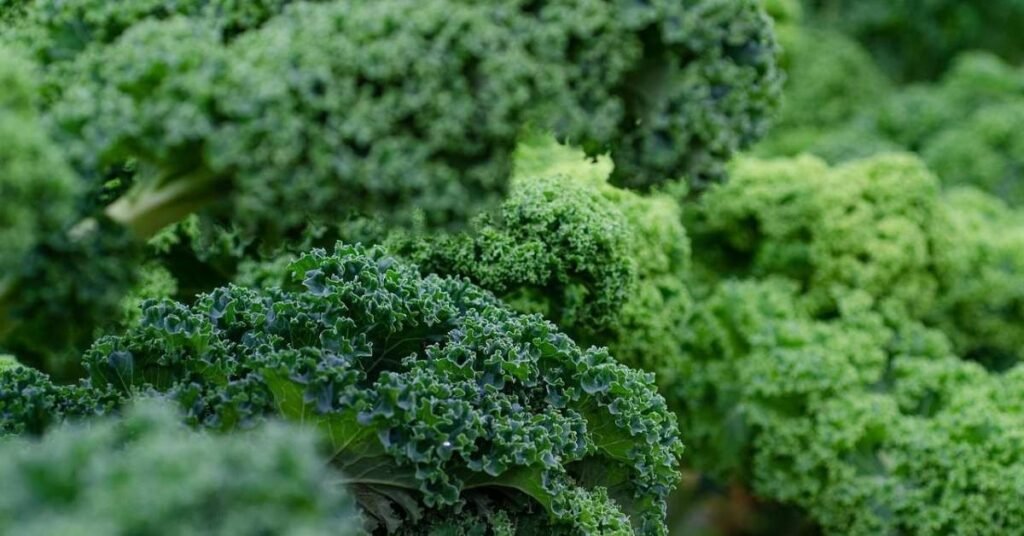
Rabbits can enjoy several types of kale safely. Each type has slightly different flavors and textures, which adds variety to their diet. Offering different kinds can keep your rabbit interested in fresh greens.
Here are some kale types safe for rabbits:
- Curly Kale : Mild and curly leaves, easy to chew.
- Lacinato Kale (Dinosaur Kale) :Dark, long leaves with a slightly sweeter taste.
- Red Russian Kale : Tender leaves with red stems, gentle on digestion.
- Siberian Kale : Soft leaves, good for variety in diet.
Signs of Allergy or Digestive Issues
Some rabbits may have mild allergies or digestive problems from certain foods, including kale. It’s important to watch your rabbit closely after introducing new vegetables. Early detection helps prevent serious health issues.
Common signs include:
- Diarrhea or soft stools
- Bloating or gas
- Loss of appetite
- Excessive scratching or skin irritation
- Lethargy or unusual behavior
Conclusion
Kale is a healthy and nutritious treat for rabbits when given in moderation. It provides essential vitamins and adds variety to their diet.
Always introduce kale slowly and watch for digestive issues. Choosing the right type and preparing it properly ensures your rabbit stays happy, healthy, and comfortable.
FAQs
1. Can rabbits eat kale every day?
Kale can be given a few times a week in small amounts, not as the main food.
2. Is raw kale safe for rabbits?
Yes, raw kale is safe, but wash it thoroughly and serve in small pieces.
3. Can kale cause digestive problems in rabbits?
Too much kale may cause gas or diarrhea, so moderation is key.
4. How should I introduce kale to my rabbit?
Make sure you start with a small amount and watch for any discomfort.
5. What are the best types of kale for rabbits?
Curly kale, Lacinato kale, Red Russian kale, and Siberian kale are all safe options.
