

Introduction
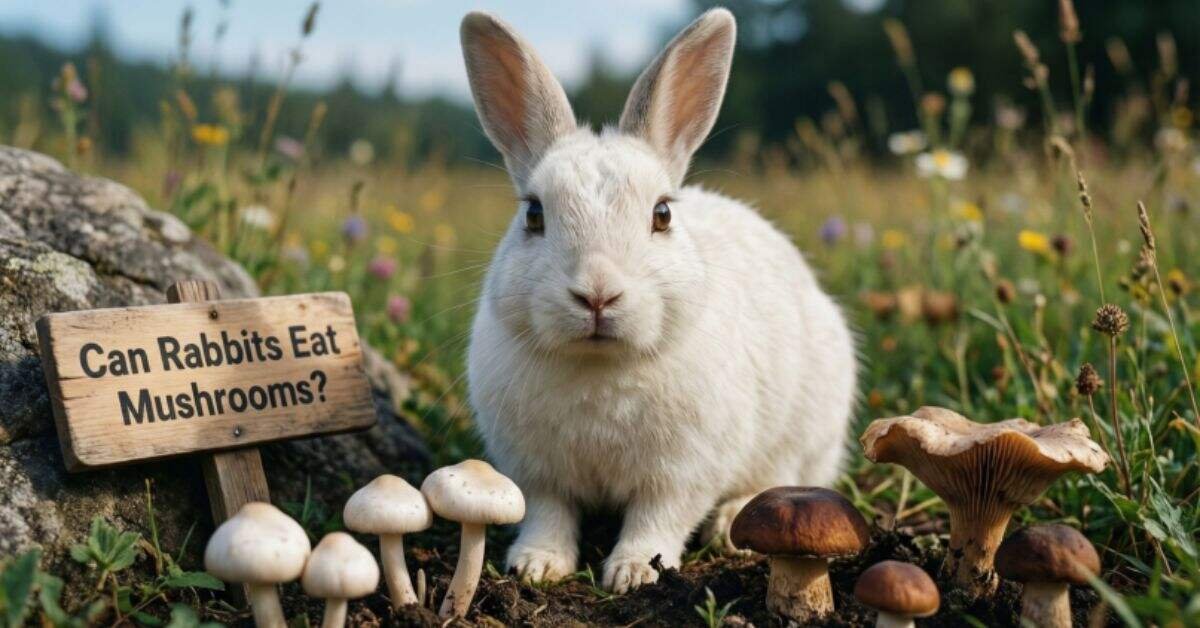
Rabbits are gentle herbivores. Their main diet is hay, fresh water, and leafy greens. Many owners like to offer small treats now and then. But not every food is safe for rabbits. Mushrooms grow in many places, and some are safe for humans. This makes many owners wonder if rabbits can eat mushrooms too.
You might see mushrooms in your kitchen or growing in your yard. It can feel natural to share a small piece with your pet. But mushrooms can be tricky. Some types are harmless, while others are very toxic. Rabbits cannot tell the difference. One wrong bite could lead to serious health problems.
So, can rabbits eat mushrooms safely? In most cases, mushrooms are not a good choice for rabbits. Their digestive system is very sensitive. Even store-bought mushrooms may cause stomach issues. It is always safer to stick to foods that are known to be rabbit-friendly. In this guide, you will learn the risks, symptoms to watch for, and safer alternatives.
Can Rabbits Eat Mushrooms Safely?
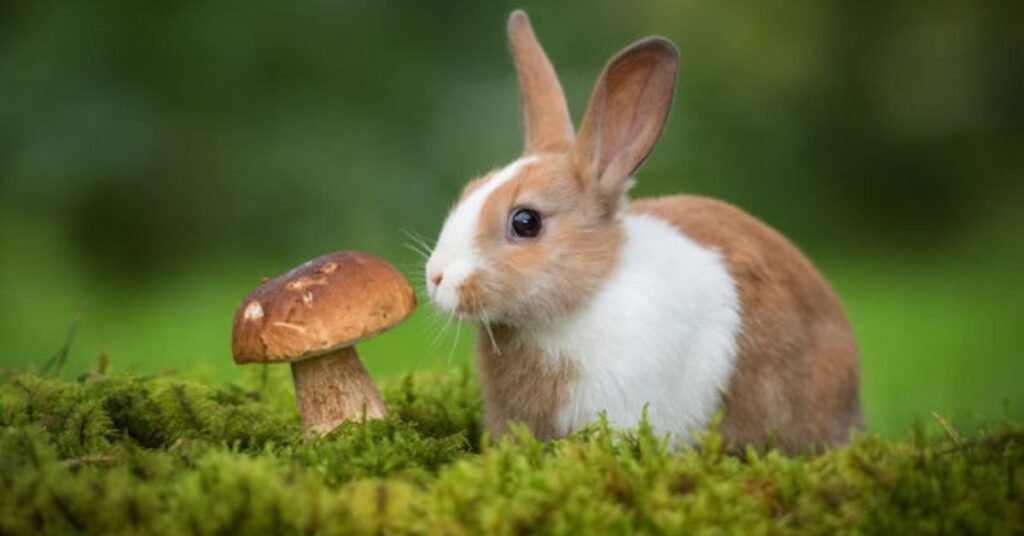
Rabbits should not eat mushrooms. Their bodies are very sensitive to new and unusual foods. Mushrooms are not part of a rabbit’s natural diet. Some mushrooms can be toxic, even in small amounts. Rabbits cannot tell which ones are safe or dangerous. Because of this, it is best to keep all mushrooms away from them.
Even store-bought mushrooms are not a good choice. They may not be toxic, but they can still upset a rabbit’s stomach. Rabbits need simple, high-fiber foods like hay and leafy greens. These foods keep their digestion healthy. Giving mushrooms can cause diarrhea, pain, or loss of appetite. It is always safer to stick with foods that are known to be safe for rabbits.
Are Mushrooms Toxic or Safe for Rabbits?
Mushrooms are not safe for rabbits. Many mushrooms contain natural toxins. It is hard to tell which ones are safe. Even store-bought mushrooms can cause problems. Rabbits have very sensitive digestion. Eating mushrooms may lead to stomach pain or illness.
Wild mushrooms are especially dangerous. Some types can be deadly. Rabbits should never eat mushrooms from the yard or forest. There are many safer foods to choose from. Leafy greens and herbs are better options. To stay safe, avoid mushrooms completely.
| Mushroom Type | Where Found | Toxic Risk for Rabbits | Possible Reaction | Safety Status |
| Wild mushrooms | Yards and forests | Very high | Poisoning | Extremely unsafe |
| Store-bought mushrooms | Grocery stores | Medium to high | Digestive upset | Unsafe |
| Raw mushrooms | Any source | High | Stomach pain | Unsafe |
| Cooked mushrooms | Any source | High | Gut irritation | Unsafe |
| Button mushrooms | Stores | Medium | Digestive issues | Unsafe |
| Portobello mushrooms | Stores | Medium | Bloating | Unsafe |
| Shiitake mushrooms | Stores | Medium | Diarrhea | Unsafe |
| Moldy mushrooms | Any source | Extreme | Severe poisoning | Deadly |
| Unknown species | Outdoors | Extreme | Fatal reaction | Deadly |
| Safe alternatives | Herbs and greens | None | Healthy digestion | Safe |
Types of Mushrooms Rabbits Should Never Eat
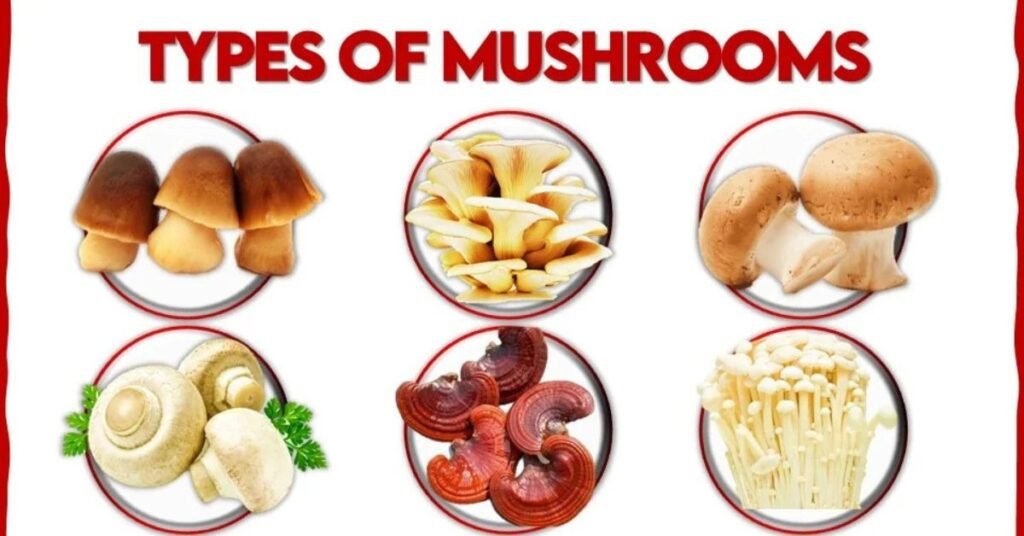
Rabbits should never eat any type of mushroom. Many wild mushrooms are highly toxic. Some can cause serious illness or even death. The danger is that most people cannot tell which mushrooms are safe. Rabbits also cannot choose the right ones. It is best to keep them away from all mushrooms, especially those growing outdoors.
Even mushrooms that look normal can be harmful. Some toxic types grow in lawns, forests, and gardens. A curious rabbit may nibble on them. This can lead to stomach pain, weakness, or worse. Always check your rabbit’s play area and remove any mushrooms you see.
Common dangerous mushrooms include:
- Wild mushrooms growing in yards or parks
- Toadstools with bright colors or spots
- Mushrooms with white gills or a strong smell
- Unknown or unidentified mushrooms
- Old or rotting mushrooms on the ground
Wild vs Store-Bought Mushrooms Explained
Wild mushrooms grow in forests, yards, and fields. They are very risky for rabbits. Many wild types contain strong toxins. It is hard to tell safe ones from dangerous ones. Even a small bite can cause serious illness. Because of this, wild mushrooms should always be avoided.
Store-bought mushrooms come from farms. They are safer for people, not for rabbits. Rabbits still cannot digest them well. These mushrooms may cause stomach upset. They also provide no real health benefit. Safer foods are leafy greens and herbs.
| Mushroom Type | Source | Toxic Risk | Digestive Safety for Rabbits | Main Concern | Safety Verdict |
| Wild mushrooms | Forests and yards | Very high | Very poor | Poisoning | Extremely unsafe |
| Unknown species | Outdoors | Extreme | None | Fatal toxins | Deadly |
| Button mushrooms | Grocery stores | Medium | Poor | Stomach pain | Unsafe |
| Portobello mushrooms | Grocery stores | Medium | Poor | Bloating | Unsafe |
| Shiitake mushrooms | Grocery stores | Medium | Poor | Diarrhea | Unsafe |
| Raw mushrooms | Any source | High | Very poor | Gut irritation | Unsafe |
| Cooked mushrooms | Any source | High | Very poor | Digestive stress | Unsafe |
| Moldy mushrooms | Any source | Extreme | None | Severe poisoning | Deadly |
| Human-safe mushrooms | Farmed | Medium | Poor | Not rabbit-safe | Unsafe |
| Safe alternatives | Greens and herbs | None | Excellent | Healthy digestion | Safe |
Why Mushrooms Are Dangerous for Rabbits
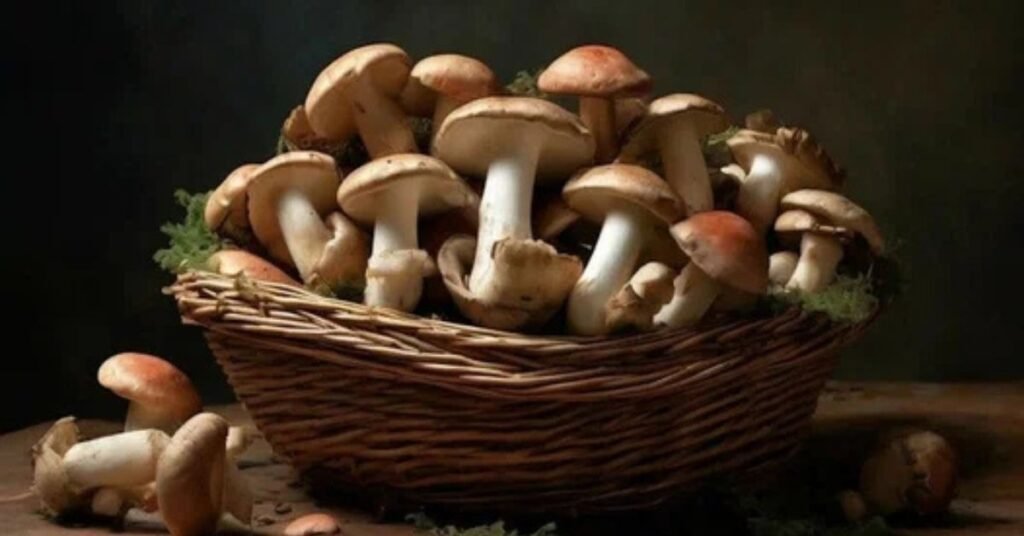
Mushrooms can be harmful to rabbits because some types contain strong toxins. These toxins can affect the stomach, liver, or nervous system. Rabbits have very sensitive digestive systems. Even a small amount of the wrong mushroom can cause serious problems. Rabbits also cannot tell which mushrooms are safe or poisonous.
Mushrooms are not part of a rabbit’s natural diet. Their bodies are built to digest hay, grass, and leafy greens. When they eat unusual foods like mushrooms, it can upset their gut. This may lead to diarrhea, pain, or loss of appetite. In severe cases, it can become life-threatening. That is why it is always safer to keep mushrooms away from rabbits.
Digestive Problems and Toxic Risks
Rabbits have very sensitive digestive systems. Some foods can upset their stomach quickly. Signs may include gas, bloating, or soft stools. Eating the wrong foods can slow digestion. This can cause pain and discomfort. In serious cases, digestion may stop.
Toxic foods are even more dangerous for rabbits. Small amounts can cause strong reactions. Symptoms may appear fast or take time. Weakness and loss of appetite are common signs. Poisoning can become life-threatening. Safe food choices are very important.
| Risk Type | Cause | Common Symptoms | Severity Level | Time to Show Signs | Safety Action |
| Digestive upset | High-fat foods | Gas and bloating | Medium | Few hours | Remove food |
| Diarrhea | Sugary foods | Loose stools | Medium | 6–12 hours | Monitor closely |
| Gut slowdown | Low-fiber diet | Small droppings | High | 12–24 hours | Vet visit |
| GI stasis | Blocked digestion | No eating | Very high | 24 hours | Emergency care |
| Mild toxicity | Unsafe plants | Lethargy | High | Few hours | Call vet |
| Severe poisoning | Toxic foods | Seizures | Extreme | Fast | Emergency |
| Dehydration | Reduced drinking | Dry mouth | High | 12 hours | Provide fluids |
| Weight loss | Poor digestion | Thin body | Medium | Days | Diet change |
| Long-term damage | Repeated exposure | Chronic illness | High | Weeks | Prevent exposure |
Symptoms of Mushroom Poisoning in Rabbits
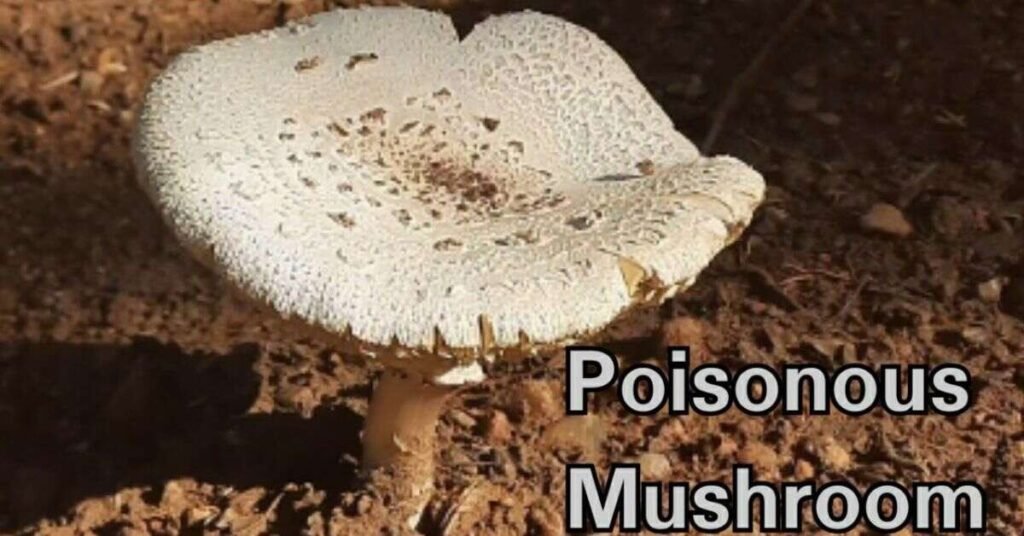
Mushroom poisoning can make a rabbit very sick. The symptoms may appear within a few hours. Sometimes they take longer to show. It depends on the type of mushroom and the amount eaten. Any strange behavior after eating a mushroom should be taken seriously.
Watch your rabbit closely if you think it ate a mushroom. Quick action can save its life. Contact a vet as soon as possible if you notice any unusual signs.
Common symptoms include:
- Loss of appetite
- Diarrhea or soft stools
- Stomach pain or bloating
- Lethargy or weakness
- Drooling or teeth grinding
- Trouble breathing
- Tremors or seizures
Warning Signs Every Rabbit Owner Should Know
Rabbits are good at hiding pain. This is a natural instinct to stay safe from predators. Because of this, small changes in behavior can mean something is wrong. A quiet rabbit that stops eating or moving much may be sick. Owners should pay attention to these early signs.
Check your rabbit every day. Make sure it is eating, drinking, and passing normal droppings. Sudden changes can be a warning sign. A hunched posture, teeth grinding, or hiding more than usual should not be ignored. Quick action and a visit to the vet can help keep your rabbit safe.
What to Do If Your Rabbit Eats Mushrooms
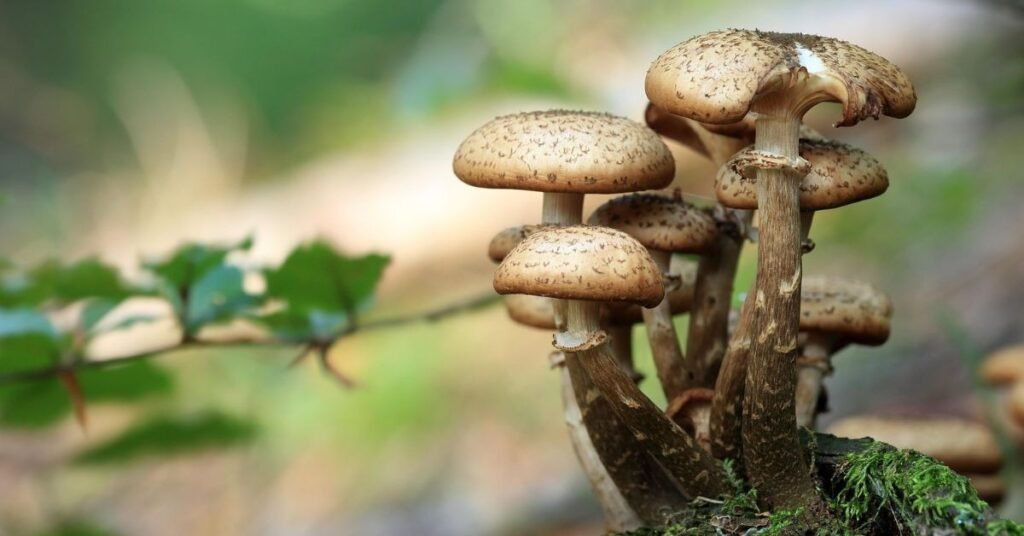
If you notice your rabbit has eaten a mushroom, act without delay. Gently remove any leftover pieces from its reach. Check the ground and its mouth to make sure no more pieces are there. Try to take a photo or bring a sample of the mushroom. This can help the vet identify the risk. Do not wait to see if symptoms appear.
Contact a rabbit-experienced vet right away. Explain what happened and when your rabbit ate it. Follow the vet’s instructions carefully. Keep your rabbit calm and in a quiet place. Make sure it has fresh water nearby. Fast action can improve the chances of a safe recovery.
Emergency Steps and When to Call a Vet
If your rabbit may have eaten a mushroom, act fast. Remove any mushrooms from the area. Check your rabbit’s mouth and paws. Keep your rabbit in a quiet and safe place. Do not try home remedies or force food or water. It is best to speak to a vet right away.
Call a vet immediately if you are unsure about the mushroom. Even small amounts can be dangerous. Early treatment can save your rabbit’s life. Watch your rabbit closely while you wait for help.
Call a vet at once if you notice:
- Loss of appetite
- Diarrhea or very small droppings
- Weakness or trouble moving
- Drooling or teeth grinding
- Shaking, tremors, or seizures
- Trouble breathing or sudden collapse
Safe Vegetables Rabbits Can Eat Instead
Rabbits need safe vegetables every day. These foods support digestion and energy. Leafy greens are the best choice. They are high in fiber and water. Vegetables should be fresh and clean. Always remove spoiled pieces before feeding.
New vegetables should be added slowly. Start with small amounts. Watch your rabbit’s droppings and behavior. If problems appear, stop that food. Variety is helpful but moderation matters. Safe vegetables keep rabbits healthy and active.
| Vegetable Type | Vegetable Name | Feeding Frequency | Portion Size | Main Benefit | Notes |
| Leafy green | Romaine lettuce | Daily | 1–2 leaves | Hydration | Avoid iceberg |
| Leafy green | Green leaf lettuce | Daily | Small handful | Fiber | Fresh only |
| Leafy green | Dandelion greens | Daily | Small bunch | High nutrients | Pesticide-free |
| Leafy green | Bok choy | 3–4 times/week | Small leaves | Vitamins | Introduce slowly |
| Herb | Cilantro | Daily | Small handful | Digestive health | Wash well |
| Herb | Basil | Daily | Few leaves | Immune support | Aromatic |
| Vegetable | Bell pepper | 3–4 times/week | Few slices | Vitamin C | Remove seeds |
| Vegetable | Zucchini | 2–3 times/week | Small pieces | Gentle digestion | Raw only |
| Vegetable | Cucumber | 2–3 times/week | Few slices | Hydration | Low nutrition |
| Vegetable | Celery | 1–2 times/week | Thin slices | Crunch | Cut strings |
| Vegetable | Broccoli leaves | 2–3 times/week | Small amount | Fiber | Avoid stems |
| Vegetable | Carrot tops | 3–4 times/week | Small bunch | Fiber | Better than carrots |
Healthy Alternatives to Mushrooms
Mushrooms are not safe for rabbits. There are many better foods to choose. Healthy alternatives are easy to find. These foods support digestion and energy. They also provide needed vitamins. Rabbits enjoy fresh and crunchy options.
Always choose rabbit-safe foods. Wash them well before feeding. Introduce new foods slowly. Give small portions at first. Watch for changes in droppings. Safe alternatives keep rabbits healthy and happy.
| Food Category | Safe Alternative | Feeding Frequency | Portion Size | Main Benefit | Notes |
| Leafy green | Romaine lettuce | Daily | 1–2 leaves | Hydration | Avoid iceberg |
| Leafy green | Dandelion greens | Daily | Small bunch | High nutrients | Pesticide-free |
| Herb | Cilantro | Daily | Small handful | Digestive support | Fresh only |
| Herb | Basil | Daily | Few leaves | Immune health | Aromatic |
| Vegetable | Bell pepper | 3–4 times/week | Few slices | Vitamin C | Remove seeds |
| Vegetable | Cucumber | 2–3 times/week | Few slices | Hydration | Low calories |
| Vegetable | Zucchini | 2–3 times/week | Small pieces | Gentle digestion | Raw only |
| Vegetable | Carrot tops | 3–4 times/week | Small bunch | Fiber | Better than carrots |
| Fruit | Apple (no seeds) | 1–2 times/week | 1–2 cubes | Natural sweetness | Treat only |
| Fruit | Blueberries | 1–2 times/week | 2–3 berries | Antioxidants | Limit sugar |
| Hay | Timothy hay | Unlimited | Free choice | Digestive health | Staple food |
| Dry treat | Hay-based snacks | Occasionally | Small piece | Dental health | No sugar added |
How to Build a Safe Rabbit Diet
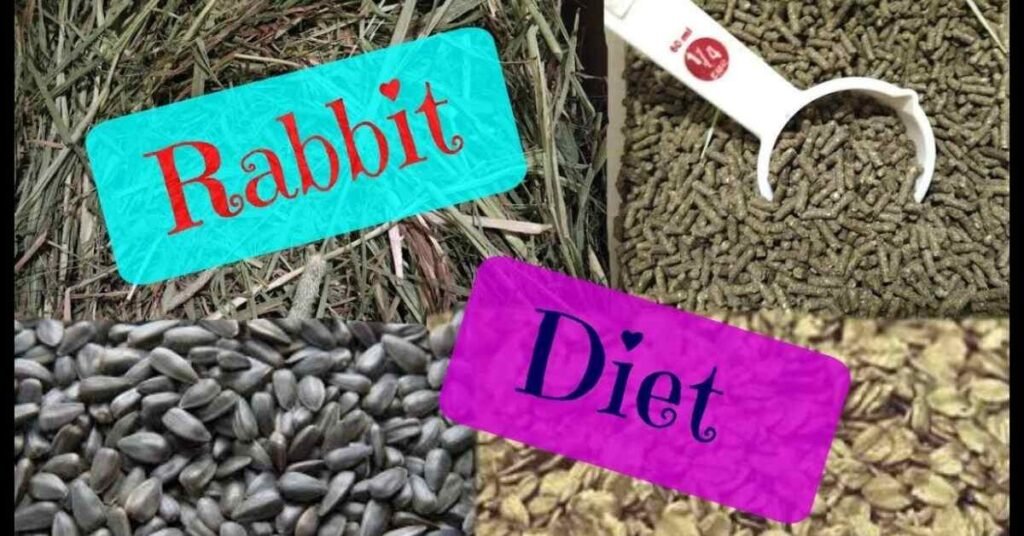
A healthy rabbit diet starts with hay. Hay should make up most of your rabbit’s daily food. It helps with digestion and keeps the teeth worn down. Fresh, clean water should always be available. Good quality pellets can be given in small amounts each day.
Add fresh vegetables to give variety and nutrients. Choose leafy greens that are safe for rabbits. Introduce new foods slowly to avoid stomach problems. Avoid sugary treats and unsafe foods like mushrooms. A simple and balanced diet will keep your rabbit active and healthy.
Foods That Support Long-Term Rabbit Health
A rabbit stays healthy with a natural, fiber-rich diet. Hay should fill most of the food bowl every day. It keeps the digestive system working well. It also helps wear down the teeth as they grow. Clean, fresh water is just as important. A small portion of quality pellets can be added for extra nutrients.
Fresh greens bring variety and vitamins to the diet. Choose safe leafy vegetables for daily meals. These foods help your rabbit stay active and maintain a healthy weight. Offer treats only once in a while and in tiny amounts. A simple, balanced menu will support your rabbit’s health for years to come.
Conclusion
Mushrooms are not safe for rabbits. Many owners wonder, can rabbits eat mushrooms? The answer is no. They can cause serious illness or even death. Rabbits have very sensitive stomachs, so it is best to avoid mushrooms completely.
Always pay attention to what your rabbit eats. Even small bites of the wrong food can be harmful. Stick to hay, fresh vegetables, and safe treats. Knowing can rabbits eat mushrooms helps you protect your rabbit and keep it healthy.
If your rabbit ever eats a mushroom, act immediately. Remove any leftover pieces and contact a vet. Quick action can save your rabbit’s life. Never try home remedies without professional advice. Asking can rabbits eat mushrooms early can prevent serious problems.
Focusing on safe foods is the best way to care for your rabbit. Offer fresh greens, hay, and a small amount of pellets daily. Avoid risky foods like mushrooms. Understanding can rabbits eat mushrooms helps ensure a long, happy, and healthy life for your rabbit.
FAQs
1. Can rabbits eat any type of mushroom?
No, rabbits should not eat mushrooms. Some mushrooms are highly toxic and even small amounts can make rabbits very sick. It is safest to avoid them completely.
2. What happens if my rabbit eats a mushroom?
Eating a mushroom can cause stomach pain, diarrhea, weakness, or even more serious health problems. Contact a vet immediately if this happens.
3. Are store-bought mushrooms safe for rabbits?
Even store-bought mushrooms are not recommended. They can still upset a rabbit’s digestive system and cause illness. Stick to safe vegetables instead.
4. What are safe foods I can give my rabbit instead of mushrooms?
Rabbits can eat hay, leafy greens, herbs like parsley and basil, and small amounts of vegetables like zucchini or bell peppers. These are gentle and healthy for them.
5. How can I prevent my rabbit from eating mushrooms?
Check your yard and remove any wild mushrooms. Keep mushrooms out of reach indoors. Always supervise your rabbit when outside and provide safe, healthy treats.
