

Yes, rabbits can eat oranges but only in very small amounts as an occasional treat. Oranges have high sugar content, so bunnies should only be allowed to eat oranges in moderation. These citrus fruits are not harmful to your bunny, but they should never replace the main diet of hay and fresh vegetables. Your fluffy friend might love the sweet taste of oranges, but too much can cause serious health problems. The key is to understand when and how to offer this treat safely.
If you are looking for a new treat for your rabbit, you might wonder if oranges are safe for it. The simple answer is yes, but with important rules. While oranges are not toxic for rabbits, they shouldn’t form any part of your rabbit’s diet. Think of oranges as a special snack, not regular food. Your bunny’s tummy is designed to digest hay and grass, not sugary fruits. When you give oranges the right way, your pet can enjoy this tasty treat without any problems. Always start with tiny pieces and watch how your rabbit reacts.
How Rabbits Can Eat Oranges Moderately
Rabbits have a unique digestive system that works differently from humans. Rabbits are monogastric, hindgut fermenting herbivores with bacteria in the cecum that help digest food. This special system needs lots of fiber to work properly. When rabbits eat too many sugary foods like oranges, it can upset the balance of good bacteria in their gut. This can lead to a dangerous condition called GI stasis, where the digestive system slows down or stops completely.
The main reason oranges should be limited is their sugar content. A serving of oranges contains significant grams of sugar. While this sugar is natural, it’s still too much for your rabbit’s system. Pet rabbits don’t move around as much as wild rabbits, which makes them more likely to gain weight. Too much sugar can also cause dental problems, upset stomach, and changes in normal gut bacteria. Your rabbit makes its own vitamin C, so it doesn’t need oranges for nutrition. The best diet for rabbits includes unlimited hay, fresh water, and leafy green vegetables.
Health Benefits When Rabbits Eat Oranges
Oranges do offer some nutritional benefits when fed correctly. Vitamin C, fiber, and antioxidants are abundant in oranges.These nutrients can support your rabbit’s immune system and help with tissue repair. The fiber in oranges, called pectin, aids digestion when combined with a fiber-rich diet of hay. Oranges also contain potassium, calcium, and magnesium which support bones, nerves, and joints.
The high water content in oranges can help keep your bunny hydrated. With their high water content, oranges help keep a rabbit hydrated. This is especially helpful during hot weather or if your rabbit doesn’t drink enough water. The antioxidants in oranges may also help protect cells from damage. However, these benefits only work when oranges are given as a rare treat. Fresh hay and leafy greens should always be the foundation of your rabbit’s diet. These foods provide the essential nutrients your bunny needs without the excess sugar that comes with oranges.
How Much Orange Can Rabbits Eat Safely?

Portion control is the most important rule when feeding oranges to rabbits. Don’t feed it to your rabbit more than once a week, and only in portions about the size of a bite. For most adult rabbits, this means about one to two teaspoons of orange flesh once or twice per week. The portion should match your rabbit’s body weight and activity level.
Here’s a simple portion guide based on rabbit size:
| Rabbit Weight | Orange Portion | Frequency |
| 2-3 lbs | 1 teaspoon | Once per week |
| 4-5 lbs | 1-2 teaspoons | Once per week |
| 6-8 lbs | 2 teaspoons | 1-2 times per week |
| Over 8 lbs | 2-3 teaspoons | 1-2 times per week |
A small slice of orange, no larger than a teaspoon-sized piece, is an appropriate portion. Always err on the side of giving less rather than more. Start with a piece the size of your fingernail and see how your rabbit reacts over the next day. If you notice any changes in behavior, droppings, or appetite, stop giving oranges immediately. Remember that baby rabbits should never eat oranges because their digestive systems are too sensitive.
Proper Way to Prepare Oranges for Rabbits
Before you offer an orange to your rabbit, you need to prepare it correctly. First, wash the orange thoroughly under running water to remove any pesticides or chemicals from the skin. Then peel the orange completely and remove all the white pitth.There is very little nutritional value in the peel and pith, which are bitter and chewy. These parts can be hard for rabbits to digest and may contain oils that upset their stomach.
Next, you must remove all seeds from the orange. Orange seeds contain anti-nutrients like nitrate, oxalate, and even cyanide in tiny amounts. While the amounts are small, rabbits are much smaller than humans, so these substances could be harmful. Seeds also pose a choking hazard. After removing seeds and peel, cut the orange into small, bite-sized pieces. Break apart the segments so your rabbit can easily chew them. Never give your rabbit orange juice, as it’s too concentrated in sugar and lacks the fiber found in fresh fruit. Dried oranges should also be avoided for the same reason.
Risks of Feeding Too Many Oranges to Rabbits
The biggest risk of overfeeding oranges is developing GI stasis or gastrointestinal stasis. GI stasis is a common condition in rabbits that causes decreased intestinal function and unbalanced intestinal bacteria. This happens when the digestive system slows down or stops working. The high sugar and low fiber content of oranges can disrupt the normal bacteria in your rabbit’s gut, leading to painful gas buildup and potential organ failure if left untreated.
Weight gain is another serious concern when rabbits eat too many oranges. The natural sugars can cause your bunny to become overweight, especially since house rabbits don’t exercise as much as wild rabbits. Obesity can lead to other health problems including heart disease and joint issues. Other risks include:
- Diarrhea or soft, watery droppings
- Tooth decay from excess sugar exposure
- Loss of appetite for hay and vegetables
- Bloating and gas accumulation
- Dehydration if the rabbit stops eating and drinking
The acidity in oranges can also upset your rabbit’s stomach. Some bunnies are more sensitive than others to citrus fruits. Watch for signs like hunched posture, teeth grinding, or reduced activity. These symptoms mean your rabbit is in pain and needs immediate veterinary care. Going just hours without eating would be classed as a red flag.
Can Rabbits Eat Orange Peels or Seeds?

Many owners ask whether orange peels are safe for rabbits. In small quantities and as an occasional treat, orange peels can be fed to rabbits safely. However, most veterinarians recommend avoiding orange peels entirely. The peel contains oils that can cause digestive upset, and it may have pesticide residue even after washing. If you choose to offer peel, only give organic oranges and limit it to a tiny flake-sized piece.
Seeds should always be removed before feeding oranges to your rabbit. Orange seeds should be avoided due to potential choking hazards and traces of harmful compounds. Even though the amounts of toxins are small, it’s better to be safe. Seeds are hard and can get stuck in your rabbit’s throat or digestive tract. The white pith between the peel and fruit is also bitter and tough. While not toxic, it provides little nutritional value and can be difficult to chew. Stick to feeding only the flesh of the orange for the safest experience. Always choose seedless oranges when possible to make preparation easier.
Introducing Oranges to Your Rabbit’s Diet
When you want to give your rabbit oranges for the first time, go slowly. Start by offering just a tiny wedge of orange, carefully peeled to remove any seeds or excess pith. Give a piece about the size of a pea and wait for twenty-four to forty-eight hours. Watch your rabbit closely during this time. Check that their droppings stay normal, firm, and plentiful. Make sure they continue eating hay and drinking water as usual.
If everything looks good after two days, you can offer another small piece. Gradually increase the size up to the recommended portion for your rabbit’s weight. Never rush this process. Some rabbits may not like oranges at all, and that’s perfectly fine. Don’t force your pet to eat something they don’t enjoy. Always offer oranges after your rabbit has eaten their daily hay. This ensures they get proper fiber first before having any treats. Keep fresh water available at all times, as the sugar in oranges can make your rabbit thirsty. If you notice any unusual behavior, soft droppings, or reduced appetite, stop giving oranges immediately and contact your veterinarian.
Signs Your Rabbit Ate Too Many Oranges
You need to recognize the warning signs that your rabbit has eaten too much orange. The first thing to watch is their droppings. Normal rabbit poop should be round, firm, and abundant. A lack of poos or smaller poos is a surefire sign that your bunny is going into gut stasis. If you see fewer droppings, very small pellets, or soft, mushy stool, this means trouble. Your rabbit should produce hundreds of droppings each day, so any decrease is concerning.
Other warning signs include:
- Refusing to eat hay or favorite foods
- Sitting hunched in a corner
- Not moving around normally
- Bloated or hard belly
- Grinding teeth (sign of pain)
- Reduced water drinking
- Lethargy or sleeping more than usual
Going just hours without eating would be classed as a red flag, and a bunny who does this should see an emergency vet right away. Don’t wait to see if things improve on their own. GI stasis can become life-threatening within just twenty-four hours. If you suspect your rabbit has eaten too many oranges and shows any of these symptoms, contact your vet immediately. Time is critical when dealing with digestive problems in rabbits. It’s always better to be overcautious than to risk your bunny’s health.
Better Treat Options Besides Oranges
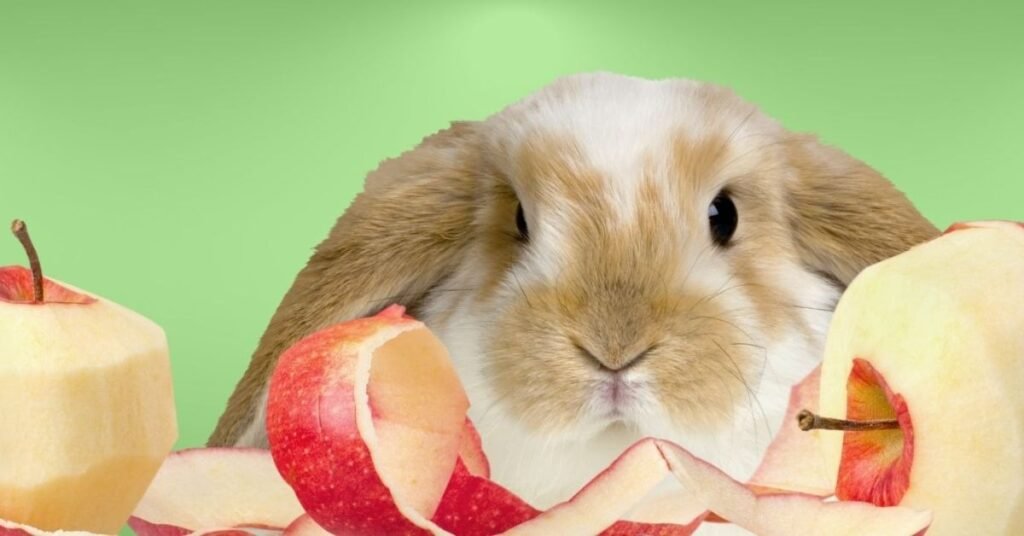
While rabbits can eat oranges occasionally, there are many better treat options available. Leafy greens like romaine lettuce, cilantro, parsley, and basil are excellent choices. These provide nutrients without excess sugar. You can offer fresh herbs daily as part of your rabbit’s regular diet. Carrot tops and dandelion greens are also nutritious and most rabbits love them.
If you want to give fruit treats, consider these safer options:
- Small pieces of apple (remove seeds)
- Strawberries (one or two small berries)
- Blueberries (a few berries)
- Small banana slices (very occasional)
- Melon pieces (limited amounts)
Try rotating orange slices with other fresh vegetables or low-sugar treats like dandelion greens or carrot tops. This keeps your rabbit interested and provides variety in their diet. Remember that unlimited hay should make up about eighty percent of what your rabbit eats. Fresh water must always be available. Pellets should be given in small amounts based on your rabbit’s weight. The focus should always be on fiber-rich foods rather than sugary treats. Your rabbit’s health depends on maintaining this balance.
When Rabbits Should Not Eat Oranges
Some rabbits should never be given oranges under any circumstances. Baby rabbits should not be fed oranges due to the risk of diarrhea. Young bunnies have immature digestive systems that cannot handle the sugar and acidity. Wait until your rabbit is fully grown, usually around six months old, before introducing any fruits.
Rabbits with certain health conditions should also avoid oranges:
- Overweight rabbits who need to lose weight
- Bunnies with diabetes or blood sugar issues
- Rabbits with a history of digestive problems
- Those currently recovering from GI stasis
- Rabbits with dental disease or tooth problems
- Sick or elderly bunnies with weakened systems
If your rabbit has any health condition, always check with your veterinarian before adding new foods to their diet. Your vet should always be consulted before adding any new foods or fruits to your bunny’s diet. Your vet knows your rabbit’s specific health needs and can provide personalized advice. When in doubt, skip the oranges and stick to hay and approved vegetables. It’s better to play it safe than risk your beloved pet’s health. Some rabbits simply don’t tolerate citrus well, even in small amounts.
Conclusion
Oranges can be a fun and refreshing treat for rabbits, but only when offered with care. Their sweet flavor makes them appealing, yet their high sugar content means they should stay a rare snack. A small slice is more than enough to keep your rabbit happy without upsetting its stomach.
Rabbits depend on hay and leafy greens for good health, so fruits should always stay in the “treat” category. Giving citrus too often can lead to digestive problems, so it’s important to watch your rabbit’s reaction whenever you introduce something new. Simple, slow steps keep them safe.
With mindful feeding, oranges can become a small joy in your rabbit’s week. Pairing this treat with a balanced diet, clean water, and a calm environment helps your rabbit stay comfortable and healthy. A little caution goes a long way in keeping your furry friend happy and thriving.
FAQs
1. Can rabbits eat oranges?
Yes, rabbits can eat oranges, but only in very small amounts. Oranges are high in sugar, so they should only be given as an occasional treat. A small slice is enough for one serving.
2. Are oranges healthy for rabbits?
Oranges contain vitamin C and moisture, which can be helpful in tiny portions. However, too much citrus can upset a rabbit’s stomach. It’s best to introduce it slowly and watch for any reactions.
3. How often can rabbits have oranges?
They should only have oranges once or twice a week. Treats should never replace hay or leafy greens. Offering citrus too often can cause diarrhea or digestive discomfort.
4. Can rabbits eat orange peels?
Peels are not toxic, but they may contain pesticides and can be hard to chew. If you ever offer a small bit, make sure it’s washed well and only give a tiny piece. Most owners prefer to avoid the peel.
5. Are oranges safe for baby rabbits?
No, young rabbits should not have citrus at all. Their digestion is very sensitive, and fruits can upset their stomach. It’s best to wait until they are fully grown before introducing any fruit.
