

Introduction
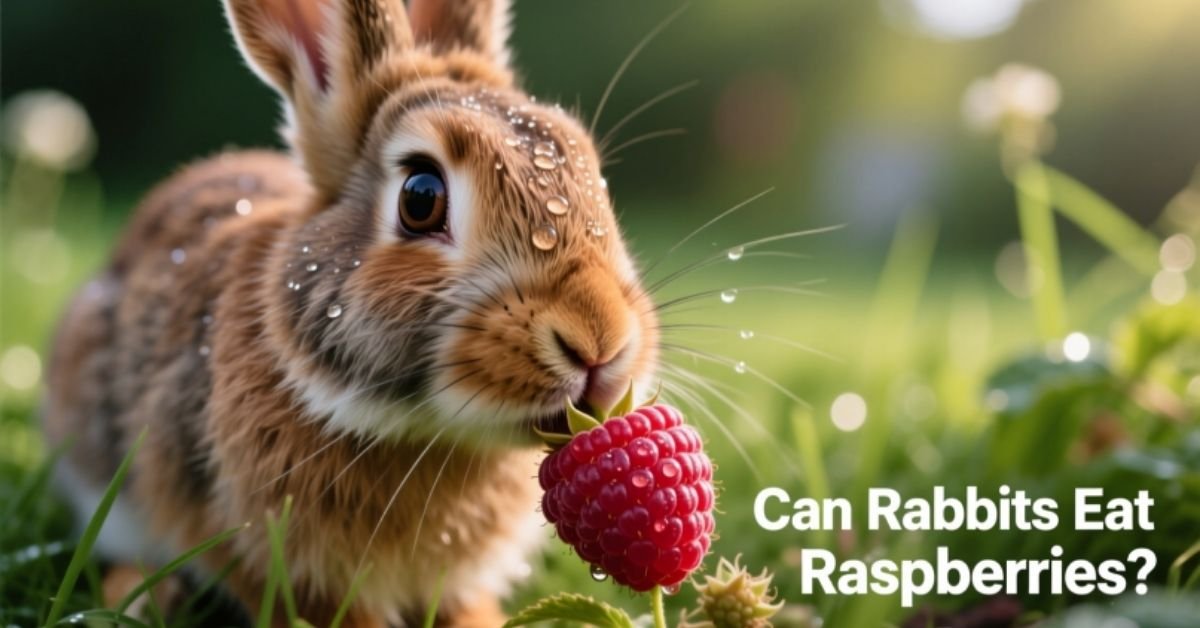
Rabbits have delicate digestive systems. Their food must stay simple and well balanced. Many pet owners question whether fruits are safe to offer. Raspberries are soft, sweet, and tempting. This often leads to one common question: can rabbits eat raspberries without harm?
Raspberries may seem like a healthy choice. They contain water and helpful nutrients. Still, not every nutritious food suits a rabbit’s stomach. Feeding fruit the wrong way can upset digestion. Understanding both the good and the bad is very important.
This guide explains whether raspberries are safe for rabbits. It covers the possible benefits and the risks. You will also learn the right portion size and feeding frequency. This knowledge can help keep your rabbit healthy and comfortable.
Can Rabbits Eat Raspberries Safely?
Yes, rabbits can eat raspberries, but only in small amounts. Raspberries are not toxic to rabbits. They can be given as an occasional treat. Rabbits enjoy the sweet taste. However, their stomachs are very sensitive. Too much fruit can cause digestive problems.
Raspberries contain natural sugar. Eating too many can lead to diarrhea or soft stools. This is why portion control is important. One or two raspberries are enough at a time. They should not be fed every day. Hay and fresh greens should always be the main part of a rabbit’s diet.
Nutritional Value and Health Effects of Raspberries
Raspberries contain several nutrients that can support a rabbit’s health. They are rich in water, which helps with hydration. They also provide fiber in small amounts. Fiber supports digestion when given correctly. Raspberries include vitamins that help the body stay strong. However, they also contain natural sugar, which is why they should be fed carefully.
Eating raspberries in moderation may offer mild health benefits. The antioxidants can support overall wellness. The vitamins help with immune support and skin health. Still, raspberries should never replace hay or leafy greens. Too many raspberries can upset a rabbit’s stomach. Balance and portion size are very important.
| Nutrient | Amount | Health Effect for Rabbits |
| Water | 85% | Helps keep rabbits hydrated |
| Calories | 52 kcal | Low energy, treat only |
| Fiber | 6.5 g | Supports digestion in small amounts |
| Natural Sugar | 4.4 g | Too much may cause stomach upset |
| Vitamin C | 26 mg | Supports immune health |
| Vitamin K | 7.8 mcg | Aids normal blood function |
| Manganese | 0.67 mg | Supports bone health |
| Antioxidants | Present | Helps fight cell damage |
| Fat | 0.7 g | Very low, safe in small portions |
| Protein | 1.2 g | Minor support for body tissues |
Benefits and Possible Issues
Raspberries can offer some benefits to rabbits when fed in small amounts. They contain water, which helps with hydration. They also provide vitamins that support general health. The antioxidants in raspberries may help protect the body. As an occasional treat, raspberries can add variety to a rabbit’s diet.
However, raspberries can also cause problems if overfed. They are high in natural sugar. Too much sugar may lead to diarrhea or soft stools. Some rabbits may gain weight if fruits are given often. Raspberries should never replace hay or fresh greens. Careful feeding helps avoid health issues.
| Aspect | Benefit | Possible Issue |
| Hydration | High water content supports hydration | Too much can loosen stools |
| Vitamins | Provides vitamin C and K | Excess fruit is unnecessary |
| Antioxidants | Helps support overall wellness | Benefits are mild in rabbits |
| Fiber | Small amount aids digestion | Not enough to replace hay |
| Sugar Content | Makes raspberries tasty for rabbits | Can cause digestive upset |
| Weight Control | Low fat treat in small portions | Overfeeding may cause weight gain |
| Variety in Diet | Adds flavor and interest | Too much variety can reduce hay intake |
| Digestive Health | Safe in limited amounts | Can trigger diarrhea if overfed |
How Many Raspberries Can Rabbits Eat
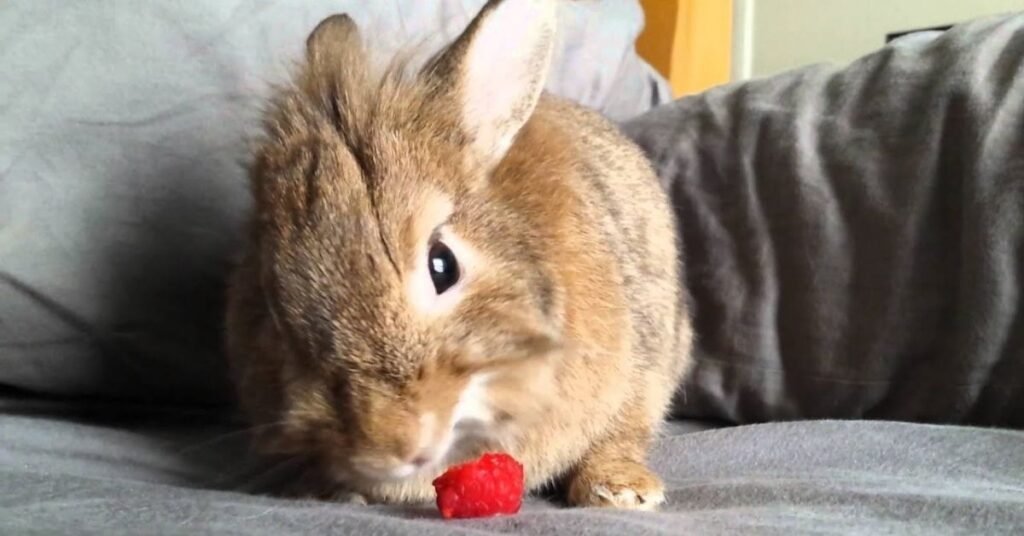
Rabbits should eat raspberries in very small amounts. One or two fresh raspberries are enough for one serving. This amount is safe for most rabbits. Raspberries should be given as a treat, not as regular food. Hay should always make up most of a rabbit’s diet.
Raspberries should not be fed every day. Once or twice a week is enough. Feeding too many raspberries can upset a rabbit’s stomach. It may cause soft stools or diarrhea. Always watch your rabbit after offering new foods. If any problem appears, stop feeding raspberries.
Portion Size and Feeding Frequency
Rabbits should only have tiny amounts of fruit. Raspberries are best given as a rare treat. One or two berries at a time is a safe serving. This small amount helps avoid stomach issues. Giving too many can upset digestion.
How often you feed raspberries matters too. They should be offered just once or twice a week. Daily servings are not safe. Hay and fresh greens must stay the main part of their diet. Introduce raspberries gradually and observe your rabbit’s reaction carefully.
| Rabbit Size | Portion Size | Feeding Frequency | Notes |
| Baby Rabbit | Not recommended | Avoid feeding | Digestive system is too sensitive |
| Small Adult Rabbit | 1 raspberry | Once a week | Monitor stool changes |
| Medium Adult Rabbit | 1–2 raspberries | 1–2 times per week | Safe when balanced with hay |
| Large Adult Rabbit | 2 raspberries | 1–2 times per week | Do not exceed portion |
| Overweight Rabbit | 1 small piece | Once a week | Limit sugar intake |
| Senior Rabbit | 1 raspberry | Once a week | Feed cautiously |
| New to Raspberries | ½ raspberry | First feeding only | Check for reactions |
| Daily Feeding | Not safe | Avoid | Can cause diarrhea |
Which Parts of the Raspberry Plant Are Safe
Not all parts of the raspberry plant are safe for rabbits. In small amounts, the fruit itself is safe. It can be given as a treat. The leaves can also be fed if they are clean and pesticide-free. Young stems are generally safe in small quantities too. Other parts of the plant, like roots or old branches, should be avoided.
It is important to prepare raspberry treats carefully. Wash the fruit and leaves before feeding. Remove any pesticides or dirt. Only give small portions at a time. Here are the safe parts for rabbits:
- Fresh raspberries (the fruit)
- Clean raspberry leaves
- Young, tender stems
Avoid
- Roots
- Old or woody stems
- Leaves with pesticides or mold
Raspberries, Leaves, Stems, and Varieties
Rabbits can eat certain parts of the raspberry plant safely. The fruit is the most common and enjoyed treat. Clean leaves are also safe in small amounts. Young, tender stems can be offered occasionally. Avoid old, woody stems and roots. Always make sure any part is free from pesticides or chemicals before feeding.
Different raspberry varieties are safe for rabbits too. Most red, black, and golden raspberries can be given in moderation. Each variety has a slightly different taste and nutrient content. Moderation is key to prevent digestive problems.
| Part / Variety | Safe for Rabbits? | Notes / Feeding Tips |
| Fresh red raspberries | Yes | Feed 1–2 berries at a time |
| Fresh black raspberries | Yes | Feed occasionally, wash before serving |
| Golden raspberries | Yes | Same as other berries |
| Raspberry leaves | Yes | Only clean, pesticide-free leaves |
| Young tender stems | Yes | Feed in very small amounts |
| Woody stems | No | Can be hard to digest |
| Roots | No | Avoid completely |
| Moldy or pesticide-treated parts | No | Can be harmful |
Can Raspberries Cause Problems in Rabbits
Raspberries are generally safe in small amounts, but they can cause problems if overfed. Too much sugar can upset a rabbit’s stomach. This may lead to diarrhea or soft stools. Some rabbits are more sensitive than others. Overfeeding can also lead to weight gain and other health issues.
It is important to watch your rabbit after giving raspberries. Stop feeding immediately if any problem occurs.
Here are common issues raspberries may cause:
- Digestive upset, such as diarrhea or bloating
- Soft or runny stools
- Weight gain from excess sugar
- Loss of appetite if stomach discomfort occurs
- Potential allergic reactions in rare cases
Best Way to Feed Raspberries to Rabbits
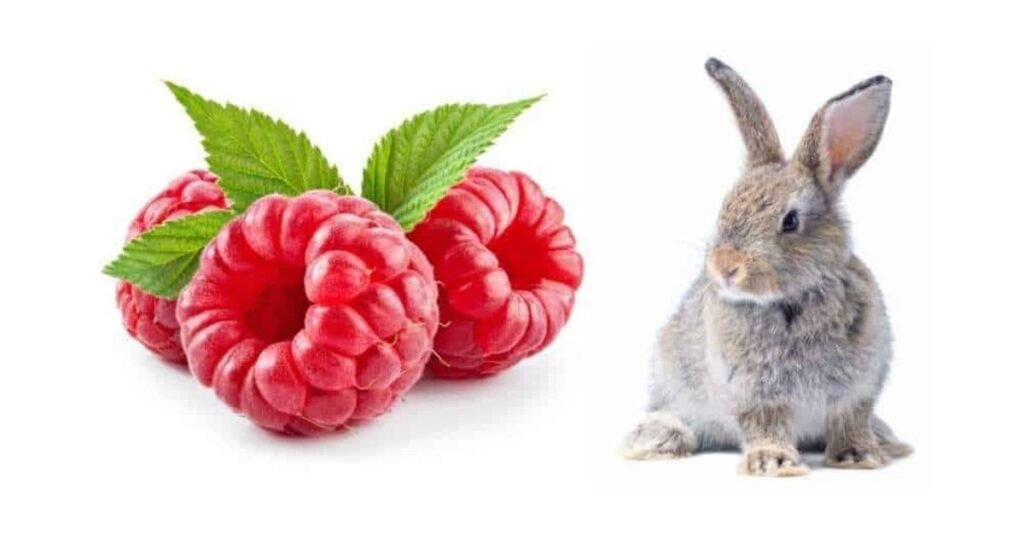
The best way to feed raspberries is in small, fresh portions. Always wash the fruit thoroughly to remove dirt or pesticides. Only give one or two berries at a time. Raspberries should be an occasional treat, not a main food. Introduce them slowly and watch your rabbit’s reaction.
You can also feed clean leaves and young stems in moderation. Avoid moldy or old parts of the plant.
Here are some tips for feeding raspberries safely:
- Wash berries and leaves before serving
- Feed one or two berries at a time
- Offer treats once or twice a week only
- Do not mix with other high-sugar fruits
- Always provide hay and fresh greens first
- Observe your rabbit for any digestive issues
Preparation Tips and Safety Rules
Before giving raspberries to rabbits, proper preparation is important. Wash the fruit and leaves thoroughly to remove dirt and pesticides. Only offer fresh, clean parts of the plant. Cut larger berries into smaller pieces for easy eating. Always feed in moderation to avoid digestive problems.
Safety is key when introducing any new food. Start with a small portion and watch your rabbit closely. Avoid moldy, old, or chemically treated parts. Never replace hay and greens with raspberries. Following simple rules helps keep your rabbit healthy and happy.
| Step / Rule | Details / Tips |
| Wash Thoroughly | Remove dirt and pesticides from berries and leaves |
| Choose Fresh Parts | Only fresh fruit, leaves, and young stems |
| Cut Large Berries | Make smaller pieces for easier eating |
| Moderate Portion | 1–2 berries per serving, once or twice a week |
| Introduce Slowly | Start with a small portion and observe reactions |
| Avoid Moldy Parts | Do not feed old or spoiled berries, leaves, or stems |
| Avoid Chemicals | Ensure no pesticides or fertilizers are present |
| Maintain Main Diet | Hay and fresh greens must remain the primary food |
| Monitor Health | Watch for diarrhea, soft stools, or digestive issues |
| Stop if Problems Appear | Discontinue feeding if any negative reaction occurs |
Better Fruit Alternatives for Rabbits

While raspberries can be a tasty treat, other fruits may be safer or more suitable for rabbits. Apples, pears, and blueberries are popular choices. These fruits are also low in sugar and easy to digest in small amounts. Variety helps keep your rabbit’s diet interesting. Always feed fruit in moderation to avoid digestive problems.
Some fruits are especially good as occasional treats. Avoid fruits that are too sugary or acidic.
Here are some better alternatives for rabbits:
- Apple slices (without seeds)
- Pear pieces (small portions)
- Blueberries
- Strawberries (small amounts)
- Mango (small, rare treat)
- Melon (watermelon, cantaloupe in moderation)
- Papaya (small pieces occasionally)
Safe Fruits and Berry Options
Rabbits can safely have certain fruits and berries in tiny amounts. These treats add vitamins and variety to their diet. Fruits should always be given in moderation to prevent stomach issues. Make sure to wash all fruits carefully before serving. Introduce new fruits gradually and observe your rabbit for any reactions.
Good choices include apples, blueberries, and strawberries. Each fruit offers different flavors and nutrients. Only small portions are needed as a healthy treat. Avoid giving fruits that are very sweet or acidic, as they can upset your rabbit’s digestive system.
| Fruit / Berry | Safe Portion | Feeding Frequency | Notes / Tips |
| Apples (seedless) | 1–2 small slices | 1–2 times/week | Remove seeds, wash well |
| Pears | 1–2 small pieces | 1–2 times/week | Offer skin and flesh only |
| Blueberries | 2–3 berries | 1–2 times/week | Wash thoroughly |
| Strawberries | 1–2 small pieces | 1–2 times/week | Remove leaves, wash well |
| Raspberries | 1–2 berries | 1–2 times/week | Wash, small portion only |
| Blackberries | 1–2 berries | 1–2 times/week | Wash, feed occasionally |
| Mango | 1 small cube | Rarely | High sugar, occasional treat |
| Melon (watermelon, cantaloupe) | Small cube | Rarely | Remove seeds, feed in moderation |
| Papaya | Small piece | Rarely | Feed occasionally, wash well |
Final Verdict on Rabbits Eating Raspberries
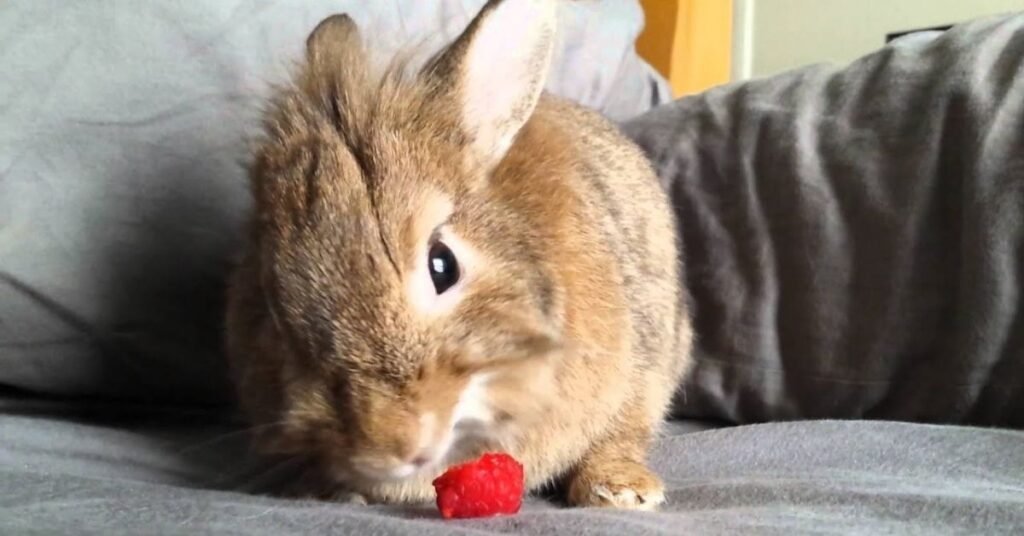
Rabbits can eat raspberries safely in small amounts. They are a tasty treat and provide some vitamins and water. However, raspberries should never replace hay or fresh greens. Portion control and moderation are very important to avoid digestive problems.
Offer one or two berries at a time, once or twice a week. Check the fruit for dirt and chemicals. Introduce raspberries slowly and watch your rabbit’s reaction. With proper care, raspberries can be a safe and enjoyable treat for your rabbit.
Key Takeaways and Expert Advice
Raspberries can be a safe treat for rabbits if given in small amounts. Portion control is very important. One or two berries at a time, once or twice a week, is enough. Always wash the fruit and remove any chemicals or dirt. Hay and leafy greens should remain the main part of the diet.
Experts recommend introducing raspberries slowly. Watch your rabbit for any digestive issues. Avoid overfeeding, sugary fruits, or moldy parts. Balanced feeding helps keep rabbits healthy and happy.
| Tip / Advice | Details / Notes |
| Safe Portion | 1–2 raspberries per serving |
| Feeding Frequency | Once or twice a week |
| Wash Thoroughly | Remove dirt and pesticides before feeding |
| Main Diet | Hay and leafy greens should remain primary |
| Introduce Slowly | Start with a small portion and observe reaction |
| Avoid Overfeeding | Too much fruit can cause diarrhea or digestive upset |
| Avoid Moldy Parts | Do not feed old or spoiled berries, leaves, or stems |
| Monitor Health | Watch for soft stools, bloating, or loss of appetite |
| Treat Only | Raspberries should be an occasional snack, not daily food |
| Variety | Mix with other safe fruits occasionally for interest |
Final Thoughts
Raspberries can be a safe and delicious treat for rabbits. They add vitamins, water, and some variety to their diet. Still, they should never replace hay or fresh leafy greens. Feeding in small amounts and moderation is essential to avoid digestive problems.
Always wash raspberries thoroughly before giving them to your rabbit. Remove any dirt, pesticides, or chemicals. Introduce them gradually and observe your rabbit’s reaction. A serving of one or two berries, once or twice a week, is generally safe.
Clean leaves and young stems from the raspberry plant can also be offered in small portions. Avoid giving old, woody, or moldy parts. By following safe feeding practices, raspberries can be a healthy and enjoyable snack for your rabbit.
FAQs
1. Can rabbits eat raspberries daily?
No, rabbits should only have raspberries once or twice a week. Feeding them too often can upset their stomach.
2. Are raspberry leaves safe for rabbits to eat?
Yes, rabbits can eat clean, pesticide-free raspberry leaves in small amounts. Avoid old, woody, or moldy leaves.
3. How many raspberries are safe for one serving?
One or two berries per serving is enough. Small portions help prevent digestive issues.
4. Can raspberries harm rabbits?
Yes, giving too many raspberries can lead to diarrhea, soft stools, or weight gain. Moderation is very important.
5. What is the safest way to feed raspberries to rabbits?
Always wash raspberries well, give them in small amounts, and limit to once or twice a week. Keep hay and leafy greens as the main diet.
