

Introduction
Rabbits are gentle pets that need a healthy and balanced diet. Their main food is hay, along with fresh vegetables and clean water. Many owners also like to give small treats. Strawberries are sweet fruits, so it is normal to wonder if they are safe for rabbits. The answer is yes, rabbits can eat strawberries, but only in small amounts.
Most rabbits love the taste of strawberries. The sweet smell and soft texture make them very tempting. But too much sugar is not good for a rabbit’s stomach. Giving too many strawberries can cause weight gain or digestive problems. This is why it is important to know the right portion and feeding schedule.
In this guide, you will learn if strawberries are safe for rabbits. You will also discover the correct serving size and how often to feed them. We will cover the benefits, risks, and simple feeding tips. This will help you keep your rabbit healthy and happy.
Can Rabbits Eat Strawberries Safely?
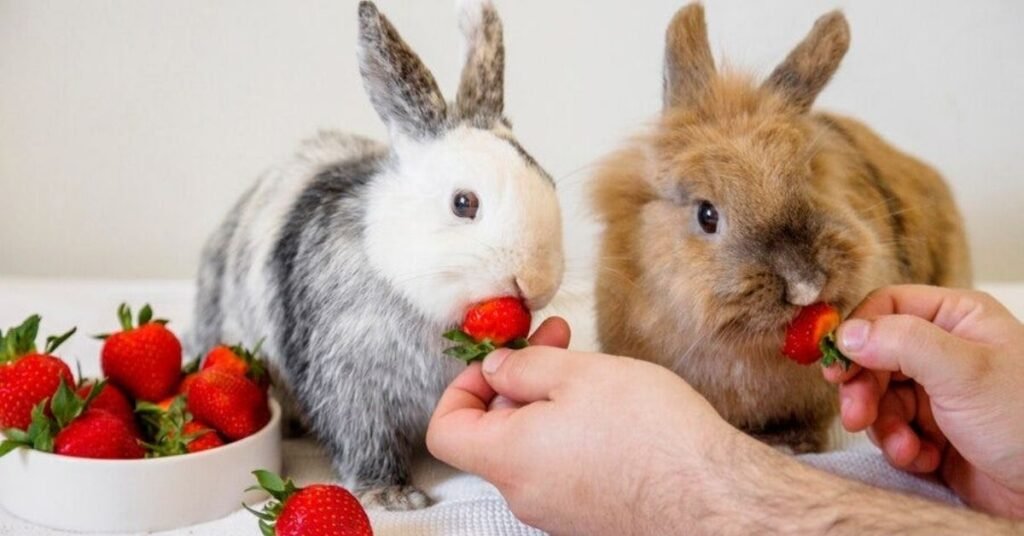
Rabbits can enjoy strawberries, but only as a small treat. The fruit is safe and not poisonous for them. It is soft, juicy, and easy to nibble. Many rabbits get excited when they smell it. Still, strawberries are high in natural sugar. Too much sugar can lead to stomach trouble or weight gain.
Give only a small piece at a time. One small strawberry or a thin slice is enough. Treats should be offered once or twice a week, not every day. Always rinse the fruit before serving it. This helps remove dirt and chemicals. Remember, hay and fresh greens should always be the main food in your rabbit’s diet.
Are Strawberries Safe for Rabbits to Eat?
Strawberries are safe for rabbits when given in small amounts. They are not toxic and can be used as an occasional treat. The fruit is soft and easy for rabbits to chew. Many rabbits enjoy the sweet taste and juicy texture. Still, strawberries are high in natural sugar, so they should not be fed often.
Offer only a small piece at a time. One small strawberry is enough for most rabbits. Give it once or twice a week, not every day. Always wash the fruit before feeding it. This removes dirt and harmful chemicals. Keep hay and fresh vegetables as the main part of your rabbit’s diet.
Nutritional Value of Strawberries for Rabbits
Strawberries contain several vitamins and minerals that can support a rabbit’s health. They are rich in vitamin C and antioxidants. These nutrients help support the immune system. Strawberries also have a high water content, which helps with hydration. The fruit is soft and easy to chew, making it a pleasant treat for most rabbits.
However, strawberries also contain natural sugar. Too much sugar is not good for a rabbit’s digestive system. That is why strawberries should only be given in small portions. They should never replace hay or fresh vegetables. Think of strawberries as a sweet treat, not a daily food.
Main nutrients in strawberries:
- Vitamin C for immune support
- Antioxidants for overall health
- Small amounts of fiber
- High water content for hydration
- Natural sugars that require portion control
Key Vitamins and Minerals in Strawberries
Strawberries are full of helpful nutrients. They are rich in vitamin C. This vitamin supports the immune system. It also helps the body heal. Strawberries contain antioxidants too. These protect cells from damage. They are low in calories. That makes them a healthy snack.
Strawberries also provide important minerals. They contain potassium for heart health. They offer small amounts of magnesium. This mineral supports muscles and nerves. Strawberries have fiber as well. Fiber helps digestion. Together, these nutrients support overall health.
| Nutrient | Type | Main Benefit | Why It Matters |
| Vitamin C | Vitamin | Boosts immunity | Helps fight infections |
| Vitamin A | Vitamin | Supports vision | Keeps eyes healthy |
| Vitamin K | Vitamin | Aids blood clotting | Supports bone health |
| Folate (Vitamin B9) | Vitamin | Supports cell growth | Important for pregnancy |
| Potassium | Mineral | Supports heart health | Helps control blood pressure |
| Magnesium | Mineral | Supports muscles | Helps nerves function |
| Manganese | Mineral | Supports metabolism | Aids enzyme function |
| Fiber | Nutrient | Improves digestion | Supports gut health |
| Antioxidants | Plant compounds | Protect cells | Reduce oxidative stress |
| Iron (small amount) | Mineral | Supports blood health | Helps oxygen transport |
Risks of Feeding Strawberries to Rabbits
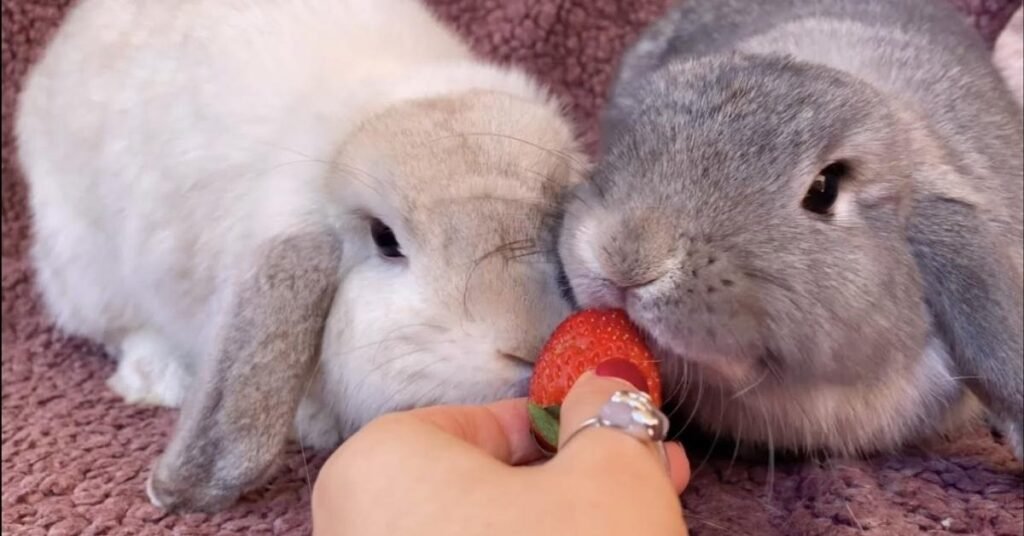
Strawberries taste sweet, but they are not a daily food for rabbits. The fruit has natural sugar that can be hard on a rabbit’s stomach. Eating too much can lead to soft droppings or gas. Some rabbits may also put on extra weight if they get sugary treats often. A sudden change in diet can make their digestion worse.
Small portions are the safest choice. Introduce strawberries slowly and watch your rabbit’s behavior. If you see loose stools or less appetite, stop the fruit. Every rabbit reacts differently to new foods. Fresh hay and leafy greens should always be the main part of the daily diet.
Common risks of overfeeding strawberries:
- Upset stomach or soft stools
- Gas or bloating
- Unwanted weight gain
- Less interest in hay
- Changes in normal droppings
Sugar Content and Digestive Problems
Sugar can affect digestion in some people. Foods high in sugar may upset the stomach. They can cause gas and bloating. Too much sugar may lead to loose stools. This happens because sugar pulls water into the gut. Some fruits also contain natural sugars that are hard to digest.
People with sensitive stomachs may feel discomfort. Sugar can feed bad gut bacteria. This may cause cramps or diarrhea. Eating large portions makes symptoms worse. It is better to eat small amounts. Drinking water also helps digestion.
| Sugar Source | Type of Sugar | Possible Digestive Issue | Who Is Most Affected | Helpful Tip |
| Table sugar | Sucrose | Bloating, gas | Sensitive stomachs | Limit intake |
| Fruits | Fructose | Diarrhea, cramps | People with fructose intolerance | Eat small portions |
| Fruit juices | Fructose | Loose stools | Children, IBS patients | Dilute with water |
| Sweets | Mixed sugars | Stomach pain | Frequent consumers | Avoid overeating |
| Soft drinks | High fructose | Gas, bloating | IBS sufferers | Choose low-sugar drinks |
| Honey | Fructose | Upset stomach | Fructose sensitive people | Use in moderation |
| Dried fruits | Concentrated sugar | Constipation or diarrhea | Older adults | Soak before eating |
| Candy | Refined sugar | Poor digestion | Children | Replace with fruit |
| Baked goods | Added sugar | Slow digestion | Low-fiber diets | Add fiber foods |
| Syrups | Liquid sugar | Gut irritation | Sensitive guts | Reduce serving size |
How Many Strawberries Can a Rabbit Eat?
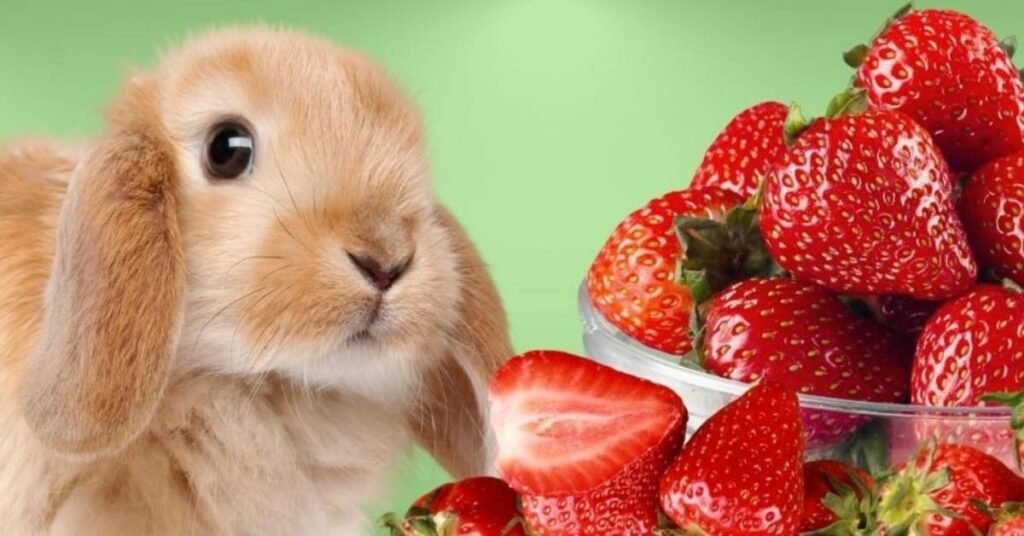
Rabbits should only eat a small amount of strawberries. A good portion is one small strawberry or a thin slice. This amount is enough to satisfy their sweet tooth. Strawberries should be given as a treat, not as a regular meal. Most rabbits do best with fruit once or twice a week.
Always watch your rabbit after giving a new food. Every rabbit has a different stomach sensitivity. Start with a very small piece at first. If there are no problems, you can offer the same small portion next time. Keep hay and fresh greens as the main part of the daily diet.
Recommended Portion Size and Feeding Frequency
Portion size matters for good health. Eating too much can cause stomach problems. Small portions are easier to digest. They also help control sugar intake. Regular feeding times support better digestion. Skipping meals can upset the stomach.
Feeding frequency should match the body’s needs. Most people do well with regular meals. Spacing food through the day keeps energy steady. It also prevents overeating. Listening to hunger signs is important. Balanced portions support overall wellness.
| Food Type | Recommended Portion Size | Feeding Frequency | Who It Is Best For | Helpful Tip |
| Fresh fruit | 1 small bowl | 1–2 times a day | All age groups | Eat with meals |
| Vegetables | 1 cup | 2–3 times a day | Everyone | Mix different types |
| Grains | ½–1 cup | 2 times a day | Active people | Choose whole grains |
| Protein foods | Palm-sized portion | 1–2 times a day | Adults | Avoid overeating |
| Snacks | Small handful | Once a day | Children, teens | Choose healthy snacks |
| Sugary foods | Very small amount | Occasionally | Sensitive stomachs | Do not eat daily |
| Juices | ½ cup | Once a day | Children | Dilute with water |
| Dairy | 1 cup | 1–2 times a day | Adults | Choose low-fat |
| Fried foods | Small serving | Rarely | Everyone | Limit intake |
| Water | 1 glass | Many times a day | All | Stay hydrated |
Which Parts of the Strawberry Are Safe for Rabbits?
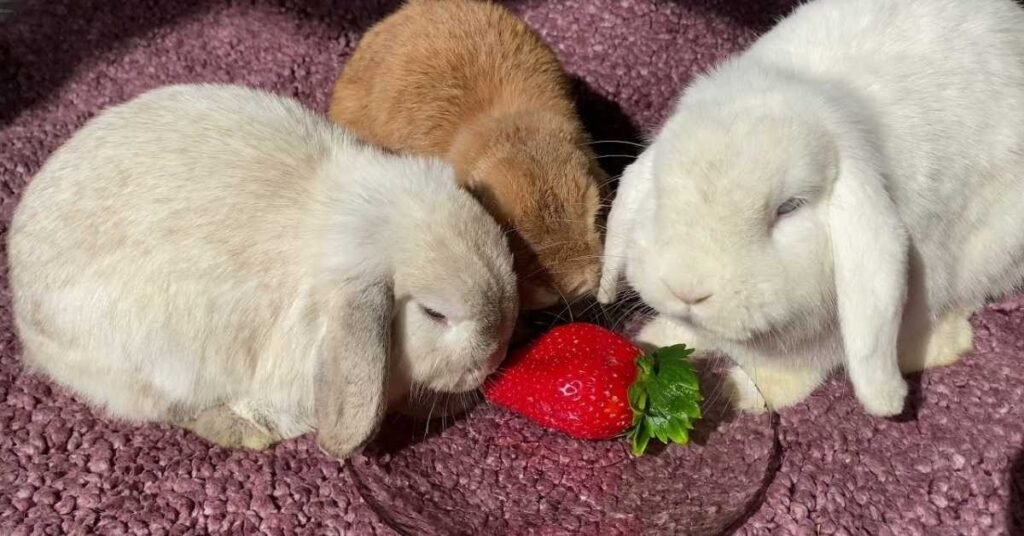
Rabbits can eat some parts of a strawberry safely. The red fruit is safe in small amounts. It is sweet and tasty. Rabbits enjoy the flavor. But it should be a treat only. Too much fruit can upset their stomach.
Strawberry leaves are also safe for rabbits. The stems are safe as well. These parts have less sugar. They are better than the fruit. Always wash them first. Remove any chemicals or dirt before feeding.
| Strawberry Part | Safe for Rabbits | How Often to Feed | Reason | Feeding Tip |
| Strawberry fruit (red part) | Yes | 1–2 times a week | High in sugar | Give small pieces |
| Strawberry leaves | Yes | Few times a week | Low sugar, high fiber | Wash well |
| Strawberry stems | Yes | Occasionally | Safe and fibrous | Cut into small pieces |
| Strawberry tops | Yes | Occasionally | Contains fiber | Mix with greens |
| Unripe green fruit | No | Never | Hard to digest | Avoid feeding |
| Moldy strawberries | No | Never | Can cause illness | Throw away |
| Frozen strawberries | No | Avoid | Too cold for digestion | Feed fresh only |
| Strawberry jam | No | Never | Added sugar | Not safe |
| Strawberry candy | No | Never | Artificial ingredients | Avoid completely |
| Strawberry plants (treated with pesticides) | No | Never | Chemical risk | Use organic only |
Strawberry Leaves, Tops, and Seeds Explained
Strawberry leaves are safe for rabbits. They are low in sugar. They contain fiber. Fiber helps digestion. Rabbits can chew them easily. The tops of strawberries are also safe. These include the green leafy part. They are better than the fruit itself.
Strawberry seeds are very small. Rabbits can eat them without harm. The seeds pass through the gut. They do not cause choking. Still, strawberries should be fed in small amounts. Too many seeds come from too much fruit. Balance is important.
| Strawberry Part | Safe for Rabbits | Sugar Level | Main Benefit | Feeding Advice |
| Strawberry leaves | Yes | Very low | Supports digestion | Wash before feeding |
| Strawberry tops | Yes | Low | Adds fiber | Feed with greens |
| Strawberry seeds | Yes | Very low | No known harm | Limit fruit intake |
| Strawberry stems | Yes | Low | Chewing support | Cut if thick |
| Red strawberry flesh | Yes | High | Tasty treat | Feed rarely |
| Unwashed leaves | No | — | Risk of chemicals | Always wash |
| Moldy parts | No | — | Health risk | Discard |
| Dried strawberry pieces | No | High | Concentrated sugar | Avoid |
| Sweetened strawberry products | No | Very high | Artificial sugar | Never feed |
| Organic strawberry greens | Yes | Low | Safer option | Best choice |
How to Introduce Strawberries Into a Rabbit’s Diet
Start slowly when giving strawberries to your rabbit. Begin with a very small piece, like a thin slice or a small berry. Watch your rabbit for any signs of stomach upset, like soft droppings or changes in appetite. If everything looks fine, you can offer a small portion again later.
Offer strawberries as a treat, not a meal. Give them once or twice a week at most. Always wash the fruit well before serving. Remove dirt, pesticides, or chemicals. Keep hay and fresh vegetables as the main part of your rabbit’s diet. This helps them stay healthy and happy.
Step-by-Step Guide for First-Time Feeding
Introducing strawberries for the first time should be done carefully. Start with a very small piece, about a thin slice or half a small berry. Give it to your rabbit and watch closely for any signs of stomach upset. If your rabbit eats it happily and shows no problems, it is safe to try again later.
Follow these steps to make it safe and easy:
- Wash the strawberry thoroughly to remove dirt and chemicals.
- Cut a small piece for the first feeding.
- Offer the fruit by hand or in a clean dish.
- Observe your rabbit for soft stools or digestive issues.
- Wait a few days before offering another small piece.
- Continue to feed hay and fresh vegetables as the main diet.
Signs Your Rabbit Has Eaten Too Many Strawberries
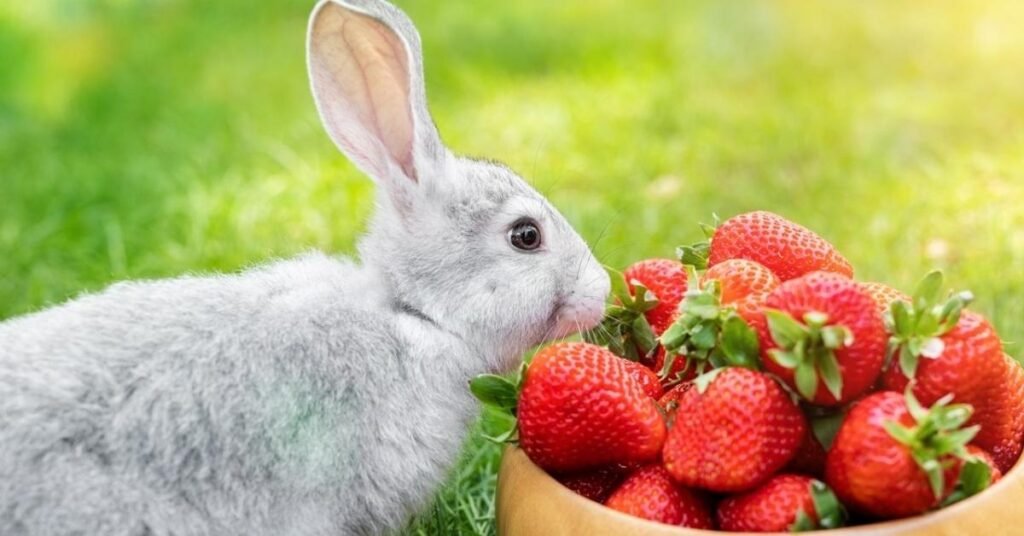
Rabbits can have problems if they eat too many strawberries. Too much sugar can upset their stomach. They may develop soft droppings or diarrhea. Some rabbits may become bloated or gassy. Overfeeding can also cause weight gain and reduce their appetite for hay and vegetables.
Watch your rabbit closely for these signs:
- Soft or loose stools
- Bloating or gas
- Reduced interest in hay or greens
- Lethargy or unusual behavior
- Sudden weight gain
Conclusion
Can rabbits eat strawberries? Yes, strawberries can be a safe and tasty treat for rabbits. They are not toxic, but moderation is important. Treats should never replace hay or fresh vegetables.
Always start with small portions when giving strawberries for the first time. Watch your rabbit for any signs of digestive upset. If there are problems, stop feeding the fruit. Introduce new foods slowly to keep your rabbit healthy.
The leafy tops of strawberries are safe and have less sugar. Wash all parts of the fruit before feeding. Avoid spoiled or moldy strawberries. Keep treats small and occasional.
Remember, a rabbit’s main diet should always be hay and fresh greens. Strawberries are just a special treat. By feeding carefully, you can keep your rabbit happy and healthy. Treat time can be fun and safe with the right approach.
FAQs
1. Can rabbits eat strawberries every day?
No, rabbits should not eat strawberries daily. The fruit has natural sugar that can upset their stomach. Offer strawberries only once or twice a week as a small treat.
2. Are strawberry leaves safe for rabbits?
Yes, the green leafy tops are safe and can be eaten. They have less sugar and more fiber than the fruit. Always wash them before giving them to your rabbit.
3. How much strawberry can I give my rabbit?
A very small portion is enough, like a thin slice or half a small berry. Treats should never replace hay or vegetables in their diet.
4. What happens if my rabbit eats too many strawberries?
Eating too much can cause soft stools, bloating, or gas. Rabbits may also gain weight or lose interest in hay and vegetables. Stop feeding the fruit if this happens.
5. How do I safely introduce strawberries to my rabbit?
Start with a tiny piece and watch for digestive problems. Offer the fruit once or twice a week and keep hay and fresh greens as the main diet. Always wash the strawberries before feeding.
