

Introduction
Many rabbit owners often wonder, can rabbits have cherries as a treat. Cherries are juicy and sweet fruits enjoyed by humans. However, a rabbit’s digestive system is very delicate. Not every fruit that looks healthy is safe for them.
Before feeding any fruit, it is important to ask, can rabbits have cherries without getting sick. Some parts of cherries can be dangerous for rabbits. The natural sugar in cherries can also cause stomach problems if given the wrong way.
This article clearly explains can rabbits have cherries in a safe manner. You will learn about possible risks, proper feeding tips, and what to avoid. This will help you make better choices for your rabbit’s health.
Are Cherries Safe for Rabbits?
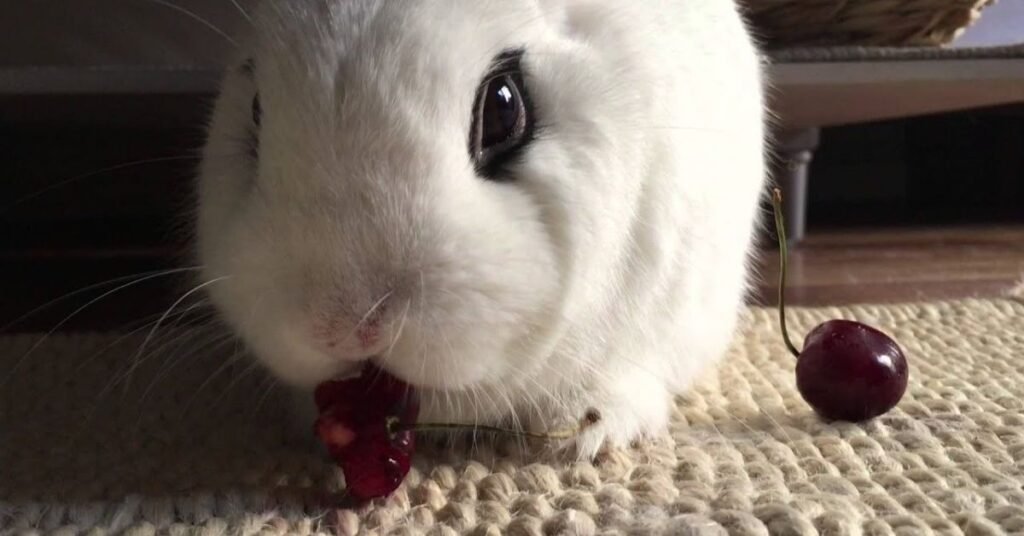
Cherries are not a natural food for rabbits. They are high in sugar and low in fiber. A rabbit’s stomach cannot handle sugary foods well. Eating cherries may lead to digestive trouble if given often.
The soft fruit part can be offered only in tiny amounts. Cherry pits, stems, and leaves must never be fed. These parts are harmful and unsafe for rabbits. Cherries should be treated as a rare snack, not a daily food.
What Makes Cherries Risky for Rabbits
Cherries can be risky for rabbits because not all parts are safe. The pit stem and leaves contain harmful substances. These parts can release cyanide when chewed. Even a small amount can upset a rabbit’s body. Rabbits also have very sensitive digestion. Sugary fruits like cherries can cause stomach problems quickly.
Another concern is the high sugar content in cherries. Too much sugar can lead to diarrhea and gas. It may also cause weight gain over time. Hay and leafy greens are the best foods for rabbits. Fruits should only be rare treats and given in very small amounts.
Main risks of cherries for rabbits:
- Cherry pits can be toxic
- Leaves and stems are unsafe
- High sugar can cause digestive issues
- Risk of choking from the pit
- Not suitable for daily feeding
Nutritional Value of Cherries for Rabbits
Cherries contain some nutrients that can benefit rabbits in small amounts. They have vitamins like vitamin C and vitamin A. These vitamins help support overall health. Cherries also contain antioxidants. Antioxidants help the body fight cell damage. But rabbits do not need fruit to stay healthy.
The sugar level in cherries is quite high for rabbits. This limits their nutritional value as a regular food. Rabbits get better nutrition from hay and fresh greens. Cherries should only be an occasional treat.Before feeding, remove the pit and skin.
Nutrients found in cherries:
- Vitamin C for body support
- Vitamin A for eye health
- Antioxidants for cell protection
- Natural sugars (only safe in very small amounts)
Health Risks of Feeding Cherries to Rabbits
Feeding cherries to rabbits can cause several health problems. Rabbits have very delicate stomachs. Sugary fruits can disturb their digestion fast. This may lead to diarrhea and bloating. Cherry pits and stems are also dangerous. They can be toxic if eaten.
Another risk is choking. Cherry pits are hard and small. Rabbits may try to chew them. This can damage teeth or block the throat. Too many cherries can also cause weight gain. Obesity can reduce a rabbit’s activity and lifespan.
| Health Risk | Cause | Possible Symptoms | Risk Level | How to Prevent |
| Digestive upset | High sugar content | Diarrhea soft stool gas | High | Feed only small amounts |
| Toxic reaction | Pits stems leaves | Weakness drooling illness | Very High | Remove all unsafe parts |
| Choking hazard | Hard cherry pit | Coughing panic breathing trouble | High | Never give cherries with pits |
| Tooth damage | Chewing hard pit | Broken or worn teeth | Medium | Offer only soft safe foods |
| Weight gain | Too many sugary treats | Fatigue low activity | Medium | Limit fruit treats |
| Gut imbalance | Sudden diet change | Loss of appetite pain | High | Introduce foods slowly |
| Dehydration | Diarrhea from sugar | Dry mouth low energy | Medium | Provide fresh water |
| Long term health issues | Regular fruit feeding | Poor digestion obesity | High | Focus on hay and greens |
High Sugar Content and Digestive Issues
Cherries contain a lot of natural sugar. A rabbit’s stomach is not made to handle sugary foods. When rabbits eat too much sugar, their gut bacteria can become unbalanced. This often leads to diarrhea and gas. Some rabbits may also stop eating hay after tasting sweet fruit.
Digestive issues can become serious very quickly. Bloating can cause pain and stress. Loose stools can lead to dehydration. Young and older rabbits are at higher risk. That is why cherries should never be a regular part of a rabbit’s diet.
| Issue | Cause | Effect on Rabbit | Common Signs | Severity | Prevention Tip |
| Diarrhea | Excess sugar | Weak digestion | Soft or watery stool | High | Limit fruit intake |
| Gas buildup | Gut bacteria imbalance | Stomach pain | Bloated belly grinding teeth | High | Feed mostly hay |
| Loss of appetite | Sweet food preference | Reduced hay eating | Ignoring food lethargy | Medium | Avoid frequent treats |
| Dehydration | Ongoing diarrhea | Fluid loss | Dry mouth low energy | Medium | Provide fresh water |
| Gut stasis | Digestive slowdown | Life threatening condition | No stool pain | Very High | Keep diet high in fiber |
| Weight gain | Extra sugar calories | Reduced movement | Fat buildup | Medium | Control portion size |
| Nutrient imbalance | Too much fruit | Poor nutrition | Weak immunity | Medium | Focus on leafy greens |
| Digestive stress | Sudden diet change | Stomach discomfort | Hunched posture | High | Introduce foods slowly |
Why Cherry Pits, Stems, and Leaves Are Toxic
Cherry pits, stems, and leaves are very dangerous for rabbits. These parts contain natural chemicals that turn into cyanide when chewed. Cyanide is poisonous even in small amounts. A rabbit’s body cannot handle this toxin. Eating these parts can make a rabbit sick very fast.
Cherry pits are also hard and sharp. They can cause choking or damage teeth. Leaves and stems may look harmless, but they are not safe at all. Rabbits may chew them out of curiosity. This is why cherries must be prepared very carefully or avoided.
Reasons these cherry parts are toxic:
- Contain cyanide forming compounds
- Can poison rabbits quickly
- Cause weakness and breathing trouble
- Hard pits can damage teeth
- High risk of choking
How Many Cherries Can Rabbits Eat Safely?
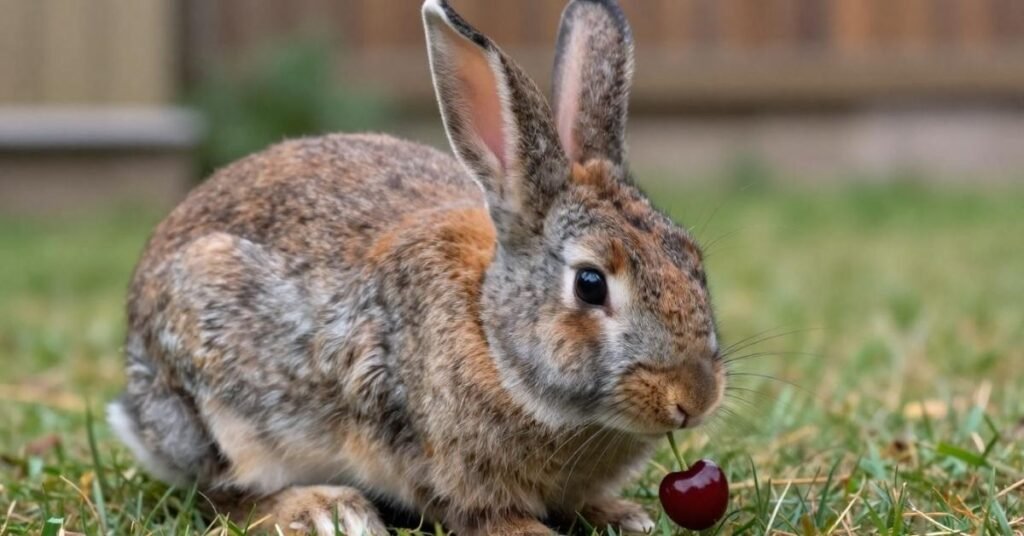
Rabbits can only eat a very small amount of cherries. Cherries should be a rare treat, not daily food. One or two small pieces are enough for an adult rabbit. Always remove the pit, stem, and leaves before feeding. The cherry should be fresh and well washed.
Cherries should not be given every day. Once or twice a month is safer. Too much fruit can harm digestion. Baby rabbits should not eat cherries at all. Hay and leafy greens should make up most of a rabbit’s diet.
How to Prepare Cherries for Rabbits the Right Way
Cherries must be prepared carefully before giving them to rabbits. Always choose fresh and ripe cherries. Wash them well with clean water. This helps remove dirt and chemicals. Never give cherries straight from the tree or store without cleaning.
You must remove all unsafe parts first. The pit, stem, and leaves are dangerous. Cut the cherry into small pieces. This makes it easier to eat and safer to digest. You should only offer a tiny amount as a treat.
Steps to prepare cherries safely for rabbits:
- Choose fresh and ripe cherries
- Wash thoroughly with clean water
- Remove the pit completely
- Remove stems and leaves
- Cut into small soft pieces
- Feed only in very small amounts
Can Baby Rabbits Have Cherries?
Baby rabbits should not eat cherries at all. Their digestive system is very weak. Sugary fruits can upset their stomach quickly. This can cause diarrhea and serious pain. Even a small bite can be harmful.
Young rabbits need a simple diet. They should eat mother’s milk, hay, and safe pellets only. Fruits can be added only when rabbits are fully grown. Waiting helps protect their health. It also helps their digestion develop properly.
Can Rabbits Eat Dried, Frozen, or Canned Cherries?
Rabbits should be very careful with dried, frozen, or canned cherries. Dried cherries have very high sugar levels. The drying process removes water and increases sweetness. This can harm a rabbit’s digestion quickly. Canned cherries are even worse. They often contain added sugar and preservatives.
Frozen cherries are slightly safer than dried or canned ones. But they must be plain and thawed fully. Cold food can upset a rabbit’s stomach. All cherry forms should be rare treats. Fresh cherries prepared properly are the best option.
| Cherry Type | Sugar Level | Added Ingredients | Digestive Risk | Safe for Rabbits | Feeding Advice |
| Fresh cherries | Moderate | None | Medium | Yes in small amounts | Remove pit stem leaves |
| Dried cherries | Very High | Sometimes | Very High | No | Avoid completely |
| Frozen cherries | Moderate | None | Medium | Limited | Thaw fully before feeding |
| Canned cherries | Very High | Yes | Extremely High | No | Never feed |
| Sweetened cherries | Very High | Yes | Extremely High | No | Unsafe for rabbits |
| Preserved cherries | Very High | Yes | Extremely High | No | Avoid fully |
| Cherry syrup | Extremely High | Yes | Very High | No | Not rabbit safe |
| Cherry juice | High | Yes | High | No | Causes diarrhea |
Safer Fruit Alternatives to Cherries for Rabbits
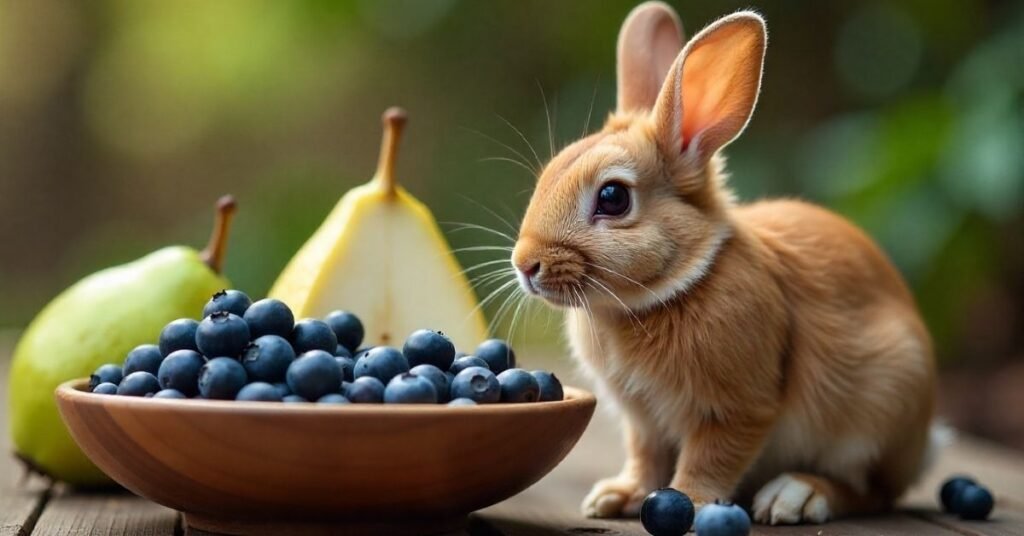
Some fruits are safer for rabbits than cherries. These fruits have less sugar and are easier to digest. They still should be given only as treats. Small portions help avoid stomach problems. Always wash fruits well before feeding.
Safe fruits should be soft and fresh. Remove seeds and hard parts. Introduce new fruits slowly. Watch your rabbit for any bad reaction. If digestion stays normal, the fruit is likely safe.
Safer fruit options for rabbits:
- Apple slices without seeds
- Blueberries
- Strawberries
- Pear pieces without seeds
- Banana slices in tiny amounts
- Papaya or pineapple (very small pieces)
Conclusion
Cherries can be given to rabbits, but only in very small amounts. They are not a daily food. Too much cherry can upset a rabbit’s stomach because of the sugar. Always treat cherries as an occasional snack.
The cherry pit, stem, and leaves are unsafe for rabbits. These parts can be toxic and should never be fed. Always remove the pit and wash the fruit well before offering it. Safety is more important than variety.
A healthy rabbit diet should focus on hay and fresh greens. Fruits like cherries should only be a small treat. When fed carefully, cherries can be enjoyed without harm. Moderation keeps your rabbit happy and healthy.
FAQs
1. Can rabbits eat cherries safely?
Yes, rabbits can eat cherries in small amounts. You should only give them occasionally as a treat.Too many cherries can cause digestive problems.
2. Are cherry pits safe for rabbits?
No, cherry pits are dangerous for rabbits. They can be toxic and also a choking risk. Always remove the pit before feeding.
3. How often can rabbits have cherries?
Rabbits should have cherries rarely, not daily. One or two small pieces once in a while is enough. Treats should never replace hay or greens.
4. Can baby rabbits eat cherries?
No, baby rabbits should not eat cherries. Their stomachs are very sensitive. Stick to hay and safe greens until they are older.
5. Should cherries be fresh or dried for rabbits?
Fresh cherries are better than dried ones. Dried cherries have more sugar. Always wash fresh cherries before serving.
